You’re probably standing there, peering into your microwave, willing your popcorn to pop or your leftovers to heat up. The gentle hum, the spinning plate, and then there’s that magical window – the microwave door. It’s a simple feature, yet it’s incredibly effective at letting you witness the culinary transformation happening within. But how exactly does this seemingly ordinary piece of glass and metal achieve this feat without letting out the very microwaves you’re using to cook? It’s a clever interplay of physics and material science, designed to keep you safe and informed. Let’s dive into the fascinating engineering behind your microwave door’s visibility.
Before we delve into the specifics of the door, it’s crucial to understand what a microwave oven is designed to do and why the door is so integral to its function. At its core, a microwave oven is a kitchen appliance that uses electromagnetic radiation, specifically in the microwave frequency range, to heat food. These microwaves are generated by a magnetron, a vacuum tube. The oven cavity is designed to be a Faraday cage, meaning it effectively contains the microwaves within the metal walls of the oven. The door, therefore, plays a critical role in maintaining this containment while simultaneously allowing you to observe the cooking process.
The Core Function: Heating Food with Microwaves
You know that when you put food in the microwave, you expect it to get hot. This happens because microwaves excite water molecules within the food, causing them to vibrate rapidly. This vibration generates heat, cooking the food from the inside out. The effectiveness of this process relies on the microwaves being directed and contained within the oven cavity. If they were to escape, the oven wouldn’t heat effectively, and more importantly, it would pose a safety hazard.
The Safety Imperative: Containing the Radiation
The most paramount function of the microwave door is to ensure that the microwaves generated by the magnetron are confined to the cooking cavity. Microwave radiation, at the levels used in ovens, can be harmful if it escapes. This is why microwave ovens are built with robust shielding. The metal casing of the oven acts as a Faraday cage, reflecting microwaves. However, the door presents a unique challenge: it needs to be opened and closed, and it needs to be transparent. This is where the clever design of the door comes into play.
The Illusion of Transparency: More Than Just Glass
When you look through your microwave door, you’re not just looking through a pane of ordinary glass. There’s a lot more going on beneath the surface, a meticulous design that allows you to see while keeping the invisible waves safely inside. This is the central paradox that the microwave door cleverly resolves. It’s a barrier that’s also a window, a testament to the ingenuity of appliance engineering.
Have you ever wondered why you can see through a microwave door while still being protected from harmful radiation? This intriguing phenomenon is explained by the design of the microwave’s door, which incorporates a mesh of metal that blocks microwaves while allowing visible light to pass through. For a deeper understanding of the science behind this and other fascinating topics, you can check out a related article on Freaky Science. Learn more by visiting Freaky Science.
The Faraday Cage Principle in the Door: Metal Mesh Magic
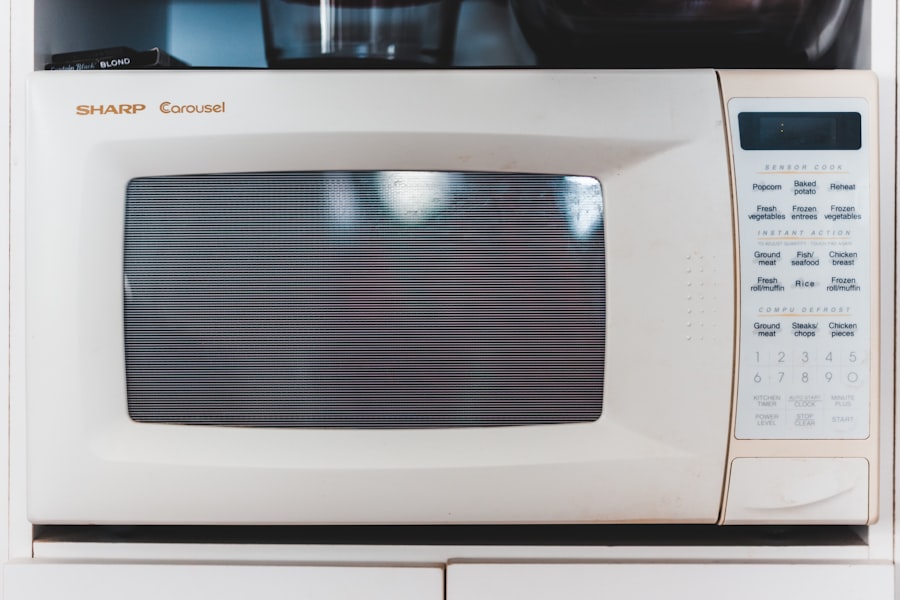
The most significant element contributing to the microwave door’s ability to contain radiation while allowing visibility is the embedded metal mesh. This isn’t just a decorative pattern; it’s a precisely engineered component that acts as a critical part of the Faraday cage. You might have noticed that the “glass” of your microwave door isn’t entirely clear – it often has a dark, tinted appearance with faint lines or a grid-like pattern. This is the mesh, and its effectiveness relies on its specific properties and how it interacts with microwave radiation.
Understanding Faraday Cages: How They Work
A Faraday cage, named after scientist Michael Faraday, is an enclosure made of conductive material that blocks external electromagnetic fields. When electromagnetic radiation, like microwaves, encounters a conductive surface, the free electrons within the conductor rearrange themselves to create an opposing electromagnetic field. This opposing field effectively cancels out the incoming radiation, preventing it from penetrating the enclosure. Think of it like a metal shield that deflects or absorbs the incoming waves.
The Role of the Metal Mesh: A Grid of Obstacles
In a microwave door, the metal mesh acts as a series of interconnected conductors. The holes in the mesh are crucial. They are deliberately sized to be smaller than the wavelength of the microwaves the oven uses (typically around 12.2 cm for a 2.45 GHz oven). When microwaves hit the mesh, they induce currents in the metal wires. These currents generate their own electromagnetic fields that oppose the incoming microwaves. Because the holes are smaller than the wavelength, the microwaves cannot easily pass through them. Instead, they are reflected back into the oven cavity.
Wavelength and Hole Size: The Critical Relationship
The effectiveness of the mesh in blocking microwaves is directly tied to the relationship between the wavelength of the radiation and the size of the holes in the mesh. If the holes were too large, the microwaves, which behave somewhat like waves in water, could simply flow through them. However, by making the holes significantly smaller than the wavelength, you create a barrier that the waves struggle to overcome. Imagine trying to push a large beach ball through a small grate; it won’t pass through. Similarly, microwaves of a certain wavelength can’t easily navigate the smaller openings in the mesh.
Preventing Leakage: The Physics of Reflection
The metal mesh ensures that the vast majority of microwaves are reflected back into the oven cavity. This reflection is what keeps the interior of the oven humming with cooking energy and prevents dangerous leakage into your kitchen. While no shielding is ever perfectly 100% effective, the mesh in a properly functioning microwave door is designed to reduce microwave leakage to negligible and safe levels, far below regulatory standards.
Multiple Layers of Protection: The Door’s Construction
The microwave door is not a single, monolithic piece. It’s typically constructed from multiple layers, each serving a specific purpose in ensuring both safety and visibility. This layered approach is a testament to the detailed engineering involved in creating a product that is both functional and safe for everyday use in your home.
The Outer Pane: Durability and Aesthetics
The outermost layer of your microwave door is usually made of tempered glass. This is the glass you see when you look at the oven from the outside. It’s chosen for its durability, resistance to heat, and ease of cleaning. This layer provides a robust barrier against physical impact and everyday wear and tear. It also contributes to the overall aesthetic of the microwave, often being tinted or coated to match the appliance’s design.
The Inner Pane: Containing Heat and Splatter
Behind the outer pane is another layer of glass, often made of the same tempered material. This inner pane serves a more direct functional purpose. It helps to insulate the outer door, preventing the exterior from becoming excessively hot during cooking. It also acts as a barrier against food splatters and steam, keeping the mesh cleaner and preventing condensation from obscuring your view. This layer directly faces the food being heated.
The Integral Mesh Layer: The Heart of the Shield
Sandwiched between these two glass panes is the crucial metal mesh. This layer is the primary component responsible for blocking microwave radiation. It’s carefully integrated into the door assembly, ensuring a tight seal around its edges. The construction method is designed to prevent any gaps where microwaves could potentially escape. The mesh is typically made of stainless steel or other conductive alloys.
Sealing and Gasketing: The Invisible Barrier
Between the door and the oven cavity, you’ll find a system of seals and gaskets. These are often made of rubber or a similar flexible, heat-resistant material. Their purpose is to create a tight, airtight seal when the door is closed, preventing any microwave leakage around the edges of the door. This often-overlooked component is just as vital as the mesh itself in maintaining the integrity of the Faraday cage.
The Science of Light Transmission: How You See Through the Mesh
You might wonder how light, which allows you to see, can pass through a metal mesh designed to block something as powerful as microwaves. The answer lies in the differing properties of light and microwaves and how they interact with the mesh. While microwaves are effectively stopped, light waves, with their much shorter wavelengths, behave differently.
Light Waves vs. Microwave Waves: A Matter of Scale
Light waves have wavelengths that are incredibly small, measured in nanometers. Microwaves, as mentioned earlier, have much longer wavelengths, measured in centimeters. This vast difference in scale is fundamental to how the mesh operates. The holes in the mesh, while too small for microwaves, are significantly larger than the wavelengths of visible light.
The Mesh as a Sieve for Light: Allowing Passage
Because the holes in the mesh are much larger than the wavelengths of visible light, light photons can easily pass through them. The mesh effectively acts as a sieve for light, allowing it to traverse the barrier while blocking the larger microwave waves. Think of it like water flowing through a colander; the water (light) passes through the holes, while larger objects (microwaves) are held back.
The Tint and Coating: Enhancing Visibility and Reducing Glare
The dark tint and often applied coatings on the outer glass pane are not just for aesthetics. They serve several important functions. They can help to reduce glare from kitchen lighting, making it easier for you to see inside the oven. They also absorb some of the light, which can contribute to the perceived dimness of the interior. Some coatings can also help with thermal insulation or make the glass easier to clean.
Reducing Microwave Reflection on the Glass: A Subtle Effect
While the mesh is the primary blocker, the glass itself also plays a minor role. The glass is generally non-conductive, but the presence of the metal mesh on or within it can slightly alter how light is reflected and transmitted. The coatings can also influence this interaction to optimize visibility.
Have you ever wondered why you can see through a microwave door while it cooks your food? This intriguing feature is due to the design of the door, which includes a mesh screen that allows light to pass through but keeps microwaves contained. For a deeper understanding of the science behind this and other fascinating phenomena, you might find it interesting to read a related article on Freaky Science. This resource explores various scientific concepts in an engaging way, making complex ideas more accessible.
Beyond Basic Visibility: Advanced Features and Considerations
| Reason | Explanation |
|---|---|
| Glass Material | The microwave door is made of a special type of glass that allows microwaves to pass through while still being opaque to visible light. |
| Microwaves | Visible light has a much shorter wavelength than microwaves, so the glass in the microwave door is designed to block visible light but allow microwaves to pass through. |
| Safety | Being able to see through the microwave door allows users to monitor the cooking process without opening the door and risking exposure to microwaves. |
Modern microwave ovens often incorporate additional features that enhance the user experience and further refine the visibility and functionality of the door. These advancements build upon the fundamental principles of containment and observation.
Interior Lighting: Illuminating the Cooking Process
Most microwave ovens now feature internal lighting. This is a simple yet effective addition that significantly improves visibility, especially when the oven is not actively in use or when the kitchen lighting is dim. The light source is typically an LED bulb strategically placed within the oven cavity, providing a clear view of your food as it heats up.
Turntable Design: Even Cooking and Visibility
The turntable, while primarily for ensuring even cooking by rotating the food, also plays a role in visibility. By providing a consistent rotation, it allows you to see different sides of your food as it cooks, helping you monitor its progress and identify any potential issues like uneven heating or burning.
Door Interlocks and Safety Switches: Fail-Safe Mechanisms
Beyond the mesh, microwave doors are equipped with sophisticated door interlock systems and safety switches. These mechanisms are designed to immediately shut off the microwave if the door is not fully closed or is opened during operation. This is a critical safety feature that prevents accidental microwave leakage and ensures that the oven only operates when properly sealed. You can often feel or hear a distinct click when the door is properly closed, indicating that these interlocks have engaged.
Material Innovations: Enhancing Durability and Aesthetics
Manufacturers are continually exploring new materials and designs for microwave doors. This includes innovations in glass treatments, coatings, and frame materials to enhance durability, reduce weight, and improve the overall aesthetic appeal of the appliance. The goal is to create a door that is not only highly functional and safe but also seamlessly integrates into your kitchen decor.
Maintaining Your Microwave Door: Ensuring Continued Safety and Visibility
Your microwave door is designed for longevity, but proper maintenance ensures it continues to function optimally and safely. Regularly cleaning the glass on both sides prevents grease and food buildup, which can obscure your view. Inspecting the door seal for any signs of damage or wear is also important; a compromised seal can lead to inefficient heating and potential (though unlikely in modern ovens) leakage. If you notice any significant damage to the door, such as cracks in the glass or a loose frame, it’s best to have it inspected by a qualified technician to ensure continued safety and performance.
In conclusion, the seemingly simple microwave door is a marvel of engineering, a perfect balance between letting you witness the magic of microwave cooking and containing the invisible forces that make it happen. The metal mesh, the layered construction, and the precise sizing of its perforations all work in concert to create a safe and effective window into your culinary world. So, the next time you’re peering into your microwave, take a moment to appreciate the clever science and design that allows you to see your food transform.
A Fork and a Spoon React Differently in a Microwave. Why?
FAQs
1. Why can you see through a microwave door?
Microwave doors are made of a special type of glass called “leaded glass” which allows for visibility while also containing the microwaves inside the appliance.
2. Is it safe to see through a microwave door while it’s in use?
Yes, it is safe to see through a microwave door while it’s in use. The design of the door and the glass used allows for visibility without exposing the user to harmful microwaves.
3. Can the glass in a microwave door break or shatter easily?
The glass in a microwave door is designed to withstand the heat and pressure of microwave cooking. However, it is still glass and can break if subjected to extreme force or impact.
4. Why is the glass in a microwave door darker or tinted?
The glass in a microwave door is often darker or tinted to reduce the amount of visible light that passes through, which helps to contain the microwaves inside the appliance.
5. Can microwaves escape through the door of a microwave oven?
The design of the microwave door and the use of leaded glass prevent microwaves from escaping while the appliance is in use, making it safe for users to see through the door.