
The Enigmatic Lifespan of Black Cats: Unveiling the Facts
The velvety darkness of a black cat’s coat has long been associated with mystery and folklore, weaving itself into tales of witchcraft and good or bad luck across various cultures. Beyond these superstitions, however, lies a creature of grace and charm, deserving of understanding and care. A question that often arises among cat enthusiasts and prospective pet owners is: how long do these captivating felines typically live? The answer, much like the cat itself, is multifaceted, influenced by a confluence of genetic predispositions, environmental factors, and the quality of care they receive. Far from being inherently short-lived, black cats, when provided with a nurturing environment and adequate veterinary attention, can enjoy a long and fulfilling life, often mirroring the lifespans of their similarly colored counterparts. This article aims to demystify the lifespan of black cats, separating fact from fiction and providing a comprehensive overview of the elements that contribute to their longevity.
Black cats are often surrounded by myths and misconceptions, but when it comes to their lifespan, they can live just as long as any other domestic cat, typically ranging from 12 to 15 years. Factors such as genetics, diet, and healthcare play significant roles in their longevity. For more insights into the fascinating world of black cats and their care, you can check out this related article on the topic at Freaky Science.
Genetics and the Black Coat: A Deeper Look
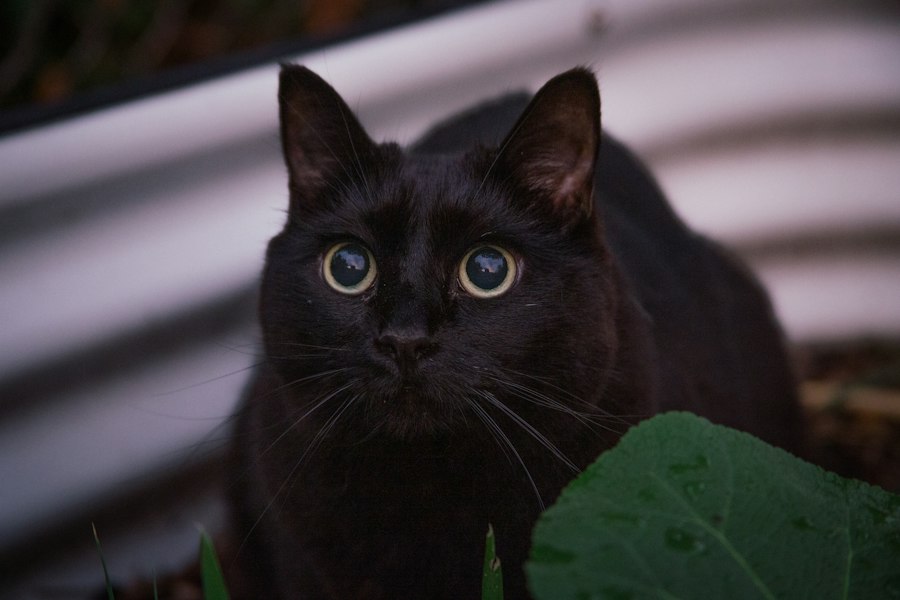
The striking obsidian hue of a black cat’s fur is a result of specific genetic traits. Melanin, the pigment responsible for both skin and hair color, plays a crucial role. In black cats, a dominant gene, often referred to as the ‘agouti’ gene’s absence or suppression, allows for the full expression of eumelanin, the dark pigment. This genetic makeup, while visually distinct, does not inherently confer any unique health disadvantages or advantages that would drastically alter a cat’s lifespan compared to cats of other solid colors. The perception that black cats might have shorter lives is often rooted in historical anecdotes and a lack of widespread scientific study specifically isolating their lifespan from other domestic felines.
The Role of Melanism in Feline Health
Melanism, the genetic trait that causes an excess of dark pigment, is not exclusive to cats; it occurs in numerous animal species, from jaguars to wolves. In felines, the genes responsible for black coloration are generally considered benign in terms of their impact on overall health. There is no scientific consensus or strong evidence to suggest that the genes that produce black fur in cats directly lead to specific diseases or a shortened lifespan. Instead, the health and longevity of any cat, regardless of color, are far more profoundly influenced by factors such as breed, diet, lifestyle, and access to veterinary care.
Breed Predispositions and Lifespan
While the black coat itself doesn’t dictate lifespan, the breed a cat belongs to can have a significant impact. For instance, some purebred cats are genetically predisposed to certain health conditions that might shorten their lives, irrespective of their coat color. A black Persian cat, for example, might face health issues related to its flattened facial structure, such as respiratory problems, which could influence its lifespan. Conversely, a domestic shorthair with a black coat, often referred to as a “black domestic shorthair” or “black moggy,” typically enjoys a robust constitution and can live a very long life. Therefore, when discussing the lifespan of a black cat, it’s essential to consider whether it’s a purebred with known breed-specific health concerns or a mixed-breed cat with a more varied genetic background.
The Myth of “Unlucky” Cats and Their Impact
The persistent myth that black cats are unlucky has, unfortunately, had tangible negative consequences for their well-being. In some regions, historical superstitions led to the mistreatment or abandonment of black cats, particularly around Halloween. This mistreatment, including neglect and exposure to harsh conditions, would undoubtedly shorten their lives. However, this is not a reflection of their inherent biology but rather the societal prejudices they have faced. Thankfully, modern attitudes are shifting, and many people now recognize the fallacy of these superstitions and embrace black cats as loving companions. The adoption rates of black cats in shelters have seen positive trends in recent years, indicating a growing appreciation for these beautiful creatures.
Factors Influencing a Black Cat’s Longevity
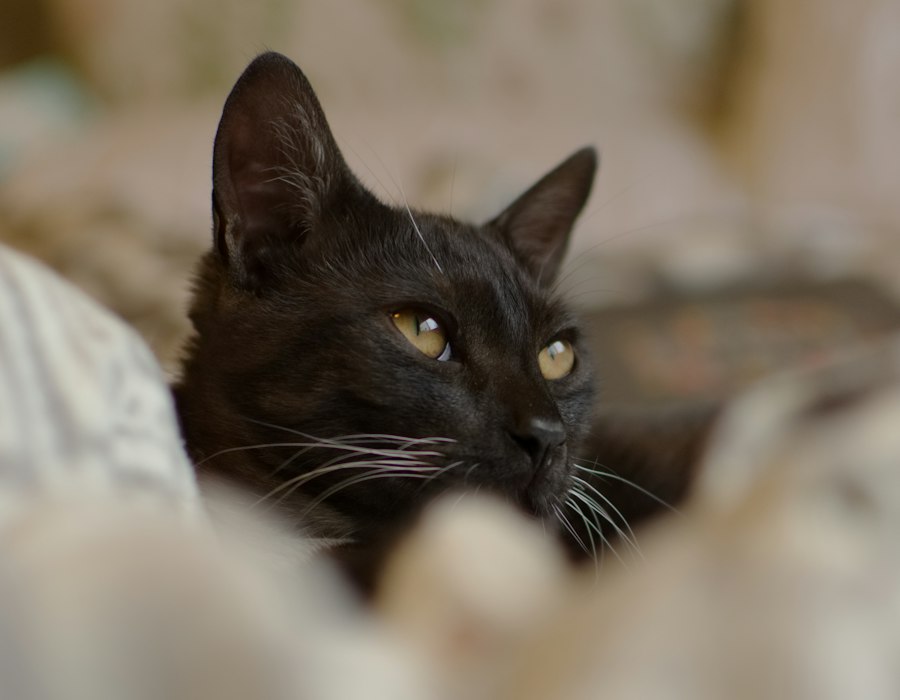
Beyond their genetic makeup and any ingrained societal biases, a multitude of environmental and lifestyle factors play a critical role in determining how long a black cat will live. These are universal to all cats but are worth reiterating for a comprehensive understanding of feline longevity. The quality of life provided by their human guardians is paramount in enabling them to reach their full potential lifespan.
The Crucial Role of Diet and Nutrition
A well-balanced diet is fundamental to a cat’s health, providing the essential nutrients for optimal bodily function and disease prevention. For black cats, as for all felines, this means a diet rich in protein, moderate in fat, and low in carbohydrates, mirroring their natural predatory needs. High-quality commercial cat foods, whether wet or dry, are formulated to meet these requirements. However, the specific needs of a cat can vary based on age, activity level, and any existing health conditions. For example, senior cats may benefit from specialized diets designed to support kidney function or manage joint health. Ensuring that a black cat has consistent access to fresh water is also vital for maintaining hydration and overall well-being.
Feeding Schedules and Portion Control
Establishing a regular feeding schedule can help regulate a cat’s metabolism and prevent obesity, a common health issue in domestic cats that can lead to a host of problems including diabetes, heart disease, and joint strain. Portion control is equally important. Overfeeding, even with a high-quality food, can lead to unhealthy weight gain. Understanding the recommended feeding guidelines for the specific food being used and adjusting based on the individual cat’s needs is crucial. Consulting with a veterinarian can provide personalized advice on the optimal diet and feeding regimen for a black cat.
Avoiding Harmful Foods
It is also important to be aware of foods that are toxic to cats. Chocolate, onions, garlic, grapes, and certain artificial sweeteners can be extremely dangerous and even fatal. While black cats might be tempted by human food, it’s best to stick to a diet specifically formulated for felines to ensure their safety and health.
The Importance of Veterinary Care
Regular veterinary check-ups are indispensable for detecting and addressing health issues before they become serious. These routine visits allow veterinarians to monitor a cat’s overall health, administer necessary vaccinations, and provide preventative care, such as deworming and flea and tick treatment. Early detection of diseases can lead to more effective treatment and a better prognosis, ultimately contributing to a longer, healthier life for the black cat.
Vaccinations and Parasite Prevention
Vaccinations protect cats from a range of serious and potentially fatal diseases, including feline leukemia virus (FeLV), feline immunodeficiency virus (FIV), rabies, and panleukopenia. A veterinarian will recommend a vaccination schedule tailored to the cat’s lifestyle and exposure risk. Similarly, consistent parasite prevention is vital. Fleas, ticks, and internal parasites can cause significant health problems, ranging from skin irritation and anemia to more severe diseases.
Spaying and Neutering Benefits
Spaying (for females) and neutering (for males) not only helps control the pet population but also offers significant health benefits that can contribute to a longer lifespan. For female cats, spaying eliminates the risk of uterine infections and ovarian and uterine cancers. For male cats, neutering reduces the risk of testicular cancer and some prostate problems. Both procedures can also decrease the likelihood of roaming and fighting, which can lead to injuries and exposure to diseases.
Exercise and Mental Stimulation
A sedentary lifestyle can contribute to health problems in cats, including obesity and boredom-related behavioral issues. Providing opportunities for exercise and mental stimulation is crucial for a black cat’s overall well-being. This can include interactive play sessions with toys, climbing structures, scratching posts, and puzzle feeders. A mentally engaged and physically active cat is generally a happier and healthier cat, which can translate to a longer lifespan.
Playtime and Interactive Toys
Engaging a black cat in regular play sessions is not only fun but also essential for their physical and mental health. Toys that mimic prey, such as feather wands, laser pointers (used with caution to avoid frustration), and crinkle balls, can satisfy their hunting instincts and provide a good workout. Rotating toys can keep things interesting and prevent boredom.
Environmental Enrichment
Creating an enriched environment for a black cat can significantly enhance their quality of life. This can include providing vertical space through cat trees and shelves, designated scratching areas, and safe hiding spots. Window perches allow them to observe the outside world, offering a form of passive entertainment.
The Importance of a Safe Environment
A safe environment protects a black cat from numerous dangers. This includes ensuring that windows and doors are secure to prevent escapes, keeping toxic plants and household chemicals out of reach, and supervising interactions with other pets or young children. Indoor cats generally live longer and healthier lives than outdoor cats due to reduced exposure to traffic, predators, diseases, and fights.
Indoor vs. Outdoor Living
The debate between keeping cats indoors or allowing them outdoor access is ongoing, but statistically, indoor cats tend to live significantly longer. The risks associated with outdoor living – including traffic accidents, encounters with predators, exposure to infectious diseases from other animals, and potential for fights or injuries – are considerable. While outdoor access can offer enrichment, it must be carefully managed, perhaps through supervised time in a secure outdoor enclosure or “cattio.”
Socialization and Stress Reduction
A black cat that is well-socialized from a young age is more likely to be comfortable and adaptable. Positive interactions with humans and other animals can reduce stress levels, and chronic stress can negatively impact a cat’s immune system and overall health. Creating a calm and predictable environment, avoiding sudden changes, and providing consistent affection can help minimize stress for a black cat.
Breed-Specific Considerations for Black Cats
While we’ve established that the black coat itself doesn’t determine lifespan, it’s worth acknowledging that specific breeds, some of which commonly display black coloration, have varying average lifespans and potential health concerns. Understanding these breed-specific nuances can provide a more tailored perspective on the longevity of a particular black cat.
Popular Breeds with Black Variations
Many popular cat breeds can be found with black coats. For instance, the American Shorthair, known for its sturdy build and generally healthy disposition, can be black and typically lives 15-20 years or even longer. The British Shorthair, also a robust breed, shares a similar lifespan expectation and often sports a beautiful solid black coat. The sleek and elegant Oriental Shorthair and Siamese breeds can also come in black, though their lifespans can sometimes be influenced by specific genetic predispositions inherent to their lineage. The Maine Coon, one of the largest domestic cat breeds, can be black and typically lives 10-13 years, though some individuals may exceed this.
Understanding Purebred Health Risks
Purebred cats, while often possessing desirable traits, can be more susceptible to certain inherited health conditions due to a narrower gene pool. For example, some black cats of specific breeds might be predisposed to conditions like hypertrophic cardiomyopathy (HCM) in breeds like the Maine Coon or Persian, or polycystic kidney disease (PKD) in Persians. Responsible breeders screen their cats for these genetic conditions, but awareness is still crucial for owners. Regular veterinary check-ups are vital for early detection and management of any breed-specific health issues.
The Advantage of Mixed-Breed Black Cats
Mixed-breed cats, often referred to as “moggies” or domestic shorthairs and longhairs, generally benefit from “hybrid vigor.” This means their diverse genetic background can make them more resilient and less prone to specific inherited diseases. A black mixed-breed cat, therefore, often stands a good chance of enjoying a long and healthy life, provided they receive proper care. Their varied genetic makeup can lead to a robust constitution, making them less susceptible to the breed-specific health issues that can affect purebreds.
When considering the lifespan of black cats, it’s interesting to explore various factors that can influence their longevity, such as genetics, diet, and overall health care. For those looking to delve deeper into this topic, a related article provides valuable insights into how long black cats typically live and what owners can do to ensure their furry friends enjoy a long, healthy life. You can read more about it in this informative piece on cat care.
Dispelling Myths and Superstitions Surrounding Black Cats
| Category | Average Lifespan | Notes |
|---|---|---|
| Indoor Black Cats | 12-16 years | Typically live longer due to controlled environment and regular veterinary care |
| Outdoor Black Cats | 5-7 years | Shorter lifespan due to risks like accidents, predators, and diseases |
| Black Cats (General) | 10-15 years | Lifespan similar to other domestic cats; coat color does not significantly affect longevity |
| Factors Affecting Lifespan | N/A | Diet, healthcare, environment, and genetics play major roles |
The enduring mystique surrounding black cats has unfortunately given rise to a number of persistent myths and superstitions that can negatively impact their lives. Separating these unfounded beliefs from factual information is crucial for promoting their well-being and ensuring they receive the love and care they deserve.
The “Bad Luck” Omen Fallacy
The most pervasive superstition is that a black cat crossing one’s path brings bad luck. This belief is largely rooted in medieval European folklore, where black cats were sometimes associated with witchcraft and the devil. However, in other cultures, black cats are considered symbols of good luck. For instance, in Japan, black cats are often seen as good luck charms, bringing prosperity and warding off evil spirits. It’s important to recognize that these are cultural beliefs, not scientific facts, and should not dictate how we treat these animals.
The “Unlucky to Adopt” Misconception
This superstition has also led to a misconception that adopting black cats is somehow unlucky for the adopter. This is entirely false. In reality, adopting a black cat can bring immense joy and companionship. Many shelters report that black cats are often among the last to be adopted, a direct consequence of these lingering superstitions. This unfortunate reality means that black cats often spend longer periods in shelters, waiting for their forever homes.
The “Witch’s Familiar” Folklore
Another prevalent myth is that black cats are witches’ familiars, capable of shapeshifting or possessing supernatural powers. While these stories are intriguing from a literary and historical perspective, they have no basis in reality. Black cats are simply domestic animals with unique coloring, deserving of the same affection and respect as any other feline companion.
The Truth: Black Cats are Just Cats
Ultimately, the most important truth to reveal is that black cats are simply cats. Their coat color is a genetic trait that does not inherently influence their personality, their capacity for love, or their lifespan. Their individual temperaments, behaviors, and health are shaped by their upbringing, environment, genetics, and the quality of care they receive, just like any other cat. The myths and superstitions surrounding them are a testament to human imagination rather than biological fact.
Lifespan Expectations: A Holistic View
When considering the lifespan of a black cat, it is essential to synthesize all the discussed factors. The average lifespan of a domestic cat, regardless of color, is generally between 12 and 18 years. However, this is a broad range, and many factors can push individual cats towards the lower or higher end of this spectrum, or even beyond.
Indoor vs. Outdoor Averages
As previously mentioned, indoor cats typically live longer than their outdoor counterparts. An indoor-only black cat can reasonably be expected to live into its late teens or even early twenties. An outdoor or indoor/outdoor cat, while potentially experiencing more stimulation, faces a higher risk of premature death, with lifespans often falling within the 5-10 year range, if they survive to adulthood.
The Impact of Responsible Ownership
The single most significant factor influencing a black cat’s lifespan is responsible ownership. This encompasses providing a safe and enriching environment, a nutritious diet, regular veterinary care, and ample love and attention. A well-cared-for black cat, whether purebred or mixed-breed, has a strong chance of living a long, happy, and healthy life, proving that their enigmatic color is merely a beautiful outward characteristic, not a determinant of their days.
Reaching Advanced Feline Years
Many black cats, when provided with optimal care and free from significant genetic health issues, can indeed reach advanced feline years. Stories of black cats living to 20, 25, or even more years are not uncommon, underscoring the fact that with the right conditions, their longevity can far exceed the average. The key lies in understanding and meeting their needs throughout their lives, from kittenhood through their senior years. By debunking myths and focusing on the science of feline health and well-being, we can ensure that these captivating creatures enjoy the full, long lives they so rightfully deserve.

Which Cat Color Lives Longest? The Research Has a Twist
FAQs
1. What is the average lifespan of a black cat?
Black cats typically live between 12 to 15 years, but some can live into their early 20s with proper care.
2. Are there any factors that can affect the lifespan of a black cat?
Yes, factors such as genetics, diet, environment, and access to veterinary care can all impact the lifespan of a black cat.
3. Do black cats have any specific health issues that may affect their lifespan?
Black cats are not more prone to specific health issues compared to other cat breeds. However, like all cats, they can develop common health problems such as dental issues, obesity, and kidney disease.
4. How can I help ensure a long and healthy life for my black cat?
To help ensure a long and healthy life for your black cat, provide a balanced diet, regular exercise, routine veterinary check-ups, a safe environment, and plenty of love and attention.
5. Are there any ways to extend the lifespan of a black cat?
Some ways to potentially extend the lifespan of a black cat include spaying or neutering, keeping them indoors to protect them from dangers outside, and providing enrichment activities to keep them mentally and physically stimulated.