You’ve probably heard the buzz about induction stoves. Maybe a friend raved about how fast they boil water, or you saw one in a sleek, modern kitchen and wondered what made it so different. You might even be considering one yourself, drawn by their efficiency, safety, and clean aesthetics. But beyond the marketing and the stylish appearance, how exactly do these countertop marvels turn electricity into heat and cook your food? Let’s dive in and peel back the layers of this fascinating technology.
At its core, an induction stove operates on a principle of physics you might recall from a science class: electromagnetic induction. It’s not about heating elements that glow red-hot, like in traditional electric stoves, nor is it about the open flame of gas. Instead, induction utilizes a clever dance between electricity and magnetism to generate heat directly within your cookware. This direct heat transfer is the key to its speed, responsiveness, and remarkable efficiency.
A Brief History: From Discovery to Domesticity
The phenomenon of electromagnetic induction wasn’t discovered overnight. It’s the culmination of work by brilliant minds over centuries. Michael Faraday, an English scientist, is credited with the fundamental discovery of electromagnetic induction in 1831. He demonstrated that moving a magnetic field through a coil of wire could induce an electric current. While Faraday laid the groundwork, it took many more years for this principle to be translated into practical applications. The development of alternating current (AC) electricity was crucial, as induction requires a changing magnetic field. Early industrial applications emerged, but it wasn’t until the mid-20th century that the idea of using induction for cooking began to gain traction. Early models were bulky and expensive, but as technology advanced, particularly in electronics and materials science, induction cooktops became more refined, efficient, and eventually, a viable option for home kitchens. The 1970s saw the first commercial induction cooktops appear, and their popularity has steadily grown, especially in recent decades, as consumers seek more energy-efficient and safer cooking solutions.
The Indispensable Ingredient: The Magnetic Field
The entire process hinges on the creation and manipulation of a magnetic field. Your induction stove’s control panel doesn’t just send power to a heating coil; it’s actively generating a rapidly fluctuating magnetic field. This field is produced by a copper coil situated directly beneath the ceramic glass surface of your cooktop. When you turn on the stove and select a heat setting, electricity flows through this copper coil. However, it’s not just any electricity; it’s alternating current.
The Role of Alternating Current (AC)
Alternating current, by its very nature, constantly changes direction and intensity. This continuous flux is precisely what’s needed to create a dynamic magnetic field. Imagine the electricity flowing one way, then reversing, then flowing the other way, and so on, many times per second. This rapid oscillation in the coil translates directly into a magnetic field that is also rapidly oscillating, expanding and collapsing, pushing and pulling. This is the engine that drives the entire induction process. Without the back-and-forth nature of AC, the magnetic field would be static, and no induction would occur. The frequency of this alternating current is a key factor in the performance of the induction hob, typically falling within the range of 20 to 100 kilohertz (kHz). Higher frequencies generally lead to more efficient energy transfer.
Creating the Eddy Currents: The Invisible Currents
When this fluctuating magnetic field produced by the coil passes through the base of your compatible cookware, it induces tiny electrical currents within the metal itself. These are known as eddy currents. Think of them as miniature whirlpools of electricity swirling around within the pot or pan. The magnetic field acts like a plow, churning up the electrons in the metal. Because the magnetic field is constantly changing, these eddy currents are also constantly changing direction, mirroring the AC supplied to the coil. This is the first step in generating heat, but it’s not the whole story.
Induction stoves have gained popularity for their efficiency and speed in cooking, but many people are still curious about the science behind how they work. For a deeper understanding of the technology and principles involved in induction cooking, you can refer to this informative article that explains the process in detail. To learn more, visit this article which delves into the fascinating mechanics of induction stoves and their advantages over traditional cooking methods.
The Heart of the Matter: Resistance and Heat Generation
So, you have these invisible eddy currents swirling within your cookware. What happens next? This is where the principle of resistance comes into play, and it’s the direct cause of the heat you’ll feel.
The Electrical Resistance of Cookware
All metals have a degree of electrical resistance. This means that as electricity flows through them, they impede that flow to some extent. This impedance converts electrical energy into thermal energy – in simpler terms, heat. The eddy currents, being electrical currents, encounter resistance as they try to flow through the metal of your pot or pan.
The Joule Heating Effect Explained
This conversion of electrical energy into heat due to resistance is known as Joule heating, or sometimes ohmic heating. It’s the same fundamental principle that makes the heating element in a traditional electric stove or toaster glow red-hot. In the case of induction, however, the heat is generated directly within the base of the cookware, not in an element beneath it. The faster and more vigorously the eddy currents flow, and the higher the resistance of the metal, the more heat is produced. This direct generation of heat is what makes induction so incredibly efficient. There’s no wasted energy heating up an intermediate element.
What Makes Cookware Compatible? The Magnetic Test
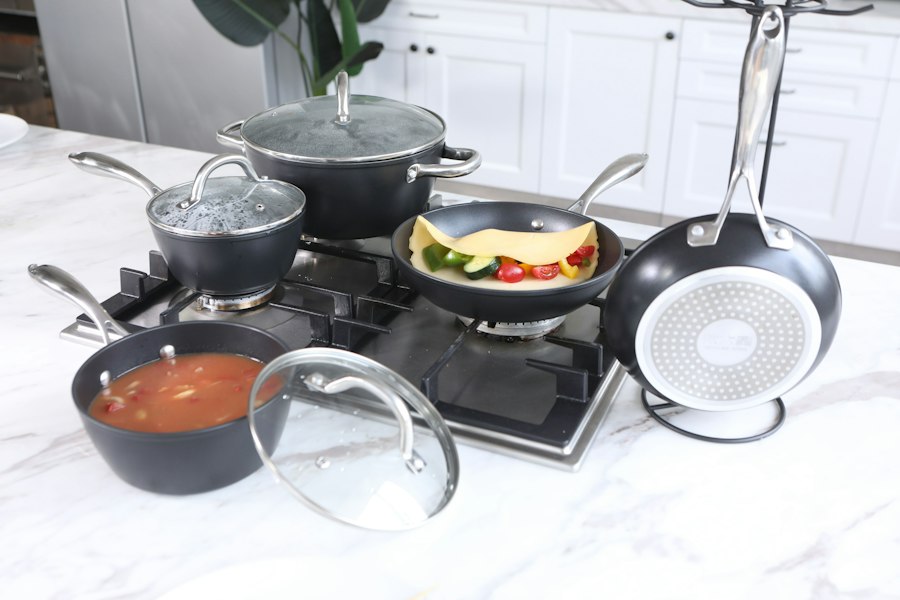
Not all cookware will work on an induction stove. The crucial requirement is that the cookware must be made of a ferromagnetic material. This means the material needs to be attracted to a magnet. This property is essential for the induction process to work.
The Ferromagnetic Factor: Why Iron and Steel Reign Supreme
Iron and many types of stainless steel are ferromagnetic. When the magnetic field from the induction coil interacts with these materials, it strongly influences the movement of electrons, leading to the robust generation of eddy currents and, consequently, significant heat. Copper, aluminum, and glass, on the other hand, are not ferromagnetic. While they are good conductors of electricity and heat, they don’t possess the magnetic properties necessary to be effectively heated by the induction field. This is why you often see cookware explicitly labeled as “induction compatible.”
The Simple Magnet Test: Your Quick Compatibility Check
Wondering if your existing pots and pans will work? There’s a super simple test. Grab a refrigerator magnet. If the magnet sticks firmly to the bottom of your pot or pan, it’s likely induction-compatible. If it doesn’t stick at all, or only weakly, it probably won’t work. This test is invaluable when you’re shopping for new cookware or trying to utilize what you already have. Remember, the magnetism needs to be in the base of the cookware, as this is where the induction interaction occurs.
The Superior Heat Transfer: Direct vs. Indirect
The way induction stoves transfer heat to your food is fundamentally different from traditional electric or gas stoves, and this difference accounts for many of its advantages.
Direct Heating: The Cookware as the Heating Element
As we’ve established, induction heats the cookware directly. The ceramic glass surface of the stove itself doesn’t get hot from an internal heating element. It only becomes warm as a byproduct of the heat radiating from the cookware or through accidental contact. This means the heat generated is almost entirely transferred to your food, leading to incredible efficiency.
Minimizing Heat Loss: No More Wasted Energy
Think about a gas stove: a significant amount of heat escapes around the sides of the pot, warming your kitchen instead of your food. Traditional electric coil or smooth-top stoves also have an intermediary heating element that needs to heat up, and then transfer that heat to the cookware, again with energy losses. Induction bypasses these inefficiencies. The magnetic field directly energizes the base of the pot, and that’s where the heat begins. This directness means much less energy is wasted, making induction stoves a more environmentally friendly and cost-effective option in the long run.
Responsiveness: Reacting to Your Commands Instantly
Because the heat is generated directly within the cookware, induction stoves are incredibly responsive to changes in temperature settings.
From Simmer to Sizzle in Seconds
When you turn up the heat on an induction hob, the magnetic field intensifies, and the eddy currents increase, leading to a rapid rise in the cookware’s temperature. Conversely, when you lower the setting, the magnetic field weakens, and the heat generation decreases almost instantaneously. This means you can go from a gentle simmer to a searing hot surface in mere seconds, offering a level of control that rivals, and often surpasses, gas stoves. This precision is invaluable for delicate cooking tasks like melting chocolate, making sauces, or achieving the perfect sear on a steak.
The Digital Thermometer Analogy
You can think of induction as having a built-in digital thermometer. When you adjust the setting, it’s like telling the system to immediately aim for a new target temperature, and it gets there with remarkable speed. Traditional electric stoves, on the other hand, are more like analog thermometers; they take time to heat up and cool down, making fine-tuning more challenging.
Beyond the Heat: Safety and Cleaning Advantages

The unique way induction stoves generate heat also brings significant benefits in terms of safety and ease of cleaning, making them a compelling choice for modern kitchens.
A Cooler Surface: Reducing Burn Risks
Since the ceramic glass surface itself is not the primary heat source, it remains significantly cooler than the cookware.
The “Cool-Touch” Benefit
This “cool-touch” characteristic dramatically reduces the risk of accidental burns. Imagine a scenario where a child or even an adult accidentally brushes against the stove surface. On a traditional electric stove, this could result in a nasty burn. On an induction stove, while the surface might be warm from residual heat transfer, it’s unlikely to cause a serious injury. This makes induction a much safer option, especially in households with young children or elderly individuals.
Residual Heat Indicator: A Helpful Nudge
To further enhance safety, most induction cooktops feature a residual heat indicator. This is typically a small light or symbol that remains illuminated as long as the cooktop surface is still warm. This visual cue serves as a constant reminder to exercise caution, even after you’ve finished cooking. It’s a simple yet effective safety feature.
Effortless Cleanup: Spills Stay Put
The cooler surface also makes cleaning up a breeze. Unlike traditional stoves where spilled food can bake onto a scorching hot surface, spills on an induction hob are less likely to carbonize.
The Non-Stick Property of the Glass
The smooth, seamless ceramic glass surface is inherently easy to wipe down. Because food doesn’t get as intensely burnt on, you can often simply wipe away spills with a damp cloth once the cooktop has cooled sufficiently.
No Gaps, No Grime Traps
Many induction cooktops are a single, continuous piece of glass, with no grates, burners, or crevices to trap food debris and grease. This means there’s no need for scrubbing with harsh chemicals or dismantling parts for a deep clean. A quick wipe-down is usually all that’s required to keep your induction hob looking pristine. This makes it a much more hygienic and time-saving option for kitchen maintenance.
Induction stoves have gained popularity for their efficiency and speed in cooking, but many people are still curious about the science behind how they work. A fascinating article that delves into the intricacies of induction cooking can be found on Freaky Science, which explains the principles of electromagnetic fields and their role in heating cookware. If you’re interested in understanding the technology that powers these modern appliances, you can read more about it in this insightful piece on Freaky Science.
The Future of Cooking: Efficiency and Environmental Impact
| Metric | Description | Typical Value / Range | Unit |
|---|---|---|---|
| Operating Frequency | Frequency of the alternating current used to generate the magnetic field | 20,000 – 50,000 | Hz (Hertz) |
| Power Output | Maximum power delivered to the cookware | 1000 – 3500 | Watts |
| Efficiency | Percentage of electrical energy converted to heat in the cookware | 80 – 90 | % |
| Cookware Material | Type of material required for induction heating to work | Ferromagnetic metals (e.g., cast iron, stainless steel) | N/A |
| Heating Mechanism | How heat is generated in the cookware | Induced eddy currents and magnetic hysteresis losses | N/A |
| Surface Temperature | Temperature of the induction cooktop surface during operation | 40 – 80 | °C |
| Response Time | Time taken to change heat output after adjusting controls | Less than 1 | Second |
| Safety Feature | Automatic shutoff when no cookware is detected | Yes | N/A |
As we become more conscious of our energy consumption and environmental footprint, induction technology stands out as a leading contender for the future of home cooking.
Energy Efficiency: A Greener Way to Cook
The direct heat transfer inherent in induction cooking means significantly less energy is wasted compared to other cooking methods.
Lower Energy Bills: Saving Money and Resources
This increased efficiency translates directly into lower electricity bills for you. By using less energy to achieve the same cooking results, you’re not only saving money but also reducing your overall demand on power grids, which often rely on fossil fuels. This makes induction a more sustainable choice for your household.
Reduced Greenhouse Gas Emissions
By using less electricity, you are indirectly contributing to a reduction in greenhouse gas emissions associated with power generation. In an era where climate change is a pressing concern, opting for energy-efficient appliances like induction cooktops is a positive step towards a more sustainable lifestyle.
The Rise of Smart Kitchens: Connectivity and Control
The sleek, digital nature of induction cooktops lends itself perfectly to integration into the growing “smart kitchen” ecosystem.
App Control and Remote Operation
Many modern induction stoves can be connected to your home Wi-Fi network, allowing you to control them via a smartphone app. This can include preheating the cooktop, adjusting temperature settings remotely, or even receiving notifications when your food is ready. Imagine starting to cook dinner from your office or adjusting the simmer while you’re in another room.
Voice Command Integration
Further enhancing convenience, some induction cooktops can be integrated with smart home assistants like Amazon Alexa or Google Assistant. This allows you to control your stove using voice commands, freeing up your hands when you’re busy in the kitchen. You could say, “Hey Google, set the front burner to medium heat,” and your stove would comply.
Advanced Features and Customization
Smart induction cooktops often come with advanced features such as built-in recipe guides, precise temperature probes for perfect cooking, and personalized cooking programs. These capabilities offer a level of control and convenience that was unimaginable in kitchens just a few decades ago. The induction technology, with its precise electronic control, is the perfect platform for these intelligent cooking innovations.
In conclusion, induction stoves are far more than just a trendy kitchen appliance. They represent a sophisticated application of physics that delivers superior cooking performance, enhanced safety, and greater efficiency. By understanding the principles of electromagnetic induction, the importance of ferromagnetic cookware, and the advantages of direct heat transfer, you can appreciate why induction cooking is not just a step forward, but a leap into the future of your kitchen.
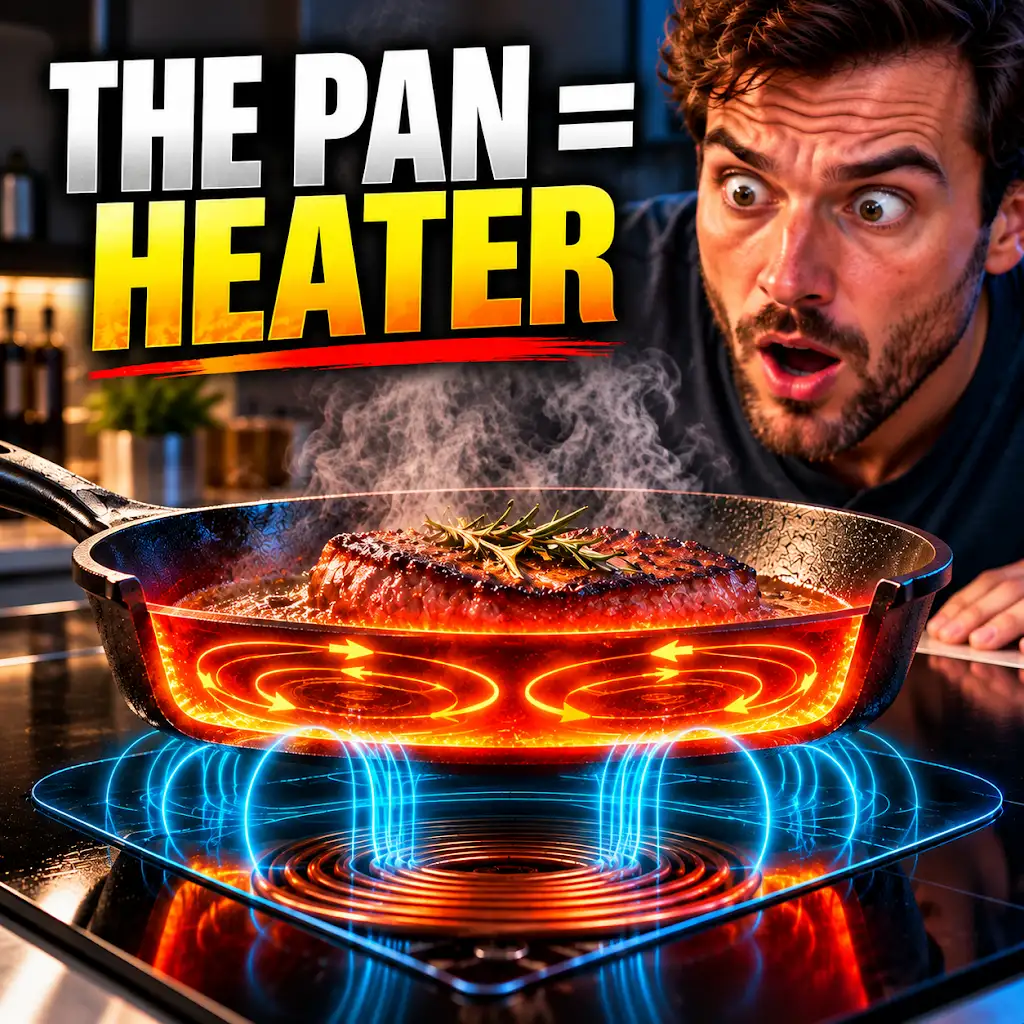
The Pan Is the Heater: How Induction Cooking Really Works
FAQs
1. How do induction stoves work?
Induction stoves use electromagnetic energy to directly heat pots and pans through magnetic induction. When a pot or pan made of ferrous metal is placed on the stove, an alternating current passes through a coil beneath the cooktop, creating a magnetic field. This magnetic field induces electrical currents in the metal cookware, generating heat.
2. Are induction stoves more energy-efficient than traditional stoves?
Yes, induction stoves are more energy-efficient than traditional stoves. They heat up faster and waste less heat because the heat is generated directly in the cookware. Induction stoves are estimated to be 90% efficient, compared to around 40-55% efficiency for gas stoves and 65-70% for electric coil stoves.
3. Do induction stoves require special cookware?
Yes, induction stoves require cookware that is magnetic in order to work effectively. Cookware made of ferrous metals such as cast iron or magnetic stainless steel is compatible with induction stoves. To check if your cookware is compatible, you can use a magnet – if it sticks to the bottom of the cookware, it can be used on an induction stove.
4. Are induction stoves safe to use?
Induction stoves are generally considered safe to use. Since the heat is generated directly in the cookware, the cooktop itself remains relatively cool to the touch, reducing the risk of burns. Additionally, induction stoves have safety features such as automatic shut-off when no cookware is detected on the surface.
5. Can induction stoves be used with all types of recipes and cooking techniques?
Yes, induction stoves can be used with all types of recipes and cooking techniques. They offer precise and instant control over the heat, making them suitable for tasks that require low simmering or high-temperature searing. However, it may take some time to adjust to the speed and responsiveness of induction cooking compared to traditional stoves.