
You’ve probably experienced it. You slide a pot onto your gleaming new induction cooktop, anticipating the satisfying hiss of heat, but nothing happens. The surface remains stubbornly cool. Frustration simmers, and you might even begin to doubt your new appliance. This is where induction stove pan detection comes into play, a seemingly magical feature that ensures your cooktop only heats up when it’s supposed to. But how does this clever technology actually work? It’s not magic, but rather a fascinating application of physics and electrical engineering that you’ll soon understand.
At the heart of induction cooking lies the principle of electromagnetism. You’re likely familiar with the basic idea: electricity and magnetism are intertwined. When an electric current flows through a wire, it generates a magnetic field around it. Conversely, a changing magnetic field can induce an electric current in a nearby conductor. Induction cooktops leverage this second principle to heat your cookware.
The Core of the Cooktop: The Induction Coil
Beneath the smooth ceramic or glass surface of your induction cooktop, you’ll find a tightly wound coil of copper wire. This is the induction coil, the engine of the heating process. When you turn on a zone on your induction cooktop, an alternating electric current is sent through this coil. Think of it as an electrical current that constantly switches direction, oscillating back and forth at a high frequency, typically in the range of 20-50 kHz (kilohertz). This rapid switching is crucial.
Creating a Dynamic Magnetic Dance
The alternating current flowing through the induction coil generates a rapidly fluctuating magnetic field that extends upwards, permeating the space above the cooktop. This magnetic field isn’t static; it’s a dynamic, oscillating force that ebbs and flows in intensity and direction. This constantly changing magnetic field is the key to unlocking the heating power of induction. Without this dynamic nature, there would be no way to induce the necessary currents in your cookware. The speed of this oscillation is what differentiates induction from older heating technologies and contributes to its efficiency. The higher the frequency, the more effectively the magnetic field can interact with compatible cookware.
The Field’s Reach: Not Just Any Material Will Do
It’s important to understand that this magnetic field doesn’t just magically create heat in thin air. It needs something to interact with. This is where the properties of your cookware become paramount. The magnetic field generated by the induction coil will only induce significant currents in materials that are ferromagnetic. This means materials that are strongly attracted to magnets. Think of iron, steel, and certain types of stainless steel. Aluminum, copper, glass, and ceramics, while excellent conductors of heat once heated, are not ferromagnetic and thus won’t be heated directly by the induction field. This selective interaction is why your induction cooktop remains cool to the touch even when it’s actively cooking.
Induction stove technology relies on a fascinating principle of electromagnetic induction to heat cookware, but one of the key features that enhances its efficiency is pan detection. This mechanism ensures that the stove only activates when compatible cookware is placed on its surface, preventing energy waste and enhancing safety. For a deeper understanding of how this pan detection works, you can read more in this related article: here.
The Crucial Connection: How Pan Detection Intervenes
So, the induction cooktop generates a magnetic field, but how does it know if your pot is actually there, and if it’s the right kind of pot? This is where the sophisticated pan detection system steps in. It’s a vital safety and efficiency feature that prevents wasted energy and potential damage.
The Sensor Network: Tiny Detectors Beneath the Surface
Your induction cooktop isn’t just a single coil; it’s equipped with a network of sensors strategically placed beneath the cooking surface, often integrated within or around the induction coil itself. These sensors are not actively generating heat; their role is purely to detect the presence and properties of the cookware placed above them. They are the eyes and ears of your induction stove, constantly monitoring the electromagnetic environment.
The Magnetic Mirror: How Cookware Responds
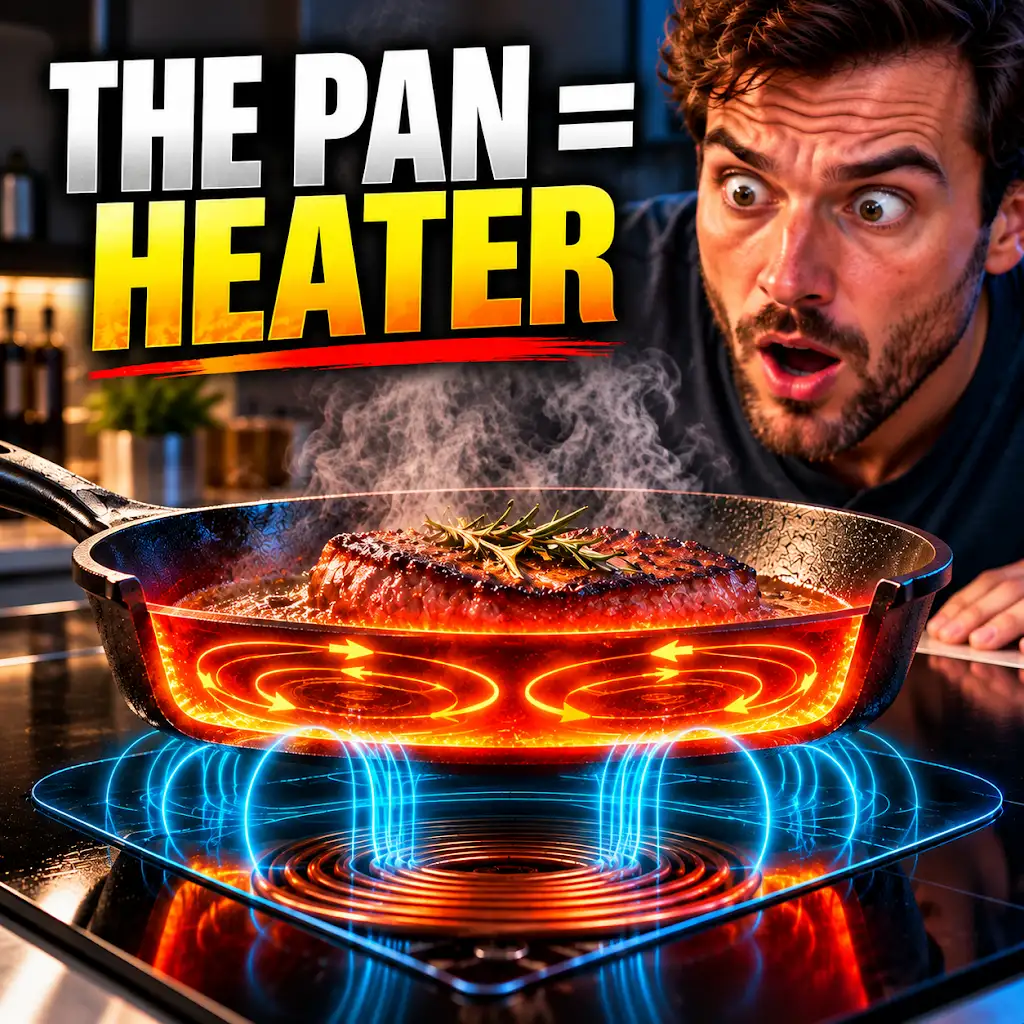
When you place a ferromagnetic pot or pan onto the induction cooktop, it acts like a magnetic mirror. The fluctuating magnetic field generated by the coil penetrates the base of the cookware. Because the cookware is made of a ferromagnetic material, it intercepts and interacts with this magnetic field. This interaction causes the magnetic field lines to bend and concentrate within the cookware’s material.
The Signal of Success: Induced Currents are Key
The crucial signal that the pan detection system looks for is the effect of the cookware on the magnetic field. When the magnetic field interacts with the ferromagnetic material, it induces electrical currents within the base of the pan. These are known as eddy currents. These eddy currents, flowing in the opposite direction to the original alternating current in the coil, are the direct cause of heat generation. The pan detection system is designed to identify the unique signature of these induced eddy currents.
The Science of Sensing: Detecting the Eddy Currents
The pan detection system is incredibly sensitive and relies on analyzing the subtle changes in the electromagnetic field caused by the presence of suitable cookware. It’s not just a simple on/off switch; it’s a nuanced process that ensures optimal performance.
Measuring the Magnetic Perturbation
As the induction coil generates its fluctuating magnetic field, the sensors are constantly monitoring this field. When a ferromagnetic pan is placed on the surface, it alters the magnetic field. The sensors measure this alteration, which is essentially a perturbation or distortion of the original field. This perturbation is a direct consequence of the induced eddy currents within the pan. The stronger the interaction, the greater the perturbation.
The “Q” Factor: A Measure of Efficiency
In electrical engineering, a concept called the “Q factor” or “quality factor” is used to describe the efficiency of a resonant circuit. In the context of induction cooktops, the presence of suitable cookware significantly impacts the Q factor of the induction coil circuit. When a ferromagnetic pan is present, it effectively couples with the magnetic field, and energy is transferred to the pan to create eddy currents. This energy transfer increases the inductance and resistance of the coil circuit, thereby reducing the overall Q factor. The pan detection system monitors this change in the Q factor.
The “Signature” of a Good Pan
The system looks for a specific “signature” that indicates the presence of a ferromagnetic pan. This signature is characterized by a certain level of magnetic perturbation and a corresponding change in the Q factor of the coil. If the sensors detect these characteristics, it confirms that a compatible pan is in place, and the cooktop will then proceed to generate heat. If the signature is absent, or if it’s too weak, the system recognizes that no suitable pan is present, and no heat is generated. This prevents accidental heating and ensures energy is only used when a pan is ready to receive it.
What Happens When No Pan is Detected?

The pan detection system’s most critical function is to prevent the cooktop from heating when there’s no suitable cookware. This is a multifaceted safety and efficiency measure.
The “No Pan” Signal: A Clear Indicator
When the sensors do not detect the characteristic magnetic perturbation or the expected change in the Q factor, the cooktop receives a “no pan” signal. This signal is then processed by the cooktop’s internal control system. The system is programmed to respond to this signal by inhibiting the flow of current to the induction coil. Essentially, it tells the coil to stop generating the magnetic field, or at least to keep it at a minimal, non-heating level.
Preventing Energy Waste and Overheating
Without pan detection, an induction cooktop would continuously generate a magnetic field even when empty. This would be a significant waste of energy. More importantly, without the resistive load of the cookware, the induction coil itself could overheat, potentially causing damage to the cooktop. The pan detection system acts as a crucial safeguard against these scenarios, ensuring that energy is only consumed when it can be effectively transferred to your cooking vessel.
The Audible Alert: A Gentle Reminder
Many induction cooktops are equipped with an audible alert to let you know when no pan has been detected. This might be a beep or a series of beeps. This sound serves as a gentle reminder to place a compatible pan on the cooking zone. It’s a user-friendly way to communicate the cooktop’s status and prevent you from accidentally turning on a burner without cookware.
Induction stoves are known for their efficiency and speed, but many people wonder how they detect compatible pans. The process relies on the principles of electromagnetic induction, where the stove generates a magnetic field that induces an electric current in the cookware. This current then produces heat, allowing for quick cooking. For a deeper understanding of the technology behind induction cooking and its benefits, you can read a related article on this topic at Freaky Science.
Troubleshooting Common Pan Detection Issues
| Metric | Description | Typical Values / Notes |
|---|---|---|
| Detection Method | How the stove detects the presence of a pan | Changes in inductance or coil impedance |
| Operating Frequency | Frequency at which the induction coil operates | 20 kHz to 100 kHz (commonly around 25-50 kHz) |
| Minimum Pan Size | Smallest pan diameter detectable by the stove | Typically 10-12 cm |
| Pan Material | Type of material required for detection and heating | Ferromagnetic materials (e.g., cast iron, stainless steel with magnetic properties) |
| Detection Time | Time taken to detect the pan after placement | Less than 1 second |
| Power Adjustment | How power is adjusted based on pan presence and size | Automatic power modulation based on coil load changes |
| Safety Feature | Automatic shutoff if no pan detected | Enabled; stove turns off or does not heat without pan |
| Coil Impedance Change | Change in coil impedance when pan is placed | Significant drop in impedance indicates pan presence |
While induction cooktops are generally reliable, you might occasionally encounter situations where the pan detection system doesn’t seem to be working correctly. Understanding these common issues and their solutions can save you a lot of frustration.
Incorrect Cookware: The Most Common Culprit
The most frequent reason for pan detection failure is using cookware that is not compatible with induction. As we discussed, induction requires ferromagnetic materials.
The Magnet Test: Your First Line of Defense
A simple way to check if your cookware is induction-compatible is the magnet test. Take a common magnet and see if it sticks firmly to the base of your pot or pan. If the magnet adheres strongly, it’s likely ferromagnetic and will work on an induction cooktop. If the magnet barely sticks or doesn’t stick at all, the cookware is probably not suitable. This test can quickly identify issues with aluminum, copper, glass, or ceramic cookware.
Thin or Damaged Pan Bases: Affecting the Field
Even with compatible materials, a very thin or significantly damaged pan base can sometimes interfere with pan detection. A damaged base might have an uneven surface, preventing optimal contact with the cooktop, or it might be too thin for the magnetic field to induce sufficient eddy currents. Ensure your pans have flat, intact bases for best performance.
Debris on the Cooktop Surface: An Unseen Obstacle
A small piece of food, a crumb, or even a thin layer of grease between the pan and the cooktop surface can create a barrier that disrupts the magnetic field. This can lead to the cooktop not recognizing the pan.
Keeping the Surface Clean: A Simple Solution
Regularly cleaning the ceramic or glass surface of your induction cooktop is essential. Before placing any cookware, ensure the surface is clean and dry. This simple step can prevent many pan detection issues. Wipe away any food particles, grease, or moisture to ensure direct contact between the pan and the cooktop.
Power Level Settings: Sometimes Overlooked
In some cases, very low power level settings might not generate a strong enough magnetic field for the pan detection system to reliably register the cookware. While this is less common, if you’re experiencing persistent issues, try setting the power to a slightly higher level to see if that resolves the problem. Once detected, you can then adjust to your desired lower setting.
Loose Connections or Internal Faults: For Persistent Problems
If you’ve tried all of the above and are still experiencing issues, there might be a more significant problem with the cooktop itself, such as loose internal connections or a faulty sensor.
When to Call a Professional: Don’t Attempt Repairs
If you suspect an internal fault, it’s best to consult your cooktop’s user manual for troubleshooting steps specific to your model. If the problem persists, do not attempt to disassemble or repair the cooktop yourself, as this can be dangerous and may void your warranty. Instead, contact a qualified appliance repair technician. They have the expertise and tools to diagnose and fix internal issues safely and effectively.
The Pan Is the Heater: How Induction Cooking Really Works
FAQs
What is induction stove pan detection?
Induction stove pan detection is a feature in induction cooktops that allows the stove to detect the presence of a compatible pan on the cooking zone before activating the heating element.
How does induction stove pan detection work?
Induction stove pan detection works by using sensors to detect the magnetic field of a compatible pan placed on the cooking zone. Once a pan is detected, the induction cooktop activates the heating element and begins the cooking process.
Why is induction stove pan detection important?
Induction stove pan detection is important because it helps prevent accidents and energy waste. By only activating the heating element when a pan is detected, the cooktop reduces the risk of burns and ensures efficient energy usage.
What types of pans are compatible with induction stove pan detection?
Pans that are made of ferrous materials, such as cast iron or magnetic stainless steel, are compatible with induction stove pan detection. Non-ferrous materials like aluminum or copper will not work with this feature.
Can induction stove pan detection be disabled?
Some induction cooktops may have the option to disable the pan detection feature, allowing users to use non-compatible pans or cookware. However, it is recommended to use compatible pans for optimal performance and safety.