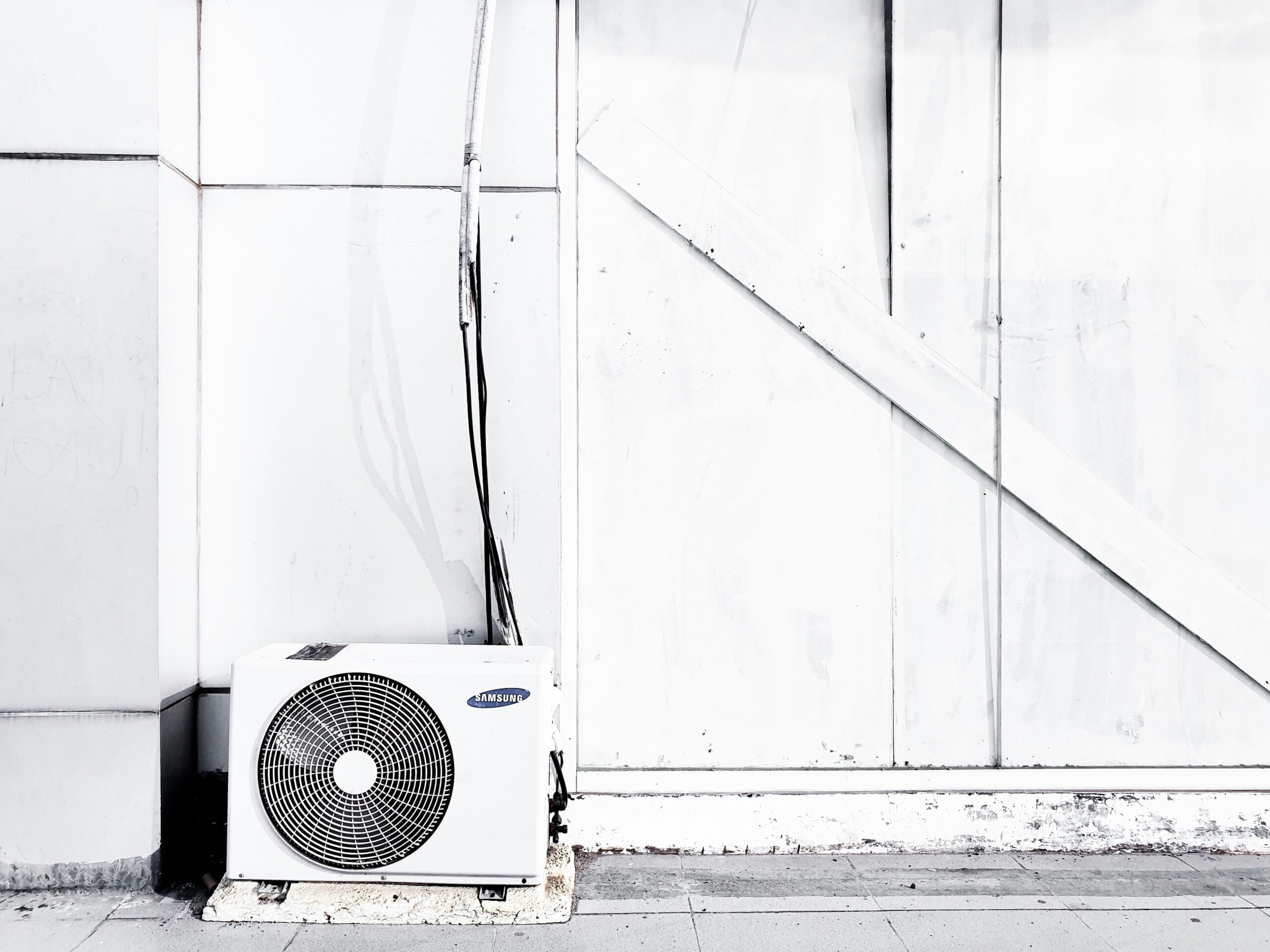
You’ve likely heard the term “heat pump” thrown around in conversations about energy efficiency and sustainable living. Maybe you’ve even considered one for your home. But have you ever stopped to wonder how these remarkable devices actually work? The magic lies in their ability to do something that, at first glance, seems to defy the natural order of things: they reverse heat flow.
Think about it. Heat naturally flows from warmer places to cooler places. That’s a fundamental law of thermodynamics. Your coffee cools down because its heat is transferring to the cooler air around it. Your house gets cold in the winter because the heat inside is escaping to the colder outside. A heat pump, however, can do the opposite. In the winter, it can take the limited heat from the frigid outside air and pump it inside your warm home. And in the summer, it can do the same in reverse, extracting heat from your cool indoor air and expelling it to the hot outside. It’s this ingenious ability to manipulate heat’s direction that makes heat pumps so efficient and versatile.
The Thermodynamics of Flow Control
At its core, a heat pump is a mechanical device that leverages the principles of thermodynamics to move thermal energy from one location to another. Unlike a furnace that generates heat by burning fuel, or an air conditioner that simply expels indoor heat, a heat pump transfers existing heat. This transfer is achieved through a clever cycle involving a refrigerant, a compressor, an expansion valve, and two heat exchangers. Understanding these components and their roles is key to grasping how you, as a user, can manipulate the direction of heat flow to your advantage. The efficiency of this process, and its ability to feel like magic, stems from the fact that it’s far more energy-efficient to move existing heat than to create it from scratch. Think of it like a sophisticated plumbing system for heat, where valves and pumps direct the flow of this invisible energy exactly where you want it to go.
The Refrigerant’s Critical Role
The heart of any heat pump, whether it’s heating your home or cooling it, is the refrigerant. This special fluid possesses unique thermodynamic properties. It can easily change its state from a liquid to a gas and back again at relatively low temperatures and pressures. This ability to absorb and release heat during these phase changes is precisely what makes the heat pump system work. Imagine the refrigerant as a tiny, tireless courier, constantly picking up heat in one location and delivering it to another, all by changing its physical form. The specific type of refrigerant used is crucial for the efficiency and operating range of the heat pump, and advancements in refrigerant technology continue to push the boundaries of what these systems can achieve.
The Compressor: The Driving Force
The compressor is the muscle of the heat pump. It’s an electrically powered device that compresses the refrigerant gas. When a gas is compressed, its pressure and temperature increase significantly. This elevated temperature is crucial for delivering heat to the indoor space during the heating cycle. Conversely, in the cooling cycle, it prepares the refrigerant to release its absorbed heat to the warmer outdoor environment. Think of the compressor as the engine that powers the entire operation, forcing the refrigerant through the system and driving the heat transfer process. Without the compressor’s energy input, the refrigerant would simply circulate without any significant directional heat movement.
The Expansion Valve: A Pressure Drop and Temperature Dive
After being compressed and heated, the refrigerant reaches the expansion valve. This component acts like a bottleneck, causing a sudden and significant drop in the refrigerant’s pressure. This pressure drop has a dramatic effect on its temperature, causing it to plummet. This super-cooled, low-pressure refrigerant is now in a state where it can readily absorb heat from its surroundings. This is a critical step in preparing the refrigerant to pick up the heat you want to move, whether it’s from the outside air in winter or the inside air in summer. It’s a controlled release of energy, setting the stage for the next phase of heat absorption.
Heat pumps are fascinating devices that efficiently transfer heat from one place to another, effectively reversing the natural flow of heat. For a deeper understanding of this process, you can explore the article on Freaky Science, which delves into the mechanics of heat pumps and their applications in both heating and cooling systems. To read more about how heat pumps work and their benefits, visit Freaky Science.
The Unseen Journey of Thermal Energy

The beauty of a heat pump lies in its ability to orchestrate a continuous cycle of evaporation and condensation, always with the goal of moving heat. This cyclical process is what allows you to experience warmth in the dead of winter and coolness during the sweltering heat of summer, all from the same piece of equipment. You are, in essence, using technology to create a temporary “heat fountain” that flows against the natural gradient. The sophistication of this design means that while you control the desired temperature, the system handles the intricate dance of phase changes and pressure shifts to make it happen.
Capturing Winter’s Hidden Warmth
During the heating season, the outdoor unit of your heat pump is the primary focus. Even when the air feels frigid to you, it still contains a significant amount of thermal energy. The cold outdoor air passes over the outdoor coil, which contains the super-cooled refrigerant from the expansion valve. The refrigerant, being much colder than the outside air, readily absorbs the available heat from the air. As it absorbs this heat, the refrigerant begins to evaporate, turning into a low-pressure gas. This is the crucial step of capturing the “hidden” heat from the seemingly cold environment. It’s like a sponge soaking up moisture, but in this case, the sponge is absorbing thermal energy.
The Indoor Coil: Delivering Comfort
The gaseous refrigerant, now warmer after absorbing heat from the outside, travels to the compressor in the indoor unit. The compressor then squeezes this gas, significantly increasing its pressure and temperature. This hot, high-pressure gas then flows through the indoor coil. Here, the warm refrigerant releases its heat to the indoor air, which is being circulated by your home’s ductwork or fan system. As the refrigerant releases its heat, it condenses back into a liquid. This is the moment of comfort – the heat you captured from outside is now being delivered directly into your living space. You feel the warmth because the system has successfully moved thermal energy from a colder source to a warmer destination.
Reversing the Flow for Summer Cooling

The magic doesn’t stop there. The same system that warms your home in winter can be reversed to cool it in summer. This reversal is achieved through a special component called a reversing valve. This clever device essentially flips the direction of the refrigerant flow within the system, allowing the heat pump to perform its cooling function. The fundamental principles of evaporation, compression, and condensation remain, but their locations and purposes are swapped. You are essentially taking your heating system and turning it into a sophisticated air conditioner.
The Outdoor Coil Becomes a Heat Emitter
In the summer, the roles of the indoor and outdoor coils are reversed. The indoor unit now acts as the heat absorber. The cool refrigerant, after passing through the expansion valve, flows through the indoor coil. The warm indoor air is blown over this coil, and the refrigerant absorbs the heat from the air. As it absorbs heat, the refrigerant evaporates into a gas. This process lowers the temperature of the air circulating in your home, providing the cooling effect you desire. You’re essentially drawing heat out of your living space and preparing it for expulsion.
The Indoor Unit Becomes a Heat Sink
The gaseous refrigerant, now laden with heat from your home, travels to the compressor. The compressor increases its pressure and temperature, making it even hotter. This superheated refrigerant then flows to the outdoor unit. Here, it passes through the outdoor coil. The hot refrigerant releases its heat to the even hotter outside air. As it releases heat, the refrigerant condenses back into a liquid. This is the process of expelling the heat from your home into the external environment. The outdoor unit, which was diligently capturing heat in winter, is now working tirelessly to dump unwanted heat.
The Reversing Valve: The Heart of the Flip
The reversing valve is the critical component that allows your heat pump to switch between heating and cooling modes. It’s a compact, electrically controlled valve that directs the flow of the hot, high-pressure refrigerant. By changing the direction of the refrigerant’s journey, the reversing valve ensures that the correct coil acts as the evaporator (absorbing heat) and the other acts as the condenser (releasing heat). Think of it as a traffic controller for your refrigerant, rerouting it precisely to achieve the desired temperature. Without this ingenious valve, your heat pump would be a one-trick pony, either a heater or a cooler, but not both.
Understanding the Cycle Switch
When you set your thermostat to heating, the reversing valve directs the refrigerant flow so that the outdoor coil absorbs heat from the outside air, and the indoor coil releases that heat into your home. When you switch to cooling, the reversing valve changes the refrigerant’s path. Now, the indoor coil absorbs heat from your home’s air, and the outdoor coil expels that heat into the outside environment. This seemingly simple mechanical switch is responsible for the dual functionality of your heat pump, allowing you to enjoy year-round comfort with a single system. It’s this precise control over the refrigerant’s journey that allows you to feel the difference between a warm embrace and a cool breeze.
Understanding how a heat pump reverses the flow of heat can be quite fascinating, especially when considering its applications in both heating and cooling systems. For a deeper dive into the mechanics behind this technology, you might find the article on Freaky Science particularly insightful. It explains the principles of thermodynamics that allow heat pumps to efficiently transfer heat, making them a popular choice for energy-efficient climate control in homes and buildings.
Efficiency and Environmental Benefits: Beyond Basic Functionality
| Component | Function | Role in Reversing Heat Flow | Typical Temperature Range (°C) |
|---|---|---|---|
| Compressor | Compresses refrigerant gas | Increases pressure and temperature of refrigerant to enable heat release | 30 to 90 |
| Expansion Valve | Reduces refrigerant pressure | Allows refrigerant to cool down and absorb heat from environment | 0 to 10 |
| Reversing Valve | Switches refrigerant flow direction | Changes heat pump mode between heating and cooling by reversing flow | N/A |
| Evaporator Coil | Absorbs heat from outside air | Acts as heat absorber in heating mode, heat releaser in cooling mode | -10 to 15 |
| Condenser Coil | Releases heat inside building | Acts as heat releaser in heating mode, heat absorber in cooling mode | 30 to 50 |
| Refrigerant | Heat transfer medium | Circulates through system carrying heat by phase changes | Varies by state: -40 to 90 |
The ability of a heat pump to reverse heat flow isn’t just a neat technological trick; it’s the foundation of its remarkable energy efficiency and environmental benefits. By moving existing heat rather than generating it, heat pumps consume significantly less energy than traditional heating and cooling systems, especially when compared to electric resistance heating or fossil fuel furnaces. This reduced energy consumption translates directly into lower utility bills for you, the homeowner, and a smaller carbon footprint for your household. You are not just passively receiving comfort; you are actively participating in a more sustainable energy future.
Minimizing Your Energy Footprint
The core principle that drives heat pump efficiency is the coefficient of performance (COP) for heating and the energy efficiency ratio (EER) for cooling. These metrics measure how much heating or cooling output you get for each unit of electrical energy consumed. Because heat pumps move heat rather than create it, their COP can be 3 or even 4, meaning they can deliver 3 or 4 units of heat for every 1 unit of electricity used. This is a dramatic improvement over electric resistance heaters, which have a COP of 1. This fundamental difference in how heat is delivered is why heat pumps are considered a cornerstone of green building and energy-efficient homes. You are, in effect, getting “free” heat from the environment, only paying for the energy to move it.
Reducing Reliance on Fossil Fuels
By electrifying your heating and cooling, you can significantly reduce your reliance on fossil fuels like natural gas or oil. This is not only beneficial for your personal energy security but also for the broader environment. As electricity grids become cleaner with increasing renewable energy sources, the environmental benefits of heat pumps become even more pronounced. You are contributing to a cleaner planet by choosing a system that can be powered by the sun and wind. This transition away from combustion-based heating is a critical step in addressing climate change, and heat pumps are a vital part of that solution. You are making a conscious choice to support a more sustainable energy ecosystem.

Your AC Blows Hot Air Outside. Is That Heat From Your Room?
FAQs
1. How does a heat pump reverse the flow of heat?
A heat pump reverses the flow of heat by using a reversing valve that changes the direction of the refrigerant flow within the system.
2. What is the purpose of reversing the flow of heat in a heat pump?
Reversing the flow of heat allows a heat pump to provide both heating and cooling functions by extracting heat from the outside air (or ground) and transferring it inside during the winter, and vice versa during the summer.
3. How does a heat pump extract heat from the outside air?
A heat pump uses a refrigerant to absorb heat from the outside air through an outdoor coil. The refrigerant then carries the heat inside where it is released through an indoor coil to heat the indoor space.
4. What role does the compressor play in reversing the flow of heat in a heat pump?
The compressor in a heat pump pressurizes the refrigerant, which increases its temperature. This allows the refrigerant to absorb heat from the outside air during the heating mode and release heat to the outside air during the cooling mode.
5. Are there different types of heat pumps that reverse the flow of heat?
Yes, there are different types of heat pumps, including air source heat pumps, ground source (geothermal) heat pumps, and water source heat pumps, all of which use the same principle of reversing the flow of heat to provide heating and cooling.