The Invisible Journey: How Your Air Conditioner Conquers Heat
Imagine a sweltering summer day. The sun beats down relentlessly, the asphalt shimmers, and the air hangs thick and heavy. You retreat indoors, seeking sanctuary. You flip a switch, and a magical transformation begins. A cool, refreshing breeze whispers through your home, chasing away the oppressive heat. But how does this marvel of engineering work? You might think of fans and cool air being blown out, but the reality of how heat moves through an air conditioner is a fascinating dance of physics and chemistry, a carefully orchestrated ballet of evaporation and condensation. It’s not about creating cold, but about masterfully removing heat from your living space.
Your air conditioner, at its core, is a sophisticated heat pump. It doesn’t generate cold; instead, it employs a special fluid – a refrigerant – to absorb heat from your indoor air and then expel that heat outside. This process relies on a fundamental principle: heat always flows from a warmer object to a cooler object. Your air conditioner exploits this natural tendency, but it does so in a way that reverses the usual flow, making your home the cooler destination. To understand this intricate process, you need to delve into the core components of your AC unit and the thermodynamic principles that govern their operation.
The journey of heat removal is a cyclical one, a continuous loop that ensures your comfort. It begins with the refrigerant, a substance with a very low boiling point. This unique property allows it to easily transition between a liquid and a gas state at the temperatures encountered within your air conditioner. This change of state is the key to its heat-moving prowess, as it requires or releases significant amounts of energy. Understanding these states and the energy transfers associated with them is crucial to grasping the “magic” of your air conditioner.
Understanding how heat travels through an air conditioner is crucial for optimizing its efficiency and performance. For a deeper dive into the science behind air conditioning systems and their mechanisms, you can refer to a related article on Freaky Science that explores various principles of thermodynamics and heat transfer. This resource provides valuable insights that can enhance your knowledge of how air conditioners work and the factors that influence their effectiveness. For more information, visit Freaky Science.
The Heart of the Operation: Understanding the Refrigerant Cycle
The entire operation of your air conditioner hinges on the refrigerant and its ability to change states. This is where the real work of heat transfer happens. Think of the refrigerant as a heat courier, constantly picking up unwanted heat from your home and depositing it outside. This courier undergoes a series of transformations – from liquid to gas and back again – at different pressures and temperatures, each step facilitated by specific components within your AC system.
## Evaporation: The Cooling Embrace Indoors
The first critical stage of heat removal occurs within your home, at the evaporator coil. This is the part of your air conditioner you can typically see inside your living space, often located in the air handler unit. As warm, stale air from your rooms is drawn across the evaporator coil by your home’s fan, something remarkable happens. The refrigerant, in its liquid state but at a very low pressure, flows through the tiny tubes of the coil. Because its boiling point is so low, the surrounding warm air readily transfers its heat to the refrigerant. This heat energy causes the liquid refrigerant to evaporate, transforming into a low-pressure gas.
This evaporation process is endothermic, meaning it absorbs heat from its surroundings. In this case, the surroundings are the warm air circulating through your home. As the refrigerant absorbs this heat, the air passing over the coil cools down significantly. This cooled air is then blown back into your rooms, creating that refreshing chill you experience. The evaporator coil essentially acts like a sponge, soaking up the heat from your indoor environment. The more efficiently this evaporation can happen, the more heat your air conditioner can remove, and the cooler your home will become. Factors like the surface area of the coil, the airflow across it, and the purity of the refrigerant all play a role in this efficiency.
## Compression: Boosting the Refrigerant’s Energy
Once the refrigerant has absorbed heat and transformed into a low-pressure gas at the evaporator coil, its journey continues. It then travels to the compressor, typically located in the outdoor unit of your air conditioner. The compressor is the powerhouse of the system, a robust mechanical component that does exactly what its name suggests: it compresses the gaseous refrigerant. This compression significantly increases both the pressure and the temperature of the refrigerant gas.
Think of it like squeezing a sponge full of water. When you compress the refrigerant gas, you force its molecules closer together, increasing the energy within the gas. This increased energy manifests as a rise in temperature. By the time the refrigerant leaves the compressor, it’s a hot, high-pressure gas. This step is crucial because it prepares the refrigerant to release the heat it has absorbed. Without the compressor, the refrigerant would remain at a low pressure and temperature, unable to effectively shed the heat it collected from your home. The compressor is a vital piece of the puzzle, acting as a sort of amplifier for the refrigerant’s thermal energy.
## Condensation: Releasing Heat to the Outdoors
Now a hot, high-pressure gas, the refrigerant flows to the condenser coil, which is also located in the outdoor unit of your air conditioner. This coil is exposed to the ambient outdoor air, which, even on a hot day, is generally cooler than the superheated refrigerant gas. A fan in the outdoor unit blows outside air across the condenser coil. Because the refrigerant is now much hotter than the surrounding air, heat readily transfers from the refrigerant to the outside air.
As the refrigerant loses heat, it begins to condense, transforming back from a gas into a high-pressure liquid. This condensation process is exothermic, meaning it releases heat. This is the step where your air conditioner actually expels the heat it “stole” from your home into the environment. The fins on the condenser coil are designed to maximize surface area, allowing for efficient heat transfer to the outside air. If the condenser coil becomes dirty or blocked, this heat dissipation becomes much less effective, leading to reduced cooling performance and potential strain on the unit.
## Expansion: Preparing for the Next Cooling Cycle
The final crucial step in the refrigerant cycle brings the refrigerant back to its initial state, ready to begin the cooling process anew. After condensing into a high-pressure liquid in the condenser coil, the refrigerant flows through an expansion valve (also known as a throttling valve or capillary tube). This valve is a precisely engineered restriction that significantly reduces the pressure of the liquid refrigerant.
As the high-pressure liquid refrigerant is forced through this restriction, its pressure drops dramatically. This sudden drop in pressure causes the refrigerant to become much colder and partially vaporize, effectively preparing it for the next round of heat absorption at the evaporator coil. It’s like letting go of a pressurized spray can; the liquid inside expands and cools rapidly. This expansion prepares the refrigerant to be a very cold liquid again, ready to absorb heat from your indoor air. This completes the cycle, and the refrigerant, now a cold, low-pressure mixture of liquid and vapor, flows back to the evaporator coil, ready to start the process of cooling your home all over again.
The Role of Airflow: The Unsung Hero
While the refrigerant cycle is the engine of heat removal, it’s the constant and controlled movement of air that makes it all happen. You might not give it much thought, but the fans within your air conditioner are absolutely critical. Without proper airflow, the refrigerant wouldn’t be able to effectively absorb heat indoors or release it outdoors.
## Indoor Air Circulation: Drawing in the Heat
Your air conditioner has a fan, typically part of the indoor air handler unit, that continuously draws warm air from your home into the system. This air passes over the cold evaporator coil. The greater the volume of air that passes over the coil and the more consistent the airflow, the more heat the refrigerant can absorb. A clean air filter is paramount here. A clogged filter restricts airflow, making it harder for the fan to pull air across the coil, significantly reducing cooling efficiency and potentially damaging the system.
## Outdoor Air Exchange: Dissipating the Heat
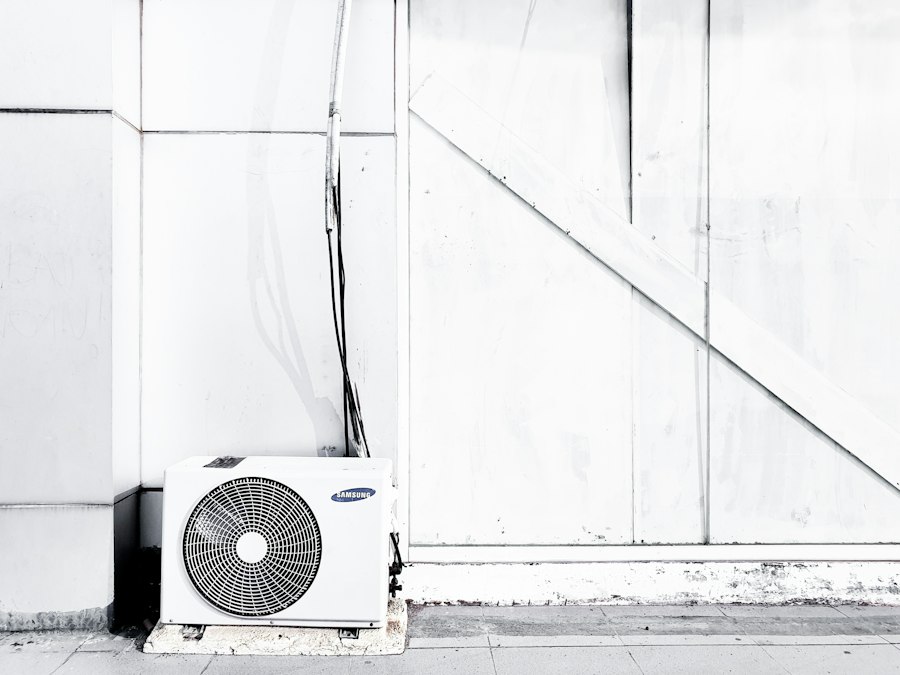
Similarly, the outdoor unit of your air conditioner has a fan that pulls in ambient air and blows it across the hot condenser coil. This fan’s job is to carry away the heat that the refrigerant is releasing. If this fan isn’t working properly or if the condenser coil is obstructed by debris, the heat cannot be effectively dissipated, and the refrigerant’s temperature and pressure will rise, making it less efficient at cooling your home. You’ll often hear the outdoor unit’s fan running when your AC is actively cooling, a testament to its vital role.
The Importance of Maintenance: Keeping the System Efficient
Like any complex mechanical system, your air conditioner requires regular maintenance to function optimally. Neglecting this can lead to decreased efficiency, higher energy bills, and premature system failure. Understanding how heat moves through your AC highlights why certain maintenance tasks are so important.
## Cleaning Coils: Maximizing Heat Transfer
Both the evaporator coil (indoors) and the condenser coil (outdoors) are critical for efficient heat transfer. Over time, they can accumulate dust, dirt, pollen, and other debris. A dirty evaporator coil can’t absorb heat as effectively, meaning your home won’t cool down as quickly or as much. A dirty condenser coil can’t release heat efficiently, forcing the system to work harder and potentially overheat. Regular professional cleaning of these coils ensures that heat can move freely into and out of the refrigerant.
## Checking Refrigerant Levels: The Lifeblood of the System
Refrigerant is the medium through which heat is transported. If your system has a leak and the refrigerant level is low, the entire heat transfer process is compromised. The system won’t be able to absorb enough heat indoors, and it might even freeze up. Professionals will check refrigerant levels as part of routine maintenance and repair any leaks. It’s important to remember that refrigerant is not consumed like fuel; if your system is low on refrigerant, it’s almost always an indication of a leak that needs to be fixed.
Understanding how heat travels through an air conditioner is essential for grasping the principles of HVAC systems. In an air conditioning unit, heat is absorbed from the indoor air and expelled outside, creating a cooler environment indoors. This process involves the refrigerant circulating through various components, including the evaporator and condenser coils. For a deeper dive into the science behind this process, you can check out a related article that explores the fundamentals of heat transfer and its applications in everyday technology. To learn more, visit this informative page.
Beyond the Basics: Factors Influencing Heat Transfer
| Metric | Description | Typical Value/Range |
|---|---|---|
| Heat Transfer Method | How heat moves through the air conditioner | Conduction, Convection, and Refrigeration Cycle |
| Refrigerant Type | Fluid used to absorb and release heat | R-410A, R-32, R-22 (phasing out) |
| Evaporator Temperature | Temperature at which refrigerant absorbs heat inside the room | 5°C to 10°C (41°F to 50°F) |
| Condenser Temperature | Temperature at which refrigerant releases heat outside | 35°C to 50°C (95°F to 122°F) |
| Heat Absorbed (Cooling Capacity) | Amount of heat removed from indoor air | 1.5 kW to 5 kW (typical residential units) |
| Compressor Work | Energy used to compress refrigerant and move heat | 0.5 kW to 2 kW |
| Airflow Rate | Volume of air moved over evaporator coil | 300 to 600 cubic feet per minute (CFM) |
| Heat Transfer Coefficient (Evaporator) | Efficiency of heat transfer at evaporator coil | 50 to 150 W/m²·K |
| Heat Transfer Coefficient (Condenser) | Efficiency of heat transfer at condenser coil | 100 to 250 W/m²·K |
While the core principles of the refrigerant cycle and airflow remain the same, several external factors can influence how effectively your air conditioner removes heat. Understanding these can help you optimize your system’s performance and your home’s comfort.
## Ambient Temperature: The Outdoor Challenge
The efficiency of your air conditioner is directly impacted by the outdoor temperature. On extremely hot days, the temperature difference between the refrigerant in the condenser coil and the outside air is smaller. This makes it harder for the refrigerant to release its heat, forcing the compressor to work harder. This is why your AC might struggle to keep up on the hottest days, and why energy efficiency ratings are often given at specific temperature differentials.
## Humidity: A Silent Heat Thief
Humidity plays a significant role in perceived temperature and can affect your air conditioner’s performance. While the primary function is cooling, your AC also dehumidifies the air as a byproduct of the cooling process. As warm, moist air passes over the cold evaporator coil, water vapor condenses out of the air. This removal of moisture requires energy, which further contributes to the cooling effect. However, very high humidity can make the air feel more oppressive and can sometimes make it harder for the AC to keep up, as it has to work harder to remove both heat and moisture.
In essence, your air conditioner is a master of thermodynamic manipulation. It doesn’t magically create cold; it expertly orchestrates a process of heat absorption, compression, rejection, and expansion, all powered by the phase changes of a specialized refrigerant. By understanding this intricate dance, you can better appreciate the technology that keeps you comfortable and recognize the importance of proper care and maintenance to ensure its continued efficient operation. You’re not just getting cool air; you’re witnessing a sophisticated system actively working to make your indoor environment a haven from the heat.
