The Magic of Electrophoresis: How Electronic Paper Comes to Life
The experience of reading a physical book is deeply ingrained in human culture. The weight of the pages, the subtle scent of ink and paper, the satisfying flip of a leaf – these are tactile and sensory elements that contribute to a unique form of engagement. For centuries, this was the only way to consume written content. However, the advent of digital technology has introduced a new contender for our literary affections: the e-reader, and at its heart lies a remarkable technology known as electronic paper, or e-paper. Unlike the glowing screens of smartphones and tablets that emit light, e-paper aims to mimic the appearance of ink on paper, offering a comfortable and distraction-free reading experience. Understanding how this seemingly simple display technology works reveals a fascinating interplay of physics, chemistry, and engineering.
At its core, electronic paper is a type of display that relies on the controlled movement of charged particles to create an image. This is fundamentally different from Liquid Crystal Displays (LCDs) or Organic Light-Emitting Diodes (OLEDs), which generate light to form pixels. E-paper, in contrast, reflects ambient light, just like traditional paper. This reflective nature is a key factor in its readability, especially in bright sunlight where emissive displays can be washed out. The technology is constantly evolving, with manufacturers striving to improve refresh rates, color reproduction, and power efficiency, but the underlying principles remain consistent across various e-paper implementations. The magic happens within a thin film containing millions of microscopic capsules, each acting as a tiny ink droplet.
Electronic paper, often referred to as e-paper, is a display technology that mimics the appearance of ink on paper, providing a more comfortable reading experience compared to traditional screens. This innovative technology works by using tiny microcapsules filled with charged black and white particles that can be manipulated to create images and text. For a deeper understanding of the principles behind electronic paper and its applications, you can explore a related article at Freaky Science.
The Microencapsulated Marvel: The Building Blocks of E-Paper
The most prevalent form of electronic paper technology is based on microencapsulation. Imagine a vast canvas of microscopic bubbles, each no larger than a human hair. These tiny spheres, known as microcapsules, are the fundamental units that create the image on an e-paper display. Within each microcapsule, a complex dance of charged particles takes place, controlled by an electrical signal. The composition of these microcapsules and the behavior of their contents are what give e-paper its distinctive characteristics.
The Electrophoretic Principle: Charged Particles in Motion
The underlying principle that governs the operation of most e-paper displays is electrophoresis. This phenomenon describes the movement of charged particles or molecules in a fluid medium when subjected to an electric field. In the context of e-paper, the microcapsules are filled with a clear fluid containing microscopic particles. These particles are typically white and black, and they are each given a specific electrical charge.
The white particles are usually positively charged, while the black particles are negatively charged, or vice-versa, depending on the specific design of the e-paper. The microcapsule itself is suspended in a medium that allows these particles to move freely. When an electric voltage is applied to the display, it creates an electric field across the microcapsules. This electric field then exerts a force on the charged particles, causing them to move.
For example, if a positive voltage is applied to a region of the display, the negatively charged black particles will be attracted to that area, while the positively charged white particles will be repelled. Conversely, if a negative voltage is applied, the white particles will move to the surface. By precisely controlling the voltage applied to different areas of the display, the e-paper can selectively move the black and white particles to the front or back surface of the microcapsules. This movement is what creates the visible image, forming letters, shapes, and patterns.
Pigment Particles: The Ink of the Digital Age
The “ink” in electronic paper is not traditional ink but rather microscopic pigment particles suspended within the fluid of each microcapsule. These particles are carefully engineered to have specific optical properties and electrical charges. The most common e-paper designs utilize two types of particles: white and black. The white particles are typically made of titanium dioxide, a pigment known for its brightness and opacity. The black particles are often carbon-based pigments, chosen for their ability to absorb light and create a distinct contrast.
The size and distribution of these pigment particles are critical to the performance of the e-paper. They must be small enough to remain suspended within the microcapsule without settling and large enough to be easily manipulated by the electric field. The precise coloration and opacity of these particles contribute to the overall contrast and brightness of the display, influencing how closely it resembles printed paper.
The Microcapsule Shell: A Protective Barrier
The microcapsule itself is a marvel of material science. Each tiny sphere is typically made of a polymer shell that is both strong and flexible. This shell serves several crucial functions. Firstly, it contains the fluid and pigment particles, preventing them from mixing with neighboring microcapsules or leaking out of the display. This isolation is essential for maintaining the sharpness and integrity of the image.
Secondly, the shell needs to be able to withstand the electrical forces applied during operation. While the electrical fields are not exceptionally strong, repeated manipulation of the particles within the capsules requires a robust yet compliant barrier. The thickness and material composition of the microcapsule shell are carefully optimized to ensure durability and responsiveness. The manufacturing process for creating these uniform and stable microcapsules is a complex undertaking, involving specialized techniques to ensure consistent size, shape, and integrity across millions, even billions, of units.
Layer by Layer: Assembling the E-Paper Display
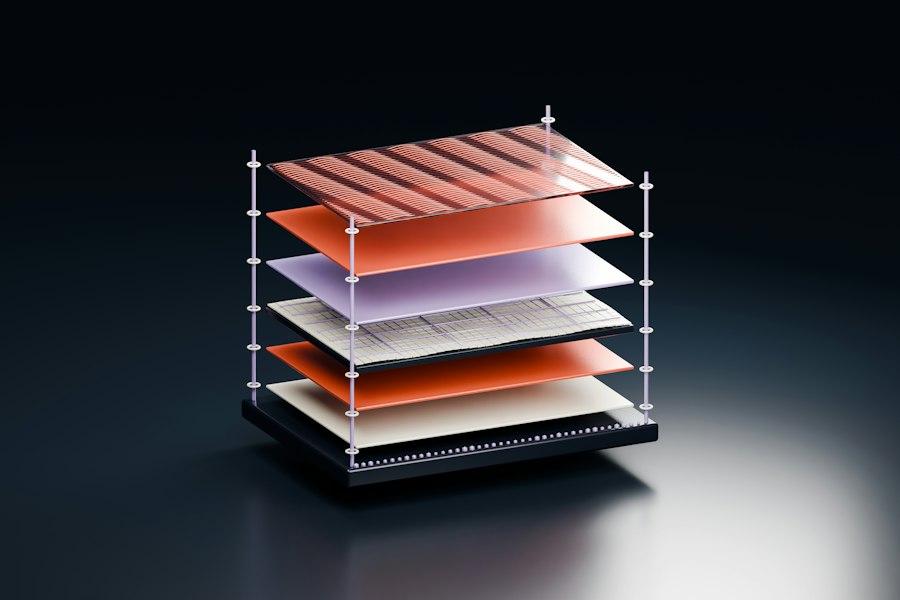
Creating a functional e-paper display involves more than just the microcapsules. These microscopic ink wells are integrated into a sophisticated layered structure, where each component plays a vital role in controlling the image and protecting the display. The precise arrangement and interaction of these layers are key to the performance and longevity of the e-reader.
The Electrode Grid: Directing the Electric Field
Beneath the microcapsule layer lies a crucial component: the electrode grid. This grid is a network of transparent electrodes, typically made of Indium Tin Oxide (ITO), which are patterned to form individual pixels. Each pixel on the e-paper display corresponds to a specific electrode or a group of electrodes. When an electrical signal is sent from the e-reader’s processor, it is directed to these electrodes.
The electrodes act as the conductors that generate the electric fields necessary to move the charged pigment particles within the microcapsules. By applying a positive or negative voltage to specific electrodes, the display controller can precisely dictate which particles move to the front (visible) surface of the microcapsule. The pattern and density of the electrode grid directly influence the resolution and sharpness of the displayed image. Higher resolution displays require a more intricate and densely packed electrode grid.
The Backplane and Driving Circuitry: The Brains of the Operation
The electrode grid is supported by a backplane, which often includes thin-film transistors (TFTs) for active-matrix displays. In active-matrix e-paper, each pixel has its own transistor that acts as a switch, allowing for individual control of each pixel. This enables faster refresh rates and more complex image rendering compared to passive-matrix displays.
The driving circuitry, the electronic components that generate and control the electrical signals, is the “brain” of the e-paper display. This circuitry interprets the digital information from the e-reader’s processor and translates it into the precise voltage sequences required to manipulate the pigment particles. The efficiency and speed of this driving circuitry are critical for the overall responsiveness of the e-reader, particularly when turning pages or navigating menus.
Protective Layers: Ensuring Durability and Clarity
To ensure the longevity and readability of the e-paper display, several protective layers are incorporated into the assembly. A transparent protective layer, often made of plastic or specialized glass, is placed on top of the microcapsule layer. This layer shields the delicate e-paper from physical damage, such as scratches and impacts. It also provides a smooth surface for touching and interacting with the device.
Beneath the microcapsule layer, and often between the electrodes and the backplane, additional layers of insulating materials and substrates are present. These layers prevent electrical shorts and ensure the structural integrity of the entire display assembly. The choice of materials for these protective layers is crucial, as they must be optically clear, durable, and compatible with the underlying electronic components. The overall thickness of the e-paper module is carefully managed to keep the devices slim and lightweight.
The Nuances of Display: Refresh Rates, Color, and Power
While the fundamental principle of electrophoretic displays is impressive, achieving a truly user-friendly experience involves overcoming certain technical challenges. The inherent properties of e-paper present unique advantages and disadvantages, particularly in terms of refresh rates, color capabilities, and power consumption. Manufacturers are constantly innovating to enhance these aspects, pushing the boundaries of what e-paper can achieve.
The “Ghosting” Effect and Refresh Rates
One of the most noticeable characteristics of early e-paper displays was their relatively slow refresh rate. This means that it took a noticeable amount of time for the image to fully update when changing content, such as turning a page. The slow movement of pigment particles within the microcapsules is the reason for this. This can lead to a phenomenon known as “ghosting,” where faint remnants of previous images linger on the screen.
To mitigate ghosting, many e-readers employ a full screen flash or inversion before displaying the new page. This brief flash of black or white clears the screen of any residual images, allowing for a cleaner display of the next page. While effective, this flashing can be slightly jarring to the user. Modern e-paper technologies have made significant strides in improving refresh rates, making page turns much faster and ghosting less pronounced, though often still present to some degree, especially for rapid animations. This ongoing improvement is crucial for a more fluid reading experience.
The Quest for Color E-Paper
For a long time, e-paper technology was primarily limited to monochrome displays, offering only black and white or shades of gray. This was due to the difficulty of producing colored pigment particles that could be reliably manipulated by electric fields and maintain good color saturation. However, recent advancements have introduced color e-paper displays, opening up new possibilities for e-readers and other applications.
Several approaches are being used to achieve color in e-paper. One method involves incorporating color filters over a monochrome e-paper display. Another, more advanced technique, is to use microcapsules that contain colored particles instead of just black and white. These colored particles, often red, green, and blue (RGB), are also electrostatically controlled, allowing for the creation of a full spectrum of colors by mixing and layering them. While color e-paper is still evolving and often has lower color saturation and slower refresh rates than emissive color displays, it offers a significant advantage in terms of readability in bright light and extremely low power consumption, making it ideal for certain niche applications like digital signage and specialized e-readers.
The Power-Saving Advantage: A Key Selling Point
The most significant advantage of e-paper technology is its incredibly low power consumption. Because e-paper is a reflective display, it only requires power when the image is being changed. Once an image is set on the screen, it remains there without consuming any electricity. This is a stark contrast to LCD and OLED displays, which require a continuous power supply to illuminate their pixels.
This power-saving characteristic is what allows e-readers to offer weeks, and sometimes even months, of battery life on a single charge, even with regular use. This extended battery life is a major draw for avid readers who can take their devices on long trips without worrying about finding a power outlet. The ability to hold an image statically for extended periods also makes e-paper ideal for applications where information needs to be displayed continuously, such as electronic shelf labels, public information displays, and digital signage. The minimal power requirement contributes to the overall sustainability of e-readers.
Electronic paper, often referred to as e-paper, operates using a technology that mimics the appearance of traditional ink on paper, providing a comfortable reading experience while consuming minimal power. This innovative display technology utilizes tiny microcapsules filled with black and white particles that respond to electric fields, allowing for the formation of text and images. For a deeper understanding of the principles behind electronic paper and its applications, you can explore this insightful article on Freaky Science, which delves into the fascinating mechanics and future potential of e-paper technology.
Beyond Books: The Expanding Horizons of E-Paper Applications
| Component | Description | Function | Typical Metrics |
|---|---|---|---|
| Microcapsules | Small capsules containing positively charged white particles and negatively charged black particles suspended in a clear fluid | Particles move to the top or bottom of the capsule to display black or white pixels | Diameter: 40-100 micrometers |
| Electrodes | Transparent electrodes on the front and back of the display | Apply electric fields to move charged particles within microcapsules | Voltage: 15-30 V |
| Reflective Display | Uses ambient light instead of backlight | Improves readability and reduces power consumption | Reflectance: 30-40% |
| Refresh Rate | Time taken to update the display content | Controls how fast the image changes | Typical: 0.5 – 1 second per full refresh |
| Power Consumption | Energy used to change the display image | Very low, only during image update | Standby: near 0 mW; Update: 10-50 mW |
| Contrast Ratio | Difference between black and white states | Determines readability and clarity | Typically 10:1 to 15:1 |
The innovative nature of electronic paper extends far beyond the confines of the traditional e-reader. Its unique combination of readability, low power consumption, and flexibility is paving the way for its integration into a diverse range of applications, transforming how we interact with information in various aspects of our lives.
Smart Cards and Wearable Technology
The ability of e-paper to display static information with negligible power drain makes it an excellent candidate for smart cards and wearable devices. Imagine a credit card with an e-paper display that can dynamically update your balance or loyalty points. Similarly, smartwatches and fitness trackers can benefit from e-paper displays for their always-on readability and extended battery life, particularly for displaying essential information like time, step counts, or notifications. This allows for devices that can last significantly longer between charges, enhancing user convenience and reducing the frequency of charging.
Digital Signage and Public Information Displays
E-paper displays are increasingly being adopted for digital signage and public information applications. Unlike traditional digital screens that require constant power and can be difficult to read in direct sunlight, e-paper offers excellent contrast and visibility in bright environments. Furthermore, its ability to hold images without power makes it ideal for static advertisements, directional signs, and public transportation schedules that don’t need to change frequently. This not only reduces energy consumption but also simplifies maintenance, as the displays can remain powered down for extended periods.
Electronic Shelf Labels and Inventory Management
In retail environments, e-paper is revolutionizing the way prices and product information are displayed. Electronic Shelf Labels (ESLs) powered by e-paper can be updated wirelessly and instantly, eliminating the need for manual price changes and reducing the risk of errors. This allows for dynamic pricing strategies, real-time inventory updates, and personalized promotions directly at the point of sale. The low power requirements of ESLs mean that batteries can last for years, further streamlining operations and reducing waste. This technology also extends to inventory management, where e-paper tags can provide real-time location data for goods.
The Future of E-Paper: Innovations and Evolution
The journey of electronic paper is far from over. Researchers and engineers are continuously pushing the boundaries of this technology, seeking to enhance its performance, expand its capabilities, and unlock new potential applications. The future promises even more sophisticated and versatile e-paper solutions that will further blur the lines between the digital and physical worlds.
Enhanced Refresh Rates and Reduced Ghosting
The pursuit of faster refresh rates and the complete elimination of ghosting remains a primary focus for e-paper development. Innovations in microcapsule design, particle physics, and driving circuitry are all contributing to this goal. Advancements in materials science may lead to more responsive charged particles or improved fluid dynamics within the microcapsules, allowing for quicker transitions between images. Future e-paper displays are expected to rival the speed of conventional screens for basic operations, making interactions feel more immediate and seamless.
Improved Color Fidelity and New Color Technologies
While color e-paper has made significant progress, further improvements in color saturation, vibrancy, and color gamut are anticipated. The development of new color pigment technologies and more sophisticated color mixing algorithms will play a crucial role. Researchers are exploring novel materials and deposition techniques to create more efficient and brilliant colored electrophoretic particles. This will enable the creation of e-readers and other devices that can display richer and more lifelike images, making them suitable for a wider range of content, including magazines, comics, and graphic novels.
Flexible and Rollable Displays
The inherent thinness and flexibility of e-paper technology open up exciting possibilities for truly flexible and even rollable displays. Imagine electronic paper that can be rolled up like a newspaper or folded to fit into a pocket. This would revolutionize the design of portable electronic devices, allowing for more adaptable form factors and new modes of interaction. The development of flexible substrates and robust encapsulation techniques is key to realizing these groundbreaking applications. Such advancements could lead to a new generation of ultra-portable and versatile reading devices and information displays.
Integration with Emerging Technologies
The future of e-paper is also intertwined with the integration of other emerging technologies. For instance, its low power consumption makes it an ideal display for the Internet of Things (IoT). Imagine smart home devices, industrial sensors, or even agricultural monitors that can display vital information using e-paper without needing frequent battery replacements. Furthermore, advancements in touch sensing technology, combined with improved e-paper capabilities, could lead to more intuitive and interactive interfaces for a multitude of devices. The ongoing evolution of e-paper promises to redefine how we consume and interact with information in an increasingly digital world.

Why Your Kindle Screen Doesn’t Work the Way You Think
FAQs
How does electronic paper work?
Electronic paper, also known as e-paper, uses tiny microcapsules filled with positively charged white particles and negatively charged black particles. When an electric field is applied, the particles move to the top of the microcapsules, creating a visible image.
What are the advantages of electronic paper?
Electronic paper offers benefits such as low power consumption, high visibility in various lighting conditions, flexibility, and the ability to maintain an image without continuous power.
Can electronic paper display color?
Yes, electronic paper can display color by using color filters or by incorporating colored particles in the microcapsules. However, color e-paper typically has slower refresh rates compared to black and white e-paper.
Is electronic paper the same as e-ink?
Electronic paper and e-ink are often used interchangeably, but e-ink is a specific type of electronic paper technology developed by E Ink Corporation. E-ink uses microencapsulated electrophoretic technology to display images.
How durable is electronic paper?
Electronic paper is known for its durability, with the ability to withstand bending and flexing without damage. This makes it suitable for applications such as e-readers, electronic shelf labels, and smart clothing.