The allure of a physical book – the weight in your hands, the scent of paper, the tactile experience of turning a page – has long been a cherished ritual for readers. Yet, the digital age has presented a compelling alternative: the e-reader. These devices, designed to mimic the reading experience of paper, have revolutionized how we consume literature and information. At the heart of this revolution lies a sophisticated technology: the e-reader screen. Unlike the glowing, backlit displays of smartphones and tablets, e-reader screens offer a distinct, paper-like appearance, characterized by their ability to be read in bright sunlight and their minimal impact on eye strain. Understanding how these displays achieve this remarkable feat unlocks an appreciation for the ingenuity that bridges the gap between the traditional and the digital. This article delves into the technology behind e-reader screens, exploring the principles of electrophoretic ink, the components that bring these displays to life, and the advancements that continue to refine this unique reading experience.
The Magic of E-Ink: Electrophoretic Displays Explained
The cornerstone of almost every modern e-reader is the electrophoretic display (EPD), commonly known by its proprietary name, E Ink. This technology diverges significantly from the emissive displays found in most electronic devices, which generate their own light. Instead, EPDs are reflective, meaning they rely on ambient light to illuminate the text, much like a printed page. This fundamental difference is the primary reason why e-reader screens look so much like paper and are comfortable for extended reading sessions.
Microcapsules: The Tiny Ink Droplets
At the core of an EPD are millions of microscopic capsules, each roughly the diameter of a human hair. These microcapsules are suspended in a thin film, and within each capsule, a complex interplay of physics and chemistry takes place. Inside each microcapsule are two types of charged particles: dark pigment particles (often black) and light pigment particles (typically white). These particles are suspended in a clear fluid, and their movement is dictated by electrostatic forces.
Charged Particles and Electrodes: Controlling the Display
The magic truly happens when an electric field is applied to these microcapsules. The EPD screen is made up of a grid of tiny electrodes. When a voltage is applied to a specific electrode, it creates an electric field that influences the charged particles within the microcapsules directly above it.
If the electrode is positively charged, it will attract the negatively charged dark particles and repel the positively charged white particles, causing the dark particles to rise to the surface of the microcapsule. This makes that area of the screen appear dark, forming a letter or a part of an image. Conversely, if the electrode is negatively charged, it will attract the positively charged white particles and repel the negatively charged dark particles. The white particles then move to the surface, making that area appear white.
By precisely controlling the charge applied to each electrode in the grid, the e-reader can selectively move the dark and white particles within millions of microcapsules to form any desired image or text. This is how a static image, once rendered, can remain on the screen without requiring continuous power. This is a key differentiator from LCD or OLED displays, which require constant power to maintain an image.
Bistability: The Power-Saving Advantage
A crucial characteristic of electrophoretic ink is its bistability. This means that once the particles are moved to a certain position – whether to display black text on a white background or vice versa – they will remain in that position even after the electric field is removed. This “memory” effect is what allows e-readers to consume so little power. The device only needs energy when it’s actively changing the display – when you turn a page or refresh the screen. This is why an e-reader can last for weeks on a single charge, a feat unimaginable for a tablet or smartphone with similar screen usage.
E-reader screens utilize advanced technology to provide a reading experience that mimics traditional paper, making them easier on the eyes and more comfortable for extended reading sessions. For a deeper understanding of how these screens function, you can explore a related article that delves into the intricacies of e-ink technology and its advantages over conventional displays. To learn more, visit this article.
The Building Blocks of an E-Reader Display
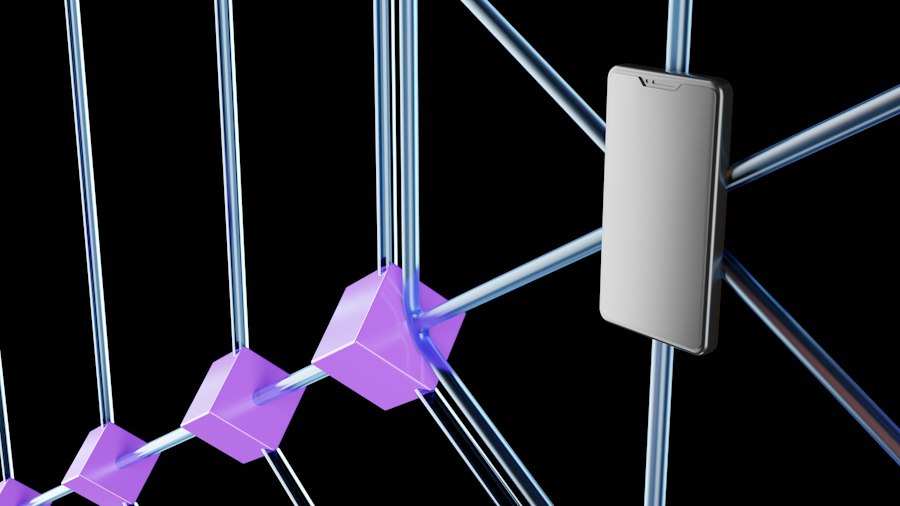
While the electrophoretic ink is the star of the show, a functional e-reader screen is a complex assembly of several integrated layers, each playing a vital role in bringing the paper-like display to life. These components work in concert to control the movement of the ink particles, manage power, and ensure a smooth user experience.
The Substrate: The Foundation of the Display
The very bottom layer of an e-reader display is the substrate. Traditionally, this has been a rigid glass panel. However, as manufacturers strive for lighter and more flexible devices, plastic substrates are becoming increasingly common. The substrate provides a stable base upon which the subsequent layers are built. Its importance lies in its structural integrity and its ability to withstand the manufacturing processes involved in creating the intricate electrode patterns.
The Electrode Layer: The Control Grid
Directly above the substrate lies the electrode layer. This is a meticulously patterned layer of conductive material, usually indium tin oxide (ITO) or a similar transparent conductor. This layer is divided into a grid of individual electrodes, each corresponding to a specific pixel or sub-pixel on the display. The precise arrangement and conductivity of these electrodes are critical for accurately applying the electric fields that manipulate the electrophoretic ink particles. The complexity of this electrode patterning is a significant factor in the manufacturing cost and resolution of e-reader displays.
The Microcapsule Layer: Where the Ink Resides
This is the layer that contains the aforementioned microcapsules filled with the charged black and white pigment particles suspended in a clear fluid. This layer is typically a thin film, and its uniformity is paramount. Any inconsistencies in the thickness or distribution of the microcapsules can lead to uneven coloration or rendering issues on the screen. The manufacturing process for creating this layer with such microscopic precision is a testament to advancements in materials science and engineering.
The Front Plate and Cover Glass: Protection and Interaction
The topmost layer of an e-reader display consists of a protective front plate, often made of glass or a durable plastic. This layer serves to shield the delicate microcapsule layer from scratches and impacts. In many modern e-readers, this front plate is also integrated with touch-sensitive technology. This capacitive touch layer allows users to interact with the device – turning pages, highlighting text, or navigating menus – by detecting the changes in capacitance caused by their finger. This touch functionality is typically a separate layer above the electrophoretic ink, allowing it to remain unobstructed.
Innovations Shaping the Future of E-Reader Screens

The journey of e-reader screen technology is far from over. Continuous research and development are pushing the boundaries, aiming to enhance image quality, improve refresh rates, and introduce new functionalities that further blur the lines between digital and physical reading. These innovations promise to make e-readers even more versatile and appealing to a wider audience.
Color E-Ink: Breaking the Monochrome Barrier
For many years, e-reader screens were exclusively monochrome, offering only shades of black and white. The introduction of color E Ink technology marked a significant leap forward. This is achieved by incorporating color filters over the black and white particles, or by using different colored pigments within the microcapsules. While early color E Ink displays had limitations in terms of color saturation and refresh rates compared to LCDs, newer generations have made substantial progress. They are now capable of displaying vibrant images and rich graphics, opening up possibilities for textbooks, magazines, and comics that were previously challenging to render effectively on e-readers. The improved color fidelity and faster refresh rates are making color E Ink a viable option for a broader range of content.
Faster Refresh Rates and Motion Graphics
One of the persistent criticisms of E Ink technology has been its relatively slow refresh rate. This can lead to noticeable “ghosting” – faint remnants of previous images – when the screen changes rapidly. Manufacturers have been working diligently to address this. Through advancements in the electronic control systems and improvements in the electrophoretic particle response, refresh rates have been significantly improved. This not only reduces ghosting but also enables smoother scrolling and the potential for displaying limited forms of motion graphics. While not yet suitable for high-definition video, these faster refresh rates make navigating the e-reader interface and reading dynamic content a much more fluid experience.
Front Lighting and Warm Light Technology
While E Ink is inherently reflective, allowing for comfortable reading in bright light, reading in dim or dark environments has traditionally required an external light source. To overcome this, e-readers have incorporated integrated front lighting systems. These lights are positioned along the edge of the screen and shine down onto the display, illuminating the text without shining directly into the reader’s eyes, unlike the backlit displays of tablets. More recently, “warm light” technology has been introduced. This feature allows users to adjust the color temperature of the front light, shifting it towards warmer tones, which can be more comfortable for nighttime reading and potentially reduce exposure to blue light, which is thought to interfere with sleep.
Flexible and Durable Displays
The ongoing drive for more adaptable and robust electronic devices has spurred the development of flexible E Ink displays. By utilizing plastic substrates instead of glass and employing more resilient microcapsule materials, manufacturers are creating e-reader screens that can bend and conform to different shapes. This opens up possibilities for devices with novel form factors, such as foldable e-readers or e-readers that can be integrated into other surfaces. Furthermore, research into more durable materials is leading to screens that are more resistant to cracking and damage, enhancing the longevity and resilience of e-reader devices.
The Advantages of Paper-Like Displays
The unique characteristics of e-reader screens translate into a suite of advantages that cater specifically to the needs and preferences of avid readers. These benefits are not merely cosmetic; they contribute directly to a more enjoyable, accessible, and sustainable reading experience.
Reduced Eye Strain: A Comforting Difference
Perhaps the most significant advantage of e-reader screens is their comfort for extended reading. Unlike emissive displays that emit light directly into the eyes, E Ink displays are reflective. This means they behave much like printed paper, using ambient light to render text. The absence of a bright backlight reduces the constant bombardment of light, which is a primary cause of digital eye strain, characterized by symptoms such as dry eyes, headaches, and blurred vision. This paper-like quality makes e-readers ideal for long reading sessions, whether for leisure or academic study.
Excellent Readability in Bright Light
The reflective nature of E Ink also makes it exceptionally readable in bright sunlight. While backlit displays can become washed out and difficult to see in direct sunlight, e-reader screens actually improve in readability under such conditions. The brighter the ambient light, the clearer and more defined the text appears, a stark contrast to the glare and struggle often encountered when trying to read on a tablet or smartphone outdoors. This makes e-readers perfect companions for outdoor activities, beach vacations, or simply reading by a sunny window.
Extended Battery Life: Uninterrupted Reading
As previously discussed, the bistable nature of electrophoretic ink leads to remarkably long battery life. The minimal power consumption required to maintain an image means that e-readers can often last for weeks on a single charge. This freedom from frequent charging cycles allows for uninterrupted reading, eliminating the anxiety of a dying battery during a critical chapter or a long journey. It promotes a more focused and immersive reading experience, unburdened by the need to constantly seek out a power outlet.
Durability and Reduced Fragility
While not entirely indestructible, E Ink displays are generally more durable and less fragile than the glass-based LCD or OLED screens found in most tablets and smartphones. The lack of a bright, direct backlight and the nature of the electrophoretic ink contribute to a more robust display. Furthermore, the development of flexible E Ink technologies further enhances their durability, making them more resilient to drops and impacts compared to their rigid counterparts.
Ereader screens utilize advanced technology to provide a reading experience that mimics traditional paper, making them easy on the eyes and perfect for long reading sessions. For a deeper understanding of how these screens function, you can explore a related article that delves into the intricacies of e-ink technology and its advantages over conventional displays. This insightful piece can be found here, where you will discover more about the science behind your favorite reading devices.
The Science of Reflection and Illumination
| Metric | Description | Typical Value / Range | Unit |
|---|---|---|---|
| Screen Type | Type of display technology used in eReaders | E Ink (Electrophoretic Display) | N/A |
| Resolution | Number of pixels displayed on the screen | 758 x 1024 to 1448 x 1072 | Pixels |
| Pixel Density | Pixels per inch (PPI), indicating screen sharpness | 150 to 300 | PPI |
| Screen Size | Diagonal measurement of the eReader screen | 6 to 7.8 | Inches |
| Refresh Rate | Time taken to update the screen content | 0.5 to 1.5 | Seconds per page refresh |
| Power Consumption | Energy used during page refresh and standby | Very low during standby; moderate during refresh | Milliwatts (mW) |
| Contrast Ratio | Difference between black and white levels on screen | 10:1 to 15:1 | Ratio |
| Front Light | Built-in lighting for reading in low light conditions | LED-based adjustable front light | N/A |
| Viewing Angle | Angle at which the screen can be viewed without distortion | Up to 180 degrees | Degrees |
| Color Capability | Ability to display color on the eReader screen | Mostly monochrome; some models support limited color | N/A |
The distinction between how e-reader screens and other digital displays present information lies in their fundamental interaction with light. E-readers are masters of reflection, while conventional screens are pioneers of emission. Understanding this difference is key to appreciating the unique reading experience offered by e-reader technology.
Reflective Displays: Mimicking the Physical Page
Electrophoretic displays are fundamentally reflective. They do not produce their own light. Instead, they use the ambient light around them to illuminate the text and images on the screen. When light falls on the E Ink screen, the white particles within the microcapsules reflect this light back to the viewer, creating the appearance of white space, while the black particles absorb the light, creating the appearance of dark text. This process is akin to how ink on paper interacts with light. The perceived brightness of the screen is directly dependent on the surrounding light conditions. In a well-lit environment, the screen appears bright and clear. In dimmer conditions, it requires an external light source for optimal visibility.
Emissive Displays: Generating Light for Visibility
In stark contrast, displays like LCD (Liquid Crystal Display) and OLED (Organic Light-Emitting Diode) are emissive. This means they generate their own light. LCD screens use a backlight that shines through a layer of liquid crystals and color filters to create an image. OLED screens use organic compounds that emit light when an electric current is applied. While these technologies offer vibrant colors and high refresh rates, their constant light emission can be a source of eye strain, especially during prolonged reading. Furthermore, their performance in direct sunlight can be compromised by glare and the difficulty of overpowering the sun’s brightness with their emitted light. The constant power draw for illumination also contributes to their significantly shorter battery life compared to e-readers. This fundamental difference in light manipulation is the core reason behind the paper-like aesthetic and eye comfort of e-reader screens.

Why Your Kindle Screen Doesn’t Work the Way You Think
FAQs
How do eReader screens differ from traditional screens?
eReader screens, such as E Ink displays, use electronic ink technology that mimics the appearance of ink on paper. This technology creates a more paper-like reading experience compared to traditional screens like LCD or LED, which emit light and can cause eye strain.
What is E Ink technology?
E Ink technology is the display technology used in most eReaders. It consists of tiny microcapsules filled with positively charged white particles and negatively charged black particles. When an electric field is applied, the particles move to the top of the capsule to form text and images.
How does an eReader screen conserve battery life?
eReader screens are energy-efficient because they only use power when the content on the screen changes. Once an image or text is displayed, it requires no power to maintain, unlike traditional screens that constantly refresh to display content.
Can eReader screens be read in direct sunlight?
Yes, eReader screens are designed to be easily readable in direct sunlight. In fact, the E Ink technology used in eReaders reflects light like paper, making it more readable in bright conditions compared to traditional screens that can suffer from glare.
Are eReader screens suitable for reading at night?
Most eReader screens are not backlit, which can make reading in low-light conditions challenging. However, some eReaders come with built-in front lights or are compatible with clip-on reading lights to make reading in the dark more comfortable.