The concept of pressure is often encountered in scientific contexts, but its application in everyday life, particularly in the kitchen, might seem less intuitive. Pressure cookers, a staple in many modern kitchens, leverage the principles of gauge pressure to dramatically reduce cooking times and achieve superior results for a variety of dishes. Understanding how gauge pressure works is key to unlocking the full potential of this efficient cooking appliance. This article delves into the fundamentals of pressure cooking, explaining the science behind its effectiveness and offering insights into its practical application.
The Science of Pressure: Understanding the Basics
At its core, pressure is defined as force applied over a unit of area. In the context of cooking, we are primarily concerned with the pressure exerted by gases, specifically steam, within a confined space. A pressure cooker is essentially a pot with a lid that creates a sealed environment. When heat is applied, the liquid inside the pot (usually water) begins to boil and turn into steam.
What is Atmospheric Pressure?
Before diving into gauge pressure, it is crucial to understand atmospheric pressure. The Earth’s atmosphere is a blanket of gases that surrounds our planet. This atmosphere has weight, and this weight exerts a downward force on everything on the surface, including our pressure cooker. This force per unit area is known as atmospheric pressure. At sea level, standard atmospheric pressure is approximately 1 atmosphere (atm) or 14.7 pounds per square inch (psi). This pressure plays a role in how liquids boil.
The Role of Boiling Point
The boiling point of a liquid is the temperature at which its vapor pressure equals the surrounding atmospheric pressure. This allows bubbles of vapor to form within the liquid and rise to the surface. At standard atmospheric pressure, water boils at 100 degrees Celsius (212 degrees Fahrenheit). However, if the surrounding pressure is lower, the boiling point will be lower, and if the pressure is higher, the boiling point will be higher. This phenomenon is central to the operation of a pressure cooker.
Introducing Gauge Pressure
Gauge pressure is the difference between the absolute pressure within the pressure cooker and the atmospheric pressure outside. Absolute pressure is the total pressure, including atmospheric pressure. When a pressure cooker is sealed, the steam generated by boiling water becomes trapped. As more steam is produced, it cannot escape, and the pressure inside the pot begins to rise. This increase in pressure above the ambient atmospheric pressure is what we refer to as gauge pressure. A pressure cooker typically operates at a gauge pressure of around 15 psi, meaning the total pressure inside is roughly 2 atmospheres (1 atm atmospheric + 1 atm gauge).
Understanding gauge pressure is essential in cooking, especially when using pressure cookers, as it directly affects cooking times and food texture. For a deeper dive into the science behind pressure and its applications in the kitchen, you can explore this related article on the topic. It provides insights into how gauge pressure operates and its significance in various cooking methods. To read more, visit Freaky Science.
How Pressure Affects the Boiling Point of Water
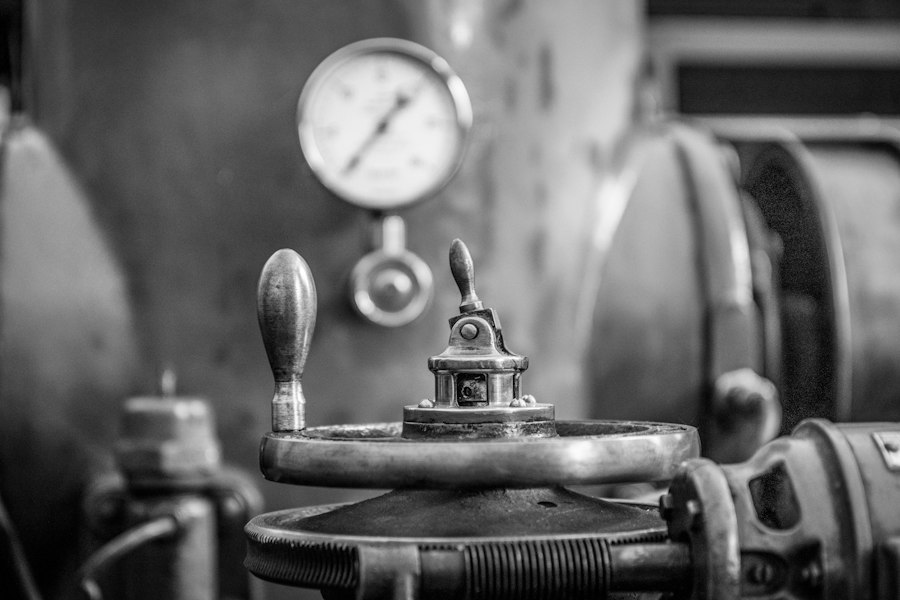
The increase in pressure within a sealed pressure cooker has a profound effect on the boiling point of water. This elevation in boiling point is the primary mechanism by which pressure cooking speeds up food preparation.
Elevated Temperatures for Faster Cooking
As the gauge pressure inside the cooker increases, the boiling point of water also rises significantly. At 15 psi gauge pressure, water boils at approximately 121 degrees Celsius (250 degrees Fahrenheit), which is considerably higher than its normal boiling point of 100 degrees Celsius (212 degrees Fahrenheit) at sea level. This elevated temperature allows food to cook much faster because chemical reactions that break down food molecules and soften them occur at a more rapid pace at higher temperatures. Imagine cooking an egg in boiling water versus cooking it in superheated steam; the latter will undoubtedly cook much faster.
The Science Behind the Superheating
The reason water boils at a higher temperature under increased pressure is related to vapor pressure. For a liquid to boil, its vapor pressure must overcome the external pressure. When the external pressure is higher, the liquid needs to reach a higher temperature to generate enough vapor pressure to match that external pressure, thus initiating boiling. In a pressure cooker, the trapped steam continuously increases the internal pressure, forcing the water to reach a higher temperature before it can transition into steam and expand.
Impact on Different Foods
This phenomenon of accelerated cooking due to higher temperatures is effective for a wide range of ingredients. Tough cuts of meat that typically require long simmering times to become tender can be cooked in a fraction of the time in a pressure cooker. Grains like beans and lentils, which can take hours to soften, are significantly reduced in cooking duration. Even vegetables, which can become mushy if overcooked, benefit from the shorter cooking times, retaining more of their texture and nutrients.
The Mechanics of a Pressure Cooker: Design and Functionality
The design of a pressure cooker is specifically engineered to safely and effectively utilize the principles of gauge pressure. Several key components work in conjunction to maintain the necessary pressure and temperature for efficient cooking.
The Sealed Pot and Lid
The fundamental feature of a pressure cooker is its robust, airtight pot and lid. The lid is designed to seal tightly onto the rim of the pot, preventing steam from escaping. This containment is crucial for building and maintaining the internal pressure. Seals, often made of rubber or silicone, ensure a watertight and airtight closure. The pot itself is usually made of strong materials like stainless steel or aluminum to withstand the elevated pressures.
The Pressure Regulator (Vent)
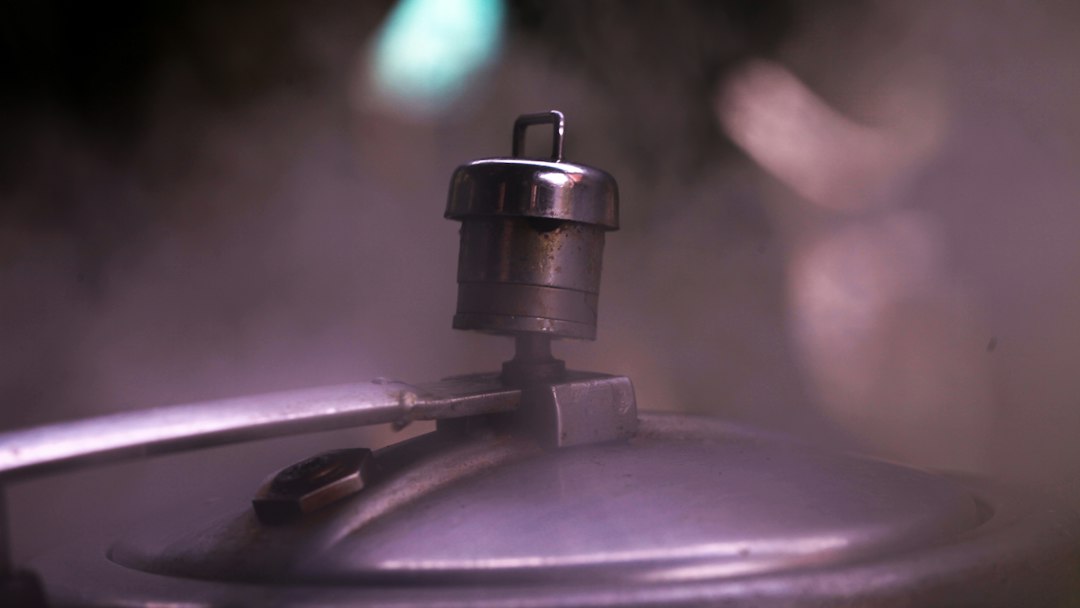
A critical safety and functional component is the pressure regulator, often referred to as the vent or steam release valve. This device is designed to control the amount of steam that escapes from the cooker, thereby regulating the internal pressure. When the pressure reaches a predetermined level (e.g., 15 psi), the regulator will begin to release excess steam, preventing the pressure from building to dangerous levels. This controlled release of steam is often accompanied by a characteristic hissing sound. Different pressure cooker models employ various types of regulators, including weight-based jiggler valves and spring-loaded mechanisms.
Safety Valves
In addition to the pressure regulator, most modern pressure cookers are equipped with additional safety valves. These are designed as backup mechanisms to release pressure in the unlikely event that the primary regulator fails or becomes clogged. These safety features are paramount to the safe operation of pressure cookers, ensuring that the appliance does not over-pressurize and pose a risk.
The Importance of Proper Sealing
The effectiveness of a pressure cooker hinges on its ability to maintain a seal. A faulty seal will allow steam to escape prematurely, preventing the necessary pressure from building up and consequently increasing cooking times. Users must ensure that the lid, seal, and any locking mechanisms are clean and in good condition before each use. Likewise, ensuring the pot is filled with the correct amount of liquid is essential, as steam is the driving force for pressure.
Practical Applications and Benefits of Pressure Cooking
Beyond the scientific principles, the real value of pressure cooking lies in its practical applications and the numerous benefits it offers to home cooks. From saving time to enhancing flavor, pressure cookers have become an indispensable tool for many.
Significant Time Savings
The most prominent advantage of pressure cooking is the dramatic reduction in cooking times. As discussed, the elevated temperatures achieved under pressure accelerate the cooking process. For instance, a pot roast that might take 3-4 hours to braise in a conventional oven can be tender and flavorful in as little as 45-60 minutes in a pressure cooker. This makes weeknight meals more manageable and allows for the preparation of dishes that would otherwise be too time-consuming for busy schedules.
Enhanced Flavor and Texture
The high-pressure environment also plays a role in enhancing the flavor of food. The steam trapped within the cooker forces moisture and flavor into the ingredients, resulting in more deeply infused tastes. Furthermore, the rapid cooking process can help to retain more of the natural flavors and nutrients of the food compared to prolonged boiling or simmering methods, where some volatile flavor compounds might be lost. This is particularly noticeable with stews, soups, and braised dishes, where the ingredients meld together beautifully under pressure.
Nutrient Retention
The shorter cooking times and the sealed environment of a pressure cooker contribute to better nutrient retention. Many vitamins and minerals, particularly water-soluble ones like Vitamin C and B vitamins, can be lost through prolonged exposure to heat and water in traditional cooking methods. Pressure cooking minimizes this loss by cooking food quickly and efficiently, preserving more of these essential nutrients.
Energy Efficiency
Because pressure cookers cook food much faster, they also consume less energy compared to conventional cooking methods that require longer heating times. This can translate to lower utility bills over time, making pressure cooking an economically sound choice as well. The efficiency extends to the fact that the sealed pot retains heat effectively, meaning less overall energy is needed to reach and maintain the required cooking temperature.
Understanding how gauge pressure works in cooking can significantly enhance your culinary skills, especially when using pressure cookers or other high-pressure cooking methods. For a deeper dive into the science behind pressure and its effects on cooking, you might find this article on pressure cooking techniques insightful. It explains how gauge pressure influences cooking times and food texture, making it a valuable resource for both novice and experienced cooks. You can read more about it in this related article.
Safety Considerations and Best Practices for Pressure Cooker Use
| Metric | Description | Typical Value | Effect on Cooking |
|---|---|---|---|
| Gauge Pressure | Pressure measured above atmospheric pressure inside a pressure cooker | 15 psi (pounds per square inch) | Increases boiling point of water, allowing food to cook faster |
| Boiling Point of Water at Atmospheric Pressure | Temperature at which water boils at 0 psi gauge pressure | 100°C (212°F) | Standard boiling point, limits cooking temperature in open pots |
| Boiling Point of Water at 15 psi Gauge Pressure | Temperature at which water boils inside a pressure cooker at 15 psi gauge pressure | 121°C (250°F) | Higher temperature cooks food faster and tenderizes tougher ingredients |
| Cooking Time Reduction | Percentage decrease in cooking time due to increased pressure | Up to 70% | Significantly reduces cooking duration for beans, meats, and stews |
| Pressure Release Mechanism | Valve that maintains safe gauge pressure inside cooker | Typically set to release at 15 psi | Prevents over-pressurization and ensures safety during cooking |
While pressure cookers offer numerous advantages, their operation involves high temperatures and pressures, making safety paramount. Adhering to best practices ensures a safe and enjoyable cooking experience.
Following Manufacturer Instructions
Every pressure cooker model comes with specific instructions from the manufacturer. It is crucial to read and understand these instructions thoroughly before the first use and to refer back to them whenever necessary. These guidelines cover assembly, operation, cleaning, and safety features unique to that particular model. Neglecting to follow these instructions can lead to improper operation and potential hazards.
Ensuring Proper Liquid Levels
A sufficient amount of liquid is essential for a pressure cooker to generate steam and build pressure. However, overfilling the pot can be dangerous, as it can block the steam vents and lead to excessive pressure buildup. Conversely, too little liquid can cause the food to scorch and the cooker to operate inefficiently. Most recipes will specify the minimum and maximum liquid requirements for the appliance.
Venting and Releasing Pressure
There are typically two ways to release pressure from a pressure cooker: natural release and quick release. Natural release involves letting the pressure subside on its own after the heat is turned off, which is often recommended for meats and foods that benefit from resting. Quick release involves manually opening the steam vent to rapidly expel steam, suitable for vegetables and foods that can become overcooked if left to rest. Understanding when to use each method is crucial for achieving desired cooking results and for safety. Never attempt to force open a pressure cooker that is still under pressure.
Maintenance and Cleaning
Regular maintenance and proper cleaning are vital for the safe and efficient operation of a pressure cooker. Seals should be inspected for wear and tear and replaced as needed. Vents and safety valves should be kept clean and free from any food debris that could obstruct them. A clogged vent is a serious safety hazard. Following the manufacturer’s cleaning instructions will ensure that the appliance remains in good working order for years to come. Regular inspection of the gasket and valves is a proactive step that can prevent potential issues.
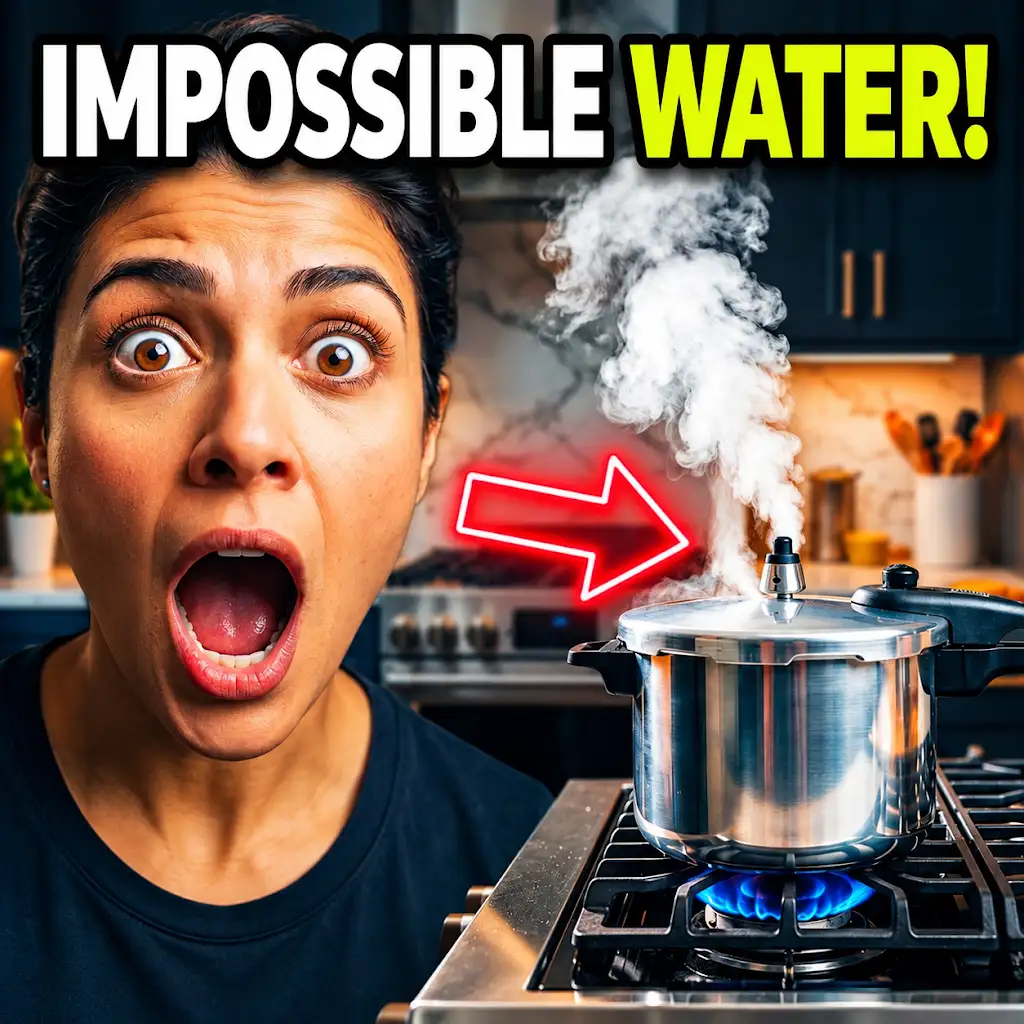
Why This Water Doesn’t Boil at 100°C
FAQs
1. What is gauge pressure in cooking?
Gauge pressure in cooking refers to the pressure measured above atmospheric pressure inside a pressure cooker or other cooking device. It is the pressure that is exerted by the steam or liquid inside the cooking vessel.
2. How does gauge pressure affect the cooking process?
Gauge pressure increases the boiling point of water, allowing food to cook faster at higher temperatures. This can help tenderize tough cuts of meat more quickly and retain more nutrients in the food being cooked.
3. How is gauge pressure measured in cooking devices?
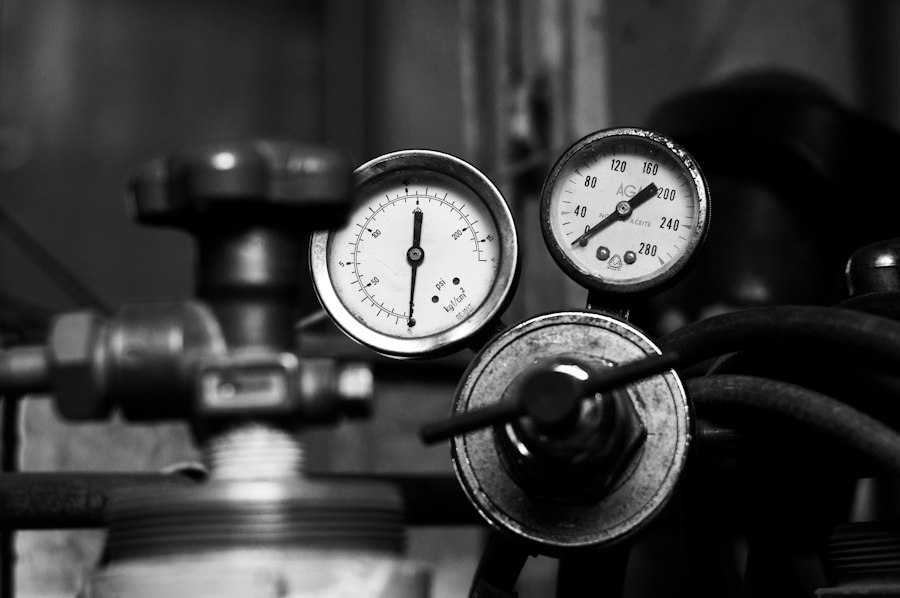
Gauge pressure is typically measured in pounds per square inch (psi) on the pressure gauge of a pressure cooker. The gauge displays the pressure level inside the cooker, indicating when it has reached the desired pressure for cooking.
4. What safety precautions should be taken when cooking with gauge pressure?
It is important to follow the manufacturer’s instructions for the specific cooking device being used. Always release the pressure before opening the cooker to avoid burns from escaping steam. Regularly check the seals and valves for wear and tear to prevent accidents.
5. Can gauge pressure cooking be used for all types of food?
Gauge pressure cooking is suitable for a wide range of foods, including meats, grains, vegetables, and legumes. However, delicate foods like fish or certain fruits may not be ideal for pressure cooking as they can easily overcook or lose their texture.