The sleek devices that have revolutionized reading, e-readers, owe their existence to a fascinating technology known as electronic ink, or e-ink. This display innovation offers a unique reading experience, mimicking the appearance of traditional printed paper with remarkable fidelity. Unlike the emissive screens of smartphones and tablets that glow with light, e-ink displays are reflective, meaning they rely on ambient light to be seen. This fundamental difference is the key to their popularity among avid readers, offering reduced eye strain and exceptional battery life. Understanding how this seemingly simple yet sophisticated technology functions reveals a clever application of physics and chemistry.
The Microscopic World of Electronic Ink
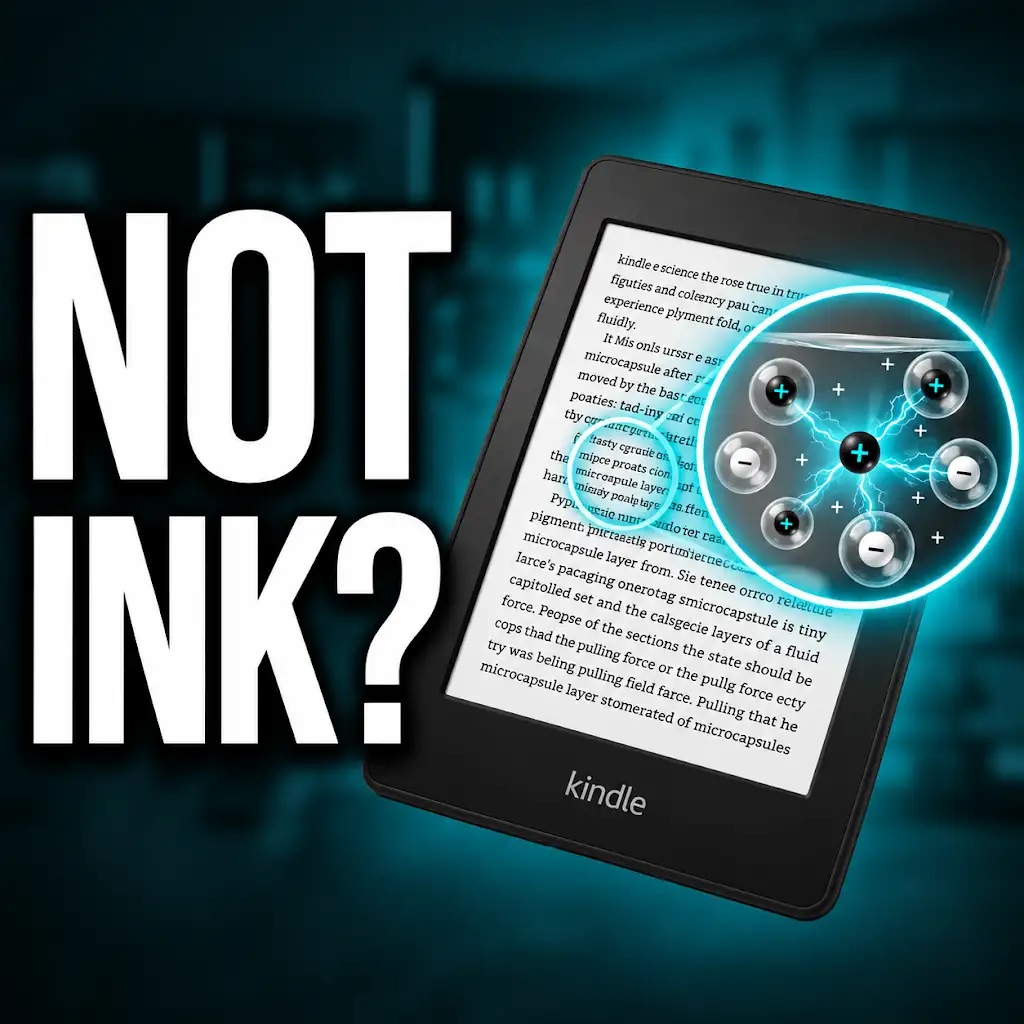
At its core, electronic ink is not a single substance but a complex matrix of microscopic capsules, often referred to as “microcapsules.” These miniscule spheres, typically smaller than the diameter of a human hair, are the building blocks of the e-ink display. Each microcapsule contains a clear fluid suspending a multitude of charged particles. The arrangement and manipulation of these particles are what ultimately form the visible text and images on the screen.
The Dichotomy of Charged Particles
Within each microcapsule, there are generally two types of charged particles: white particles that carry a positive charge and black particles that carry a negative charge. These particles are suspended in a clear liquid, allowing them to move freely within the confines of their microscopic enclosure. The magic of e-ink lies in its ability to precisely control the movement of these charged particles, bringing them to the surface of the display to form patterns, or pushing them away to create blank spaces.
The Role of the Electrode Grid
Beneath the layer of microcapsules lies a carefully designed grid of electrodes. These electrodes act as the conductors, allowing electronic signals to be sent to specific locations on the display. Each electrode can be independently controlled, enabling the e-ink system to address individual microcapsules or small clusters of them. When a voltage is applied to a particular electrode, it creates an electric field that influences the charged particles within the microcapsules directly above it.
Electronic ink, or e-ink, is a fascinating technology that mimics the appearance of traditional ink on paper, providing a unique reading experience on devices like e-readers. It works by using tiny microcapsules filled with charged particles that can be manipulated to create text and images. For a deeper understanding of this innovative technology and its applications, you can explore a related article on the topic at Freaky Science.
The Mechanism of Image Formation
The creation of visible text and images on an e-ink display is a dynamic process governed by the interaction between the applied electric fields and the charged particles within the microcapsules. This interplay allows for the manipulation of light reflection, effectively forming the characters and graphics we perceive.
Bringing the Black to the Surface
To display black text or a black pixel, a negative voltage is applied to the electrodes beneath the relevant microcapsules. Since the black particles are negatively charged, they are repelled by the negative voltage and move towards the surface of the microcapsule, where they become visible. Simultaneously, the positively charged white particles are attracted to the electrode and move to the bottom of the microcapsule, out of sight. The result is a black mark against a white background, mimicking the appearance of ink on paper.
Revealing the White
Conversely, to display white areas or a white background, a positive voltage is applied to the electrodes. In this scenario, the positively charged white particles are repelled by the positive voltage and move to the surface of the microcapsule. The negatively charged black particles are then attracted to the electrode and move to the bottom. This arrangement causes the white particles to dominate the surface, creating a white appearance.
Creating Shades of Gray
The ability to display shades of gray is crucial for rendering realistic images and more nuanced text. E-ink technology achieves this by precisely controlling the voltage applied to the electrodes. By varying the strength and duration of the electric field, the e-ink system can partially draw up either the black or white particles to the surface, or even create a state where both types of particles are somewhat mixed. This controlled partial movement allows for a spectrum of grays, ranging from very light to very dark, enhancing the visual depth and realism of the displayed content.
The Advantages of Reflective Displays
The reflective nature of e-ink technology is a cornerstone of its appeal, setting it apart from traditional backlit displays. This characteristic is responsible for many of the user-friendly benefits associated with e-readers.
Reduced Eye Strain and Improved Readability
Unlike the emissive screens of smartphones and tablets, which generate their own light, e-ink displays reflect ambient light. This means they don’t emit blue light directly into the user’s eyes, a factor often linked to eye strain and sleep disruption. The appearance of text on an e-ink screen is very similar to printed text on paper, which is inherently easier on the eyes for extended reading sessions. The contrast ratio is excellent, and there is no flicker or glare associated with emissive displays, further contributing to a comfortable reading experience. This makes e-readers ideal for long reading marathons, whether under bright sunlight or in dimly lit rooms.
Exceptional Battery Life
One of the most celebrated aspects of e-ink technology is its remarkable power efficiency. Because the display only consumes power when the image on the screen is being changed, the battery life of e-readers can be measured in weeks, rather than hours. Once an image is set, the microcapsules remain in their respective positions without requiring continuous electrical input. This “bistable” nature, meaning the display can maintain an image with no power, is a significant advantage for portable devices. Users can often read thousands of pages on a single charge, eliminating the constant worry of needing to find a power outlet.
Sunlight Readability
The reflective quality of e-ink displays makes them exceptionally readable in direct sunlight. Traditional screens can suffer from glare and a washout of colors under bright light, making them difficult to see. E-ink, by contrast, behaves much like a printed page; the brighter the ambient light, the clearer and more defined the text appears. This allows users to comfortably read outdoors without the need for special screen protectors or shaded areas, truly replicating the experience of reading a physical book.
Limitations and Evolution of E-Ink
While electronic ink offers a compelling set of advantages, it also presents certain limitations that have spurred ongoing development and innovation within the field.
Refresh Rates and Motion Handling
One of the primary limitations of traditional e-ink technology is its relatively slow refresh rate. Changing an image on an e-ink display involves physically moving particles within microcapsules, a process that takes longer than illuminating pixels on an LCD or OLED screen. This slow refresh rate makes e-readers less suitable for fast-paced content like video or gaming. When text is updated, a brief “ghosting” effect, where a faint remnant of the previous image remains, can sometimes be observed. Manufacturers have developed various “modes” to mitigate this, such as faster refresh rates that sacrifice some image quality for quicker page turns, or partial screen refreshes.
Color Reproduction and Nuance
Early generations of e-ink displays were primarily monochrome, capable of displaying only black and white. While color e-ink technologies have since been developed, they have historically struggled with vibrancy and color saturation compared to their emissive counterparts. The mechanisms for displaying color in e-ink often involve layering color filters or using different colored particles, which can reduce brightness and contrast. While significant strides have been made, achieving the vivid and accurate color reproduction seen on modern smartphones and tablets remains a challenge for e-ink.
Touchscreen Integration and Backlighting
The integration of touchscreens for navigation and interaction has become standard on most e-readers. This is achieved by layering a touch-sensitive film over the e-ink display. While effective, this adds a slight layer between the reader and the e-ink itself, and can potentially impact brightness. Furthermore, while e-ink’s strength lies in its reflectivity, many e-readers now incorporate subtle front-lighting systems. This lighting illuminates the surface of the screen from the edges, rather than shining through it, allowing for reading in complete darkness without the harshness of a backlit display. This addition enhances usability in low-light conditions but does consume a small amount of battery power.
Electronic ink, commonly found in e-readers, operates through a fascinating technology that mimics the appearance of traditional ink on paper. This innovative display uses tiny microcapsules filled with charged black and white particles, which rearrange themselves when an electric field is applied, creating text and images. For a deeper understanding of this technology and its applications, you can explore a related article that delves into the science behind electronic ink and its impact on reading habits. Check it out here.
The Future of Electronic Ink Technology
| Aspect | Description | Metric / Data |
|---|---|---|
| Technology Type | Microcapsules containing charged black and white particles suspended in a clear fluid | Electrophoretic display |
| Particle Size | Diameter of microcapsules containing particles | Approximately 40 micrometers |
| Response Time | Time taken for particles to move and change display | 100-250 milliseconds |
| Power Consumption | Power used to change the display image | Near zero when static (only power during refresh) |
| Contrast Ratio | Difference in reflectivity between black and white particles | Up to 10:1 |
| Viewing Angle | Angle at which display remains readable without distortion | Up to 180 degrees |
| Reflectivity | Amount of ambient light reflected by the display | Approximately 40-50% |
| Color Capability | Ability to display colors beyond black and white | Limited; mostly grayscale, some color versions exist |
The ongoing evolution of e-ink technology promises to address its current limitations and expand its applications beyond e-readers. Researchers and developers are continuously pushing the boundaries of what is possible with this unique display medium.
Enhanced Color and Refresh Rates
Future iterations of e-ink are expected to feature more vibrant and saturated color reproduction, bringing them closer to the visual fidelity of conventional displays. Innovations in particle design and microcapsule architecture are likely to play a key role in this advancement. Simultaneously, efforts are underway to significantly improve refresh rates, making e-ink displays more responsive and suitable for a wider range of applications. This could pave the way for e-ink to be used in more dynamic signage, interactive displays, and even secondary screens on mobile devices.
Flexible and Larger Form Factors
The inherent flexibility of e-ink displays is another area of significant research. Developing e-ink screens that can be seamlessly bent or even rolled opens up exciting possibilities for new product designs. Imagine flexible e-readers that can be folded for portability or larger, rollable displays for advertising and information dissemination. The ability to create larger, high-resolution e-ink panels could also lead to their adoption in areas like digital art canvases or even as replacements for traditional paper in certain industrial or educational settings.
Expanded Applications Beyond Reading Devices
As e-ink technology becomes more sophisticated, its applications are expected to diversify beyond the realm of dedicated e-readers. We are already seeing e-ink displays being used in smartwatches, electronic shelf labels in retail, and secondary displays on smartphones for notifications and quick information access. The low power consumption and paper-like readability make e-ink an attractive option for any device where battery life and reduced eye strain are paramount. The potential for integrating e-ink into everyday objects, from smart home devices to personal organizers, is vast and continues to be explored. The continued innovation in electronic ink technology ensures that this remarkable display medium will remain a significant player in the digital landscape for years to come.
Why Your Kindle Screen Doesn’t Work the Way You Think
FAQs
1. How does electronic ink work?
Electronic ink, also known as e-ink, works by using tiny microcapsules filled with positively charged white particles and negatively charged black particles. These particles are suspended in a clear fluid and are controlled by an electric field to display different colors and shades.
2. What makes electronic ink different from traditional displays?
Electronic ink differs from traditional displays in that it reflects light like ordinary paper instead of emitting light like a screen. This makes it easier on the eyes and allows for better readability in various lighting conditions, similar to reading from a printed page.
3. How is electronic ink used in e-readers and e-paper devices?
Electronic ink is used in e-readers and e-paper devices to mimic the appearance of ink on paper. When an electric charge is applied to the microcapsules, they move to the surface of the display to create text and images. This technology allows for a more natural reading experience without the glare of a backlit screen.
4. What are the advantages of electronic ink displays?
Electronic ink displays offer several advantages, including low power consumption, high contrast, wide viewing angles, and readability in direct sunlight. They also provide a paper-like appearance and are less straining on the eyes compared to traditional LCD screens, making them ideal for long reading sessions.
5. Are there any limitations to electronic ink technology?
While electronic ink technology has many benefits, it does have some limitations. Electronic ink displays have slower refresh rates compared to LCD screens, which can result in ghosting or image persistence. Additionally, electronic ink is currently limited to displaying grayscale or limited color options, which may not be suitable for all types of content.