You’re probably familiar with the cool, refreshing air that a split system air conditioner delivers on a hot day. But have you ever stopped to wonder about the magic behind that comfort? How does this seemingly simple appliance transform stifling indoor air into a haven of coolness? It’s a fascinating process involving clever engineering and the principles of thermodynamics. This article will demystify the workings of your split system AC, breaking down its components and explaining the cycle that keeps you comfortable.
The Heart of the Matter: Understanding the Refrigeration Cycle
At its core, any air conditioning system, including your split system, operates on the principle of refrigeration. This isn’t about making things “cold” in the way you might think of ice. Instead, it’s about efficiently moving heat from one place to another. In your AC’s case, it’s taking heat from the air inside your home and expelling it outdoors. This remarkable feat is accomplished through a closed-loop system that circulates a special fluid called refrigerant. This refrigerant undergoes a continuous cycle of phase changes – from liquid to gas and back again – which allows it to absorb and release heat.
The Silent Workhorse: The Role of Refrigerant
The refrigerant is the lifeblood of your air conditioner. It’s a chemical compound designed to readily evaporate at low temperatures and condense at higher temperatures. This property is crucial for the heat transfer process. When it’s a liquid, it has a low boiling point. As it flows through the evaporator coil inside your home, it absorbs heat from the warm indoor air, causing it to boil and turn into a low-pressure gas. This absorption of heat is what cools the air circulating through your vents.
Pressure Points: How Pressure Changes Fuel the Cycle
The entire refrigeration cycle is driven by manipulating the pressure of the refrigerant. Think of it like this: when you lower the pressure of a liquid, it boils at a lower temperature. Conversely, increasing the pressure raises its boiling point. Your AC system expertly controls these pressure changes using specific components, forcing the refrigerant through a series of transformations that enable it to pick up and drop off heat effectively.
A Journey of Transformation: The Four Key Stages
The refrigerant’s journey through the split system AC involves four distinct stages: evaporation, compression, condensation, and expansion. Each stage plays a vital role in the overall cooling process, working in harmony to create that comfortable indoor environment you enjoy. Understanding these stages will give you a clearer picture of how your AC truly operates.
Evaporation: The Indoor Cooling Embrace
This is where the magic of cooling truly begins. Inside your home, within the indoor unit, you’ll find the evaporator coil. As the warm, humid air from your living space is drawn across this coil, the low-pressure liquid refrigerant flowing through it absorbs heat from the air. This heat causes the refrigerant to evaporate, transforming into a low-pressure gas. As the refrigerant absorbs this heat, the air passing over the coil loses its thermal energy, becoming cooler and drier. This is the air that your fan then pushes back into your rooms.
Compression: The Pressure Cooker for Heat
Once the refrigerant has absorbed heat and become a low-pressure gas in the evaporator, it travels to the outdoor unit to the compressor. The compressor is essentially the “heart” of the system, a powerful motor that squeezes this gas, significantly increasing its pressure and temperature. Imagine taking a balloon and squeezing it tighter; the air inside gets warmer. The compressor does something similar, making the refrigerant gas very hot and high-pressure. This elevated temperature is crucial for the next stage, allowing the refrigerant to release its absorbed heat to the outside air.
Condensation: Releasing the Burden Outdoors
The hot, high-pressure refrigerant gas then flows to another set of coils in the outdoor unit, known as the condenser coils. Here, the heat that was absorbed indoors is released to the outside environment. A fan in the outdoor unit blows air across these coils, helping to dissipate the heat. As the refrigerant releases its heat, it cools down and condenses back into a high-pressure liquid. This is the opposite of what happened in the evaporator; here, the refrigerant is giving up its heat, not absorbing it.
Expansion: Preparing for the Next Cycle
Before the high-pressure liquid refrigerant can return to the evaporator and begin the cooling cycle anew, it needs to have its pressure and temperature reduced. This is the job of the expansion valve (also sometimes called a throttling device). As the liquid refrigerant passes through this valve, its pressure drops dramatically. This sudden drop in pressure also causes a significant decrease in its temperature, preparing it to absorb heat once again in the evaporator. You’ve now completed one full cycle, and the refrigerant is ready to start the process all over again.
If you’re interested in understanding how a split system air conditioner works, you might find it helpful to read a related article that delves deeper into the mechanics and benefits of these systems. For more detailed information, check out this article on Freaky Science, which explains the components and functionality of split system air conditioners in an easy-to-understand manner.
The Two Unsung Heroes: Indoor and Outdoor Units
A split system AC, as its name suggests, is “split” into two main components: the indoor unit and the outdoor unit. Each unit has specific responsibilities that contribute to the overall cooling and heating function. They are connected by a set of copper lines that carry the refrigerant and electrical wiring. Understanding the role of each unit is key to appreciating the complete operation of your split system.
The Comfort Creator: The Indoor Unit’s Domain
The indoor unit, often a sleek wall-mounted or ceiling cassette unit, is where the cool air is delivered to your living space. This is where the evaporator coil resides, along with a fan and air filter. The fan draws warm, humid air from the room, passes it over the cold evaporator coil, and then blows the now-cooled and dehumidified air back into the room. The air filter’s job is to trap dust, pollen, and other airborne particles, improving indoor air quality.
Air Filtration: Your Breath of Fresh Air
The air filter in your indoor unit is a critical component for maintaining good indoor air quality. It traps impurities from the air before it’s cooled and recirculated. Over time, these filters can become clogged with dust and debris, reducing airflow and the efficiency of your AC. Regularly cleaning or replacing your air filter is essential for optimal performance and your health.
The Evaporator Coil: The Cold Heart of the Indoor Unit
As mentioned earlier, the evaporator coil is the crucial component within the indoor unit responsible for absorbing heat from your home’s air. It’s a network of fine tubes filled with the cold refrigerant. The large surface area of these coils maximizes the contact between the refrigerant and the air, allowing for efficient heat transfer. When the refrigerant evaporates, it takes heat with it, leaving the air cooler.
The Heat Exchanger: The Outdoor Unit’s Powerhouse
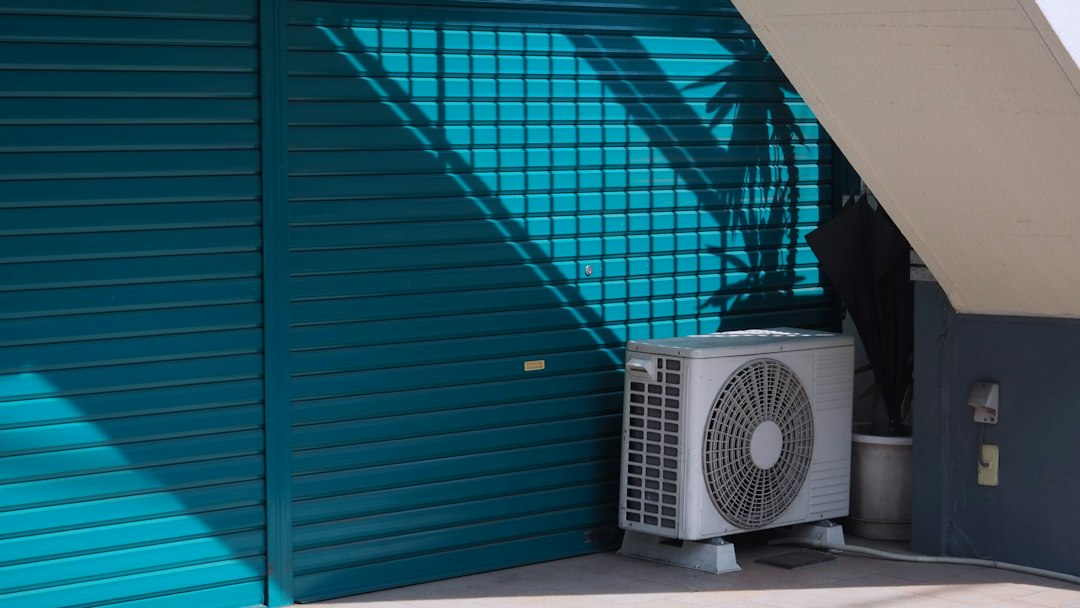
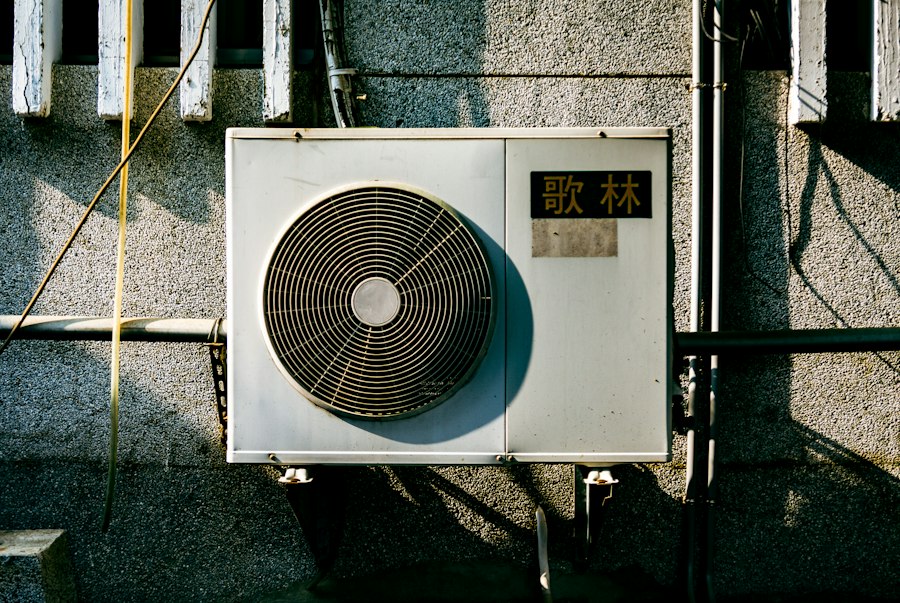
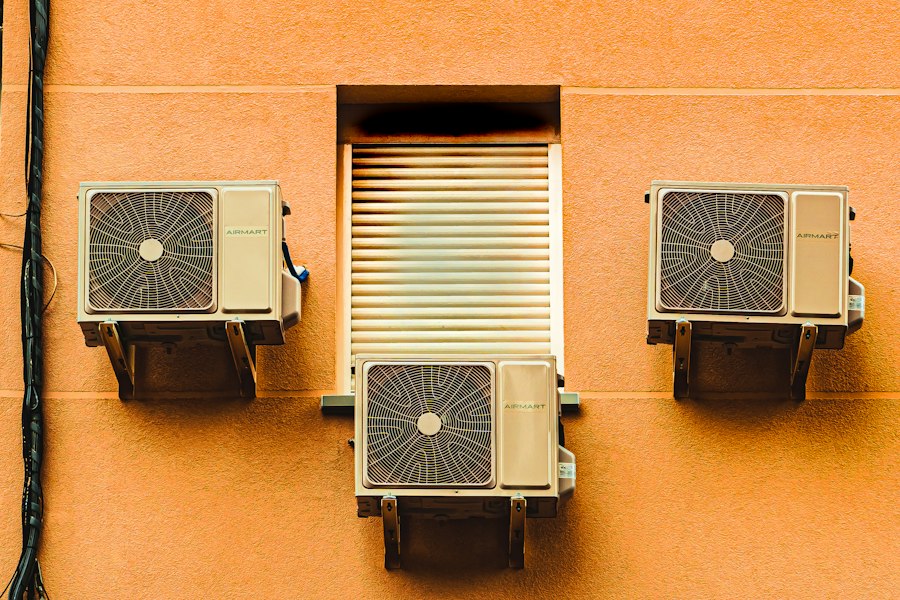
The outdoor unit, typically a rectangular box located outside your home, houses the compressor, condenser coils, and the outdoor fan. This unit is responsible for expelling the heat absorbed from indoors into the atmosphere. It’s the workhorse that does the heavy lifting of heat rejection.
The Condenser Coil: Giving Heat Back to the World
The condenser coil is where the hot refrigerant gas from the compressor releases its heat to the outside air. Similar to the evaporator coil, it’s a series of tubes, but its purpose is the opposite. The outdoor fan blows ambient air over these coils, facilitating the transfer of heat from the refrigerant to the outside.
The Compressor: The Engine of the System
The compressor is arguably the most important component in the outdoor unit. It’s powered by an electric motor and is responsible for increasing the pressure and temperature of the refrigerant gas, driving the entire refrigeration cycle forward. Without the compressor, the refrigerant would not be able to change its state and move heat effectively.
The Unseen Connection: Refrigerant Lines and Electrical Connections
The indoor and outdoor units are not independent entities; they are intimately connected by a system of lines that enable the flow of refrigerant and electrical signals. These connections are vital for the split system to function as a cohesive unit.
The Lifeline: Copper Tubing for Refrigerant Flow
Two copper tubes connect the indoor and outdoor units. One tube carries the high-pressure liquid refrigerant from the outdoor unit to the indoor unit, where it will undergo expansion and evaporation. The other tube carries the low-pressure gaseous refrigerant from the indoor unit back to the outdoor unit for compression and condensation. These tubes are insulated to prevent heat loss or gain during transit.
The Brains of the Operation: Electrical Wiring and Communication
In addition to the refrigerant lines, electrical wiring connects the two units. This wiring supplies power to the outdoor unit’s compressor and fan, and also facilitates communication between the indoor and outdoor units. The indoor unit’s thermostat sends signals to the outdoor unit to turn on and off based on the desired temperature settings.
Beyond Cooling: The Dehumidification Factor
One of the often-overlooked benefits of your split system air conditioner is its ability to dehumidify your home. While its primary function is temperature regulation, the process of cooling the air naturally leads to a reduction in humidity.
The Condensation Effect: Water Vapor’s Escape
As warm, humid air passes over the cold evaporator coil inside the indoor unit, it cools down. When air cools, its capacity to hold moisture decreases. This excess moisture condenses on the surface of the cold evaporator coil, much like water droplets form on a cold glass of iced tea. This condensed water is then collected in a drip pan and drained away, typically through a condensate line that leads outside your home.
The Comfort Connection: Dry Air Feels Cooler
This dehumidifying effect significantly contributes to your overall comfort. Humid air feels warmer and muggier because it’s harder for your body to sweat and cool itself when the air is already saturated with moisture. By removing excess water vapor from the air, your AC makes the indoor environment feel more comfortable, even at the same temperature.
Understanding how a split system air conditioner works can greatly enhance your comfort during hot summer months. These systems consist of two main components: an indoor unit that cools the air and an outdoor unit that expels heat. For a deeper dive into the mechanics and benefits of split system air conditioners, you can explore this informative article on Freaky Science, which explains the technology behind these efficient cooling solutions.
Maintaining Your Comfort: Essential AC Maintenance
| Component | Function | Key Metrics | Details |
|---|---|---|---|
| Indoor Unit (Evaporator) | Absorbs heat from indoor air | Airflow Rate: 400-800 CFM Cooling Capacity: 1-5 tons |
Contains evaporator coil and blower fan; cools air by evaporating refrigerant |
| Outdoor Unit (Condenser) | Releases heat to outside air | Compressor Power: 0.5-3 kW Fan Speed: 800-1200 RPM |
Includes compressor, condenser coil, and fan; compresses refrigerant and expels heat |
| Refrigerant | Transfers heat between indoor and outdoor units | Type: R-410A or R-32 Operating Pressure: 150-450 psi |
Circulates in closed loop; evaporates indoors absorbing heat, condenses outdoors releasing heat |
| Expansion Valve | Regulates refrigerant flow and pressure | Pressure Drop: 100-200 psi | Controls refrigerant entering evaporator to optimize cooling efficiency |
| Thermostat | Controls system operation based on temperature | Temperature Range: 16-30°C (60-86°F) | Monitors indoor temperature and signals system to turn on/off |
| Energy Efficiency Ratio (EER) | Measures cooling efficiency | Typical Range: 10-12 | Higher EER indicates more efficient cooling performance |
Understanding how your split system AC works is just the first step. To ensure it continues to operate efficiently and reliably for years to come, regular maintenance is crucial. Neglecting this can lead to reduced performance, higher energy bills, and costly repairs.
The Importance of a Clean Filter: A Breath of Fresh Air
As we’ve already touched upon, the air filter is a simple yet vital component. Clogged filters restrict airflow, forcing your AC to work harder and consume more energy. They can also lead to the buildup of dust and allergens in your home. Aim to inspect and clean or replace your air filter every 1-3 months, depending on usage and environmental factors.
Coil Care: Keeping the Heat Exchangers Pristine
The evaporator and condenser coils can accumulate dirt, dust, and debris over time. A dirty evaporator coil will be less efficient at absorbing heat, while a dirty condenser coil will be less effective at releasing heat. This can significantly impact your AC’s cooling capacity and energy efficiency. Periodic cleaning of these coils, usually by a qualified technician, is recommended.
Checking for Leaks and Blockages: Ensuring Smooth Operation
The refrigerant lines and condensate drain line are essential for the system’s proper functioning. Refrigerant leaks can severely impact cooling performance and are also environmentally harmful. Blockages in the condensate line can lead to water damage and mold growth. Regular visual inspections for any signs of leaks (oily residue, unusual noises) or water buildup are advisable.
Professional Tune-Ups: The Expert Touch
While you can perform some basic maintenance yourself, a professional AC technician can conduct a thorough tune-up of your split system. This typically includes checking refrigerant levels, inspecting electrical connections, lubricating moving parts, and ensuring all components are working optimally. These annual or bi-annual tune-ups can help prevent minor issues from becoming major problems and keep your AC running at peak efficiency. By understanding the intricate workings of your split system, you can better appreciate its value and ensure you continue to enjoy its cooling benefits for many seasons to come.

Your AC Blows Hot Air Outside. Is That Heat From Your Room?
FAQs
1. What is a split system air conditioner?
A split system air conditioner consists of two main components – an indoor unit that contains the evaporator coil and an outdoor unit that houses the compressor and condenser coil. These units are connected by refrigerant lines.
2. How does a split system air conditioner work?
The indoor unit of a split system air conditioner absorbs warm air from the room, which is then cooled by the evaporator coil and circulated back into the room. The outdoor unit releases the heat absorbed from the indoor air into the outside environment.
3. What is the role of refrigerant in a split system air conditioner?
Refrigerant is a chemical compound that cycles through the system, absorbing heat from the indoor air and releasing it outside. It changes from a gas to a liquid and back again as it moves between the indoor and outdoor units.
4. How does the thermostat control the temperature in a split system air conditioner?
The thermostat in a split system air conditioner senses the temperature of the room and signals the system to either cool or heat the air as needed. It helps maintain a consistent and comfortable indoor temperature.
5. What are the advantages of using a split system air conditioner?
Split system air conditioners are energy-efficient, quiet, and provide individualized temperature control for different rooms. They are also easy to install and maintain, making them a popular choice for residential and commercial spaces.