The humble pressure cooker, a fixture in many kitchens, possesses a remarkable ability to transform cooking times and tenderize even the toughest ingredients. Its efficiency and speed have made it a beloved tool for home cooks and professional chefs alike. Understanding the fundamental principles behind its operation reveals a clever application of basic physics, transforming water, heat, and pressure into a culinary powerhouse.
The Science of Steam and Pressure
The core of a pressure cooker’s functionality lies in the behavior of water when heated under confined conditions. When water is heated in an open pot, it reaches its boiling point, typically 100 degrees Celsius (212 degrees Fahrenheit) at sea level. At this temperature, the water molecules gain enough energy to transition from a liquid to a gaseous state, forming steam. In an open pot, this steam readily escapes into the atmosphere, carrying heat away with it and keeping the water temperature at its boiling point.
Trapping the Steam’s Energy
A pressure cooker, however, is designed to prevent this escape. It features a tightly sealed lid, often equipped with a locking mechanism, that creates a closed environment. When the liquid inside the cooker is heated, it begins to boil and produce steam, just as it would in an open pot. However, because the lid is sealed, this steam cannot escape. As more steam is generated, it begins to accumulate within the cooker’s pot. This accumulation of steam leads to a significant increase in the internal pressure. Imagine a room filling with people; as more people enter, the space becomes more crowded, and the pressure within the room increases. The steam molecules are essentially being compressed into a smaller volume, forcing them closer together.
The Boiling Point Elevation
This increase in internal pressure has a profound effect on the boiling point of water. In a sealed environment like a pressure cooker, the boiling point of water is no longer fixed at 100 degrees Celsius. Instead, it rises proportionally to the pressure. For every pound of pressure per square inch (psi) above atmospheric pressure, the boiling point of water increases by approximately 1 degree Fahrenheit. Most modern pressure cookers operate at pressures ranging from 10 to 15 psi above atmospheric pressure, which can elevate the boiling point of water to around 121-127 degrees Celsius (250-260 degrees Fahrenheit). This higher temperature is crucial for significantly reducing cooking times. Foods cook faster at higher temperatures because the increased thermal energy more rapidly breaks down the molecular structures of the food, accelerating chemical reactions like denaturation of proteins and softening of starches and fibers.
A pressure cooker operates on the principle of increasing the boiling point of water by trapping steam, which allows food to cook faster while retaining moisture and flavor. For a deeper understanding of the science behind pressure cooking and its benefits, you can explore this related article on the topic at Freaky Science. This resource delves into the mechanics of pressure cooking and offers insights into how it can enhance your culinary experience.
Components and Their Roles
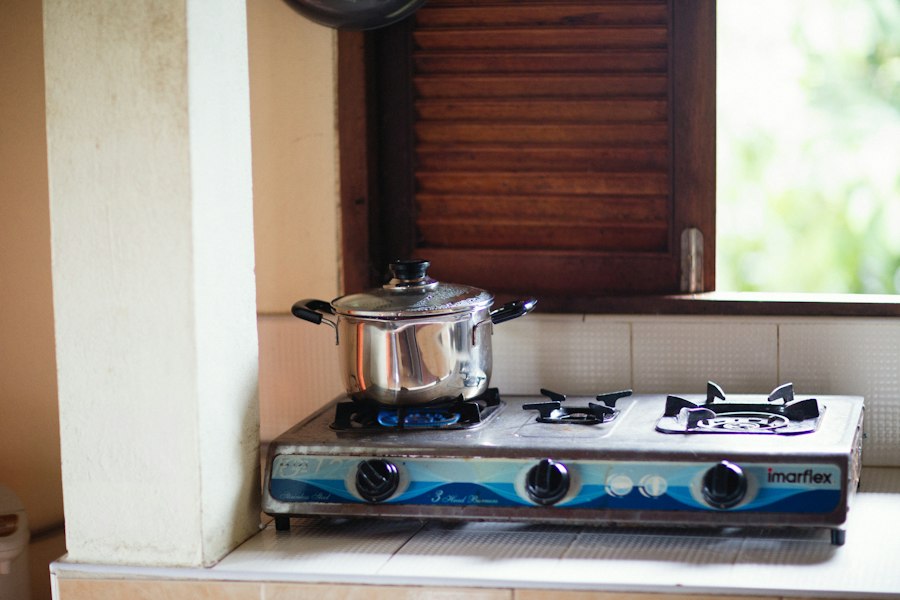
A pressure cooker is a deceptively simple device, yet each of its components plays a vital role in its safe and efficient operation. Understanding these parts provides insight into how the cooker manages pressure and heat.
The Pot and its Material
The main body of the pressure cooker, the pot itself, is typically made from durable materials like stainless steel or aluminum. These materials are chosen for their ability to withstand high temperatures and pressures without deforming. Stainless steel is often preferred for its resistance to corrosion and staining, while aluminum heats up quickly and evenly, though it can be more prone to scratching. The thickness of the pot’s base and walls is also important; a thicker construction helps to distribute heat more evenly and prevents hot spots, which could lead to uneven cooking or potential damage. Some pressure cookers also feature encapsulated bases, where a layer of aluminum or copper is sandwiched between layers of stainless steel, further enhancing heat distribution and conductivity.
The Gasket: The Seal of Success
The gasket, also known as a sealing ring, is a crucial component that ensures the airtight seal required for pressure to build. This ring, usually made of silicone or rubber, is fitted into the groove around the rim of the pressure cooker’s lid. Its flexibility allows it to conform to the pot’s rim, creating a watertight and steam-tight barrier. Over time and with repeated use, the gasket can wear out, becoming brittle or losing its elasticity. A damaged or worn gasket will prevent the cooker from reaching the desired pressure, as steam will escape through the faulty seal, rendering the pressure cooking process ineffective. Regular inspection and replacement of the gasket are therefore essential for maintaining the cooker’s performance and safety.
The Locking Mechanism
The lid of a pressure cooker is secured to the pot by a robust locking mechanism. This mechanism is designed to withstand the significant outward force exerted by the internal pressure. It typically involves a series of notches or lugs on the lid that engage with corresponding grooves or catches on the pot. Some models feature a simple twist-and-lock system, while others employ more sophisticated spring-loaded latches. The locking mechanism not only ensures a secure seal but also prevents the lid from being accidentally opened while the cooker is under pressure, a critical safety feature.
The Pressure Regulator (Weight Valve or Spring Valve)
Perhaps the most iconic component of a pressure cooker is the pressure regulator, commonly referred to as the “weight valve” or “steam vent.” This device controls the internal pressure, ensuring it does not exceed a safe limit. There are two primary types of pressure regulators:
The Weight Valve
The older and simpler design is the weight valve, often seen as a small, weighted cap that sits atop a vent in the lid. As steam builds inside the cooker, it exerts upward pressure on the weight. When the internal pressure reaches a specific level determined by the weight’s mass, it lifts the weight, allowing excess steam to escape in a controlled hiss or jiggle. This release of steam maintains the pressure at a constant level. The distinct sound of a jiggling weight valve is a hallmark of traditional stovetop pressure cookers.
The Spring Valve
Modern pressure cookers, particularly electric models, often utilize a spring valve. This mechanism consists of a spring-loaded plunger within a housing. As pressure increases, it pushes against the spring. When the pressure overcomes the spring’s resistance, the plunger retracts, opening a vent and releasing steam. Spring valves are generally quieter than weight valves and are often designed to provide a visual indicator of the pressure level, sometimes with a colored band that pops up when the cooker is pressurized.
Safety Valves: The Ultimate Safeguard
In addition to the primary pressure regulator, most pressure cookers are equipped with one or more secondary safety valves. These are designed to act as a last line of defense in the event of a primary regulator failure or an extreme over-pressurization scenario. These safety valves are typically spring-loaded and are designed to release a large volume of steam quickly if the pressure becomes dangerously high. Some designs incorporate a blowout plug, a small plug made of a low-melting-point material that will melt and release steam if the pressure reaches an extremely critical level. These safety features are paramount to the safe operation of pressure cookers.
The Cooking Process in Action
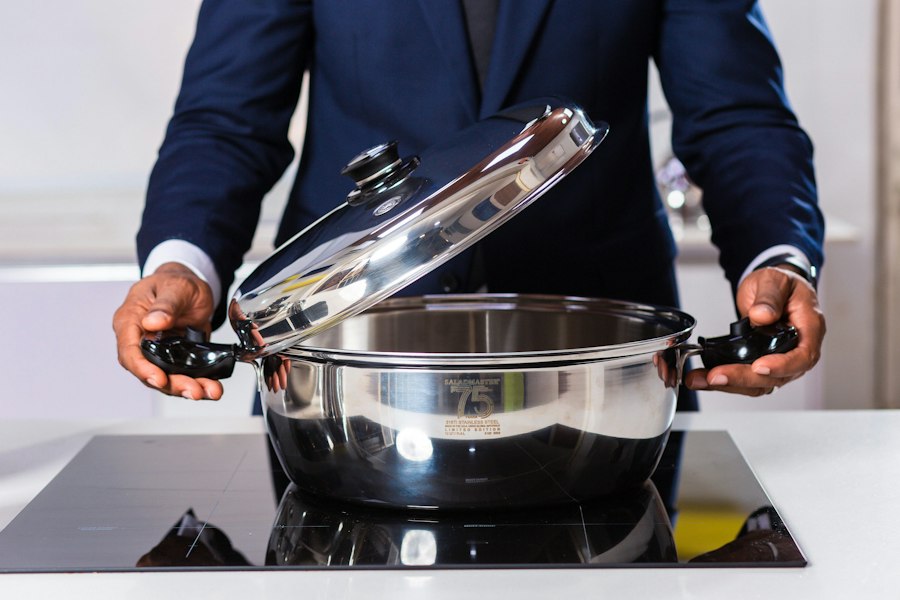
The pressure cooker transforms ordinary cooking into a streamlined and efficient process by leveraging its unique design. Understanding the sequence of events from sealing the lid to releasing the pressure provides a clear picture of its operational cycle.
Building Pressure: The Initial Heating Phase
The cooking process begins with the addition of ingredients and a sufficient amount of liquid to the pressure cooker. This liquid is essential because it is the source of the steam that will build the pressure. The lid is then securely sealed, ensuring that the gasket creates an airtight environment. As the heat is applied, the liquid at the bottom of the cooker begins to warm up. As it reaches its boiling point, steam starts to form. Initially, this steam will escape through the open vent (if the regulator is not yet engaged) to release any air trapped inside. This is an important step, as trapped air can prevent the cooker from reaching the optimal cooking temperature. Once the air is purged and the vent is sealed by the pressure regulator, the steam begins to accumulate, and the internal pressure starts to rise.
Maintaining Pressure: The Cooking Window
Once the pressure reaches the level regulated by the weight valve or spring valve, the excess steam begins to escape. This is when the characteristic hissing or jiggling sound might be heard from a stovetop model, or the pressure indicator might rise on an electric one. The pressure regulator ensures that the pressure remains within a safe and consistent range, and consequently, the temperature inside the cooker is maintained at its elevated level. The cooking time then begins, with the food being subjected to this high-temperature, high-pressure steam environment. The rapid heat transfer and increased temperature accelerate the cooking process significantly. Tough cuts of meat become tender, beans soften quickly, and vegetables cook through in a fraction of the time they would take using conventional methods.
Releasing Pressure: The Cooling Down
After the designated cooking time has elapsed, the heat source is removed or turned off. The pressure inside the cooker will gradually begin to decrease as the steam condenses back into liquid. However, this natural cooling process can take a considerable amount of time, and continuing to cook the food during this phase can lead to overcooking. Therefore, pressure cookers offer various methods for controlled pressure release:
Natural Release
This is the simplest and often gentlest method. The heat source is simply turned off, and the cooker is left undisturbed to cool down on its own. As the pressure naturally dissipates, the food continues to cook gently. This method is ideal for foods that are prone to breaking apart, such as delicate fish or vegetables that might become mushy if subjected to rapid pressure changes.
Quick Release (or Manual Release)
This method involves manually opening the steam vent to allow the steam to escape rapidly. On stovetop models, this is often achieved by tilting the weight valve or using a tool to lift it slightly. Electric models typically have a quick-release button or lever. This method significantly reduces cooking time but can cause some foods to lose moisture or become less tender. It is best suited for foods that benefit from a firmer texture, like certain vegetables or grains.
Cold Water Release (Stovetop Models Only)
This is a faster method than natural release but is generally not recommended for most modern pressure cookers, especially those with delicate seals. It involves running cold water over the lid and sides of the cooker to rapidly cool the metal and cause the steam to condense. This forces the pressure down quickly. However, the sudden temperature change can stress the materials and potentially damage the gasket. It is crucial to consult the manufacturer’s instructions before attempting this method.
Benefits and Applications of Pressure Cooking
The efficiency and speed of pressure cooking translate into a multitude of benefits for home cooks, making it a versatile tool in the modern kitchen. From saving time to enhancing flavor and nutrition, its advantages are considerable.
Time Savings: The Most Apparent Advantage
The most significant benefit of pressure cooking is the dramatic reduction in cooking times. The elevated temperatures achieved within a pressure cooker accelerate chemical reactions in food, allowing dishes that would typically take hours to prepare to be completed in minutes. For example, tough cuts of meat that would normally require slow braising for several hours can become fork-tender in 30-45 minutes. Dried beans, which often necessitate overnight soaking and hours of simmering, can be cooked to perfection in under an hour. This makes pressure cooking an ideal solution for busy individuals and families who need to prepare nutritious meals quickly.
Enhanced Flavor and Texture
The high-pressure steam environment not only speeds up cooking but also helps to infuse flavors more deeply into food. The confined space allows steam and cooking liquids to circulate around the ingredients, tenderizing them and distributing seasonings more effectively. This can result in richer, more complex flavors and a more succulent texture, especially for meats and stews. The rapid cooking process also helps to retain moisture within the food, preventing it from drying out, which is a common issue with longer cooking times.
Nutrient Preservation
When food is cooked for extended periods at high temperatures, certain heat-sensitive vitamins and minerals can be degraded or leached out into the cooking liquid. Pressure cooking’s rapid cooking times and the fact that much of the cooking liquid remains within the sealed pot means that more nutrients are retained. Studies have shown that pressure-cooked vegetables often retain a higher percentage of their vitamins compared to those cooked using other methods. This makes pressure cooking a healthier option for preparing a wide range of dishes.
Versatility in the Kitchen
Pressure cookers are incredibly versatile and can be used to prepare a vast array of dishes. From hearty stews and soups to tender meats, perfectly cooked grains, and even desserts like cheesecake, the possibilities are extensive. They are particularly useful for cooking legumes, which can be notoriously time-consuming to prepare. Pressure cookers also excel at making homemade stocks and broths, extracting maximum flavor and nutrients from bones and vegetables in a fraction of the time.
Understanding how a pressure cooker works at a basic level can greatly enhance your cooking experience, as it utilizes steam and pressure to cook food more quickly and efficiently. For a deeper dive into the science behind cooking methods and their effects on food, you might find this related article on Freaky Science particularly interesting. It explores various cooking techniques and their underlying principles, providing valuable insights that can complement your knowledge of pressure cooking.
Safety Considerations for Pressure Cooker Use
| Component | Function | Basic Principle | Effect on Cooking |
|---|---|---|---|
| Sealed Lid | Locks the pot airtight | Prevents steam from escaping | Increases internal pressure and temperature |
| Pressure Valve | Regulates pressure inside | Releases excess steam to maintain safe pressure | Keeps pressure at optimal cooking level |
| Water/Steam | Generates steam when heated | Steam increases pressure inside the cooker | Raises boiling point of water, cooks food faster |
| Increased Pressure | Builds up inside cooker | Higher pressure raises boiling point of water above 100°C | Speeds up cooking by increasing temperature |
| Heat Source | Provides energy to heat water | Converts water to steam under pressure | Enables faster cooking through steam pressure |
While pressure cookers offer numerous advantages, their operation involves inherent risks if safety guidelines are not strictly followed. Understanding and adhering to these precautions is paramount to ensuring a safe and enjoyable cooking experience.
Pre-Cooking Checks: A Foundation of Safety
Before each use, it is essential to conduct a thorough pre-cooking check of the pressure cooker. This involves inspecting the gasket for any signs of wear, cracks, or brittleness. A damaged gasket can lead to steam leaks, preventing the cooker from reaching the proper pressure and potentially causing a safety hazard. The vent pipe or steam outlet should also be checked to ensure it is clear of any food debris or blockages. Any obstruction could prevent steam from escaping properly, leading to dangerous pressure build-up. The locking mechanism should also be examined to ensure it functions smoothly and securely.
Avoiding Overfilling: A Crucial Step
One of the most critical safety rules for pressure cooker use is to avoid
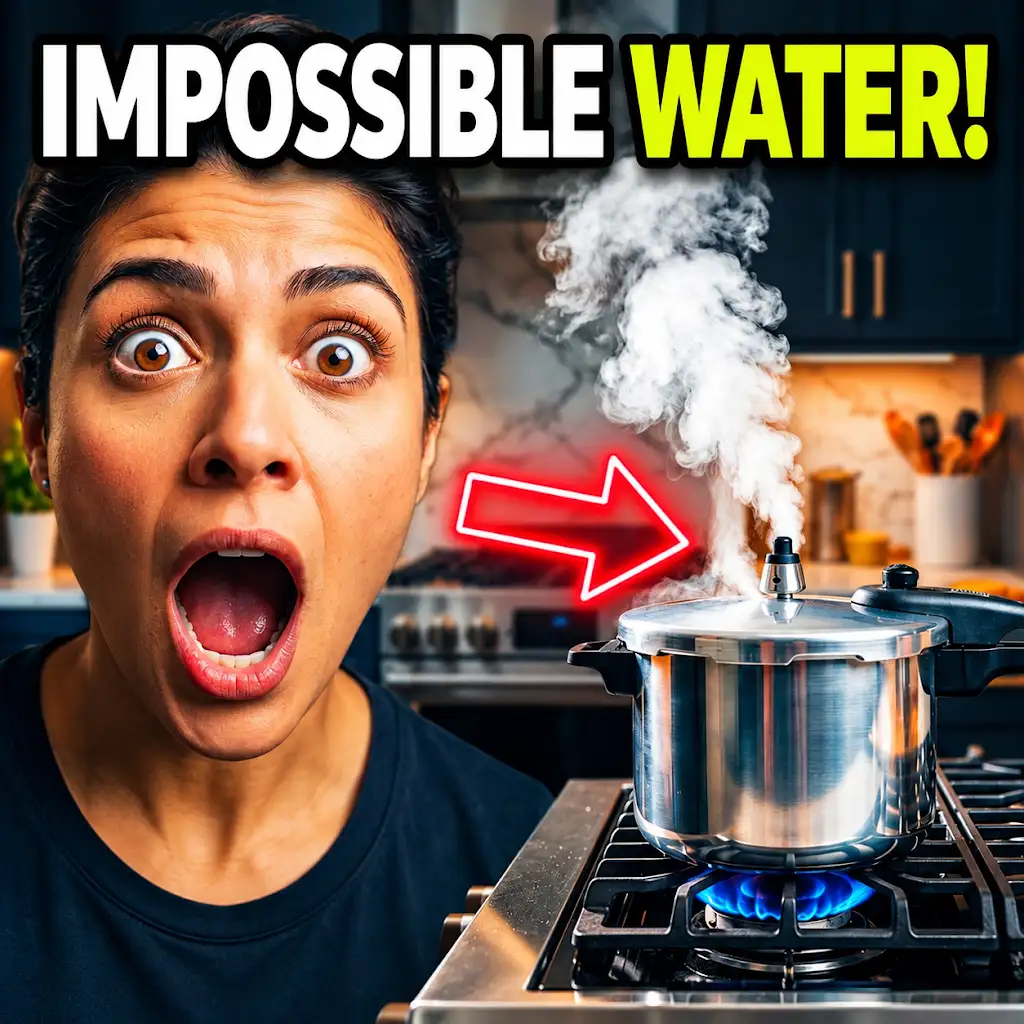
Why This Water Doesn’t Boil at 100°C
FAQs
1. How does a pressure cooker work?
A pressure cooker works by trapping steam inside a sealed pot, which increases the pressure and raises the boiling point of water. This higher temperature cooks food faster than traditional methods.
2. What are the key components of a pressure cooker?
The key components of a pressure cooker include a pot, a locking lid with a rubber gasket, a pressure release valve, and a pressure indicator. These parts work together to create a sealed environment for cooking under pressure.
3. How does the pressure release valve function in a pressure cooker?
The pressure release valve in a pressure cooker is designed to regulate the internal pressure by releasing excess steam. It helps maintain a safe pressure level inside the cooker during the cooking process.
4. Can you cook a variety of foods in a pressure cooker?
Yes, a pressure cooker is versatile and can be used to cook a wide range of foods, including meats, vegetables, grains, and even desserts. The high pressure and temperature help tenderize tough cuts of meat and reduce cooking times for many dishes.
5. Is it safe to use a pressure cooker?
When used correctly and following the manufacturer’s instructions, a pressure cooker is safe to use. Modern pressure cookers come with built-in safety features, such as pressure release valves and locking mechanisms, to prevent accidents and ensure a secure cooking experience.