The Science of Speed: How Pressure Cookers Transform Tough Beans
The humble bean, a powerhouse of protein and fiber, often comes with a culinary caveat: a lengthy soaking and cooking time. For those who appreciate the nutritional bounty of legumes but lack the hours for traditional preparation, the pressure cooker emerges as a remarkable solution. This seemingly simple kitchen appliance possesses a unique ability to dramatically accelerate the softening process of even the most stubborn dried beans. Understanding the physics and chemistry at play reveals why a pressure cooker is not just a shortcut, but a fundamentally different and remarkably effective method for achieving perfectly tender beans in a fraction of the time.
If you’re curious about the science behind how a pressure cooker softens beans, you might find this related article insightful. It delves into the principles of pressure cooking and how it affects the texture and cooking time of legumes. For more information, you can read the article here: Freaky Science.
Unlocking the Structure: Water’s Role in Bean Transformation
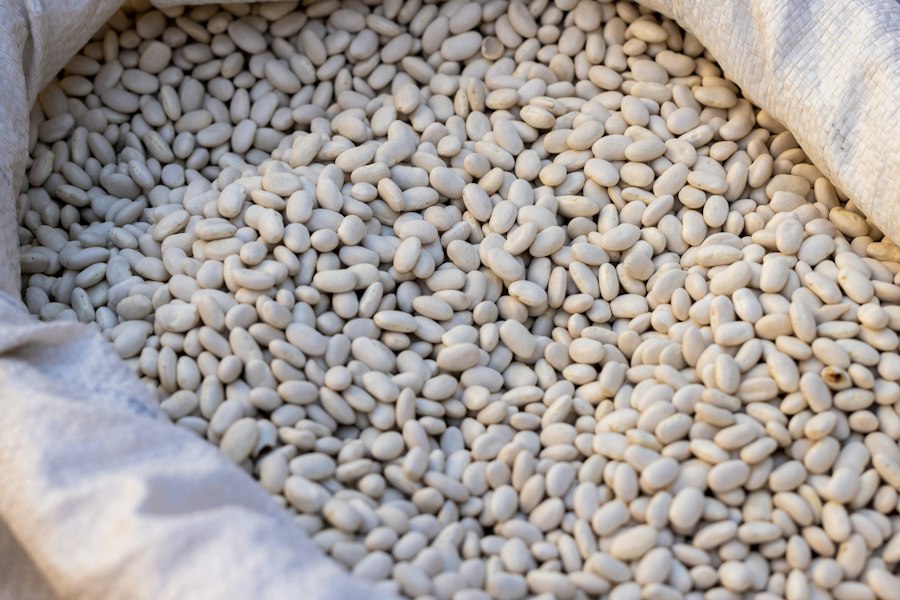
Dried beans are essentially dehydrated seeds. Their tough outer skins, known as the seed coat, and the complex starches and proteins within the bean’s cotyledons are designed for survival. To become palatable and digestible, these structures need to break down, and water is the key agent in this transformation. Traditionally, beans are soaked to rehydrate them. This initial hydration is crucial, allowing water to penetrate the seed coat and begin softening the internal components. However, traditional methods often require prolonged soaking, sometimes overnight, followed by hours of simmering.
The Power of Penetration: Rehydration in a Pressure Environment
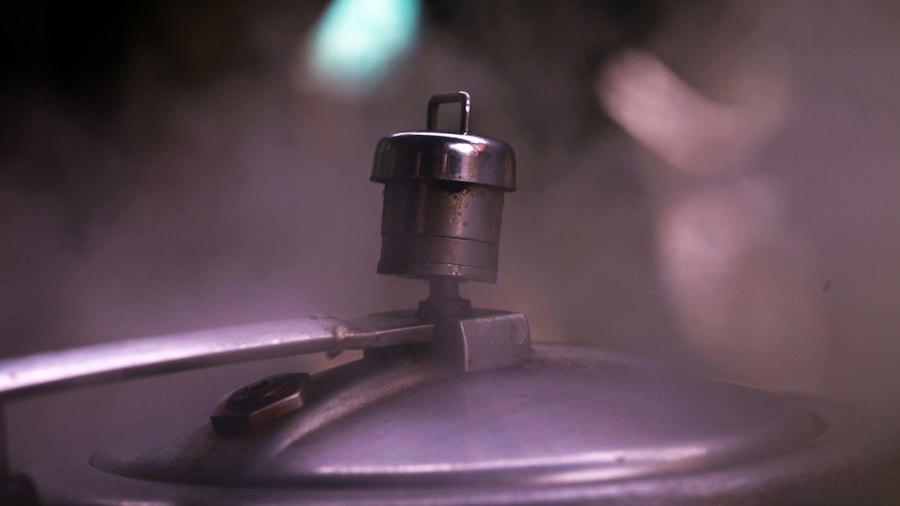
Pressure cookers fundamentally alter the rehydration process. While soaking is still beneficial, especially for very old or hard beans, the pressure cooker significantly enhances water’s ability to infiltrate the bean’s cellular structure. Inside the sealed environment of a pressure cooker, as the liquid heats up, it vaporizes, creating steam. This steam builds pressure within the pot, typically reaching levels of 15 psi (pounds per square inch) above atmospheric pressure. This elevated pressure has a profound effect on the boiling point of water. Instead of boiling at the standard 212°F (100°C), water in a pressure cooker boils at a much higher temperature, often around 250°F (121°C).
This higher cooking temperature is the primary driver of accelerated softening. It drastically increases the kinetic energy of the water molecules, allowing them to penetrate the bean’s seed coat and cell walls more rapidly and effectively. Think of it like trying to push through a crowd: a gentle nudge might have little effect, but a forceful shove will open a path much more quickly. The increased pressure and temperature work in concert to achieve this forceful penetration. Furthermore, the pressure itself plays a role. It forces the hot liquid into any microscopic cracks or imperfections in the bean’s structure, further aiding the rehydration process. This means that even without a lengthy pre-soak, beans placed directly into a pressure cooker will begin to soften much faster than they would in a conventional pot.
The Heat is On: How Temperature Accelerates Molecular Changes
The elevated temperature achieved within a pressure cooker is more than just a catalyst for faster rehydration; it actively breaks down the complex molecules that give dried beans their characteristic firmness. This involves changes to both the starches and the structural components of the bean.
Starch Gelatinization: The Softening Backbone
Beans are rich in starches, which are long chains of glucose molecules. In their dry state, these starches are tightly packed and resistant to breakdown. When exposed to heat and moisture, starches undergo a process called gelatinization. This involves the starch granules absorbing water, swelling, and eventually bursting, releasing the starch molecules into the surrounding liquid. This release causes the liquid to thicken and the beans to soften significantly. In a conventional pot, this process occurs gradually at boiling temperatures. However, the higher temperature within a pressure cooker dramatically speeds up gelatinization. The increased thermal energy causes the starch granules to absorb water and swell much more rapidly, leading to a quicker and more complete breakdown of their rigid structure. This results in the creamy, tender texture we associate with well-cooked beans.
Breaking Down the Cell Walls: Releasing the Inner Goodness
Beyond starch gelatinization, the high heat and pressure within a pressure cooker also contribute to the breakdown of the bean’s cell walls and the connective tissues that hold the bean together. These structures are primarily composed of complex carbohydrates like cellulose and pectin. While traditionally very resistant to heat, the intense conditions inside a pressure cooker accelerate their degradation. This breakdown makes the bean’s interior more accessible and contributes to its overall tenderness and the characteristic “creamy” texture that is so desirable. The increased pressure also plays a role here, acting as a force that helps to rupture weakened cell membranes, allowing the cooking liquid to penetrate even deeper and further facilitate the breakdown of these structural elements.
The Science of Steam: Pressure’s Unique Impact
While the elevated temperature is a significant factor, the pressure itself is not merely a consequence of the heat; it actively contributes to the softening process in distinct ways. Understanding this interplay between pressure and steam is crucial to appreciating the pressure cooker’s efficiency.
Increased Solubility and Diffusion: Faster Nutrient and Flavor Infusion
The high pressure within the cooker influences the solubility of various compounds in the cooking liquid. This means that more of the flavoring agents from aromatics like onions, garlic, and herbs, as well as salt, can dissolve into the water at these elevated temperatures. This enhanced solubility leads to a more rapid and efficient infusion of flavor into the beans. Furthermore, the pressure acts to accelerate diffusion rates. Diffusion is the process by which molecules move from an area of high concentration to an area of low concentration. In the context of pressure cooking, this means that the water molecules and dissolved flavor compounds move into the beans more quickly, and conversely, any undesirable compounds within the beans are extracted more rapidly into the cooking liquid. This not only speeds up flavor absorption but can also contribute to a cleaner taste by removing some of the “beany” compounds that might otherwise require longer simmering to dissipate.
Enzyme Activity and Molecular Restructuring: Subtle but Significant Effects
While not the primary driver, the elevated temperature and pressure can also influence the activity of certain enzymes naturally present in beans. These enzymes, under normal cooking conditions, contribute to the breakdown of complex molecules. The higher temperatures can accelerate their activity in the initial stages of cooking, and the pressure can create an environment conducive to certain enzymatic reactions that might otherwise be slower or require different conditions. Additionally, the combination of heat and pressure can induce subtle molecular restructuring within the bean’s protein and carbohydrate matrices. This can lead to a more complete and uniform softening throughout the bean, preventing the common issue of tough cores that can sometimes occur with traditional cooking methods.
Using a pressure cooker is an effective way to soften beans quickly, as the high-pressure environment allows the beans to absorb water more efficiently and cook faster than traditional methods. For those interested in exploring the science behind this cooking technique, you can read a related article that delves deeper into the principles of pressure cooking and its benefits. This resource provides valuable insights into how pressure cooking not only saves time but also enhances the nutritional value of your meals. To learn more about this fascinating topic, check out the article on Freaky Science.
Efficiency and Time Savings: The Practical Advantages
| Metric | Description | Typical Value/Range | Effect on Bean Softening |
|---|---|---|---|
| Pressure inside cooker | Amount of pressure generated during cooking | 10-15 psi (pounds per square inch) | Increases boiling point of water, allowing higher cooking temperature |
| Cooking temperature | Temperature inside the pressure cooker | 115-121°C (239-250°F) | Speeds up softening by breaking down cell walls and starches |
| Cooking time | Duration beans are cooked under pressure | 20-40 minutes (varies by bean type) | Longer time results in softer beans |
| Water content | Amount of water used relative to beans | 2-3 cups water per cup of beans | Ensures proper steam generation and even cooking |
| Bean type | Variety of bean being cooked | Kidney, black, pinto, chickpeas, etc. | Different beans require different cooking times for softening |
| Pre-soaking | Whether beans are soaked before cooking | Soaked 6-12 hours or unsoaked | Pre-soaking reduces cooking time and improves softness |
The scientific principles discussed above translate directly into tangible benefits for the home cook. The pressure cooker’s ability to soften beans quickly and effectively offers significant advantages in terms of time, energy, and even the nutritional profile of the cooked product.
Beyond Speed: Energy and Resource Conservation
The most obvious benefit of pressure cooking beans is the dramatic reduction in cooking time. Where traditional methods might require 1-3 hours of simmering (after soaking), a pressure cooker can often achieve perfectly tender beans in 20-40 minutes, depending on the type of bean and whether it was pre-soaked. This is not just a convenience; it also translates to energy savings. Shorter cooking times mean less fuel (gas or electricity) is consumed. This makes pressure cooking a more environmentally conscious choice. Furthermore, because the pot is sealed, less water is lost to evaporation, meaning cooks can often use less liquid overall, further contributing to resource efficiency. The minimal water loss also means that more of the nutrients that might leach into the cooking water in a conventional pot remain within the beans or the cooking liquid, contributing to a more nutritious final dish.
Preserving Nutrients and Enhancing Digestibility
The speed and contained cooking environment of a pressure cooker also have positive implications for the nutritional content of beans. Vitamins and minerals, particularly water-soluble ones like B vitamins, can be lost through prolonged boiling and evaporation in traditional cooking methods. Because pressure cooking is so much faster and involves less water loss, more of these essential nutrients are retained. Moreover, the accelerated breakdown of complex carbohydrates and proteins in a pressure cooker can also make beans more digestible. The intense heat and pressure help to break down antinutrients like phytates, which can interfere with mineral absorption. This enhanced digestibility means that the beneficial nutrients in beans are more readily available to the body. The rapid cooking also means that the bean’s natural enzymes responsible for the production of gas are deactivated more quickly, potentially leading to less flatulence for some individuals.
Conclusion: A Culinary Revolution in Every Pot
The pressure cooker, with its elegant interplay of heat and pressure, stands as a testament to ingenious culinary engineering. By transforming the fundamental physics of cooking, it unlocks the potential of dried beans, turning them from culinary challenges into weeknight staples. The accelerated rehydration, the rapid breakdown of starches and cellular structures, and the enhanced diffusion of flavors all converge to deliver perfectly tender beans in a fraction of the time. This not only saves precious minutes in the kitchen but also conserves energy and preserves valuable nutrients, making pressure-cooked beans a smart, sustainable, and delicious choice for any meal. The science behind its effectiveness is clear: a pressure cooker doesn’t just cook beans faster; it transforms them more completely and efficiently, revolutionizing how we approach these nutritional powerhouses.

Why This Water Doesn’t Boil at 100°C
FAQs
1. How does a pressure cooker soften beans?
A pressure cooker uses high pressure and steam to cook food quickly, which helps to break down the tough fibers in beans and soften them faster than traditional cooking methods.
2. How long does it take to soften beans in a pressure cooker?
Depending on the type of beans, it typically takes about 20-30 minutes of cooking under pressure to soften beans in a pressure cooker.
3. Do I need to soak beans before using a pressure cooker?
While soaking beans can help reduce cooking time, it is not necessary when using a pressure cooker as the high pressure and heat will effectively soften the beans without soaking.
4. Can I add seasonings and spices to beans in a pressure cooker?
Yes, you can add seasonings, spices, and other flavorings to beans in a pressure cooker to enhance the taste of the dish. It is recommended to add these ingredients before cooking under pressure.
5. Are there any safety precautions to consider when using a pressure cooker to soften beans?
It is important to follow the manufacturer’s instructions for your specific pressure cooker model to ensure safe usage. Always release the pressure before opening the cooker, and never overfill the cooker with ingredients to prevent accidents.