The subtle art of cooking with condensation is a testament to fundamental physics, often overlooked in favor of more overt heat sources. While we readily associate cooking with direct flame, radiant heat from an oven, or the electric resistance of a stovetop element, the latent heat released by phase changes, particularly condensation, plays a crucial role in achieving efficient and delicious results. This phenomenon is not merely an incidental byproduct but a powerful tool that chefs and home cooks alike can harness, consciously or unconsciously, to enhance their culinary endeavors. Understanding how condensation releases heat allows for more precise temperature control, even cooking, and the development of desirable textures. It is a principle that underpins many cooking techniques, from steaming and braising to the humble act of covering a pot. The science behind it, while seemingly complex, is rooted in the energy transfer that occurs when water vapor transforms into liquid water, a process that directly contributes to the cooking environment.
The Science of Steam and Latent Heat
The fundamental principle at play is the concept of latent heat. This is the energy absorbed or released during a phase transition, such as melting, freezing, boiling, or condensation, at a constant temperature. In the context of cooking, the most relevant phase transition involving latent heat is the condensation of water vapor. Water molecules in the gaseous state (steam) possess a considerable amount of kinetic energy. When these high-energy molecules come into contact with a cooler surface, such as food or the interior walls of a cooking vessel, they lose energy. This energy loss doesn’t immediately reduce the temperature of the vapor; instead, it is released into the surrounding environment as latent heat of condensation.
Understanding Phase Changes in Water
Water exists in three primary states: solid (ice), liquid (water), and gas (steam). The transitions between these states require or release energy. To transform liquid water into steam (boiling), energy must be absorbed to break the intermolecular bonds holding the water molecules together in the liquid phase. This is known as the latent heat of vaporization. Conversely, when steam transforms back into liquid water (condensation), these bonds reform, and the energy previously used to break them is released. This is the latent heat of condensation, and it is equal in magnitude but opposite in sign to the latent heat of vaporization. For water at standard atmospheric pressure, the latent heat of vaporization is approximately 2260 kilojoules per kilogram (kJ/kg), meaning a substantial amount of energy is stored within steam. When this steam condenses, that same amount of energy is released.
The Role of Vapor Pressure
Vapor pressure is a critical factor in understanding how steam behaves. It is the pressure exerted by a vapor in thermodynamic equilibrium with its condensed phases (solid or liquid) at a given temperature in a closed system. As temperature increases, the vapor pressure of a liquid also increases. When the vapor pressure of water reaches the external atmospheric pressure, boiling occurs. In a sealed or partially sealed cooking environment, the vapor pressure of steam can build up, creating a more intense cooking atmosphere. This elevated pressure, combined with the heat of condensation, can significantly accelerate cooking times and ensure more even heat distribution.
Measuring the Energy Release
The amount of heat released during condensation is significant and quantifiable. At 100°C (212°F) at standard atmospheric pressure, the latent heat of condensation is approximately 2260 kJ/kg. This means that every kilogram of steam that condenses releases 2260 kilojoules of energy. To put this into perspective, consider heating a kilogram of water from 20°C to 100°C. This requires approximately 335 kilojoules of energy. The latent heat released by condensing that same kilogram of water vapor is nearly seven times greater. This immense energy transfer is what makes steaming and other condensation-driven cooking methods so effective.
Condensation plays a crucial role in the cooking process, particularly in how it releases heat that enhances the flavor and texture of food. When water vapor condenses on the surface of food, it releases latent heat, which can help to cook the food more evenly and efficiently. For a deeper understanding of the science behind this phenomenon and its implications in culinary practices, you can read more in this related article on the topic at Freaky Science.
Condensation in Action: Steaming and Braising
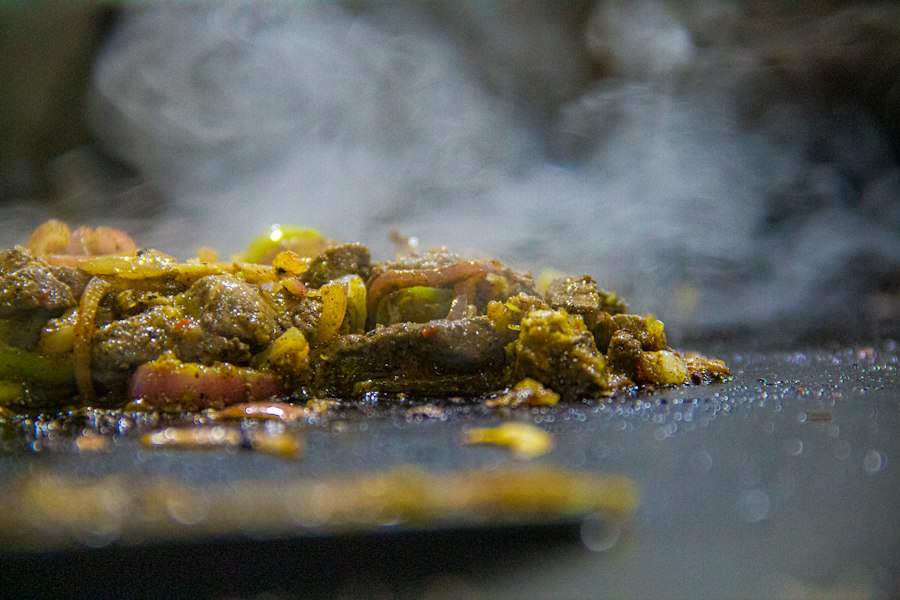
Two prime examples of cooking techniques that heavily rely on the heat released by condensation are steaming and braising. In both methods, the presence of liquid water and its subsequent vaporization and condensation create a moist, high-temperature cooking environment that cooks food efficiently and gently. These methods leverage the principles of latent heat to achieve results that are often difficult to replicate with dry heat alone.
The Power of the Steamer Basket
Steaming involves cooking food in the steam generated from boiling water. As the water boils, it turns into steam, carrying the latent heat of vaporization. When this steam comes into contact with the cooler food placed above the boiling water, it condenses. This condensation process releases a substantial amount of heat directly onto the surface of the food. Unlike direct contact with boiling water, steam provides a more controlled and even application of heat. The steam surrounds the food, ensuring that all surfaces are exposed to this energy-rich vapor. This leads to faster cooking times and helps to preserve the food’s moisture and nutrients, resulting in tender and succulent dishes. The constant replenishment of steam from the boiling water ensures a steady supply of latent heat, maintaining a consistent cooking temperature, typically around 100°C (212°F) at sea level.
Braising: A Slow and Steady Release
Braising is a moist-heat cooking method that involves searing food and then simmering it slowly in a covered pot with a liquid. While the initial searing uses dry heat, the subsequent braising process relies heavily on condensation. The liquid in the pot, typically broth or wine, heats up and begins to steam. As the steam rises and encounters the cooler lid of the pot, it condenses, releasing its latent heat. This heat then drips back down onto the food, continuing the cooking process. The covered pot traps the steam, creating a humid environment where the food is gently cooked from all sides. This slow, moist cooking breaks down tough connective tissues in meats, making them incredibly tender, and infuses the food with the flavors of the braising liquid. The constant cycle of vaporization and condensation within the braising pot ensures a consistent temperature and prevents the food from drying out.
Other Applications: Poaching and Sous Vide
While steaming and braising are prominent examples, other methods also benefit from condensation. Poaching, where food is submerged in liquid at a temperature below boiling, can involve some degree of condensation if the liquid is close to its boiling point and the food is not fully submerged or if the cooking vessel is partially covered. Sous vide, while primarily focused on precise temperature control through water baths, can also experience minor condensation within the vacuum-sealed bags, especially if there’s any headspace. However, the primary heat transfer in sous vide is through direct conduction from the water.
Efficiency Gains Through Moisture Retention
The heat released by condensation is not only effective for cooking but also intrinsically linked to moisture retention, a critical factor in efficient cooking. By keeping food moist, condensation prevents the loss of valuable water content, which can lead to shrinkage, dryness, and a reduction in overall yield. This directly translates to a more efficient use of the food product.
Preventing Dehydration and Maximizing Yield
When food is cooked with dry heat, such as roasting or grilling without basting, water evaporates from the surface. This evaporation process absorbs heat, which is why it can feel cooling. However, in the context of cooking, this loss of water also means a loss of weight and volume. Condensation, by contrast, creates a humid environment. The steam that condenses on the food replenishes some of the moisture lost. This not only keeps the food tender and juicy but also maximizes its yield. For instance, a braised piece of meat will retain more of its original weight compared to a similarly sized piece roasted without moisture. This is a direct economic benefit in commercial kitchens and a tangible advantage for home cooks.
Preserving Nutrients and Flavor Compounds
Many nutrients and flavor compounds are water-soluble. When food dries out during cooking, these valuable components can be lost along with the water. The moisture-retaining properties of condensation-driven cooking methods help to keep these compounds within the food. This results in dishes that are not only more succulent but also retain more of their original nutritional value and inherent flavors. Delicate ingredients like vegetables can become mushy and lose their vibrancy when overcooked with dry heat, but steaming, with its gentle application of heat and moisture, preserves their texture and color.
Energy Efficiency in Cooking
From an energy perspective, cooking with condensation can be more efficient than some dry-heat methods. The latent heat of condensation provides a powerful and consistent heat source. Once a cooking vessel is filled with steam, it can maintain a relatively stable temperature with less energy input compared to maintaining the high dry heat of an oven, especially for smaller quantities or specific dishes. The efficiency comes from the fact that steam can transfer heat more rapidly and effectively to food than air, and the latent heat release means that the energy is being used directly for cooking rather than simply heating the surrounding air.
Harnessing Condensation for Optimal Cooking
Consciously understanding and utilizing the principles of condensation can elevate a cook’s ability to achieve predictable and superior results. This involves understanding how to create and manage the conditions that favor condensation, thereby controlling the cooking process more effectively.
The Importance of Lids and Seals
The presence of a lid on a cooking pot or pan is crucial for trapping steam and promoting condensation. A well-fitting lid creates a closed or semi-closed environment, preventing the steam from escaping. As the steam encounters the cooler lid, it condenses, releasing its latent heat. This heat then drips back down onto the food. Without a lid, the steam dissipates into the kitchen, taking its valuable latent heat with it, and the cooking process becomes less efficient and more prone to drying out the food. Similarly, in ovens, a closed door is essential for maintaining the internal temperature and humidity.
Controlling the Heat Source
The intensity of the heat source directly influences the rate of vaporization and, consequently, the amount of condensation and heat released. For steaming, a gentle simmer is often sufficient to generate enough steam. For braising, a medium-low heat is typically used once the liquid has reached a simmer. Overly aggressive heat can lead to excessive boiling, rapid steam loss, and potentially overcooking or burning the food. Conversely, insufficient heat will not generate enough steam to cook efficiently. Finding the right balance is key to harnessing condensation effectively.
Food Preparation and Surface Area
The way food is prepared can also influence how it interacts with condensation. Smaller, more uniformly cut pieces of food will cook more evenly in a steamy environment as they present a larger collective surface area for condensation to occur. For meats, scoring or creating a slightly rough surface can also encourage more even condensation and heat transfer. The density of the food also plays a role; denser foods will absorb heat more slowly and may require longer cooking times to allow for sufficient heat penetration facilitated by condensation.
Temperature Considerations for Different Foods
While 100°C (212°F) is a common temperature for steam at sea level, atmospheric pressure variations and altitude can affect this. At higher altitudes, water boils at a lower temperature, meaning steam will be less hot. However, the principle of latent heat release still applies. For foods that are delicate or prone to overcooking, using a lower temperature steam or a less intense braising liquid can be beneficial, still utilizing the gentle heat of condensation without the risk of damage. Understanding the specific needs of different ingredients is paramount to optimal cooking with condensation.
Condensation plays a crucial role in the cooking process, particularly when it comes to how heat is released and retained in food. When water vapor condenses on the surface of food, it releases latent heat, which can enhance the cooking process and improve the overall flavor and texture of the dish. For a deeper understanding of this fascinating phenomenon, you can explore a related article that delves into the science behind heat transfer in cooking. This article provides insights into various cooking techniques and their effects on food. To read more, visit this link.
Beyond Basic Cooking: Advanced Applications and Culinary Innovations
| Aspect | Description | Metric/Value |
|---|---|---|
| Process | Condensation of water vapor on food surface releases latent heat | Heat released per gram of water condensed: 2260 J/g |
| Temperature Effect | Heat released raises the temperature of the food | Temperature increase depends on food mass and specific heat capacity |
| Latent Heat of Vaporization | Energy released when water vapor condenses to liquid | Approximately 2260 Joules per gram of water |
| Heat Transfer Mode | Condensation transfers heat via phase change on food surface | More efficient than sensible heat transfer alone |
| Practical Application | Used in cooking methods like steaming to cook food evenly | Condensation heat helps maintain moist cooking environment |
The understanding of condensation’s role in cooking extends beyond traditional methods, influencing modern culinary techniques and innovations that aim for precision, consistency, and novel textures. This scientific appreciation allows chefs to push the boundaries of what is possible in the kitchen.
Molecular Gastronomy and Controlled Environments
In molecular gastronomy, the principles of thermodynamics, including latent heat, are explored and manipulated to create unique culinary experiences. Techniques like creating perfect custards or gels often rely on precise temperature control, where understanding condensation’s heat release can help prevent curdling or ensure even setting. Controlled steam ovens, which are now common in professional kitchens, allow for precise regulation of temperature and humidity, effectively optimizing the benefits of condensation for a wide range of dishes, from delicate fish to crusty bread.
The Role of Condensation in Baking
While often associated with dry heat, condensation plays a subtle yet important role in baking. When bread dough is first placed in a hot oven, the moisture within the dough begins to vaporize. This steam, trapped by the initial heat, causes the dough to expand rapidly – the “oven spring.” As the steam condenses on the cooler oven walls, it contributes to the humidity inside the oven, which helps to create a crispier crust and a more tender crumb. Some baking techniques, like using a Dutch oven for bread, explicitly utilize trapped steam to mimic this effect, enhancing the crust’s texture and development.
Innovations in Cooking Technology
Modern cooking appliances are increasingly designed with an awareness of thermal dynamics. Combi-ovens, for instance, can switch between convection, steam, and a combination of both, allowing chefs to leverage condensation precisely. The development of vacuum-sealed cooking bags for sous vide, while primarily for insulation, also means that any internal condensation within the bag contributes to the internal cooking environment of the food item. These technological advancements underscore the enduring importance of understanding fundamental heat transfer principles.
The Future of Condensation in Cooking
As culinary science continues to evolve, the deliberate application of condensation’s heat release is likely to become even more prominent. Researchers and chefs are exploring new ways to control and utilize this phenomenon, perhaps through specialized cookware designed for optimal condensation or advanced feedback systems that monitor and adjust steam levels in real-time. The pursuit of flavor, texture, and efficiency will undoubtedly continue to be driven by a deeper understanding of the physics that govern how we cook, with condensation remaining a powerful, often unsung, hero in the culinary arts. The ability to harness this latent heat ensures that food is not only cooked but transformed, with each phase change contributing to a more delicious and satisfying outcome.

Why This Water Doesn’t Boil at 100°C
FAQs
1. How does condensation release heat on food?
Condensation releases heat on food by transferring the heat energy from the steam to the food surface when the steam comes into contact with the cooler food. This heat transfer causes the steam to condense into water droplets, releasing heat in the process.
2. Why does condensation form on food surfaces?
Condensation forms on food surfaces when the warm steam from the food comes into contact with a cooler surface, such as the food itself or the surrounding air. The temperature difference causes the steam to cool down and change from a gas to a liquid state, resulting in condensation.
3. How does condensation affect the temperature of food?
Condensation can affect the temperature of food by transferring heat energy from the steam to the food surface, causing the food to heat up. This can help in keeping the food warm or even reheating it slightly, depending on the duration and intensity of the condensation process.
4. Can condensation release heat on both hot and cold food?
Condensation can release heat on both hot and cold food, but the impact may vary. On hot food, condensation can help retain heat and moisture, while on cold food, condensation can help warm it up slightly. The temperature difference between the food and the steam will determine the extent of heat transfer.
5. Is condensation releasing heat on food a natural process?
Yes, condensation releasing heat on food is a natural process that occurs when there is a temperature difference between the food and the surrounding steam or air. This heat transfer mechanism is commonly observed in various cooking and food preservation methods.