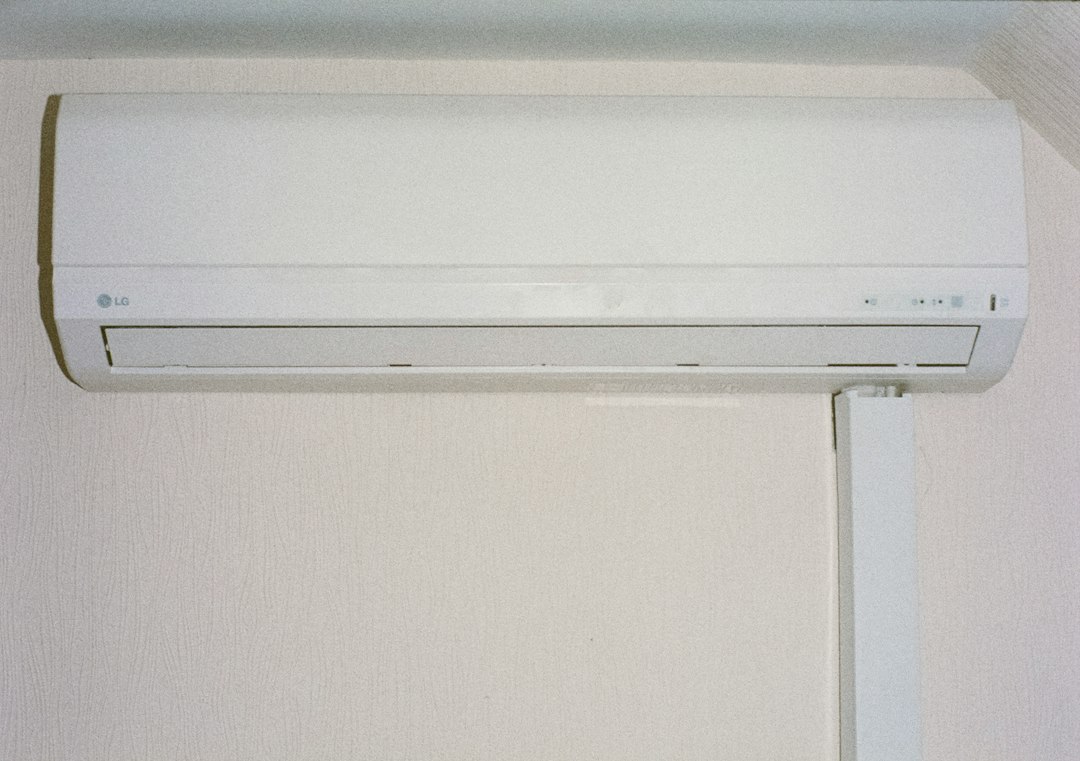
You might be sitting there, basking in the cool, crisp air a perfectly functioning air conditioner provides, wondering how it achieves such a magical feat. It’s not alchemy, though it feels like it on a sweltering day. It’s thermodynamics, and your AC unit is a master of it, expertly orchestrating a cycle of heat transfer to pump that unwanted warmth from your indoor sanctuary to the great outdoors. Let’s delve into the fascinating world of your AC, understanding the silent, invisible work it performs to keep you comfortable.
The Invisible Orchestra of Refrigerant
At the heart of every air conditioning system lies a special fluid called refrigerant. This isn’t your typical water; it’s a chemical compound meticulously chosen for its ability to absorb and release heat at specific temperatures and pressures. Think of it as the tireless courier in your AC’s operation, constantly moving heat from one place to another. The refrigerant cycles through a closed loop within your AC unit, undergoing dramatic changes in its physical state – from liquid to gas and back again – which is the key to its heat-moving prowess.
The Humble Beginnings: The Compressor
Your AC’s journey begins with the compressor, usually located in the outdoor unit. This is where the magic of pressure manipulation happens. The compressor takes the refrigerant, which has absorbed heat from inside your home and has therefore turned into a low-pressure gas, and compresses it. This compression dramatically increases the pressure and, consequently, the temperature of the refrigerant. Imagine squeezing a sponge; you’re forcing its contents (in this case, heat) to become more concentrated and agitated. This hot, high-pressure gas is now ready to embark on its next crucial mission: releasing its captured heat.
The Hot Breath of the Outdoor Unit: The Condenser Coil
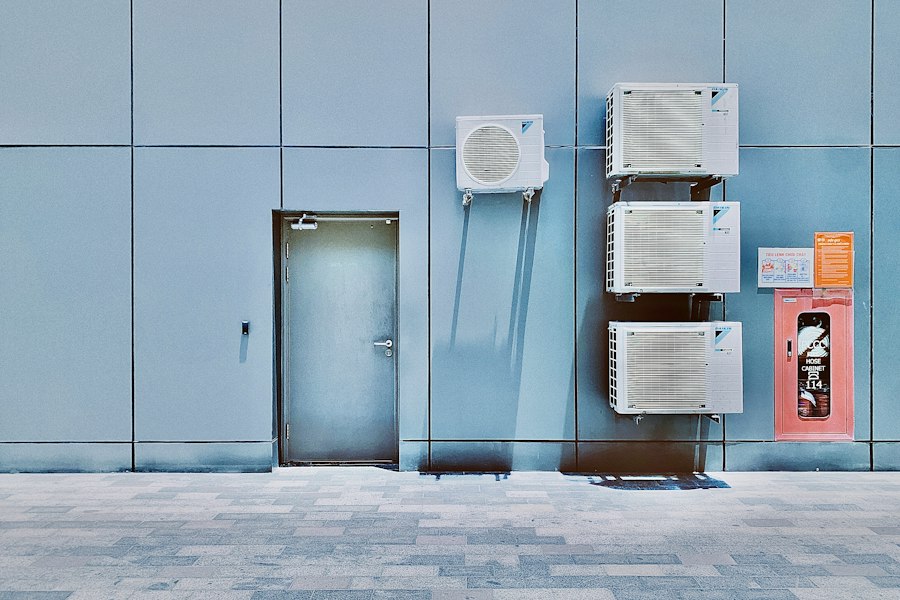
The superheated refrigerant gas then travels to the condenser coil, which is a series of finned tubes found within your outdoor AC unit. As the hot gas flows through these coils, it encounters the cooler ambient air, which is being actively drawn across the fins by a powerful fan. This temperature difference is the driving force for heat transfer. The heat from the refrigerant transfers to the cooler outdoor air, causing the refrigerant to cool down and, importantly, condense back into a high-pressure liquid. This is why the outdoor unit feels warm and why you can often hear the fan running; it’s actively shedding the heat that was once inside your home. The fins on the condenser coil are designed to maximize surface area, allowing for more efficient heat exchange with the surrounding air. Think of them as little radiators, increasing the surface area for heat to escape.
The Pressure Drop: The Expansion Valve
After being condensed into a high-pressure liquid in the outdoor unit, the refrigerant then makes its way back inside your home, but not directly to the cooling coils. It first encounters a crucial component called the expansion valve (or sometimes a capillary tube, depending on the AC’s size and type). This valve acts as a bottleneck, restricting the flow of the liquid refrigerant. As the high-pressure liquid is forced through this narrow opening, its pressure plummets dramatically. This sudden drop in pressure causes a significant decrease in the refrigerant’s temperature. It’s similar to how spraying an aerosol can feels cold; the propellant expands rapidly, and its temperature drops. This is a vital step, as it prepares the refrigerant to become a super-cold liquid, ready to absorb heat once more.
When considering how air circulation works in air conditioning systems, it’s essential to understand the mechanics behind air exchange. A related article that delves deeper into this topic is available at Freaky Science, where you can explore how air from inside a building is managed and whether it gets pumped outside by the AC unit. This resource provides valuable insights into the efficiency and functionality of HVAC systems, helping you grasp the nuances of indoor air quality and temperature control.
The Cold Embrace of the Indoor Unit
With the refrigerant now a frigid, low-pressure liquid, it’s ready to perform its primary function: cooling your home. This is where the magic truly feels tangible, as the cool air begins to circulate, banishing the oppressive heat. The refrigerant’s journey inside is just as critical as its time spent outdoors.
The Heat Sponge: The Evaporator Coil
The now cold, low-pressure liquid refrigerant flows into the evaporator coil, which is located inside your indoor air handler unit (often hidden in your attic, basement, or a closet). This coil is also a network of finned tubes, but its purpose is the opposite of the condenser coil. As a fan within the air handler draws warm, humid air from your living space across these frigid coils, heat is transferred from the indoor air to the refrigerant. The refrigerant, being so much colder than the room air, acts like a super-sponge, soaking up all the available heat. As it absorbs this heat, the refrigerant begins to boil and evaporate, transforming back into a low-pressure gas. This process effectively removes heat and humidity from your indoor air, making it cooler and more comfortable. This is the moment the air you breathe becomes chilled.
The Dehumidification Dance
As the warm, humid air from your home passes over the cold evaporator coils, something else happens that’s crucial for comfort: dehumidification. The cold surface of the evaporator coil causes water vapor in the air to condense into liquid water. This is the same principle that causes condensation on a cold glass on a hot day. This condensed water drips from the evaporator coil into a drain pan and is then typically carried away by a drain line, either outside your home or to a plumbing drain. This removal of moisture from the air is a significant part of what makes your AC feel so refreshing. Dry air feels cooler than humid air, even at the same temperature, and your AC is actively working to achieve that drier state.
The Moving Air: The Indoor Fan
The indoor fan in your air handler plays an equally important role in this process. It’s the engine that drives the cool air throughout your home. Once the air has passed over the cold evaporator coil and been cooled (and dehumidified), the fan pushes this conditioned air through your ductwork and out into your various rooms. Simultaneously, this same fan is drawing in the warm air from your rooms to be re-conditioned by the evaporator coil. This continuous circulation of air is what ensures that the cool, dry air reaches every corner of your house, creating an even and comfortable temperature. Without the fan, the cooled air would simply remain stagnant around the evaporator coil.
The Perpetual Cycle: Closing the Loop

The entire process we’ve described – the compression, condensation, expansion, and evaporation – is not a one-time event. It’s a continuous, closed-loop cycle. The refrigerant is constantly circulating, tirelessly moving heat from inside your home to the outside, 24/7 if necessary.
The Refrigerant’s Return Journey
After absorbing heat and transforming into a low-pressure gas within the evaporator coil, the refrigerant gas is drawn back towards the compressor in the outdoor unit. This completes the circuit. The compressor then takes over again, ready to compress this newly heated gas, and the entire process begins anew. This perpetual motion is what allows your AC to maintain a consistent and comfortable indoor temperature, regardless of how hot it is outside. It’s a testament to the elegance of thermodynamic principles, harnessed for our benefit.
Pressure and Temperature: The Unsung Heroes
It’s crucial to understand that the entire operation hinges on the careful management of pressure and temperature. By manipulating the pressure of the refrigerant, the AC system can precisely control its boiling and condensing points. In the low-pressure environment of the evaporator coil, the refrigerant boils at a very low temperature, allowing it to absorb heat from the warmer indoor air. In the high-pressure environment of the condenser coil, the refrigerant condenses at a higher temperature, allowing it to release its heat to the even warmer outdoor air. This delicate balance is what makes the system so effective.
The Role of the Thermostat and Control Systems
While the refrigerant cycle is the engine of your AC’s cooling power, it’s the thermostat and associated control systems that act as the brain, dictating when and how intensely the cooling should occur. You, the homeowner, are the ultimate conductor of this symphony of comfort.
Your Command Center: The Thermostat
Your thermostat is the interface between you and your AC. When you set your desired temperature, you’re telling the thermostat to monitor the indoor air temperature. If the current temperature is higher than your set point, the thermostat sends a signal to the AC unit to begin its cooling cycle. Conversely, when the indoor temperature drops to or below your set point, the thermostat signals the AC to shut off or enter a more energy-efficient standby mode. Some modern thermostats can even be programmed for different temperatures at different times of the day, optimizing both comfort and energy savings.
The System’s Nerve Center: Control Boards
Within both your indoor and outdoor units are sophisticated control boards. These boards receive signals from the thermostat and other sensors within the AC system (such as temperature and pressure sensors) and manage the operation of the various components, including the compressor, fans, and expansion valve. They ensure that each part functions in harmony with the others to achieve the desired cooling effect efficiently and safely. For instance, they’ll prevent the compressor from running if the outdoor fan isn’t working, protecting the system from overheating.
When considering how air circulation works in an air conditioning system, many people wonder if the air from inside their homes gets pumped outside. This topic is explored in depth in a related article that discusses the mechanics of HVAC systems and their impact on indoor air quality. For more insights on this subject, you can read the article here: Freaky Science. Understanding these systems can help homeowners make informed decisions about their air conditioning needs and energy efficiency.
Beyond Cooling: The Efficiency and Maintenance Connection
| Metric | Description | Typical Value |
|---|---|---|
| Air Exchange Rate | Amount of indoor air expelled outside by the AC system per hour | 0 to 5% (varies by system type) |
| Type of AC System | Determines if indoor air is recirculated or exhausted outside | Split system: recirculates; Window unit: minimal outside air exchange |
| Ventilation Feature | Whether the AC includes fresh air intake or exhaust vents | Most residential ACs: no; Some commercial systems: yes |
| Pressure Differential | Difference in air pressure inside vs outside affecting air movement | Typically neutral or slightly positive indoors |
| Energy Efficiency Impact | Effect of pumping indoor air outside on energy consumption | Increased energy use if significant air is exhausted |
Understanding how your AC pumps inside air outside also sheds light on why efficiency and maintenance are so important. A well-maintained AC unit performs its duty more effectively and uses less energy in the process.
The Importance of Cleanliness
The fins on both the evaporator and condenser coils are crucial for efficient heat transfer. Over time, they can accumulate dust, dirt, and debris. A dirty evaporator coil in your indoor unit struggles to absorb heat, meaning it has to run longer and harder to cool your home, consuming more electricity. Similarly, a dirty condenser coil in your outdoor unit can’t effectively dissipate heat, leading to reduced cooling capacity and potential strain on the compressor. Regular cleaning of these coils, often a task for a professional HVAC technician, is paramount.
Airflow is King
The fans in both your indoor and outdoor units are responsible for moving air across the coils. Blocked or dirty air filters in your indoor unit can significantly restrict airflow to the evaporator coil. This can lead to the coil freezing over, which not only prevents cooling but can also damage the unit. Ensuring your air filters are changed regularly (typically every 1-3 months, depending on the filter type and household conditions) is one of the simplest yet most impactful maintenance tasks you can perform to keep your AC running efficiently. The outdoor fan, too, needs unobstructed airflow to expel heat effectively. Overgrown bushes or debris around the outdoor unit can hinder its performance.
Refrigerant Levels Matter
The refrigerant itself is a closed system; it shouldn’t be lost unless there’s a leak. If your AC isn’t cooling as effectively as it used to, or if you hear unusual noises, it could indicate a refrigerant leak. Low refrigerant levels mean the system can’t transfer heat as efficiently, leading to poor cooling and potential damage to the compressor. Refrigerant leaks are serious and require professional attention to be identified and repaired before the system is recharged.
By understanding the intricate dance of refrigerant, pressure, and temperature that your AC unit performs, you gain a deeper appreciation for this essential piece of home comfort technology. It’s a constant, silent worker, diligently pumping the heat from your indoor haven to the great outdoors, ensuring your personal oasis remains a cool, refreshing escape.

Your AC Blows Hot Air Outside. Is That Heat From Your Room?
FAQs
1. How does an air conditioner work?
An air conditioner works by removing heat from inside a building and transferring it outside. It does this by circulating refrigerant through a system of coils that absorb and release heat.
2. Does air from inside the building get pumped outside by an air conditioner?
Yes, air from inside the building is typically pumped outside by an air conditioner. The warm air inside is cooled and then expelled outside through the unit’s exhaust system.
3. Why is it important for air from inside to be pumped outside by an air conditioner?
It is important for air from inside to be pumped outside by an air conditioner because it helps maintain a comfortable indoor temperature by removing heat and humidity. This process also helps improve indoor air quality by circulating fresh air into the building.
4. Can air conditioners also bring in fresh air from outside?
Some air conditioning systems are designed to bring in fresh air from outside, but this is typically done through a separate ventilation system. The primary function of an air conditioner is to cool and dehumidify the air inside a building.
5. Are there any energy-efficient ways to circulate air inside a building without pumping it outside?
Yes, there are energy-efficient ways to circulate air inside a building without pumping it outside. This can be achieved through the use of ceiling fans, window fans, or by opening windows strategically to create cross ventilation. Additionally, using a heat recovery ventilator can help bring in fresh air while minimizing energy loss.