The Ingenious Science Behind Pressure Cooker Energy Savings
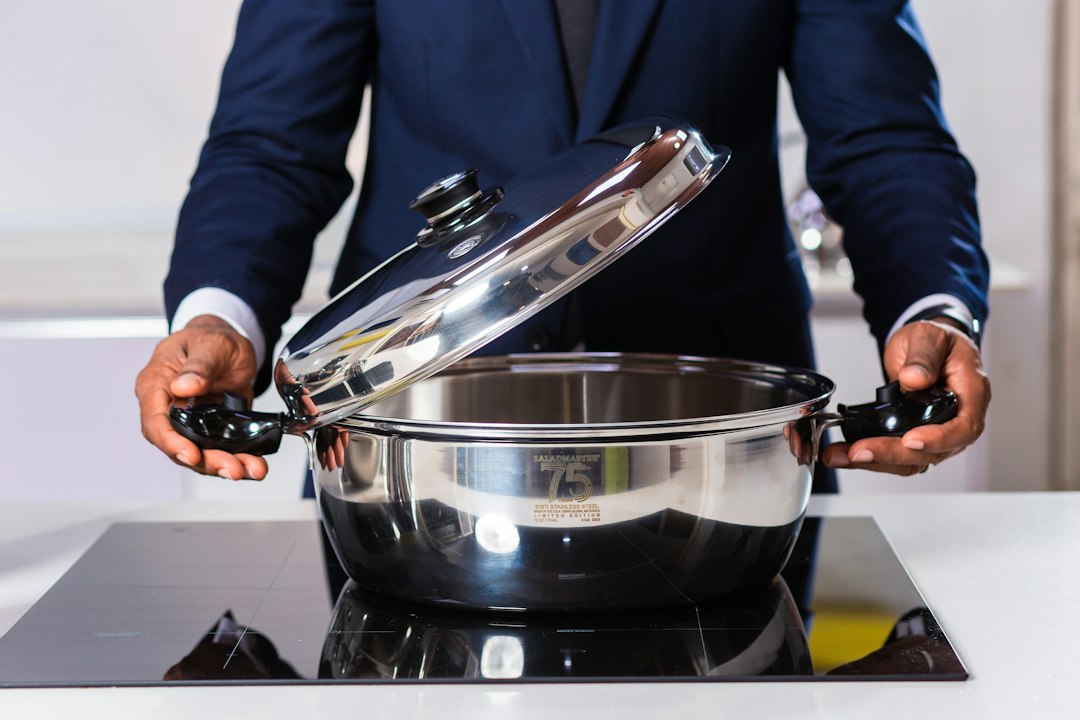
The humble pressure cooker, often seen as a relic of a bygone era, is in fact a remarkably efficient culinary tool that leverages fundamental scientific principles to drastically reduce cooking times and, consequently, energy consumption. Its core functionality lies in its ability to create a sealed environment where water boils at a significantly higher temperature than it would under normal atmospheric pressure. This seemingly simple alteration in boiling point unlocks a cascade of benefits, primarily centered around energy efficiency and a marked improvement in cooking speed. The pressure cooker’s design, with its airtight lid and pressure regulator, is the key to this phenomenon. By trapping steam generated from the liquid within the pot, the internal pressure rises. This elevated pressure directly correlates with an increased boiling point for water. Instead of boiling at its standard 100°C (212°F), water inside a pressurized cooker can reach temperatures as high as 121°C (250°F) or even more, depending on the specific cooker and the pressure it can achieve. This increased temperature is the primary driver of faster cooking, as heat is transferred to food at a much more rapid rate.
The efficiency gains are not merely theoretical; they translate into tangible reductions in energy usage. Because food cooks significantly faster, the appliance is in use for a shorter duration, thereby consuming less energy. Consider the difference between simmering a tough cut of meat for two hours on the stovetop versus pressure cooking it for 30-45 minutes. The reduction in overall stovetop burner time is substantial. This is particularly impactful in households that rely heavily on electric stovetops, where energy consumption can be a significant factor in utility bills. Furthermore, the sealed nature of the pressure cooker minimizes heat loss to the surrounding environment. Unlike an open pot where a considerable amount of heat escapes as steam, a pressure cooker retains most of its heat internally, ensuring that the energy input is directed towards cooking the food, not dissipating into the kitchen. This containment of heat is another critical aspect of its energy-saving prowess. The steam, a potent conductor of heat, is kept under pressure, allowing it to penetrate food more effectively and cook it thoroughly in a fraction of the time. This means less time the burner needs to be on, and less overall energy expenditure.
The Physics of Pressure and Temperature
The fundamental principle at play within a pressure cooker is a direct application of the relationship between pressure and boiling point, as described by the laws of thermodynamics. Water, like any liquid, has a vapor pressure that increases with temperature. When the vapor pressure of the liquid equals the ambient atmospheric pressure, it boils. In an open pot, the ambient pressure is simply the pressure of the atmosphere, typically around 14.7 pounds per square inch (psi) at sea level.
However, a pressure cooker creates a closed system. As the liquid inside heats up, it produces steam. Because this steam cannot escape, it accumulates, increasing the pressure within the pot. This elevated internal pressure then raises the boiling point of the water. The higher the pressure, the higher the temperature required for the water to boil. For instance, at a pressure of 15 psi above atmospheric pressure (resulting in a total pressure of approximately 30 psi), water boils at around 121°C (250°F). This difference of 21°C (38°F) might seem modest, but it makes a significant impact on cooking times. Heat transfer rate is directly proportional to the temperature difference between the cooking medium and the food. Therefore, cooking at a higher temperature means food cooks much faster. This scientific principle underpins the efficiency of the pressure cooker, allowing it to achieve results that would otherwise require prolonged heating. The energy invested is utilized more effectively as the higher temperature accelerates chemical reactions within the food, such as the breakdown of collagen in meats or the softening of starches in grains.
Minimizing Heat Loss and Maximizing Energy Transfer
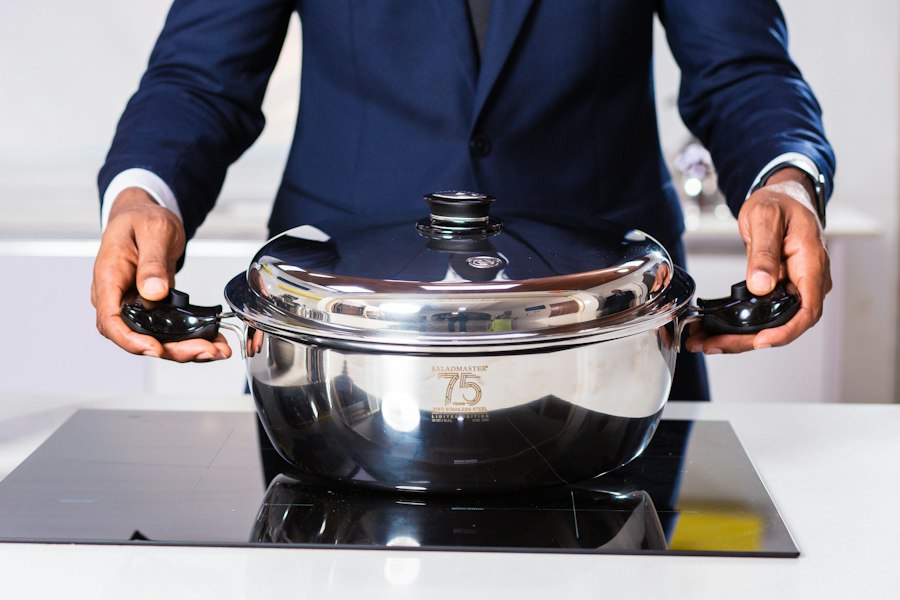
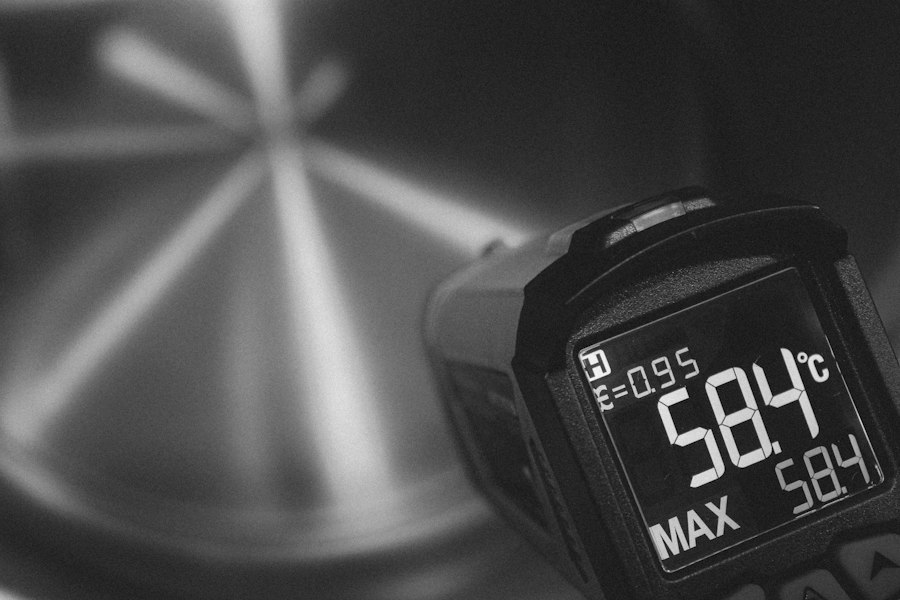
The sealed design of a pressure cooker is paramount to its energy efficiency. Unlike conventional stovetop cooking where a significant amount of heat escapes as steam into the kitchen, a pressure cooker traps this steam. This trapped steam not only raises the internal pressure and temperature but also acts as an insulating layer, further reducing heat loss to the surroundings. Think of it as a self-insulating cooking vessel. This containment means that the energy supplied by the heat source is predominantly directed towards heating the food and the cooking liquid, rather than being wasted into the atmosphere. This is particularly evident when comparing the exterior temperature of a pressure cooker to that of a pot of boiling water on the stovetop; the pressure cooker remains significantly cooler externally, indicating less heat dissipation.
The efficient transfer of heat from the steam to the food is another key factor. The high-pressure steam is a very effective conductor of heat, penetrating food more readily and transferring thermal energy at a rapid pace. This rapid heat transfer is what allows for dramatically reduced cooking times. For example, beans that might take hours to soften in a conventional pot can be tender in a fraction of the time under pressure. This is because the intense heat from the steam breaks down tough fibers and starches more quickly. The overall effect is that the energy input is concentrated on the cooking process, minimizing wastage and maximizing the return on investment in terms of cooked food. The reduction in cooking time directly correlates with a reduction in the amount of energy required from the heat source, whether it be gas or electricity.
A pressure cooker is an efficient kitchen appliance that significantly reduces cooking time, thereby saving energy. By trapping steam and increasing the pressure inside, it cooks food faster than traditional methods, which not only conserves energy but also retains more nutrients. For a deeper understanding of the science behind energy-saving cooking techniques, you can read the related article at Freaky Science. This resource provides insights into various methods that enhance cooking efficiency and promote sustainability in the kitchen.
Accelerating the Culinary Process: The Time-Saving Advantage
The most immediately noticeable benefit of using a pressure cooker is the dramatic reduction in cooking time. This is not just a matter of convenience; it has direct implications for energy consumption. Tasks that typically require hours of simmering or boiling can often be completed in a matter of minutes. This is particularly true for ingredients that are naturally tough or require long cooking periods, such as dried beans, whole grains, stews, and braised meats. For instance, cooking dried chickpeas from scratch often involves an overnight soak followed by several hours of simmering. In a pressure cooker, after a relatively short soak (or sometimes no soak at all for certain varieties), they can be tender and ready to eat in under an hour, often as little as 30 minutes.
This reduction in time translates directly into less energy being used. If a stovetop burner needs to be on for two hours to achieve a desired result, but a pressure cooker can do the same job in 30 minutes, the energy consumption is significantly cut down. This is a powerful argument for the energy efficiency of this appliance, especially in an era where energy conservation is increasingly important. The accelerated cooking also means that the kitchen environment is exposed to less heat for a shorter period, contributing to a cooler home and potentially reducing the need for air conditioning in warmer months. The efficiency gains are not limited to a single type of cooking either; from preparing tender roasts to perfectly cooked rice, the pressure cooker consistently outpaces conventional methods in terms of speed.
Preparing Tough Cuts of Meat with Unprecedented Speed
Tougher cuts of meat, often characterized by a high collagen content, are notoriously time-consuming to cook when using traditional methods. These cuts, while flavorful, require prolonged exposure to heat to break down the connective tissues and render the meat tender and palatable. This is where the pressure cooker truly shines. By operating at elevated temperatures and pressures, it significantly accelerates the process of collagen breakdown. The intense heat forces the collagen to hydrolyze into gelatin, transforming chewy, tough meat into succulent, fork-tender morsels.
Consider a beef stew made with chuck roast, a cut renowned for its toughness. On the stovetop, achieving a tender stew might require 3-4 hours of slow simmering. In a pressure cooker, the same result can often be achieved in 45-60 minutes, including the time it takes to build and release pressure. This nearly 75% reduction in cooking time means a proportional reduction in energy usage from the stovetop burner. This is a significant saving, especially for households that regularly prepare dishes that rely on these types of cuts. The ability to transform less expensive, tougher cuts into restaurant-quality tender dishes also makes the pressure cooker an economical choice, further enhancing its value proposition. The science behind this lies in the accelerated chemical reactions that occur at higher temperatures, speeding up the degradation of proteins and connective tissues.
The Efficiency of Cooking Grains and Legumes
Grains and legumes, staple foods in many diets, are another category where the pressure cooker demonstrates remarkable time and energy savings. Items like dried beans, lentils, barley, and even certain types of rice can take a considerable amount of time to cook to the desired tenderness. Traditional methods often involve lengthy soaking periods followed by extended simmering times, consuming significant amounts of energy. For instance, cooking dried kidney beans from scratch without a pressure cooker can take 6-8 hours of simmering after an overnight soak.
With a pressure cooker, the soaking time can often be reduced or eliminated entirely, and the cooking time is slashed to a fraction of that. Dried kidney beans, for example, can be cooked in about 20-25 minutes under pressure. This dramatic reduction in cooking time directly translates to lower energy consumption. The energy saved by cooking beans in 20 minutes versus 6 hours is substantial. This is particularly beneficial for those who consume large quantities of these ingredients, such as vegetarians and vegans, or for anyone looking to incorporate more whole grains and legumes into their diet without the time commitment. The efficient transfer of heat under pressure ensures that the starches in grains are gelatinized and the fiber in legumes is softened quickly, leading to perfectly cooked results in minimal time and with minimal energy input.
Beyond Speed: Enhanced Nutrient Retention and Flavor Development
While energy savings and speed are primary benefits, the pressure cooker’s advantages extend to the quality of the food it produces. The accelerated cooking process, combined with the sealed environment, contributes to better nutrient retention and often leads to a more intense and complex flavor profile. This is because the reduced cooking time means that delicate vitamins and minerals, which are often lost through prolonged exposure to heat and water in conventional cooking methods, are preserved more effectively.
The sealed nature of the pot also prevents volatile flavor compounds from escaping. As steam is trapped and recirculates within the cooker, these aromatic molecules are retained, leading to richer and more nuanced flavors in the finished dish. This is particularly noticeable in stews, curries, and braised dishes, where the melding of flavors over time is crucial. The pressure cooker achieves this concentration of flavor in a much shorter timeframe.
A pressure cooker is an excellent tool for saving energy in the kitchen, as it cooks food faster than traditional methods, thereby reducing the amount of time the stove is on. This efficiency not only conserves energy but also helps retain more nutrients in the food. For those interested in exploring more about energy-saving cooking methods, you can check out a related article on this topic at Freaky Science, which provides insights into various techniques that can help you reduce your energy consumption while cooking.
Preserving Delicate Nutrients
Vitamins and minerals are essential components of a healthy diet, and their retention during the cooking process is a key concern for many home cooks. Conventional cooking methods, especially boiling, can lead to significant losses of water-soluble vitamins such as Vitamin C and B vitamins, as they leach into the cooking liquid. Similarly, prolonged exposure to high heat can degrade certain heat-sensitive nutrients.
The pressure cooker, by virtue of its short cooking times and sealed environment, excels at preserving these valuable nutrients. The rapid cooking process minimizes the duration of heat exposure, thereby reducing the degradation of heat-sensitive compounds. Furthermore, because the cooking liquid is contained within the pot, water-soluble vitamins are less likely to leach out into the surrounding environment. While some loss is inevitable in any cooking process, pressure cooking generally results in higher retention rates of many key nutrients compared to other methods. This makes it a healthier and more efficient way to prepare nutritious meals, ensuring that more of the beneficial compounds in your food make it to your plate.
Intensifying Flavors Through Controlled Steam Infusion
The magic of a pressure cooker isn’t just about speed; it’s also about flavor. The high-pressure steam generated inside the cooker acts as a powerful flavor infuser. As the steam circulates under pressure, it penetrates the food more effectively and efficiently, carrying with it the aromas and tastes of the ingredients. This controlled infusion process allows flavors to meld and deepen in a way that is difficult to replicate with conventional cooking methods in the same timeframe.
Imagine the difference between simmering herbs and spices in an open pot versus a sealed pressure cooker. In the latter, the volatile aromatic compounds are trapped and recirculated, leading to a more intense and concentrated flavor profile in the final dish. This is particularly beneficial for dishes that rely on the slow development of complex flavors, such as stews, curries, and braised dishes. The pressure cooker essentially compresses the time needed for flavor development, delivering rich, layered tastes in a fraction of the usual time. This results in dishes that are not only cooked quickly but are also more flavorful and satisfying. The efficient transfer of heat also aids in caramelization and Maillard reactions, contributing further to the depth and complexity of the dish.
Versatility and Adaptability in Modern Kitchens
The pressure cooker is far more than just a tool for tenderizing tough meats or cooking beans. Its versatility has expanded significantly with the advent of modern electric pressure cookers, which offer a multitude of pre-programmed settings and functionalities. These appliances can handle a wide array of culinary tasks, from making yogurt and steaming vegetables to cooking perfect rice and even baking cakes. This adaptability makes it an invaluable asset in any kitchen, contributing to both efficiency and a broader range of culinary possibilities.
The ease of use of modern electric pressure cookers has also contributed to their resurgence. With intuitive digital displays and pre-set programs, complex dishes that once seemed daunting can now be prepared with minimal effort. This accessibility encourages more people to embrace pressure cooking, reaping its energy-saving and time-efficient benefits. The pressure cooker is no longer a niche appliance; it’s a staple for busy families, health-conscious individuals, and anyone looking to simplify their cooking routine without compromising on quality or flavor.
Embracing Electric Pressure Cookers: The Smart Kitchen Appliance
The evolution of the pressure cooker has seen it transform from a stovetop necessity to a sophisticated electric appliance that has become a centerpiece of the modern smart kitchen. Electric pressure cookers offer unparalleled convenience and control. They eliminate the need for constant monitoring of stovetop heat, as they can be programmed to cook for a specific duration and then often switch to a keep-warm function. This “set it and forget it” capability is a significant advantage for busy individuals and families.
Beyond their basic pressure cooking function, many electric models boast a wide range of multi-cooker capabilities. This includes functions for sautéing, slow cooking, steaming, making yogurt, cooking rice, and even air frying in some advanced models. This consolidation of multiple appliances into one unit not only saves counter space but also streamlines the cooking process. The energy efficiency of these electric models is also notable. They are designed to be highly efficient in their energy usage, often employing precise temperature controls and optimized heating elements to minimize power consumption. The digital interfaces and pre-programmed settings ensure that the correct amount of energy is applied for the specific task, further enhancing their eco-friendliness.
Simplifying Complex Dishes and Meal Preparation
The ability of a pressure cooker to simplify complex dishes and streamline overall meal preparation is a significant benefit for home cooks. Recipes that might have previously required multiple steps, long simmering times, and constant attention can often be condensed into a single-pot pressure cooker meal. This is particularly true for stews, chilis, curries, and braises, where the pressure cooker can achieve the same tender, flavorful results in a fraction of the time.
This simplification translates into more time for individuals and families to enjoy their meals and each other’s company, rather than being tied to the kitchen. Furthermore, the ease of cleanup associated with one-pot meals cooked in a pressure cooker is an added bonus. Fewer pots and pans mean less time spent washing dishes. For those aiming for healthier eating, the pressure cooker’s ability to cook vegetables quickly without overcooking them means retaining more of their nutritional value and vibrant color. Its adaptability to a wide range of ingredients and cuisines makes it a truly indispensable tool for efficient and delicious home cooking, contributing to a more sustainable and less stressful kitchen environment. The combination of speed, efficiency, and versatility makes the pressure cooker a champion of modern culinary practices.

Why This Water Doesn’t Boil at 100°C
FAQs
1. How does a pressure cooker save energy compared to traditional cooking methods?
A pressure cooker saves energy by cooking food faster than traditional methods, which reduces the amount of time the stove or oven needs to be on. The sealed environment of a pressure cooker also retains heat and moisture, requiring less energy to maintain cooking temperature.
2. Can using a pressure cooker help lower utility bills?
Yes, using a pressure cooker can help lower utility bills by reducing the amount of time appliances are in use. The shorter cooking times and lower energy consumption of a pressure cooker can lead to cost savings on gas or electricity bills.
3. What types of foods can be cooked in a pressure cooker to save energy?
A pressure cooker can be used to cook a wide variety of foods, including grains, beans, meats, soups, stews, and vegetables. By using a pressure cooker for these items, you can save energy and reduce cooking times significantly.
4. Are pressure cookers safe to use in terms of energy efficiency?
Pressure cookers are safe to use in terms of energy efficiency when used properly according to the manufacturer’s instructions. The sealed design of a pressure cooker helps to trap steam and heat, allowing for faster cooking times and reduced energy consumption.
5. How much energy can be saved by using a pressure cooker regularly?
The amount of energy saved by using a pressure cooker regularly can vary depending on factors such as the frequency of use, the types of foods cooked, and the efficiency of the pressure cooker. However, on average, using a pressure cooker can save up to 70% of energy compared to traditional cooking methods.