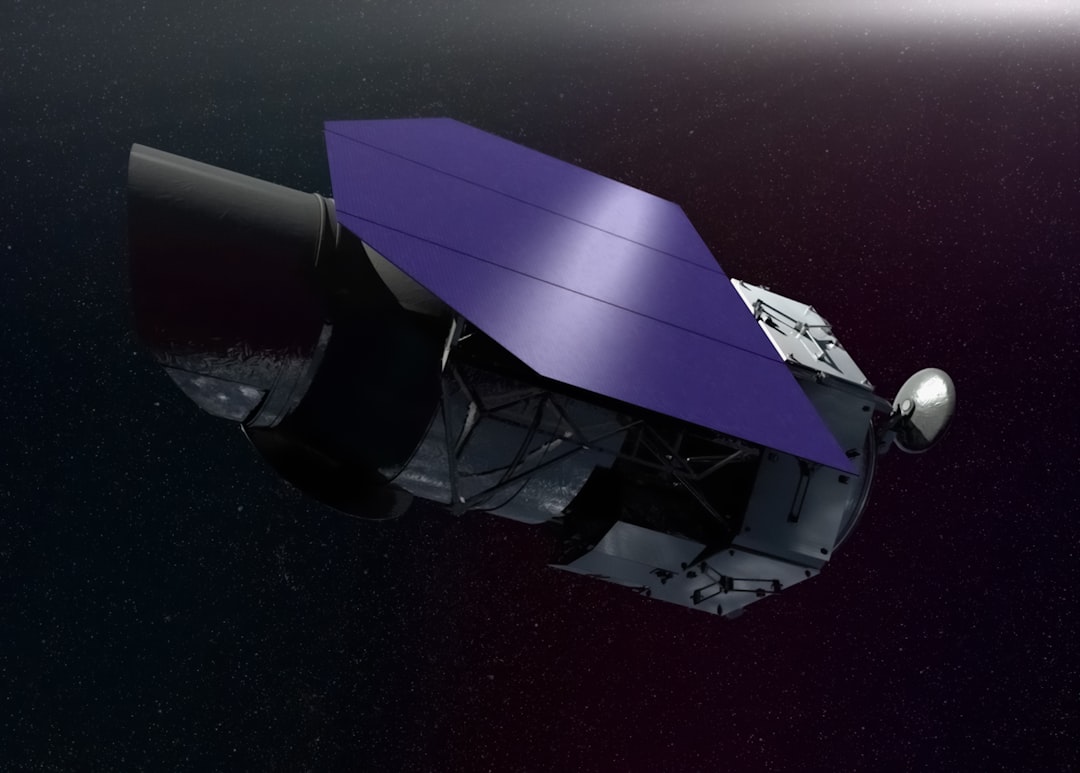
The Hitomi satellite, launched by the Japan Aerospace Exploration Agency (JAXA) in February 2016, was designed to advance high-energy astrophysics research. The satellite carried sophisticated instruments intended to observe cosmic phenomena including black holes, supernovae, and dark matter distribution. Approximately one month after launch, Hitomi experienced a critical malfunction that resulted in complete loss of function.
This failure represented a substantial setback for JAXA and prompted examination of satellite reliability and the inherent complexities of space missions. The Hitomi failure demonstrates the significant challenges present in space exploration. Despite comprehensive planning and thorough pre-launch testing, unexpected technical problems can compromise mission objectives.
The Hitomi incident illustrates both the tangible losses associated with satellite failures and the necessity of analyzing such failures to improve future space technology development and mission outcomes.
Key Takeaways
- Hitomi satellite failure highlighted critical challenges in space mission execution and technology reliability.
- Proper testing, quality control, and communication are essential to prevent satellite mission failures.
- Collaboration and coordination among international teams improve mission success rates.
- Lessons from Hitomi have driven advancements in satellite technology and risk management strategies.
- Future satellite missions must prioritize rigorous testing, clear communication, and robust coordination to enhance mission outcomes.
The Importance of Hitomi Satellite
Hitomi was not just another satellite; it represented a leap forward in our understanding of the universe.
The satellite’s primary mission was to study the hot gas in galaxy clusters, which could shed light on the formation and evolution of galaxies.
By analyzing X-ray emissions, Hitomi aimed to gather data that would help scientists understand the nature of dark matter and dark energy—two of the most enigmatic components of the cosmos. Moreover, Hitomi was a collaborative effort that brought together scientists and engineers from various institutions around the world. This international cooperation highlighted the global interest in astrophysics and the shared goal of unraveling the mysteries of the universe.
The satellite’s potential contributions to scientific knowledge were immense, making its failure all the more disheartening for researchers and enthusiasts alike. The Earth’s Magnetic Field plays a crucial role in protecting our planet from solar radiation.
Causes of Hitomi Satellite Failure
The failure of Hitomi can be attributed to a combination of technical malfunctions and operational missteps. Shortly after its launch, the satellite experienced issues with its attitude control system, which is crucial for maintaining its orientation in space. This system is responsible for ensuring that the satellite’s instruments are pointed accurately at their targets.
A malfunction in this system led to an uncontrolled spin, which ultimately resulted in a loss of communication with ground control. Investigations into the incident revealed that a series of errors contributed to this catastrophic failure. One significant factor was a miscalculation during the satellite’s initial deployment phase.
Engineers had underestimated the impact of certain forces acting on Hitomi, leading to an inadequate response from its control systems. Additionally, there were lapses in communication between various teams involved in the mission, which hindered timely troubleshooting efforts. These factors combined to create a perfect storm that culminated in the satellite’s demise.
Impact of Hitomi Satellite Failure on Space Exploration
The failure of Hitomi had far-reaching implications for space exploration and scientific research. For JAXA, it represented not only a financial loss but also a blow to its reputation as a leader in space technology. The satellite’s failure meant that valuable data about high-energy astrophysics would remain elusive, delaying advancements in understanding fundamental cosmic processes.
This setback reverberated through the scientific community, as researchers had anticipated significant breakthroughs from Hitomi’s observations. Furthermore, the incident prompted a reevaluation of risk management practices within space agencies worldwide. The complexities involved in satellite missions necessitate meticulous planning and execution, and Hitomi’s failure underscored the need for improved protocols to mitigate risks.
As agencies strive to push the boundaries of exploration further into space, they must learn from past mistakes to ensure that future missions are more resilient and capable of withstanding unforeseen challenges.
Lessons Learned from Hitomi Satellite Failure
| Metric | Details |
|---|---|
| Satellite Name | Hitomi (ASTRO-H) |
| Launch Date | February 17, 2016 |
| Mission Objective | X-ray astronomy satellite for high-energy astrophysics observations |
| Failure Date | March 26, 2016 |
| Cause of Failure | Loss of attitude control due to malfunction in reaction wheels and subsequent breakup |
| Duration of Operation | Approximately 38 days |
| Outcome | Satellite lost and mission terminated |
| Impact on Mission | Loss of valuable scientific data and delay in Japan’s X-ray astronomy research |
The Hitomi satellite failure provided several critical lessons for future space missions. One of the most significant takeaways was the importance of comprehensive testing and validation processes before launch. While extensive simulations and tests are typically conducted, this incident highlighted that even minor oversights can lead to catastrophic outcomes.
Agencies must prioritize thorough evaluations of all systems and components to ensure they can withstand the rigors of space. Additionally, effective communication among teams is paramount in complex missions like those involving satellites. The breakdown in communication during Hitomi’s deployment phase illustrated how vital it is for engineers, scientists, and mission planners to work cohesively.
Establishing clear lines of communication and fostering a culture of collaboration can help identify potential issues early on and facilitate timely interventions.
Improvements in Satellite Technology
In response to incidents like the Hitomi failure, advancements in satellite technology have become increasingly focused on enhancing reliability and performance. Modern satellites are now equipped with more sophisticated sensors and control systems designed to provide greater stability and accuracy during operations. Innovations such as autonomous navigation systems allow satellites to make real-time adjustments based on environmental conditions, reducing reliance on ground control.
Moreover, advancements in materials science have led to lighter and more durable components that can withstand harsh conditions in space. These improvements not only enhance a satellite’s operational lifespan but also contribute to more efficient energy consumption. As technology continues to evolve, future satellites are expected to incorporate even more advanced features that will mitigate risks associated with unforeseen failures.
Importance of Proper Testing and Quality Control
The significance of rigorous testing and quality control cannot be overstated when it comes to satellite missions. The Hitomi failure serves as a stark reminder that even small errors can have devastating consequences. To prevent similar incidents in future missions, space agencies must implement stringent quality assurance protocols throughout the development process.
This includes thorough inspections at every stage, from component manufacturing to final assembly. Additionally, adopting a culture of continuous improvement is essential for fostering innovation while maintaining high standards of safety and reliability. By learning from past failures and successes, agencies can refine their testing methodologies and ensure that every satellite launched is equipped to handle the challenges it may face in orbit.
The Role of Communication in Satellite Operations
Effective communication plays a crucial role in the success of satellite operations. The Hitomi incident highlighted how lapses in communication can lead to misunderstandings and operational failures. Clear communication channels between ground control and satellite teams are essential for monitoring performance and addressing issues as they arise.
By fostering an environment where information flows freely, agencies can ensure that all stakeholders are informed about potential risks and can collaborate effectively to mitigate them.
Collaboration and Coordination in Satellite Missions
Collaboration among various teams is vital for successful satellite missions. The complexity of modern satellites often requires expertise from multiple disciplines, including engineering, astrophysics, and data analysis. The Hitomi mission involved contributions from numerous institutions worldwide, emphasizing the importance of coordinated efforts in achieving common goals.
To enhance collaboration, agencies should invest in building strong partnerships with academic institutions and private companies involved in space technology. By pooling resources and expertise, these collaborations can lead to innovative solutions that improve mission outcomes while reducing costs.
The Future of Satellite Technology and Risk Management
As space exploration continues to advance, so too must approaches to risk management in satellite technology. The lessons learned from incidents like the Hitomi failure will shape future missions by emphasizing proactive risk assessment strategies. Agencies will need to adopt more robust frameworks for identifying potential hazards throughout a satellite’s lifecycle.
Moreover, as satellites become increasingly interconnected through networks like the Internet of Things (IoT), managing risks associated with cybersecurity will become paramount. Ensuring that satellites are protected against potential threats will require ongoing vigilance and adaptation as technology evolves.
Conclusion and Recommendations for Future Satellite Missions
In conclusion, the failure of the Hitomi satellite serves as both a cautionary tale and an opportunity for growth within the field of space exploration. By examining the causes and consequences of this incident, agencies can implement changes that enhance future missions’ reliability and success rates. Key recommendations include prioritizing rigorous testing protocols, fostering effective communication among teams, and embracing collaboration across disciplines.
As humanity continues its quest to explore the cosmos, learning from past failures will be essential for advancing our understanding of the universe while minimizing risks associated with satellite technology. By adopting these lessons and recommendations, future missions can be better equipped to navigate the complexities of space exploration while achieving their scientific objectives.
The Hitomi satellite failure in 2016 was a significant setback for Japan’s space exploration efforts, as it was designed to study the universe’s most energetic phenomena. For more insights into the implications of this failure and its impact on future missions, you can read a related article on the topic at Freaky Science. This article delves into the technical challenges faced by the Hitomi mission and the lessons learned for upcoming satellite projects.
WATCH THIS! 💡 NASA KNEW: The Magnetic Field Secret They Didn’t Tell You
FAQs
What was the Hitomi satellite?
The Hitomi satellite, also known as ASTRO-H, was a Japanese X-ray astronomy satellite launched in 2016. It was designed to observe high-energy phenomena in the universe, such as black holes, neutron stars, and supernova remnants.
When was the Hitomi satellite launched?
Hitomi was launched on February 17, 2016, by the Japan Aerospace Exploration Agency (JAXA).
What caused the failure of the Hitomi satellite?
The failure was caused by a combination of software errors and miscommunications between onboard systems, which led to the satellite losing attitude control and eventually breaking apart.
How long did the Hitomi satellite operate before failure?
Hitomi operated for only about one month after its launch before the failure occurred in late March 2016.
What was the impact of the Hitomi satellite failure?
The failure resulted in the loss of the satellite and its scientific instruments, preventing it from completing its mission to study X-ray sources in space.
Did JAXA attempt to recover the Hitomi satellite?
JAXA made efforts to re-establish contact and control, but these attempts were unsuccessful, and the satellite was declared lost.
Were there any lessons learned from the Hitomi failure?
Yes, the failure highlighted the importance of rigorous software testing and system checks, leading to improvements in satellite design and operation protocols for future missions.
Has there been a successor to the Hitomi satellite?
Yes, JAXA has planned follow-up missions, such as the XRISM (X-Ray Imaging and Spectroscopy Mission), to continue the scientific objectives initially set for Hitomi.