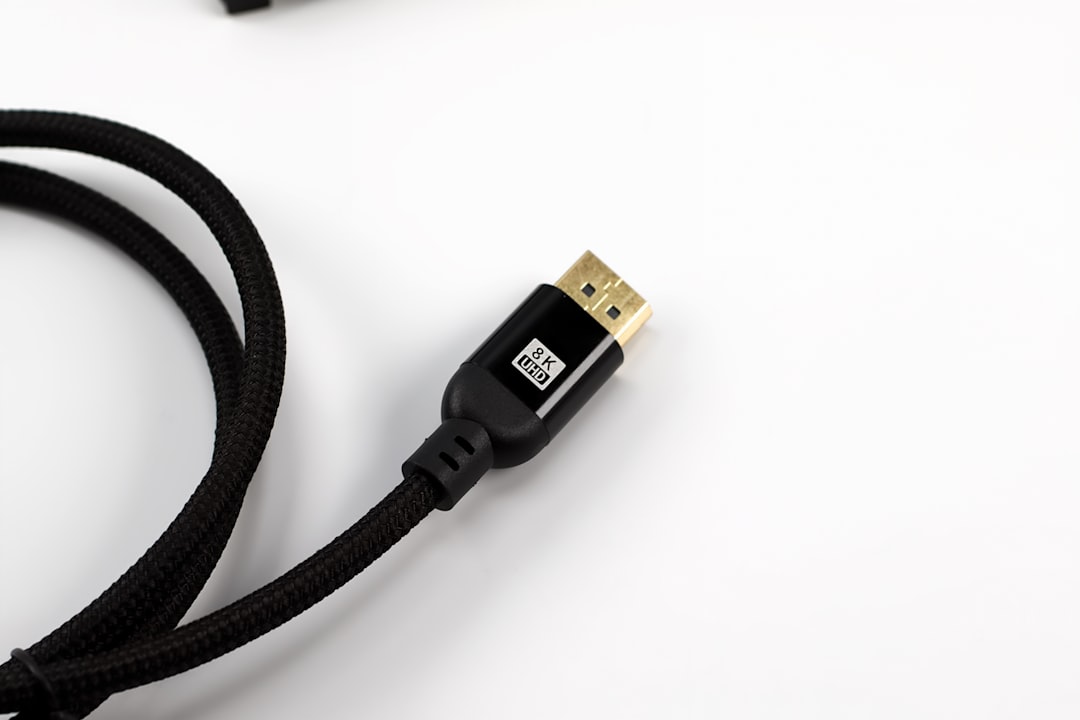
High resolution audio (HRA) refers to sound recordings with higher sampling rates and bit depths compared to standard CD quality audio. Standard CDs use a sampling rate of 44.
This increased technical specification captures more audio information, resulting in greater detail and clarity in the recorded sound.
Common lossless formats include FLAC (Free Lossless Audio Codec) and ALAC (Apple Lossless Audio Codec), which compress audio without losing data. DSD (Direct Stream Digital) represents an alternative approach to audio encoding.
Different formats may suit different playback systems and personal preferences, depending on equipment compatibility and individual listening requirements.
Key Takeaways
- High resolution audio offers superior sound quality by capturing more audio detail than standard formats.
- Proper audio equipment is essential to fully experience the benefits of high resolution audio.
- Various formats and streaming services support high resolution audio, catering to different listener preferences.
- Setting up a high resolution audio system requires attention to source quality, playback devices, and environment.
- Future trends indicate continued advancements in high resolution audio technology and wider accessibility.
Benefits of High Resolution Audio
One of the most significant benefits of high resolution audio is the enhanced sound quality it provides. When you listen to music in high resolution, you’re likely to notice a greater clarity in the highs, a more defined midrange, and a richer bass response. This level of detail can make a profound difference in how you perceive your favorite songs, allowing you to hear nuances that may have previously gone unnoticed.
Whether it’s the subtle strumming of a guitar or the delicate harmonies in a vocal arrangement, high resolution audio brings these elements to life in a way that standard formats simply cannot. In addition to improved sound quality, high resolution audio can also create a more immersive listening experience. When you’re enveloped in rich, detailed sound, it’s easier to lose yourself in the music.
This can be particularly beneficial during moments of relaxation or when you’re seeking inspiration. The emotional impact of music is often heightened when you can hear every note and nuance clearly, making high resolution audio an excellent choice for audiophiles and casual listeners alike. Experience the clarity and depth of sound like never before with high resolution audio.
How High Resolution Audio Differs from Standard Audio

The primary difference between high resolution audio and standard audio lies in the technical specifications that define each format. Standard audio, such as that found on CDs, is limited by its 44.1 kHz sampling rate and 16-bit depth. This means that while it captures a good range of sound, it may not fully represent the intricacies of a recording.
In contrast, high resolution audio offers a broader frequency range and greater dynamic range, allowing for a more faithful reproduction of the original sound. As you listen to high resolution tracks, you may find that they feel more lifelike and engaging compared to their standard counterparts. Another key distinction is the way high resolution audio is produced and mastered.
Many artists and producers are now opting for high resolution formats during the recording process to ensure that their music retains its quality throughout its lifecycle. This means that when you choose high resolution audio, you’re often experiencing music that has been crafted with care and attention to detail. The result is a listening experience that not only sounds better but also feels more authentic, connecting you more deeply with the artist’s vision.
The Importance of Audio Equipment for High Resolution Audio
To truly appreciate high resolution audio, having the right audio equipment is essential. Standard headphones or speakers may not be capable of reproducing the full range of frequencies and dynamics that high resolution audio offers. Investing in quality gear—such as high-end headphones, DACs (digital-to-analog converters), and amplifiers—can significantly enhance your listening experience.
When you use equipment designed for high resolution playback, you’ll be able to hear the differences clearly, making your music come alive in ways you might not have imagined. Moreover, your choice of equipment can also influence how you perceive sound. Different headphones or speakers can color the audio in unique ways, so it’s worth experimenting with various options to find what suits your taste best.
Whether you prefer the warmth of tube amplifiers or the precision of solid-state devices, having the right setup will allow you to unlock the full potential of high resolution audio.
Where to Find High Resolution Audio Content
| Metric | Description | Typical Value for High Resolution Audio | Beginner-Friendly Explanation |
|---|---|---|---|
| Sample Rate | Number of audio samples captured per second | 96 kHz or 192 kHz | Higher sample rates capture more sound detail than standard CD quality (44.1 kHz) |
| Bit Depth | Number of bits used to represent each audio sample | 24-bit | Higher bit depth means better dynamic range and less noise |
| File Formats | Common formats supporting high resolution audio | FLAC, ALAC, WAV, DSD | Lossless formats that preserve audio quality without compression loss |
| Frequency Response | Range of audio frequencies reproduced | 20 Hz – 40 kHz | Extends beyond human hearing range for more accurate sound reproduction |
| Bitrate | Amount of data processed per second in audio | 1000 kbps or higher | Higher bitrate means more audio information and better quality |
| Playback Equipment | Devices needed to enjoy high resolution audio | High-quality DAC, headphones or speakers | Better gear helps you hear the difference in high resolution audio |
Finding high resolution audio content has become increasingly easier as more platforms recognize its popularity among listeners. Many online music stores now offer high resolution downloads, allowing you to purchase albums or tracks in formats like FLAC or DSD. Websites such as HDtracks and ProStudioMasters are dedicated to providing a wide selection of high resolution music across various genres, making it simple for you to build your collection.
In addition to dedicated download sites, streaming services are also beginning to embrace high resolution audio. Platforms like Tidal and Qobuz offer extensive libraries of high resolution tracks that you can stream directly to your device. This means that not only can you enjoy your favorite music in stunning quality, but you can also discover new artists and albums without needing to invest in physical media.
Tips for Setting Up a High Resolution Audio System

Setting up a high resolution audio system requires careful consideration of both your equipment and your listening environment. Start by selecting components that are compatible with high resolution formats; this includes your source device, DAC, amplifier, and speakers or headphones. Ensure that each piece of equipment is capable of handling the higher sampling rates and bit depths associated with high resolution audio.
Once you have your equipment in place, pay attention to your listening environment as well. Acoustic treatment can make a significant difference in how sound is perceived in a room. Consider adding rugs, curtains, or acoustic panels to minimize reflections and improve sound clarity.
Positioning your speakers correctly is also crucial; they should be placed at ear level and spaced appropriately to create an optimal stereo image. By taking these steps, you’ll create an environment where high resolution audio can truly shine.
Common Misconceptions About High Resolution Audio
Despite its growing popularity, there are still several misconceptions surrounding high resolution audio that may deter some listeners from exploring it further. One common myth is that high resolution audio is only for audiophiles or those with expensive equipment. While it’s true that quality gear can enhance the experience, many mid-range options are available that can still deliver impressive results without breaking the bank.
You don’t need to be an expert to enjoy the benefits of high resolution audio; all it takes is a willingness to explore and experiment. Another misconception is that the differences between standard and high resolution audio are negligible or imperceptible to the average listener. While it’s true that some people may not notice a dramatic difference, many do find that high resolution audio offers a richer listening experience.
It’s worth trying out for yourself; once you hear the depth and detail in your favorite tracks, you may find it hard to go back to standard formats.
How to Listen to High Resolution Audio on the Go
Listening to high resolution audio on the go is entirely possible with the right tools at your disposal. Many portable digital audio players (DAPs) are designed specifically for high resolution playback, offering superior sound quality compared to standard smartphones or tablets. These devices often come equipped with powerful DACs and amplifiers that can handle high resolution files without compromising on sound quality.
If you prefer using your smartphone for convenience, consider investing in a portable DAC or headphone amplifier that connects via USB-C or Lightning port. This setup allows you to enjoy high resolution audio files stored on your device or streamed from compatible services while on the move. Pairing this equipment with quality headphones will ensure that even when you’re away from home, you can still experience music as it was meant to be heard.
High Resolution Audio Formats: Which One is Right for You?
With various high resolution audio formats available, choosing the right one can feel overwhelming at first. FLAC (Free Lossless Audio Codec) is one of the most popular choices due to its lossless compression capabilities; it retains all original data while reducing file size, making it ideal for storage without sacrificing quality. If you’re looking for something even more advanced, DSD (Direct Stream Digital) offers an alternative approach with its unique encoding method that many audiophiles swear by for its warmth and detail.
Ultimately, the best format for you will depend on your personal preferences and how you plan to use your music collection. If you’re focused on convenience and compatibility across devices, FLAC might be your best bet. However, if you’re seeking an unparalleled listening experience and have the right equipment to support it, exploring DSD could be worthwhile.
High Resolution Audio and Streaming Services
As streaming services continue to evolve, many are now offering high resolution audio options as part of their subscription plans. Tidal’s “Masters” feature provides access to MQA (Master Quality Authenticated) tracks, which deliver studio-quality sound directly to listeners’ devices. Similarly, Qobuz offers an extensive library of high resolution music available for streaming or download.
These advancements mean that enjoying high resolution audio has never been easier or more accessible. You can explore vast catalogs of music without needing to purchase individual tracks or albums outright. As streaming technology improves further, expect even more services to adopt high resolution offerings, making it simpler than ever for you to enjoy top-notch sound quality wherever you are.
Future Trends in High Resolution Audio Technology
The future of high resolution audio technology looks promising as advancements continue to emerge at a rapid pace. One trend gaining traction is the integration of artificial intelligence (AI) into music production and playback systems. AI algorithms can analyze sound waves and optimize playback settings based on individual preferences or room acoustics, creating personalized listening experiences tailored just for you.
Additionally, as wireless technology improves, we may see an increase in high resolution wireless streaming options without compromising sound quality. Bluetooth codecs like aptX HD and LDAC are already paving the way for better wireless performance; as these technologies develop further, you’ll likely find it easier than ever to enjoy high resolution audio on-the-go without sacrificing fidelity. In conclusion, embracing high resolution audio opens up a world of possibilities for enhancing your listening experience.
By understanding its benefits, investing in quality equipment, and exploring various formats and content sources, you’ll be well on your way to enjoying music like never before. Whether you’re at home or on-the-go, high resolution audio has something special to offer every listener willing to dive into this rich sonic landscape.
For those new to the world of high-resolution audio, a great starting point is the article available at Freaky Science, which provides an overview of the benefits and features of high-res audio formats. This resource is perfect for beginners looking to understand the differences between standard and high-resolution audio, as well as tips on how to get started with their own high-fidelity listening experience.
WATCH THIS! Can You Really Hear High-Res Audio? 🎶
FAQs
What is high resolution audio?
High resolution audio refers to audio files that have a higher sampling rate and bit depth than standard CD quality (44.1 kHz/16-bit). This results in better sound quality with more detail and clarity.
How is high resolution audio different from regular audio?
High resolution audio typically has a sampling rate of 96 kHz or 192 kHz and a bit depth of 24 bits, compared to standard audio’s 44.1 kHz and 16 bits. This allows for a wider frequency range and greater dynamic range.
What file formats are used for high resolution audio?
Common high resolution audio file formats include FLAC, ALAC, WAV, AIFF, and DSD. These formats support higher bit depths and sampling rates than standard MP3 or AAC files.
Do I need special equipment to play high resolution audio?
To fully experience high resolution audio, you need compatible playback devices such as DACs (digital-to-analog converters), high-quality headphones or speakers, and software or hardware that supports high resolution formats.
Is high resolution audio noticeably better to the average listener?
The difference in sound quality can be subtle and depends on the listener’s hearing ability, playback equipment, and the quality of the original recording. Some people notice improved clarity and detail, while others may not perceive a significant difference.
Can I stream high resolution audio online?
Yes, several streaming services offer high resolution audio streaming, including Tidal HiFi, Amazon Music HD, and Qobuz. However, streaming high resolution audio requires a fast and stable internet connection.
Is high resolution audio the same as lossless audio?
Not exactly. Lossless audio means the audio is compressed without any loss in quality, such as FLAC or ALAC. High resolution audio is a type of lossless audio with higher sampling rates and bit depths than standard CD quality.
How large are high resolution audio files?
High resolution audio files are significantly larger than standard audio files due to their higher bit depth and sampling rate. For example, a 3-minute song in high resolution FLAC can be 30-50 MB or more, compared to 3-5 MB for an MP3.
Where can I buy high resolution audio files?
High resolution audio files can be purchased from online stores such as HDtracks, ProStudioMasters, Qobuz, and Acoustic Sounds. Many offer a wide range of genres and artists in high resolution formats.
Is high resolution audio compatible with all devices?
No, not all devices support high resolution audio playback. It is important to check if your device or software supports the specific high resolution formats and sampling rates you want to use.