High-resolution audio (HRA) is a digital audio format that provides greater sound quality than standard audio formats. HRA files contain higher sampling rates and bit depths compared to compact discs (CDs). Standard CDs use 16-bit/44.1 kHz resolution, while high-resolution audio typically ranges from 24-bit/96 kHz to 24-bit/192 kHz or higher.
This increased resolution captures more detail in the audio signal, including subtle frequencies and dynamic variations that standard formats may not preserve. The technical specifications of HRA affect audio reproduction in two primary ways. Increased bit depth expands the dynamic range, allowing quieter sounds to be reproduced with greater clarity and reducing distortion at higher volumes.
Higher sampling rates improve the accuracy of the original sound wave reproduction, resulting in more precise audio representation. These technical improvements create a more detailed and accurate listening experience compared to standard audio formats.
Key Takeaways
- High resolution audio requires quality source material and proper equipment to fully appreciate its benefits.
- Digital-to-Analog Converters (DACs) and amplifiers play crucial roles in delivering clear, detailed sound.
- Selecting high-quality speakers or headphones and considering room acoustics significantly impact audio performance.
- Proper cables, power conditioning, and surge protection help maintain sound integrity and equipment longevity.
- Budgeting wisely is essential for balancing cost and performance when upgrading or building a high res audio system.
The Importance of Quality Source Material
When it comes to high-resolution audio, the quality of your source material is paramount. You might have the best equipment in the world, but if your audio files are poorly recorded or compressed, you won’t be able to experience the full potential of high-resolution sound. It’s crucial to seek out recordings that are specifically mastered for high-resolution formats.
Many artists and labels now offer their music in high-res formats, so take the time to explore these options and build a library that reflects the quality you desire. Moreover, consider the genre of music you enjoy and how it translates into high-resolution formats. Some genres, like classical or jazz, often benefit significantly from high-resolution recordings due to their complex arrangements and dynamic range.
On the other hand, certain pop or electronic tracks may not showcase the advantages of HRA as effectively. By curating a collection of high-quality source material, you’ll ensure that your listening experience is as rewarding as possible, allowing you to fully appreciate the depth and clarity that high-resolution audio has to offer. Experience the clarity and depth of sound like never before with high resolution audio.
The Role of Digital-to-Analog Converters (DACs)

Digital-to-analog converters (DACs) play a crucial role in the high-resolution audio experience. When you listen to digital music, it’s essential to convert those digital signals into analog signals that your speakers or headphones can interpret. A high-quality DAC can make a significant difference in how your music sounds.
If you’re serious about high-resolution audio, investing in a good DAC is one of the best decisions you can make. When selecting a DAC, consider its specifications and compatibility with your existing equipment. Look for features such as support for various high-resolution formats and low distortion levels.
A well-designed DAC will not only enhance the clarity and detail of your music but also provide a more engaging listening experience overall. As you explore different options, remember that the DAC is often considered the heart of your audio system; choosing wisely will set the foundation for an exceptional sound experience.
Choosing the Right Amplifier for High Res Audio
An amplifier is another critical component in your high-resolution audio setup. It serves to boost the audio signal from your source device to your speakers or headphones, ensuring that you receive the full dynamic range and detail of your music. When selecting an amplifier for high-res audio, it’s essential to consider its power output and compatibility with your speakers or headphones.
A mismatch can lead to subpar performance or even damage to your equipment. In addition to power output, pay attention to the amplifier’s design and features. Some amplifiers are specifically engineered for high-resolution audio, offering low noise levels and minimal distortion.
You may also want to explore options with built-in DACs for added convenience. Ultimately, choosing the right amplifier will enhance your listening experience by delivering clear, powerful sound that does justice to your high-resolution audio files.
Selecting High Quality Speakers and Headphones
| Equipment | Minimum Frequency Response | Minimum Bit Depth | Minimum Sampling Rate | Signal-to-Noise Ratio (SNR) | Total Harmonic Distortion (THD) |
|---|---|---|---|---|---|
| High-Resolution DAC | 20 Hz – 40 kHz | 24-bit | 96 kHz | ≥ 110 dB | < 0.001% |
| High-Resolution Headphones | 5 Hz – 40 kHz | N/A | N/A | ≥ 100 dB | < 0.1% |
| High-Resolution Amplifier | 20 Hz – 40 kHz | 24-bit | 96 kHz | ≥ 110 dB | < 0.005% |
| High-Resolution Audio Player | 20 Hz – 40 kHz | 24-bit | 192 kHz | ≥ 100 dB | < 0.01% |
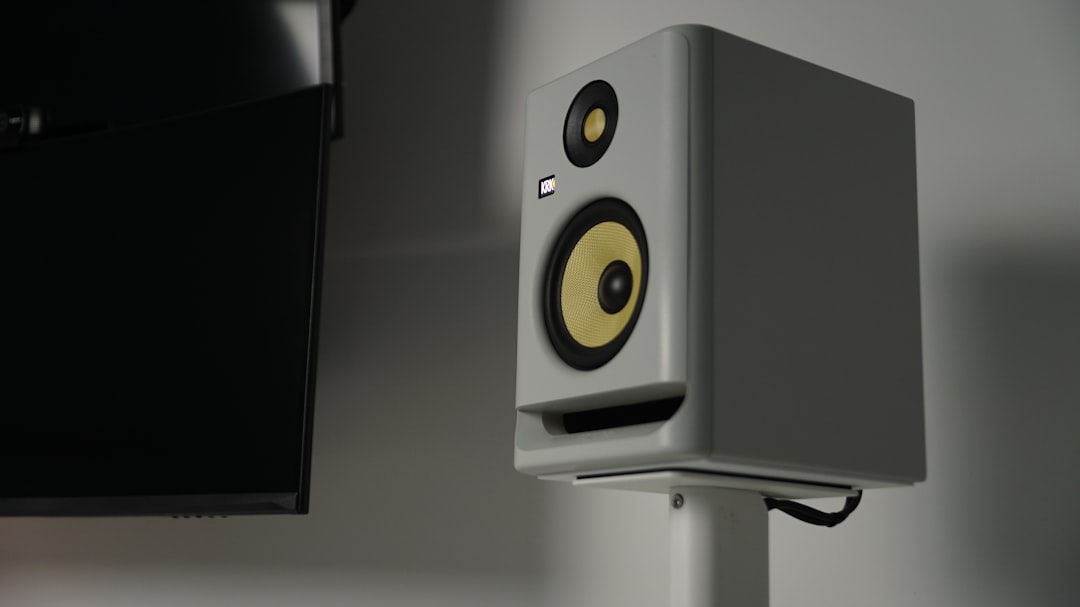
The speakers and headphones you choose are perhaps the most direct link to your listening experience in high-resolution audio. High-quality speakers can reproduce sound with remarkable accuracy, allowing you to hear every detail in your favorite tracks. When selecting speakers, consider factors such as size, design, and frequency response.
Larger speakers may provide deeper bass, while smaller models might excel in clarity and detail. Headphones also play a vital role in your high-res audio journey. Investing in a pair of well-engineered headphones can significantly enhance your listening experience by providing an intimate connection to the music.
Look for headphones that offer a wide frequency range and low distortion levels. Additionally, consider whether you prefer open-back or closed-back designs based on your listening environment and personal preferences. By carefully selecting both speakers and headphones, you’ll create an audio setup that truly brings your music to life.
The Impact of Cables and Interconnects on Sound Quality
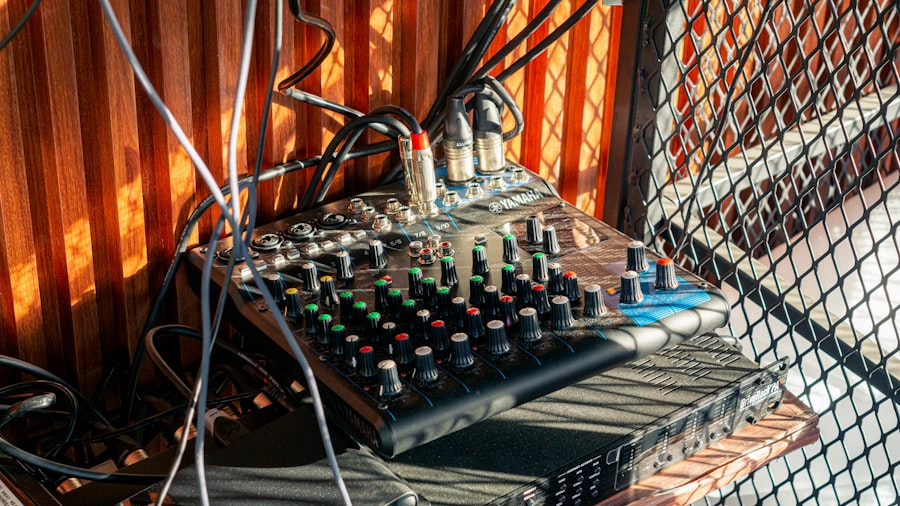
While often overlooked, cables and interconnects can have a noticeable impact on sound quality in a high-resolution audio system. The quality of these components can affect signal transmission between devices, potentially introducing noise or distortion into your audio signal. When investing in cables, it’s essential to choose those that are well-constructed and designed for high-fidelity applications.
Consider factors such as cable materials, shielding, and connectors when making your selection. High-quality cables can minimize interference and ensure that your audio signal remains pure from source to output. While it may be tempting to opt for budget-friendly options, investing in quality cables can enhance your overall listening experience by preserving the integrity of your high-resolution audio files.
Room Acoustics and Sound Treatment
The acoustics of your listening environment play a significant role in how you perceive sound quality. Even with top-notch equipment, poor room acoustics can lead to muddied sound or imbalanced frequencies. To optimize your high-resolution audio experience, take some time to assess your room’s acoustics and consider implementing sound treatment solutions.
You might start by evaluating factors such as room size, shape, and furnishings that could affect sound waves. Adding acoustic panels or bass traps can help control reflections and reduce unwanted echoes, creating a more balanced listening environment. Additionally, experimenting with speaker placement can further enhance sound quality by ensuring optimal positioning for both clarity and depth.
By addressing room acoustics, you’ll create an environment that allows your high-resolution audio system to shine.
The Importance of Power Conditioning and Surge Protection
Power conditioning is another critical aspect of maintaining sound quality in a high-resolution audio system. Fluctuations in power supply can introduce noise or distortion into your audio signal, negatively impacting performance. Investing in a power conditioner can help stabilize voltage levels and filter out unwanted interference from other electronic devices.
Surge protection is equally important; it safeguards your equipment from power surges that could cause damage or degrade performance over time. By ensuring that your system is protected from electrical issues, you’ll not only preserve sound quality but also extend the lifespan of your valuable audio equipment. Prioritizing power conditioning and surge protection will contribute significantly to achieving an optimal high-resolution audio experience.
The Role of Digital Signal Processing (DSP) in High Res Audio
Digital Signal Processing (DSP) has become an integral part of modern high-resolution audio systems. DSP technology allows for real-time manipulation of audio signals, enabling enhancements such as equalization, room correction, and dynamic range control. By utilizing DSP tools effectively, you can tailor your listening experience to suit your preferences and environment.
When exploring DSP options, consider how they can complement your existing setup. Many modern amplifiers and receivers come equipped with built-in DSP capabilities that allow for easy adjustments without requiring additional hardware. By leveraging DSP technology, you can optimize sound quality further and create a personalized listening experience that highlights the strengths of your high-resolution audio files.
Integrating High Res Audio Equipment into a Home Theater System
If you’re looking to integrate high-resolution audio into a home theater system, there are several considerations to keep in mind.
Start by ensuring compatibility between your audio components and video equipment; many modern receivers support both high-res audio formats and surround sound systems.
Additionally, consider how speaker placement affects both music playback and movie soundtracks; optimizing speaker positioning will create a cohesive soundstage that enhances overall immersion. By thoughtfully integrating high-res audio equipment into your home theater system, you’ll elevate every aspect of entertainment in your space.
Budgeting for High Res Audio Equipment and Upgrades
As you embark on your journey into high-resolution audio, budgeting becomes an essential aspect of building an exceptional system. High-quality equipment can be an investment; however, it’s important to approach this process strategically rather than impulsively splurging on every component at once.
Researching various brands and models will help you find options within your budget without sacrificing quality. By taking a measured approach to budgeting for high-res audio equipment and upgrades, you’ll create a system that meets both your auditory desires and financial considerations effectively. In conclusion, embracing high-resolution audio involves understanding its intricacies while carefully selecting components that work harmoniously together.
From source material to room acoustics, each element plays a vital role in achieving an unparalleled listening experience that brings music to life like never before.
For those interested in high-resolution audio equipment, understanding the minimum requirements is crucial for achieving the best listening experience. A related article that delves into this topic can be found on Freaky Science, which outlines the essential specifications and features to consider when selecting audio gear. You can read more about it in their informative piece [here](https://www.freakyscience.com/sample-page/).
WATCH THIS! Can You Really Hear High-Res Audio? 🎶
FAQs
What defines high-resolution audio?
High-resolution audio refers to audio files or equipment that can reproduce sound at a higher sampling rate and bit depth than standard CD quality, typically 24-bit/96kHz or higher, resulting in more detailed and accurate sound reproduction.
What are the minimum requirements for high-res audio playback equipment?
The minimum requirements include a digital-to-analog converter (DAC) capable of handling at least 24-bit/96kHz audio, headphones or speakers with a wide frequency response, and a source device that supports high-resolution audio formats such as FLAC, ALAC, or DSD.
Do I need special cables for high-resolution audio equipment?
While standard cables can work, using high-quality, shielded cables can help maintain signal integrity and reduce interference, which is beneficial for preserving the quality of high-resolution audio signals.
Is a high-resolution audio player necessary to enjoy high-res audio?
Yes, a player or device that supports high-resolution audio formats and can output the audio without downsampling is necessary to fully experience the benefits of high-res audio.
Can regular headphones play high-resolution audio?
Regular headphones can play high-resolution audio files, but to truly benefit from the increased detail and dynamic range, headphones with a wide frequency response and low distortion are recommended.
What file formats are considered high-resolution audio?
Common high-resolution audio file formats include FLAC, ALAC, WAV, AIFF, and DSD, all of which support higher bit depths and sampling rates than standard MP3 or AAC files.
Does high-resolution audio require more storage space?
Yes, high-resolution audio files are larger than standard audio files due to their higher bit depth and sampling rates, requiring more storage capacity on playback devices.
Is high-resolution audio equipment compatible with all devices?
Not all devices support high-resolution audio playback. Compatibility depends on the device’s DAC capabilities, supported file formats, and software, so it’s important to verify these before purchasing equipment.
Can streaming services provide high-resolution audio?
Some streaming services offer high-resolution audio streaming, but it requires a stable and fast internet connection, as well as compatible playback equipment to enjoy the full quality.
Does high-resolution audio equipment improve sound quality for all music genres?
High-resolution audio equipment can improve sound quality across all genres by providing greater detail and clarity, but the perceptible difference may vary depending on the recording quality and the listener’s audio setup.