High-resolution audio equipment is designed to reproduce sound with exceptional clarity and detail. This category includes high-fidelity headphones, speakers, digital audio players, and DACs (Digital-to-Analog Converters). The quality of audio reproduction depends significantly on the equipment selected.
High-resolution audio prioritizes sound quality over convenience. Streaming services typically compress audio files to reduce file size and bandwidth requirements, which reduces audio quality. High-resolution audio equipment allows listeners to experience music with greater fidelity and detail, preserving the subtleties present in the original recording.
Understanding the components and specifications of audio equipment is important for those seeking to improve their listening experience.
Key Takeaways
- High-quality components and precise digital-to-analog conversion are crucial for optimal high-resolution audio performance.
- Bit depth and sample rate significantly impact audio clarity and detail in high-res formats.
- Proper amplification, power output, and favorable signal-to-noise ratio enhance sound fidelity.
- Room acoustics and speaker placement play a vital role in the listening experience.
- Balancing budget with compatibility and value ensures the best investment in high-res audio equipment.
The Importance of High Quality Components
The components of your audio setup are the building blocks of sound quality. Each element, from the source to the speakers, contributes to the overall listening experience. High-quality components are crucial because they minimize distortion and enhance clarity, allowing you to hear every detail in your favorite tracks.
When you invest in premium materials and craftsmanship, you’re not just buying a product; you’re investing in an experience that can transform how you perceive music. For instance, consider the difference between standard cables and high-end interconnects. While the former may suffice for casual listening, high-quality cables can significantly reduce interference and signal loss, resulting in a cleaner sound.
Similarly, the choice of speakers can make or break your audio experience. High-end speakers are designed to reproduce sound accurately across a wide frequency range, ensuring that you hear everything from the deepest bass notes to the highest treble with precision. By prioritizing quality components, you set the stage for an unparalleled auditory journey. Experience the clarity and depth of sound like never before with high resolution audio.
Digital-to-Analog Conversion
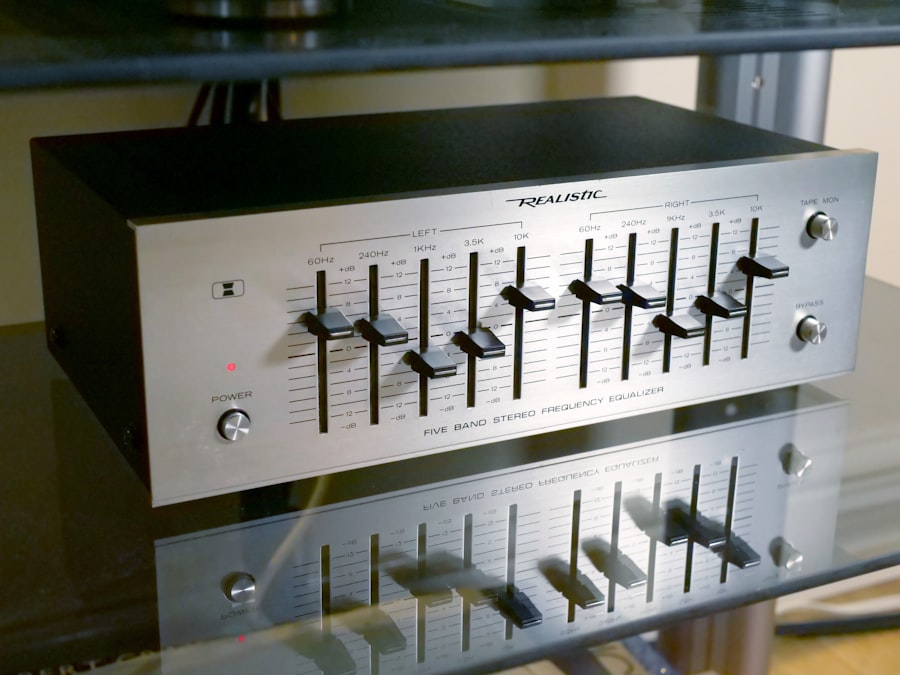
At the heart of any digital audio system lies the digital-to-analog converter (DAC). This component is responsible for transforming digital audio signals into analog waves that can be played through speakers or headphones. The quality of the DAC can significantly impact your listening experience, as it determines how accurately the digital data is converted into sound.
When you choose high-res audio equipment, it’s essential to pay attention to the DAC specifications, as a superior DAC can reveal details in your music that lower-quality converters might obscure. A good DAC will not only provide a more accurate representation of the original recording but also enhance the overall soundstage. You may find that with a high-quality DAC, instruments are more distinct, and vocals are clearer, allowing you to appreciate the artistry behind each track.
Additionally, many modern DACs come equipped with features such as upsampling and filtering options, giving you greater control over your listening experience. By understanding the role of digital-to-analog conversion, you can make informed decisions about your audio setup and ensure that you’re getting the most out of your high-res audio files.
Bit Depth and Sample Rate
Bit depth and sample rate are two critical factors that influence the quality of digital audio. Bit depth refers to the number of bits used to represent each sample of audio, while sample rate indicates how many samples are taken per second. Together, these elements determine the dynamic range and frequency response of your audio files.
When you engage with high-resolution audio formats, you’ll encounter higher bit depths and sample rates than standard CD-quality audio, which typically has a bit depth of 16 bits and a sample rate of 44.1 kHz. Higher bit depths allow for greater dynamic range, meaning you can hear softer sounds more clearly without distortion. For example, a 24-bit audio file can capture nuances in quiet passages that a 16-bit file might miss.
Similarly, increased sample rates—such as 96 kHz or 192 kHz—enable more accurate reproduction of high-frequency sounds. As you explore high-res audio formats, understanding these concepts will help you appreciate why they offer a superior listening experience compared to traditional formats. By choosing equipment that supports higher bit depths and sample rates, you ensure that your audio playback is as faithful to the original recording as possible.
Lossless Audio Formats
| Equipment | Minimum Frequency Response | Signal-to-Noise Ratio (SNR) | Total Harmonic Distortion (THD) | Bit Depth | Sampling Rate |
|---|---|---|---|---|---|
| High-Resolution DAC | 20 Hz – 40 kHz | > 110 dB | < 0.001% | 24-bit | 96 kHz or higher |
| High-Resolution Headphones | 10 Hz – 40 kHz | > 100 dB | < 0.1% | N/A | N/A |
| High-Resolution Amplifier | 20 Hz – 40 kHz | > 110 dB | < 0.005% | N/A | N/A |
| High-Resolution Audio Player | 20 Hz – 40 kHz | > 110 dB | < 0.001% | 24-bit | 96 kHz or higher |
When it comes to high-resolution audio, lossless formats are paramount. Unlike lossy formats such as MP3 or AAC, which compress audio files by discarding some data, lossless formats retain every detail of the original recording. This means that when you listen to a lossless file, you’re experiencing music exactly as it was intended by the artist and producer.
Popular lossless formats include FLAC (Free Lossless Audio Codec), ALAC (Apple Lossless Audio Codec), and WAV (Waveform Audio File Format). Each of these formats offers unique advantages while ensuring that no sonic detail is lost during compression. Choosing lossless audio formats is particularly important for audiophiles who seek to maximize their listening experience.
With high-res audio equipment capable of reproducing these formats accurately, you’ll notice a significant difference in sound quality compared to compressed files. The richness and depth of music become more pronounced, allowing you to appreciate subtle details like background harmonies or intricate instrumentals that might otherwise go unnoticed. By embracing lossless formats in your audio library, you elevate your listening sessions and immerse yourself in a world of sound that is both vibrant and authentic.
Amplification and Power Output
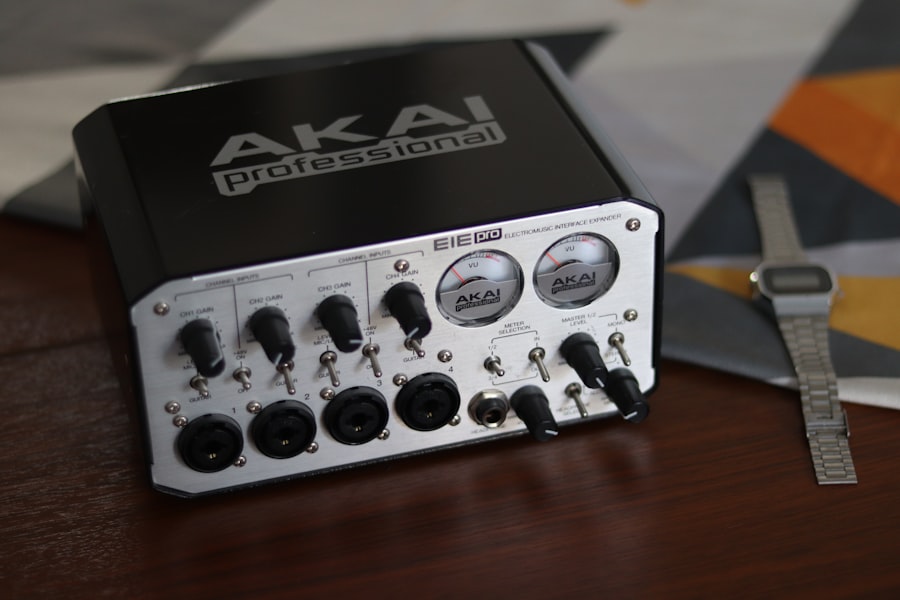
Amplification plays a crucial role in delivering high-quality sound from your audio system. The amplifier boosts the low-level audio signals from your source device to a level suitable for driving speakers or headphones. When selecting an amplifier for your high-res audio setup, it’s essential to consider its power output and compatibility with your speakers or headphones.
A well-matched amplifier ensures that your system operates efficiently without distortion or clipping, allowing for a clean and dynamic sound. Power output is particularly important when it comes to speaker performance. If your amplifier doesn’t provide enough power for your speakers, you may experience a lackluster performance characterized by weak bass or muddled highs.
Conversely, an overpowered amplifier can lead to distortion at higher volumes. By understanding the relationship between amplification and power output, you can make informed choices about your equipment and create an audio setup that delivers optimal performance across various listening scenarios.
Signal-to-Noise Ratio
The signal-to-noise ratio (SNR) is a critical specification that measures the level of desired signal compared to background noise in an audio system. A higher SNR indicates a cleaner signal with less interference from unwanted noise, resulting in clearer sound reproduction. When evaluating high-res audio equipment, pay attention to SNR ratings; they can provide insight into how well your system will perform in real-world listening conditions.
In practical terms, a high SNR means that even during quiet passages in music, you’ll be able to hear subtle details without being distracted by hiss or hum from electronic components. This clarity is especially important for genres like classical music or jazz, where dynamic contrasts play a significant role in the overall experience. By prioritizing equipment with excellent signal-to-noise ratios, you enhance your ability to enjoy music as it was meant to be heard—free from distractions and full of nuance.
Frequency Response and Dynamic Range
Frequency response refers to the range of frequencies that an audio system can reproduce accurately, while dynamic range measures the difference between the quietest and loudest sounds in a recording. Both factors are essential for achieving a balanced and immersive listening experience. A wide frequency response ensures that you can hear everything from deep bass notes to soaring treble frequencies without distortion or loss of detail.
Dynamic range is equally important; it allows for dramatic contrasts in volume within a piece of music. A system with limited dynamic range may compress these contrasts, resulting in a flat sound that lacks emotional impact. When selecting high-res audio equipment, look for specifications that indicate broad frequency response and impressive dynamic range capabilities.
Room Acoustics and Speaker Placement
Even with top-notch high-res audio equipment, room acoustics play a significant role in how sound is perceived. The characteristics of your listening environment can either enhance or detract from your audio experience.
To achieve optimal sound quality, it’s essential to consider these elements when setting up your audio system. Speaker placement is particularly crucial for achieving balanced sound distribution throughout the room. Ideally, speakers should be positioned at ear level and angled towards the listening area for optimal imaging and soundstage depth.
Additionally, experimenting with speaker distance from walls can help minimize unwanted reflections and enhance clarity. By taking room acoustics into account and carefully positioning your speakers, you create an environment where high-res audio equipment can truly shine.
Compatibility with High Res Audio Formats
As you explore high-resolution audio formats, ensuring compatibility with your equipment becomes paramount. Not all devices support high-res files; therefore, it’s essential to verify that your digital players, DACs, amplifiers, and speakers can handle these formats effectively. Many modern devices come equipped with features designed specifically for high-res playback; however, older models may require upgrades or additional components to achieve optimal performance.
When investing in new equipment or upgrading existing components, prioritize those that explicitly state compatibility with high-resolution formats such as DSD (Direct Stream Digital) or PCM (Pulse Code Modulation) at higher bit depths and sample rates. This attention to detail will ensure that you can fully enjoy your collection of high-res music without encountering playback issues or diminished sound quality.
Budget Considerations and Value for Money
While diving into high-resolution audio equipment can be exhilarating, it’s essential to approach it with a clear budget in mind. High-quality components often come with a premium price tag; however, this doesn’t mean you have to break the bank to achieve an exceptional listening experience. By carefully researching options within your budget range and prioritizing key components—such as DACs or amplifiers—you can create an impressive setup without overspending.
Value for money is also an important consideration when selecting equipment. Look for products that offer excellent performance relative to their price point; this may involve reading reviews or seeking recommendations from fellow audiophiles. Remember that investing in quality components now can save you money in the long run by reducing the need for frequent upgrades or replacements.
By balancing budget considerations with performance expectations, you’ll be well on your way to enjoying high-resolution audio without compromising on quality or breaking the bank. In conclusion, understanding high-resolution audio equipment involves more than just knowing what devices are available; it requires an appreciation for how each component contributes to an immersive listening experience. By prioritizing quality components, understanding digital-to-analog conversion processes, exploring lossless formats, and considering factors like room acoustics and compatibility with high-res formats, you can create an exceptional audio setup tailored to your preferences—all while keeping budget considerations in mind for maximum value.
For those interested in high-resolution audio equipment, understanding the minimum requirements is crucial for achieving the best sound quality. A related article that delves into this topic can be found at Freaky Science, where you can explore the essential specifications and features needed to enhance your audio experience.
WATCH THIS! Can You Really Hear High-Res Audio? 🎶
FAQs
What defines high-resolution audio?
High-resolution audio refers to audio files or equipment that can reproduce sound at a higher sampling rate and bit depth than standard CD quality, typically 24-bit/96kHz or higher, resulting in more detailed and accurate sound reproduction.
What are the minimum requirements for high-res audio playback equipment?
Minimum requirements include a digital-to-analog converter (DAC) capable of handling at least 24-bit/96kHz audio, headphones or speakers with a frequency response that can reproduce the extended range, and a source device or player that supports high-resolution audio formats.
Do I need special headphones for high-res audio?
While not strictly necessary, headphones designed for high-res audio often have a wider frequency response and better drivers to accurately reproduce the increased detail and dynamic range of high-res files.
Is a high-res audio player required to play high-resolution files?
Yes, a player or software that supports high-resolution audio formats (such as FLAC, ALAC, DSD) and can output the audio without downsampling is required to fully experience high-res audio.
Can regular Bluetooth headphones play high-res audio?
Most standard Bluetooth headphones do not support high-res audio due to bandwidth limitations, but some models with advanced codecs like LDAC or aptX HD can handle higher quality audio streams.
What file formats are considered high-resolution audio?
Common high-res audio formats include FLAC, ALAC, WAV, AIFF, and DSD, which support higher bit depths and sampling rates than standard MP3 or AAC files.
Is high-res audio equipment compatible with standard audio files?
Yes, high-res audio equipment can typically play standard audio files, but the enhanced capabilities are only utilized when playing high-resolution files.
Does high-res audio equipment require special cables?
While standard audio cables can work, using high-quality, shielded cables can help maintain signal integrity, especially for analog connections, but there are no unique cable requirements exclusive to high-res audio.
How important is the amplifier in high-res audio equipment?
A good quality amplifier is important to accurately amplify the detailed signals from high-res audio sources without distortion, preserving the sound quality.
Can I use high-res audio equipment with my smartphone?
Many modern smartphones support high-res audio playback, but to fully benefit, you may need an external DAC or compatible headphones that support high-res audio standards.