You might have seen it, that little button, perhaps near your gear shifter or on the dashboard. It’s usually discreet, often labeled with a steering wheel symbol inside a circle or simply the word “AUTO HOLD.” You might have even absentmindedly pushed it once or twice, wondering what it actually does. This unassuming control is a hidden gem of modern automotive safety and convenience: the brake hold button, also known as Auto Hold. It’s a feature that, once you understand its purpose and benefits, will become an indispensable part of your driving experience. Forget the constant back-and-forth between the brake and accelerator in traffic, or the slight lurch when you release the brake at a stoplight. Auto Hold is here to simplify your drive and enhance your safety, often without you even realizing it.
The Everyday Annoyance You Didn’t Know You Could Eliminate
Consider the common scenario: you’re stuck in stop-and-go traffic. The minutes tick by, and your foot is firmly planted on the brake pedal. You might be tempted to shift into neutral and engage the parking brake, but that’s a cumbersome process. More likely, you’re just holding the brake pedal down, your leg growing tired, and your attention split between the brake pedal and the road ahead. Then, the car in front inches forward, and you have to quickly release the brake and gently apply the accelerator, only to repeat the process moments later. This constant engagement and disengagement of the brake and accelerator pedals can be mentally draining and, surprisingly, contribute to driver fatigue. Furthermore, in certain situations, especially on inclines, the subtle roll of the vehicle as you transition from brake to accelerator can cause a moment of anxiety or a slight, uncontrolled movement that could be problematic.
The Subtle Dance of Start-Stop Driving
The start-stop nature of modern driving, particularly in urban environments, presents a unique set of challenges. Unlike open road cruising, city driving involves frequent deceleration, stopping, and accelerating. Your right foot becomes intimately familiar with the brake pedal, its primary function being to halt your vehicle’s momentum. However, the secondary, often more nuanced, task is to hold the vehicle perfectly still while you await the opportunity to move forward again. This requires a constant, precise application of pressure. Many drivers develop a technique for this, often involving a slight rocking motion of the foot, or carefully balancing the pressure. While it might seem like second nature, this constant vigilance and physical exertion, however minor, can accumulate. You’re essentially micro-managing your vehicle’s stationary state, a task that can be delegated to technology.
Incline Woes and the Fear of Rolling Back
One of the most stressful driving situations for many is encountering an incline, whether it’s a hill or a moderately sloped ramp in a parking garage. When stopped on a hill, the immediate concern is preventing your vehicle from rolling backward when you release the brake pedal to move forward. This often leads to a hurried release of the brake and a quick jab of the accelerator, a maneuver that can feel jerky and uncontrolled. For those less experienced, or even for seasoned drivers in a moment of distraction, this can be a genuine safety concern. The fear of rolling back into the car behind you is a palpable one, leading to increased tension and a less relaxed driving experience. The brake hold button directly addresses this common automotive anxiety, offering a seamless and secure solution.
Many drivers are unaware of the significant impact that advanced car safety features can have on accident prevention. For instance, features like automatic emergency braking and lane-keeping assist are designed to help drivers avoid collisions and stay safely in their lanes. If you’re interested in learning more about these often-overlooked technologies, you can check out this insightful article on car safety features that you may have never noticed: here.
How the Invisible Hand of Auto Hold Works
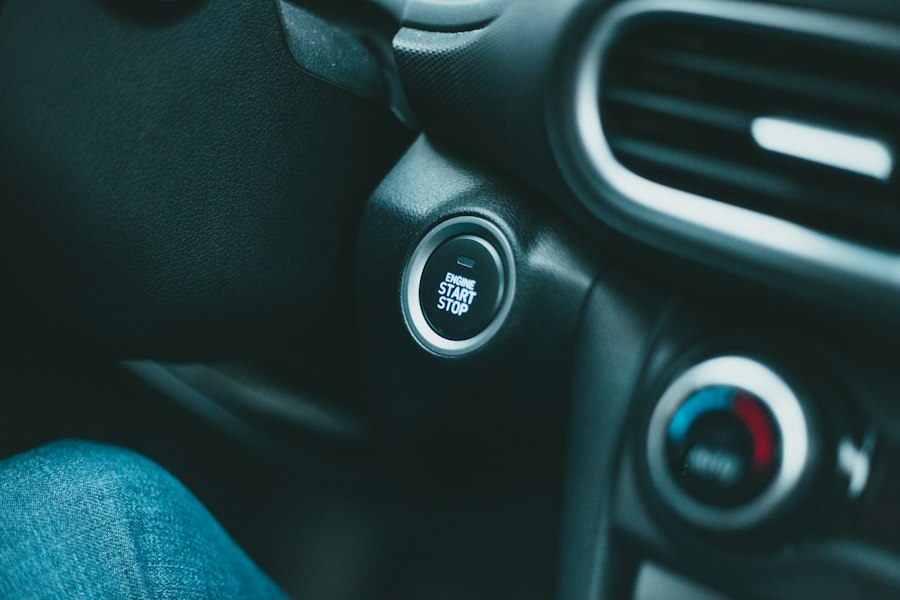
At its core, the brake hold button, or Auto Hold, is an intelligent system that takes over the job of keeping your car stationary once you’ve applied the brakes. It uses a combination of sensors and the vehicle’s braking system to maintain brake pressure even after you release your foot from the pedal. When you’re stopped, and the system is activated, it essentially “locks” the brakes. This allows you to take your foot off the brake pedal entirely, providing a welcome respite for your leg. The system remains engaged until you either press the accelerator pedal to move forward or, in some cases, manually deactivate the Auto Hold function. It’s a sophisticated piece of engineering that works almost invisibly in the background, yet delivers a significant improvement in driver comfort and safety.
The Electronic Brains Behind the Button
The magic behind the brake hold system lies within your car’s sophisticated electronic control units (ECUs). When you press the Auto Hold button, you’re essentially signaling to the car’s computer that you wish to engage this feature. The system then monitors various inputs. Crucially, it detects when you’ve applied the brakes and come to a complete stop. At this point, instead of relying on your foot to maintain pressure, the ECU actuates the vehicle’s braking system (typically via the ABS pump and valves) to hold the brake pressure steady. This is not a static application of the brakes; the system actively maintains the desired pressure, compensating for any minor leaks or fluctuations. It’s a dynamic process, orchestrated by intelligent software that ensures your vehicle remains firmly planted.
The Seamless Transition: Brake to Go
The beauty of the Auto Hold system lies in its seamless integration with your driving actions. When the system is engaged and you are stopped, you can lift your foot completely off the brake pedal. Your car will remain stationary, as if your foot is still there. The moment you decide to move forward, you simply press the accelerator pedal. The Auto Hold system detects this input and automatically releases the brake pressure, allowing you to accelerate smoothly away. There’s no need to shift gears, no need to manually disengage anything. The transition is fluid and intuitive, mimicking the natural flow of driving in traffic but without the physical strain and potential for error associated with manually managing the brake pedal.
Unlocking the Benefits: More Than Just Comfort
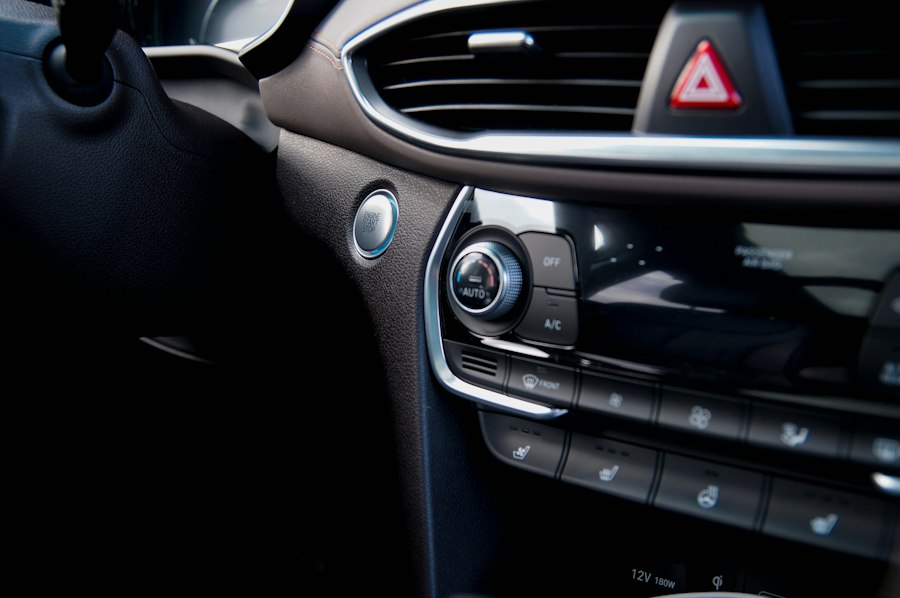
While the comfort aspect of Auto Hold is undeniable, its benefits extend far beyond simply resting your leg. Safety is significantly enhanced, particularly in situations where driver attention might be momentarily diverted or in scenarios requiring precise control. The elimination of unintended rolling, especially on inclines, provides a crucial layer of security. Furthermore, the reduction in driver fatigue can lead to improved concentration and a more alert state behind the wheel, which is paramount for overall road safety. The convenience factor also cannot be overstated; it transforms the often tedious experience of stop-and-go driving into a much more relaxed and manageable affair.
Enhanced Safety on Slopes and Inclines
As previously mentioned, Auto Hold is a game-changer for driving on hills. When you stop on an incline, the system automatically engages and holds your car in place. This means you don’t have to worry about rolling backward. You can take your foot off the brake and place it on the accelerator, ready to move forward when it’s safe. This eliminates the stress and potential danger associated with the traditional “hill start” maneuver, where drivers might inadvertently roll back or stall. The system provides a consistent and reliable hold, giving you confidence and peace of mind when navigating even the steepest inclines. This feature is particularly valuable in areas with frequent hills or in multi-story car parks.
Reducing Driver Fatigue and Improving Focus
Constant braking and accelerating, especially in heavy traffic, can lead to significant driver fatigue. Your leg muscles are engaged, and your mind is focused on the delicate balance between holding the brake and applying the accelerator. By allowing you to release your foot from the brake pedal, Auto Hold significantly reduces this physical strain. This, in turn, can lead to improved driver focus and concentration. When you’re not expending energy holding the brake, you can dedicate more of your mental capacity to observing your surroundings, anticipating potential hazards, and making safer driving decisions. The cumulative effect of reduced fatigue over a long drive or in prolonged traffic jams can contribute to a more alert and responsive driver.
Streamlining Stop-and-Go Traffic
The tedious nature of stop-and-go traffic is a universal driving frustration. The constant stopping and starting, the inching forward, and the waiting can turn a simple commute into an endurance test. Auto Hold transforms this experience. Instead of being a physical chore, it becomes a more passive experience. You can relax your leg, perhaps even adjust your seat or find a more comfortable posture while waiting. The car holds itself steady, and you simply need to touch the accelerator to move when the opportunity arises. This not only makes the drive more comfortable but also contributes to a smoother flow of traffic, as vehicles are less likely to make sudden, jerky movements due to driver fatigue or inattention.
When to Engage and When to Disengage Auto Hold
While Auto Hold is a fantastic feature, it’s important to understand its optimal usage. Generally, it’s designed for situations where you expect to be stopped for more than a few seconds. This includes traffic lights, stop signs, and, of course, stop-and-go traffic. However, there are scenarios where disengaging Auto Hold is advisable. These typically involve situations where you need immediate, precise control over your vehicle’s movement or when the system might not behave as expected. Understanding these nuances will ensure you are using the feature effectively and safely.
The Ideal Scenarios for Auto Hold Activation
Think of Auto Hold as your personal assistant for stationary moments. It shines in situations where you’re going to be stationary for a noticeable period. This includes:
- Traffic Lights: When you come to a complete stop at a red light, engaging Auto Hold frees your foot and allows you to relax while you wait for the light to change.
- Stop Signs: Similar to traffic lights, stopping at a stop sign for a few moments can be made more comfortable with Auto Hold engaged.
- Stop-and-Go Traffic: This is where Auto Hold truly excels. In dense traffic where the car is constantly stopping and moving forward in short bursts, it eliminates the repetitive braking and accelerating.
- Waiting for Pedestrians or Cyclists: When you need to stop to allow others to cross, Auto Hold ensures your car remains stable.
- Parking Garages: While not for parking maneuvers themselves, waiting in line or at toll booths within parking structures can be more pleasant with Auto Hold.
Situations Warranting Deactivation
While Auto Hold is generally robust, there are specific circumstances where it’s best to disengage it to maintain full control and prevent potential unexpected behavior:
- Tight Maneuvering in Parking Lots: When you are parking or navigating a crowded parking lot, you need precise, immediate control over your vehicle’s speed. Auto Hold can interrupt this by holding the brakes unexpectedly if you’re moving very slowly.
- Shifting Between Drive and Reverse: If you are frequently shifting between drive and reverse, such as during complex parking or in a tight space, it’s safer to have full manual control over the brake pedal. Some systems might disengage Auto Hold automatically, but it’s good practice to be aware and ready to intervene.
- Extremely Slow Crawling: While designed for stop-and-go, if you are crawling at an extremely slow pace for an extended period, and the system is not automatically releasing, it might be less intuitive than simply feathering the brake.
- If You Hear Unusual Noises or Feel Hesitation: If you notice any odd sounds or a delay in the system releasing the brakes, it’s always wise to deactivate it and have it checked by a mechanic.
- When You Prefer Traditional Control: Ultimately, some drivers simply prefer the feel of controlling the brake pedal themselves. Auto Hold is an assistance feature, not a requirement.
Many drivers overlook the importance of advanced car safety features, such as lane departure warning systems, which can significantly enhance road safety. Interestingly, a recent article discusses how these systems work and their impact on reducing accidents. If you’re curious about the technology behind these features, you can read more in this insightful piece on Freaky Science. Understanding these innovations can help you make more informed decisions when purchasing a vehicle.
Mastering the Button: Tips for Optimal Use and Troubleshooting
| Car Safety Feature | Description | Purpose | Commonly Overlooked Aspect |
|---|---|---|---|
| Headrest Design | Adjustable headrests that reduce whiplash injuries | Protects neck during rear-end collisions | Many drivers do not adjust headrests to proper height |
| Door Reinforcement Beams | Steel beams inside doors to absorb side impact | Enhances protection during side collisions | Invisible and often unnoticed by passengers |
| Anti-Submarine Seats | Seat design that prevents sliding under seatbelt in a crash | Reduces risk of abdominal injuries | Feature is integrated and not visible |
| Energy-Absorbing Steering Column | Collapsible steering column to reduce driver injury | Minimizes chest and head injuries in frontal crashes | Functionality is hidden inside steering assembly |
| Automatic Door Locking | Doors lock automatically when car is in motion | Prevents accidental door opening and theft | Many drivers are unaware it activates automatically |
| Child Safety Seat Anchors (LATCH) | Built-in anchors for securing child seats | Ensures proper installation of child restraints | Often overlooked or not used correctly by parents |
| Pedestrian Impact-Reducing Hood | Hood designed to absorb impact and reduce injury | Protects pedestrians in case of collision | Feature is subtle and not widely known |
Like any technological feature in your car, there’s a learning curve and some best practices to ensure you’re getting the most out of your brake hold button. Understanding how it interacts with other car systems and knowing what to do if something seems amiss will make your experience seamless and safe. Don’t hesitate to experiment in a safe environment to get a feel for its engagement and disengagement.
Understanding Your Car’s Specific Implementation
It’s important to remember that Auto Hold systems can vary slightly between different car manufacturers and even between models within the same brand. Some systems might have a slightly different indicator light, a different audible cue when engaging or disengaging, or a slightly different sensitivity. Your car’s owner’s manual is your best resource for understanding the precise operation of your specific Auto Hold system. Pay attention to the dashboard lights and any audible chimes that indicate when the system is active, ready, or has disengaged. Some systems might also have a brief delay before they fully disengage when you press the accelerator, and knowing this timing will prevent any perceived hesitation.
Common Questions and Troubleshooting
- “Why isn’t Auto Hold engaging?” Ensure the system is activated by pressing the button. The car must be at a complete stop, and typically, the seatbelt must be fastened. For manual transmissions, the clutch may need to be fully engaged (or disengaged, depending on the system) and the gear lever in Drive or Reverse. Check your owner’s manual for specific requirements for your vehicle.
- “Why did Auto Hold disengage unexpectedly?” This could happen if you were not fully stopped, if you moved the steering wheel significantly, or if the system detected an anomaly. In some cases, very gentle acceleration might also disengage it.
- “Is Auto Hold safe to use on steep hills?” Yes, it is specifically designed to hold your car securely on inclines. It is often more reliable than a driver’s manual application of the brake on a hill.
- “Can I use Auto Hold while parking?” Generally, no. It is not designed for the precise, slow-speed maneuvering required for parking. It is best to disengage it for parking maneuvers.
- “What if the Auto Hold indicator light is flashing or I hear a warning sound?” This usually indicates a fault with the system. In such cases, it’s best to disengage the Auto Hold feature and have your vehicle inspected by a qualified technician. Do not ignore warning signals.
By understanding the mechanics, benefits, and practical application of your car’s brake hold button, you can transform your driving experience from potentially fatiguing and stressful to one of enhanced comfort, safety, and control. It’s a small button with a significant impact, a testament to how modern automotive technology is constantly working to make our journeys better. The next time you find yourself in stop-and-go traffic or facing an incline, don’t forget about that unassuming button – it’s your gateway to a smoother, safer, and more relaxed drive.

Your Car Window Can Keep You In—Even When You Need Out
FAQs
What is a car safety feature you never noticed?
One car safety feature that often goes unnoticed is the tire pressure monitoring system (TPMS). This system alerts drivers when their tire pressure is low, helping to prevent accidents caused by underinflated tires.
How does the blind spot monitoring system work?
The blind spot monitoring system uses sensors to detect vehicles in the driver’s blind spots. When a vehicle is detected, a warning light typically appears on the side mirror or dashboard to alert the driver.
What is lane departure warning and how does it function?
Lane departure warning is a safety feature that alerts drivers when their vehicle begins to drift out of its lane without the use of a turn signal. This is usually done through visual or auditory alerts to bring the driver’s attention back to the road.
What is forward collision warning and how does it help prevent accidents?
Forward collision warning is a feature that uses sensors to detect an imminent collision with the vehicle in front. It alerts the driver through visual or auditory warnings, giving them time to react and potentially avoid a collision.
How does the electronic stability control system enhance car safety?
The electronic stability control system helps prevent skidding and loss of control by automatically applying brakes to individual wheels and reducing engine power when it detects a loss of traction. This feature can greatly improve a vehicle’s stability and handling in emergency situations.