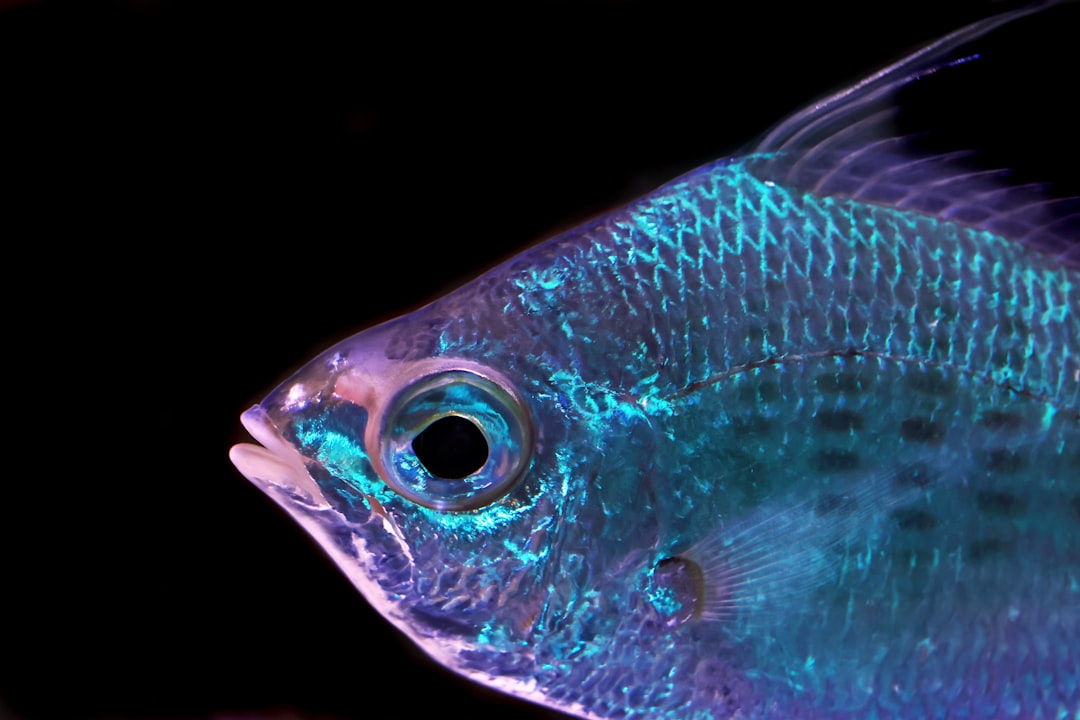
The ocean depths, a realm of perpetual twilight and crushing pressure, hold secrets that shimmer and pulse with an ethereal light. Among these wonders, the bioluminescent fish stand out, living jewels that paint the abyss with their own generated radiance. Their ability to produce light, a phenomenon known as bioluminescence, is not merely a captivating spectacle; it is a sophisticated evolutionary tool that has enabled them to thrive in one of the planet’s most challenging environments. From the ghostly glow of anglerfish to the dazzling displays of lanternfish, these creatures illuminate the darkness, revealing a world of intricate adaptations and ecological marvels.
Bioluminescence in fish is a complex biochemical process, a testament to nature’s ingenuity. It is not a spontaneous combustion, but a carefully orchestrated reaction involving specific molecules. At its core lies the enzyme luciferase and its substrate, luciferin. Luciferase acts as a catalyst, accelerating the oxidation of luciferin, a light-emitting molecule. This oxidation releases energy in the form of photons, the particles of light, creating the characteristic glow.
The Key Players: Luciferin and Luciferase
Luciferin is the light-producing molecule itself. While the general principle remains the same, there are different types of luciferins found across various organisms, leading to variations in the color and intensity of the light produced. Some fish possess the genetic machinery to synthesize their own luciferin, while others have to acquire it from their diet, often by consuming bioluminescent bacteria.
Luciferase, on the other hand, is the enzyme that drives the reaction. It’s akin to the spark that ignites the fuel. The specific structure of luciferase determines how efficiently it interacts with luciferin and thus influences the brightness and duration of the light emission. Different luciferases also contribute to the subtle spectral differences observed in bioluminescent fish.
The Role of Oxygen and ATP
Beyond luciferin and luciferase, oxygen is a crucial component in the bioluminescent reaction. It acts as the oxidizing agent for luciferin. In many cases, adenosine triphosphate (ATP), the energy currency of cells, is also required to activate the luciferin-luciferase system, ensuring that light is produced only when needed. This energy requirement highlights the metabolic cost of producing light, emphasizing its importance for survival.
Variations in Light Production: Color and Intensity
The color of the emitted light is not uniform among bioluminescent fish. While blue and green are the most common colors, observed in the deep sea where these wavelengths travel best through water, some species can produce red or even yellow light. The specific chemical makeup of the luciferin and the microenvironment within the photophore (the light-producing organ) influence the emitted wavelength. The intensity of the light can also vary, ranging from faint, almost imperceptible flickers to bright, conspicuous flashes, depending on the species and the purpose of the light.
Bioluminescent fish are fascinating creatures that have evolved the ability to produce light through biochemical reactions, often for communication, camouflage, or attracting prey. For those interested in exploring more about the intriguing world of bioluminescence, a related article can be found at Freaky Science, which delves into the science behind these glowing organisms and their unique adaptations in the deep sea.
The Bioluminescent Arsenal: Adaptations for Survival
The ability to generate light is not an end in itself but a multifaceted tool that has shaped the evolution of these deep-sea inhabitants. Bioluminescence serves a variety of critical functions, allowing these fish to navigate, communicate, hunt, and defend themselves in an environment devoid of sunlight.
Camouflage and Counterillumination: Hiding in Plain Sight
One of the most widespread uses of bioluminescence is for camouflage, specifically through a process called counterillumination. In the mesopelagic zone (the twilight zone), where faint sunlight penetrates, predators often hunt from below, their silhouettes stark against the dim light filtering from the surface. Many bioluminescent fish possess photophores on their ventral (underside) surfaces. These photophores emit light that matches the intensity and color of the ambient light from above, effectively blurring their outline and making them invisible to predators lurking beneath.
The Mystery of the Dimming Light
The effectiveness of counterillumination relies on the ability of the fish to adjust the intensity of their ventral photophores in response to changes in the ambient light. This requires a sophisticated sensory system that can detect the subtle shifts in light levels and a precise neural control over the bioluminescent organs. This dynamic adjustment is a remarkable feat of biological engineering, allowing them to remain hidden even as light conditions fluctuate.
Attraction and Luring Prey: The Deadly Glow
For many predatory fish, bioluminescence is an irresistible lure. The most iconic example is the anglerfish, whose modified dorsal fin spine, tipped with a luminous esca, dangles in front of its mouth. This glowing lure attracts unsuspecting smaller fish and invertebrates, drawing them close enough to be snatched by the anglerfish’s formidable jaws. The light mimics the appearance of small prey or plankton, a siren call in the darkness.
The Deceptive Dance of the Lure
The anglerfish’s lure is not always a simple passive beacon. Some species can pulsate their light or even change its color, creating a more enticing display. The pattern of light emission can be highly species-specific, preventing confusion with other predators and ensuring that the anglerfish attracts its preferred prey. This specialization underscores the evolutionary pressures that have shaped these hunting strategies.
Communication and Mating: Speaking in Light
Beyond hunting, bioluminescence plays a crucial role in social interactions, particularly in attracting mates. In the vastness of the deep sea, where visual cues are limited, light signals can be a vital means of species recognition and courtship. Different species may have unique flash patterns, colors, or arrangements of photophores that serve as a form of visual language.
The Alphabet of Light: Flash Patterns and Signals
Males and females of the same species may emit distinct light signals, facilitating mate recognition and courtship rituals. These signals can be complex, involving sequences of flashes, sustained glows, or even synchronized displays. The study of these patterns is akin to deciphering an alien alphabet, revealing the intricate communication networks that exist in the deep ocean.
Defense and Startling Predators: A Flash of Surprise
Bioluminescence can also be a powerful defensive weapon, used to startle, distract, or deter predators. Some fish release clouds of bioluminescent material, creating a dazzling smokescreen that allows them to escape. Others possess specialized photophores that can emit a sudden, intense flash of light, momentarily blinding or disorienting an attacker.
The Bioluminescent Bomb: Escaping the Grasp
Certain species, like the cookiecutter shark, have a peculiar defensive strategy. They possess a large, bioluminescent organ on their underside that mimics the appearance of a smaller fish. When a larger predator attacks, the cookiecutter shark can detach a glowing plug of skin, diverting the predator’s attention while it escapes. This “bioluminescent bomb” is a remarkable example of an evolutionary trade-off for survival.
Diverse Forms, Unified Purpose: A Gallery of Glowing Fish
The world of bioluminescent fish is incredibly diverse, encompassing a wide array of shapes, sizes, and habitats. Yet, despite their differences, they all share the common thread of light production, each species employing this remarkable ability in its own unique way.
Lanternfish (Myctophidae): The Ubiquitous Illuminators
Lanternfish are perhaps the most abundant and widespread group of bioluminescent fish, found in the mesopelagic zones of oceans worldwide. Their name derives from the rows of photophores that adorn their bodies, resembling miniature lanterns. These photophores are used for a variety of purposes, including counterillumination, species recognition, and communication.
The Symphony of the Mesopelagic
During their nightly vertical migrations, lanternfish ascend to feed in shallower waters and descend to the depths to avoid predators. As they move in vast schools, their collective bioluminescence creates a mesmerizing spectacle, a living constellation in the dark ocean. The patterns and intensity of their glows can vary, suggesting a complex social structure and communication system.
Anglerfish (Lophiiformes): Masters of Deception
As mentioned earlier, anglerfish are renowned for their predatory adaptations. Their distinctive lure, often with a symbiotic bioluminescent bacterium, is a testament to the power of specialized evolution. The diversity within anglerfish species is vast, with different adaptations in lure structure, size, and the way they employ their glow.
The Lure’s Evolutionary Arms Race
The anglerfish’s lure is a prime example of an evolutionary arms race. Over time, prey species have developed countermeasures to avoid the anglerfish’s deception. In turn, anglerfish have evolved increasingly sophisticated lures to overcome these defenses, leading to a continuous cycle of adaptation and counteradaptation.
Dragonfish (Stomiidae): The Red-Eyed Hunters
Dragonfish are a fascinating group that inhabits the bathypelagic and abyssopelagic zones. Many dragonfish species possess photophores that emit red light, a color that is invisible to most deep-sea creatures. This allows them to illuminate their prey without being detected themselves, giving them a distinct advantage in the hunt.
The Secret Language of Red Light
The ability to produce and detect red light is a rare adaptation in the deep sea. Dragonfish have evolved specialized eyes capable of perceiving red wavelengths, turning what would be darkness for other creatures into a visible spectrum for them. This unique sensory ability allows them to operate in a stealthier niche, unseen by most potential prey and predators.
Viperfish (Chauliodus): Fangs and Fluorescent Barbels
Viperfish are known for their formidable teeth and their impressive array of photophores, including long, fluorescent barbels that hang from their chin. These barbels, like the anglerfish’s lure, are thought to attract prey. The arrangement and flashing patterns of their photophores likely also play a role in communication and defense.
The Threatening Gleam
The menacing appearance of the viperfish, combined with its bioluminescent displays, creates a truly fearsome predator. Their ability to illuminate their surroundings with their barbels while remaining relatively hidden themselves makes them efficient hunters in the perpetual darkness.
The Deep-Sea Symphony: Bioluminescence in the Abyss
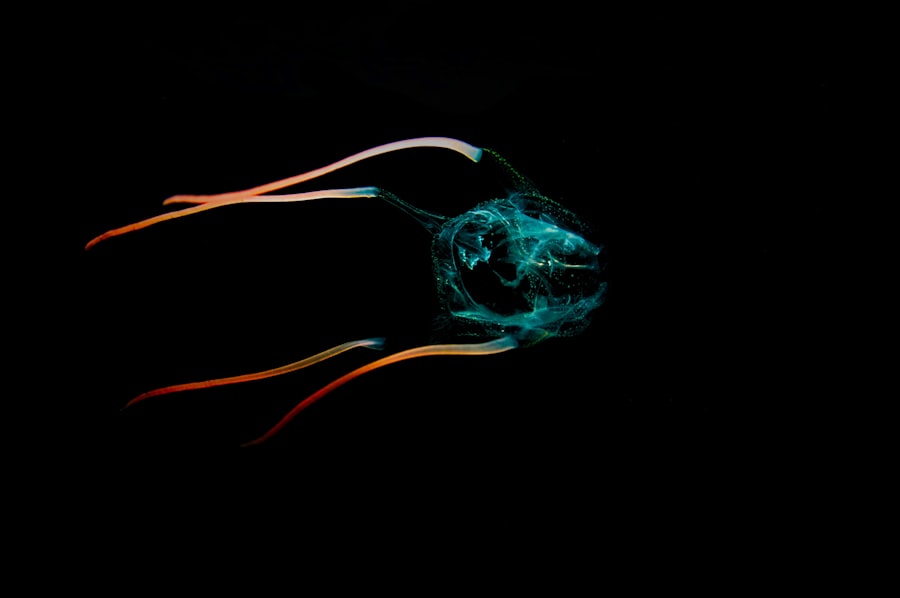
The abyssopelagic and hadal zones, the deepest parts of the ocean, are realms of extreme pressure, frigid temperatures, and complete darkness. Yet, even in these seemingly inhospitable environments, bioluminescence plays a vital role, illuminating a world that would otherwise be entirely unknown.
The Dim Glow of the Deepest Depths
While bioluminescence is prevalent in the mesopelagic zone, it is also found, though perhaps less frequently, in the deeper zones. Here, the light serves as a crucial means of communication and identification in an environment where encounters are rare and spaced far apart. The light may be used for attracting mates over vast distances or for signaling territorial boundaries.
Survival in the Utter Darkness
In the deepest trenches, where sunlight has never penetrated, bioluminescence is the only source of light. Fish here rely on it for every aspect of their lives – finding food, avoiding predators, and finding mates. The evolutionary pressures in these extreme environments have driven the development of highly specialized bioluminescent systems, often with unique biochemical pathways.
Symbiotic Relationships: Borrowing the Light
Many bioluminescent fish do not produce light themselves but harbor symbiotic bacteria within specialized organs called photophores. These bacteria, in turn, receive a safe haven and nutrients from the fish, creating a mutually beneficial relationship. The fish essentially “borrows” the light-producing capabilities of its microbial partners.
The Bacterial Factories of Light
These symbiotic relationships are incredibly intricate. The fish controls the light emission by regulating blood flow to the photophores, which provides oxygen and nutrients to the bacteria, or by using shutters or pigment layers to block or reveal the light. This control allows the fish to precisely manage its bioluminescent output.
Bioluminescent fish are fascinating creatures that have evolved to produce light in the dark depths of the ocean, serving various purposes such as attracting prey or communicating with others. For those interested in learning more about the science behind these incredible organisms, you can explore a related article that delves into the mechanisms of bioluminescence and its ecological significance. This insightful piece can be found here, offering a deeper understanding of how these unique adaptations have developed over time.
Unraveling the Mysteries: The Future of Bioluminescent Fish Research
| Fish Species | Bioluminescent Organ | Depth Range |
|---|---|---|
| Anglerfish | Esca (lure) | 200 to 2,000 meters |
| Flashlight fish | Suborbital photophores | 5 to 100 meters |
| Dragonfish | Photophores along body | 200 to 2,000 meters |
Despite centuries of exploration, the world of bioluminescent fish remains a frontier of scientific discovery. Researchers are continuously unraveling the complexities of their biochemistry, the intricacies of their behaviors, and their ecological significance.
Advancements in Imaging and Observation Technologies
The development of advanced deep-sea submersibles, remotely operated vehicles (ROVs), and high-resolution cameras has revolutionized our ability to observe and study these elusive creatures in their natural habitats. These technologies allow scientists to witness bioluminescent displays in real-time, capture stunning imagery, and collect valuable data without disturbing the delicate deep-sea ecosystem.
Illuminating the Unknown
New imaging techniques, such as hyperspectral imaging, are enabling researchers to analyze the precise wavelengths of light emitted by different species, providing insights into their communication and camouflage strategies. The ability to observe these creatures in their natural environment, under minimal disturbance, is crucial for understanding their true behaviors.
Genetic and Biochemical Discoveries
Ongoing research into the genetics and biochemistry of bioluminescence is uncovering new luciferins, luciferases, and regulatory mechanisms. Understanding these processes could have significant applications in fields such as biotechnology, medicine, and environmental monitoring. For instance, the genes responsible for bioluminescence could be used to tag and track molecules in biological research.
The Potential for Biomedical Applications
The enzymes involved in bioluminescence are often highly efficient and stable, making them attractive candidates for a range of biomedical applications. They can be used as reporter genes in genetic engineering, to visualize cellular processes, or as markers in diagnostic tests. The unique properties of some bioluminescent systems are also being explored for cancer research and drug delivery.
Conservation Concerns and the Importance of Deep-Sea Exploration
As human activities increasingly impact the oceans, understanding and protecting bioluminescent fish and their habitats is becoming paramount. Deep-sea exploration is not just about discovery; it’s also about informed conservation. Protecting these unique ecosystems is essential for maintaining biodiversity and understanding the intricate web of life in our oceans.
The Fragile Balance of the Deep
The deep-sea environment is often perceived as remote and resilient, but it is surprisingly vulnerable to human disturbances such as deep-sea mining, pollution, and climate change. Bioluminescent fish, with their specialized adaptations, are particularly sensitive to changes in their environment. Continued exploration and research are crucial for developing effective conservation strategies to protect these glowing wonders for future generations.
The study of bioluminescent fish is a journey into a world of living light, a testament to the extraordinary power of adaptation and the enduring mysteries of the deep sea. Each flash, each glow, is a story of survival, communication, and the breathtaking beauty that exists beyond the reach of sunlight, illuminating the profound interconnectedness of life on our planet.

The Deeper You Go, the Less Life Looks Like Life
FAQs
What are bioluminescent fish?
Bioluminescent fish are a type of fish that have the ability to produce their own light through a chemical reaction within their bodies. This light is often used for communication, attracting prey, or camouflage.
Where are bioluminescent fish found?
Bioluminescent fish are found in various parts of the world, including the deep sea, where the lack of sunlight makes bioluminescence an important adaptation for survival. They can also be found in shallower waters, such as in the tropics and subtropics.
How do bioluminescent fish produce light?
Bioluminescent fish produce light through a chemical reaction involving a molecule called luciferin and an enzyme called luciferase. When these two substances combine with oxygen, they produce light. The light is emitted through specialized cells in the fish’s body called photophores.
What is the purpose of bioluminescence in fish?
Bioluminescence in fish serves several purposes, including communication with other fish, attracting prey, and camouflage. Some fish also use bioluminescence to deter predators by creating sudden flashes of light to startle or confuse them.
Are bioluminescent fish harmful to humans?
For the most part, bioluminescent fish are not harmful to humans. However, some species of bioluminescent fish, such as the deep-sea dragonfish, have venomous spines that can cause injury if handled improperly. It’s important to exercise caution when interacting with any type of marine life.