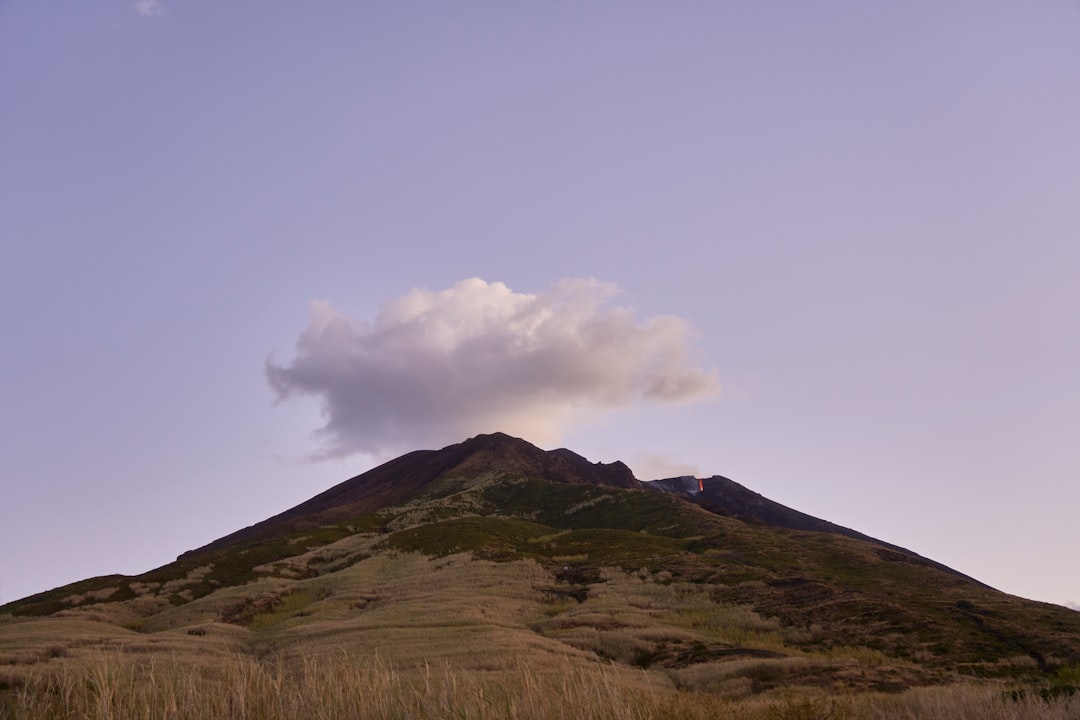
The Earth, a dynamic and ever-evolving planet, is a stage for immense geological forces. These forces, often hidden beneath our feet, can erupt with cataclysmic fury, reshaping landscapes and testing the resilience of civilizations. This article delves into the world of global geological disasters, exploring the mechanisms behind these events, their profound impacts, and the ongoing efforts to understand and mitigate their threat.
At the heart of our planet lies a molten core, a furnace of unimaginable heat and pressure that drives the very plates upon which continents float. This internal engine is the ultimate architect of geological upheaval, its restless activity manifesting in a spectrum of destructive events. Understanding these fundamental processes is the first step in comprehending the nature of geological disasters.
Plate Tectonics: The Grand Ballet of Continents
The Earth’s lithosphere, its rigid outer shell, is not a monolithic entity. Instead, it is fragmented into numerous tectonic plates that constantly, albeit imperceptibly, drift across the semi-fluid asthenosphere beneath. This movement, driven by convection currents within the Earth’s mantle, is the primary driver of geological activity. The interactions at the boundaries of these plates are where the most dramatic events unfold.
Convergent Boundaries: Where Plates Collide
When two tectonic plates move towards each other, their collision can result in a variety of geological phenomena. If oceanic crust meets continental crust, the denser oceanic plate is forced beneath the continental plate in a process called subduction. This subduction zone is a hotbed for seismic and volcanic activity.
The Formation of Volcanic Arcs and Mountain Ranges
As the subducting plate descends, it melts, generating magma that rises to the surface, forming volcanic arcs. The Andes Mountains in South America, for instance, are a direct consequence of the Nazca Plate subducting beneath the South American Plate. Similarly, continental-continental collisions, such as the ongoing convergence of the Indian and Eurasian Plates, create some of the world’s most towering mountain ranges, like the Himalayas. The immense pressure exerted here can also trigger significant earthquakes.
Divergent Boundaries: Where Plates Separate
At divergent boundaries, tectonic plates move apart. This often occurs at mid-ocean ridges, vast underwater mountain ranges where new oceanic crust is generated as magma wells up from the Earth’s interior, cools, and solidifies.
Mid-Ocean Ridges and Continental Rifting
While mid-ocean ridges are largely submerged, the process of rifting can also occur on continents, leading to the formation of rift valleys. The East African Rift Valley is a prime example, a colossal tear in the Earth’s crust where the African continent is slowly being pulled apart. This process can eventually lead to the formation of new oceans.
Transform Boundaries: Where Plates Slide Past Each Other
Transform boundaries are characterized by plates sliding horizontally past one another. While they do not typically produce volcanism, they are a major source of significant earthquakes.
The San Andreas Fault: A Case Study
The San Andreas Fault in California is perhaps the most famous example of a transform boundary. The Pacific Plate and the North American Plate grind against each other along this fault system, generating frequent seismic activity, including devastating earthquakes. The slow, inexorable creep of these plates can store immense amounts of energy, which is then released in sudden, violent tremors.
Earthquakes: The Earth’s Trembling Heartbeat
Earthquakes are sudden, violent shakes of the ground caused by the abrupt release of energy in the Earth’s crust. This energy is typically stored up over time by the slow movement of tectonic plates. When the stress along a fault line exceeds the strength of the rocks, a rupture occurs, sending seismic waves propagating outwards in all directions.
The Anatomy of an Earthquake
The point within the Earth where the rupture begins is called the hypocenter (or focus), while the point directly above it on the Earth’s surface is known as the epicenter. The intensity of an earthquake is measured on the Richter scale and the moment magnitude scale, which quantify the energy released.
Magnitude vs. Intensity: A Crucial Distinction
It is crucial to distinguish between magnitude and intensity. Magnitude measures the energy released at the source, while intensity describes the shaking experienced at a particular location, which is influenced by factors such as distance from the epicenter, local geology, and building construction.
Tsunami: The Ocean’s Wrath
When a powerful earthquake occurs beneath the ocean floor, it can displace a massive volume of water, triggering colossal waves known as tsunamis. These are not your typical surfing waves; they are enormous walls of water that can travel across entire oceans at incredible speeds.
The Devastating Reach of a Tsunami
The initial earthquake may cause localized damage, but it is the subsequent tsunami that often inflicts the most widespread devastation. Coastal communities are particularly vulnerable, as these waves can inundate vast areas, destroying infrastructure and causing immense loss of life. The 2004 Indian Ocean tsunami, triggered by a magnitude 9.1 earthquake, serves as a stark reminder of the devastating potential of these events.
Global geological disasters pose significant threats to communities around the world, often resulting in devastating consequences for both human life and the environment. For a deeper understanding of these phenomena, you can explore the article on geological hazards and their impact on society. This article provides valuable insights into the causes, effects, and mitigation strategies associated with such disasters. To read more, visit this article.
Volcanoes: The Earth’s Fiery Breaths
Volcanoes are openings in the Earth’s crust through which molten rock (magma), volcanic ash, and gases erupt. They are often found along plate boundaries, particularly at subduction zones and divergent boundaries, but can also occur at “hotspots” – areas where plumes of magma rise from deep within the Earth’s mantle.
Types of Volcanic Eruptions: A Spectrum of Fury
Volcanic eruptions vary greatly in their intensity and character, from gentle effusions of lava to explosive blasts that can reshape landscapes and impact global climate. The composition of the magma, its viscosity, and the amount of dissolved gas all play a role in determining eruption style.
Effusive Eruptions: The Flowing Lava
Effusive eruptions are characterized by the relatively gentle outpouring of fluid, low-viscosity basaltic lava. These eruptions can form vast lava flows that spread across the surrounding terrain. While generally less immediately destructive than explosive eruptions, prolonged lava flows can still pose significant threats to settlements and infrastructure.
Shield Volcanoes: Gentle Giants
Shield volcanoes, such as those found in Hawaii, are built up over time by successive effusive eruptions. They are characterized by their broad, gently sloping cones formed by the accumulation of fluid lava.
Explosive Eruptions: The Violent Outbursts
Explosive eruptions are driven by highly viscous magma rich in dissolved gases. As the magma rises, the gases expand, building immense pressure within the volcano. When this pressure is released, it can result in catastrophic eruptions that eject ash, rock fragments (pyroclasts), and deadly gas clouds into the atmosphere.
Stratovolcanoes: Majestic and Dangerous
Stratovolcanoes, also known as composite volcanoes, are cone-shaped mountains formed by alternating layers of lava flows and pyroclastic material. They are often associated with subduction zones and are known for their explosive potential. Mount St. Helens in the United States and Mount Vesuvius in Italy are well-known examples.
Pyroclastic Flows: The Fiery Embrace
One of the most dangerous phenomena associated with explosive volcanic eruptions is the pyroclastic flow. These are fast-moving, incandescent currents of gas, ash, and rock fragments that surge down the volcano’s slopes at high speeds, incinerating everything in their path. They are essentially avalanches of superheated material.
Landslides and Mudflows: Gravity’s Relentless Pull
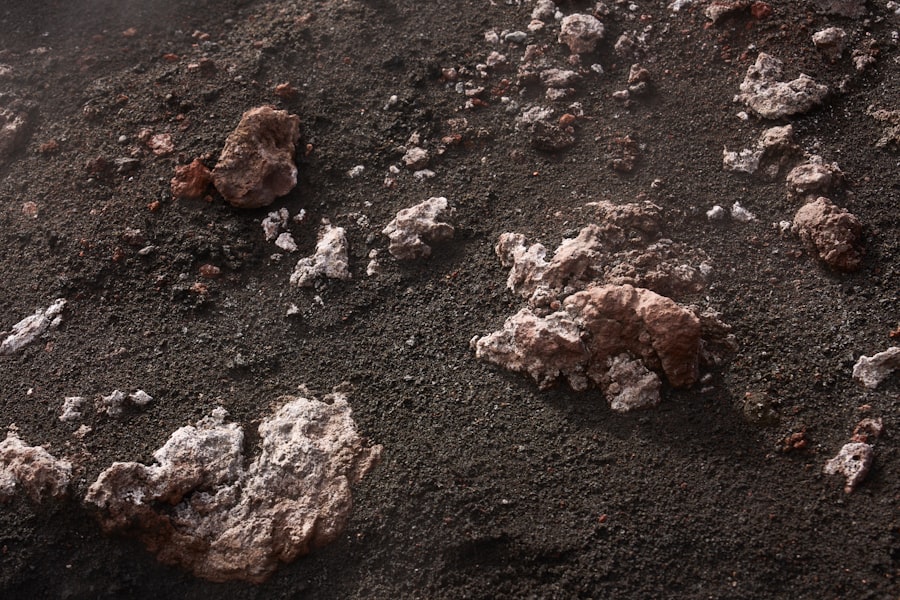
While earthquakes and volcanoes are often dramatic, localized events, landslides and mudflows are geological disasters that can occur over broader areas, frequently triggered by other natural phenomena. Gravity, the omnipresent force, plays a central role in these events.
Factors Influencing Landslides: A Precarious Balance
Landslides occur when the forces that hold soil and rock in place are overcome by the forces pulling them downhill. A delicate balance exists between these forces, and various factors can tip that equilibrium.
Water Saturation: The Lubricant of Disaster
The presence of excessive water is a primary trigger for many landslides. Heavy rainfall, rapid snowmelt, or the breaching of a water body can saturate the ground, increasing its weight and reducing the friction between soil particles. This makes the slope far more susceptible to collapse.
The Role of Rainfall Intensity and Duration
The intensity and duration of rainfall are critical factors. Prolonged periods of moderate rain can infiltrate the ground more effectively than a short, intense downpour, leading to a greater buildup of pore water pressure and increased instability.
Earthquakes as Triggers: Shaking the Foundations
As previously discussed, earthquakes can significantly destabilize slopes. The shaking during a seismic event can cause large masses of rock and soil to detach and slide downhill, even on slopes that would otherwise be stable.
The Impala Landslide: A Recent Example
The 2015 Impala landslide in Papua New Guinea, triggered by an earthquake, buried several villages and resulted in hundreds of fatalities. This event underscores the cascading effect that one geological disaster can have on another.
Human Activity: Disturbing the Slumber
Human activities can also profoundly influence slope stability. Deforestation, inadequate drainage, construction on steep slopes, and mining operations can all disrupt the natural equilibrium, making areas more prone to landslides.
Deforestation and its Consequences
Removing trees weakens the soil’s structural integrity, as tree roots act as natural anchors. When forests are cleared, especially on steep slopes, the soil becomes more vulnerable to erosion and mass movement.
Mudflows and Debris Flows: The Torrential Onslaught
Mudflows and debris flows are a type of landslide characterized by the rapid movement of a liquefied or semi-liquefied mass of soil, rock, water, and debris down a slope. They are often faster and more destructive than simple landslides.
Lahars: The Volcanic Mud Avalanche
Lahars are specific types of mudflows or debris flows produced by a volcano. They can be generated by the melting of snow and ice on the volcano’s summit during an eruption, or by heavy rainfall mixing with loose volcanic ash and debris.
The Nevado del Ruiz Lahar: A Tragic Reminder
The 1985 eruption of Nevado del Ruiz in Colombia resulted in catastrophic lahars that engulfed the town of Armero, claiming over 23,000 lives. The rapid flow of mud and debris demonstrated the immense destructive power of these volcanic mudflows.
Earthquakes: The Shaking of Continents
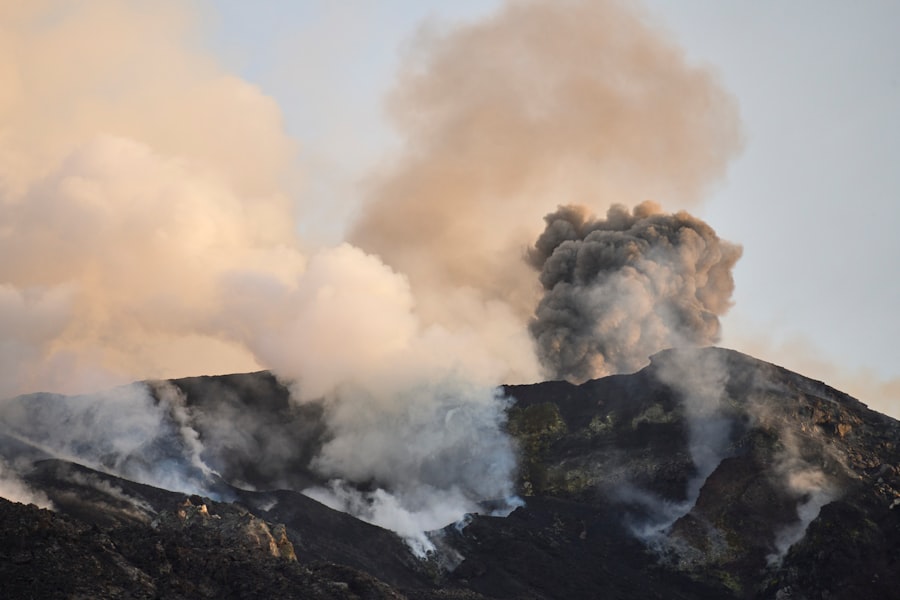
Earthquakes, the sudden and often violent shaking of the ground, are perhaps the most widely recognized and feared geological disasters. They are a direct consequence of the Earth’s restless plate tectonics, a constant reminder that our planet is a dynamic and active entity.
Seismic Waves: The Pulse of the Earthquake
When a fault ruptures, it releases energy in the form of seismic waves that travel through the Earth. These waves are the means by which we detect and measure earthquakes. There are several types of seismic waves, each with distinct characteristics.
Body Waves: Traveling Through the Earth
Body waves travel through the Earth’s interior. Primary waves (P-waves) are compressional waves that travel fastest and can move through solids, liquids, and gases. Secondary waves (S-waves) are shear waves that are slower and can only travel through solids.
The First Arrivals: Warning Signs
P-waves typically arrive first at seismograph stations, offering a crucial few seconds of warning before the more destructive S-waves and surface waves arrive.
Surface Waves: The Ground’s Destructive Dance
Surface waves travel along the Earth’s surface and are responsible for most of the shaking and destruction during an earthquake. Love waves are horizontal shear waves, while Rayleigh waves are retrograde elliptical motions that cause the ground to move up and down and side to side.
The Longest Lasting, Most Damaging
Surface waves have larger amplitudes and longer periods than body waves, meaning they can cause more significant ground displacement and structural damage.
The Impact of Earthquakes: Ripple Effects Far and Wide
The immediate effects of an earthquake are the shaking of the ground and the potential for structural collapse. However, the consequences can extend far beyond the epicenter, creating a cascade of secondary disasters.
Structural Collapse: The Fragility of Our Built World
Buildings, bridges, and other infrastructure are designed to withstand certain forces, but the intense and often unpredictable shaking of an earthquake can exceed these limits, leading to catastrophic collapse. The design and construction methods of buildings play a critical role in their resilience.
Seismic Design: Building for Resilience
Modern seismic design incorporates principles that allow structures to absorb and dissipate earthquake energy, minimizing damage and preserving lives. This includes features like flexible foundations, reinforced structures, and seismic dampers.
Ground Failure: Shifting Foundations
Earthquakes can cause various forms of ground failure, including liquefaction, where saturated granular soils lose their strength and behave like a liquid. This can cause buildings to sink or tilt. Landslides and subsidence can also occur.
Liquefaction: The Ground Dissolving Beneath You
In areas with alluvial soils and a high water table, intense shaking can transform solid ground into a fluid-like state, leading to devastating damage to foundations and underground utilities.
Fires: Ignited by Disruption
The shaking and rupture of gas lines, damage to electrical grids, and overturned stoves can easily spark fires after an earthquake. Damaged water mains can hinder firefighting efforts, allowing these fires to spread rapidly, often leading to more destruction than the earthquake itself.
The Great San Francisco Earthquake and Fire of 1906
This historic event is a prime example of how earthquakes can trigger widespread conflagrations. The earthquake damaged gas lines and water mains, and subsequent fires raged for days, causing extensive destruction.
Global geological disasters have become an increasingly pressing concern as climate change and human activities continue to impact the Earth’s stability. For those interested in understanding the various types of geological hazards and their implications, a related article can be found at Freaky Science, which explores the science behind these phenomena and offers insights into prevention and preparedness strategies. By staying informed, we can better equip ourselves to face the challenges posed by these natural events.
Global Impact and Future Outlook: Living with a Dynamic Planet
| Disaster Type | Average Annual Occurrences | Regions Most Affected | Average Fatalities per Event | Economic Impact (USD Billions) |
|---|---|---|---|---|
| Earthquakes | 20,000+ | Pacific Ring of Fire, Himalayas, Mediterranean | 1,000 | 50 |
| Volcanic Eruptions | 50-70 | Pacific Ring of Fire, Indonesia, Iceland | 100 | 5 |
| Landslides | 1,500+ | Mountainous regions worldwide, Himalayas, Andes | 200 | 10 |
| Tsunamis | 5-10 | Pacific Ocean, Indian Ocean, Mediterranean Sea | 5,000 | 20 |
| Sinkholes | Hundreds | Florida (USA), China, Middle East | 10 | 1 |
The geological disasters discussed are not isolated incidents but rather integral aspects of our planet’s dynamic nature. Their impacts are felt across continents and oceans, shaping human history and dictating the course of civilizations.
The Human Cost: Lives and Livelihoods Lost
The most profound and tragic impact of geological disasters is the loss of human life. Entire communities can be devastated in moments, leaving behind shattered lives and immense grief. Beyond the immediate fatalities, survivors often face long-term challenges, including displacement, loss of homes and livelihoods, and psychological trauma.
Vulnerability and Resilience: Disparities in Impact
The impact of geological disasters is not evenly distributed. Vulnerable populations, often living in poorly constructed housing in hazard-prone areas, bear a disproportionate burden. Conversely, communities that invest in robust infrastructure, early warning systems, and comprehensive disaster preparedness plans demonstrate greater resilience.
Economic Repercussions: The Price of Destruction
The economic toll of geological disasters is staggering. The destruction of infrastructure, homes, businesses, and agricultural land represents a significant loss of wealth. Rebuilding efforts are often costly and can divert resources from other essential development initiatives.
The Global Economic Ripple Effect
A major natural disaster in one region can have ripple effects on the global economy, disrupting supply chains, affecting commodity prices, and influencing international markets.
Mitigation and Preparedness: Building a Safer Future
While we cannot prevent geological disasters from occurring, significant efforts are underway to mitigate their impacts and enhance our preparedness. This involves a multi-pronged approach that combines scientific understanding, technological innovation, and societal engagement.
Scientific Advancements: Understanding the Earth’s Signals
Ongoing research in seismology, volcanology, and geophysics continues to improve our understanding of the mechanisms driving geological events. This includes developing more sophisticated models to predict the likelihood and potential intensity of future disasters.
Early Warning Systems: Buying Precious Time
The development and deployment of advanced early warning systems, such as seismic networks and tsunami detection buoys, provide critical lead times for evacuations and protective measures, saving countless lives.
Engineering and Infrastructure: Designing for Resilience
Engineers are continuously developing and implementing new technologies and techniques to build more resilient structures capable of withstanding seismic forces and other geological hazards. This includes advancements in materials science and innovative architectural designs.
Public Education and Awareness: Empowering Communities
Educating the public about geological hazards, evacuation procedures, and emergency preparedness is fundamental to effective disaster response. Informed communities are better equipped to protect themselves and assist others during crises.
The Future Landscape: Coexisting with Geological Forces
The Earth will undoubtedly continue to present us with its powerful geological spectacles. By fostering scientific inquiry, embracing technological innovation, and prioritizing community resilience, humanity can learn to coexist with our dynamic planet, minimizing the devastating consequences of its most awe-inspiring destructive forces. The Earth’s geological heartbeat is strong, and understanding its rhythm is key to navigating its powerful influence.
FAQs
What are global geological disasters?
Global geological disasters are natural events caused by geological processes such as earthquakes, volcanic eruptions, tsunamis, landslides, and sinkholes. These disasters result from the movement and interaction of the Earth’s tectonic plates and other geological activities.
What causes earthquakes and how do they impact the environment?
Earthquakes are caused by the sudden release of energy in the Earth’s crust due to tectonic plate movements, fault slips, or volcanic activity. They can cause ground shaking, surface rupture, landslides, and tsunamis, leading to significant damage to infrastructure, loss of life, and environmental changes.
How do volcanic eruptions affect global geological stability?
Volcanic eruptions occur when magma from beneath the Earth’s surface escapes through vents. They can release ash, lava, and gases, impacting air quality, climate, and landscapes. Large eruptions can trigger secondary disasters like mudflows and landslides, and contribute to long-term geological changes.
What regions are most vulnerable to geological disasters?
Regions located along tectonic plate boundaries, such as the Pacific Ring of Fire, are most vulnerable to geological disasters. Countries like Japan, Indonesia, Chile, and the western United States frequently experience earthquakes, volcanic eruptions, and tsunamis due to their geological settings.
How can communities prepare for and mitigate the effects of geological disasters?
Communities can prepare by implementing early warning systems, enforcing building codes designed to withstand earthquakes and volcanic activity, conducting regular disaster drills, and educating the public about emergency response. Land-use planning and monitoring geological activity also help reduce risks and improve resilience.