The rapid deployment and increasing ubiquity of SpaceX’s Starlink satellite constellation have ignited a fervent discourse, touching upon diverse fields from astrophysics and astronomy to telecommunications and even, for some, notions of reality itself. This article delves into the scientific underpinnings and observable effects of Starlink, moving beyond speculative interpretations to a grounded examination of its tangible impacts and the questions it raises within the realm of frontier science. This exploration will consider the technical architecture of Starlink, its observable effects on astronomical observation, the potential for communication infrastructure enhancement, and finally, the emergent questions surrounding its interaction with our perception of Earth’s celestial environment.
The Technical Fabric of Starlink: A Constellation’s Design and Purpose
Starlink represents a bold engineering endeavor, aiming to establish a global broadband internet service through a vast network of interconnected satellites in low Earth orbit (LEO). Understanding its fundamental design is crucial to appreciating its impact.
Orbital Mechanics and Satellite Deployment
The Starlink constellation is comprised of thousands of small satellites, each weighing several hundred kilograms. These satellites are deployed in orbits ranging from approximately 340 to 550 kilometers above Earth’s surface. This LEO placement is deliberate, chosen to minimize signal latency – the delay in data transmission – a critical factor for high-speed internet. Each satellite is equipped with phased-array antennas, enabling it to direct beams of communication signals to specific ground locations and to other satellites. The sheer number of satellites is designed to provide continuous coverage, ensuring that as one satellite moves out of range, another is already in position to take over. This dynamic, ever-shifting network is a testament to advanced orbital mechanics and sophisticated deployment strategies.
Communication Technology and Bandwidth Capabilities
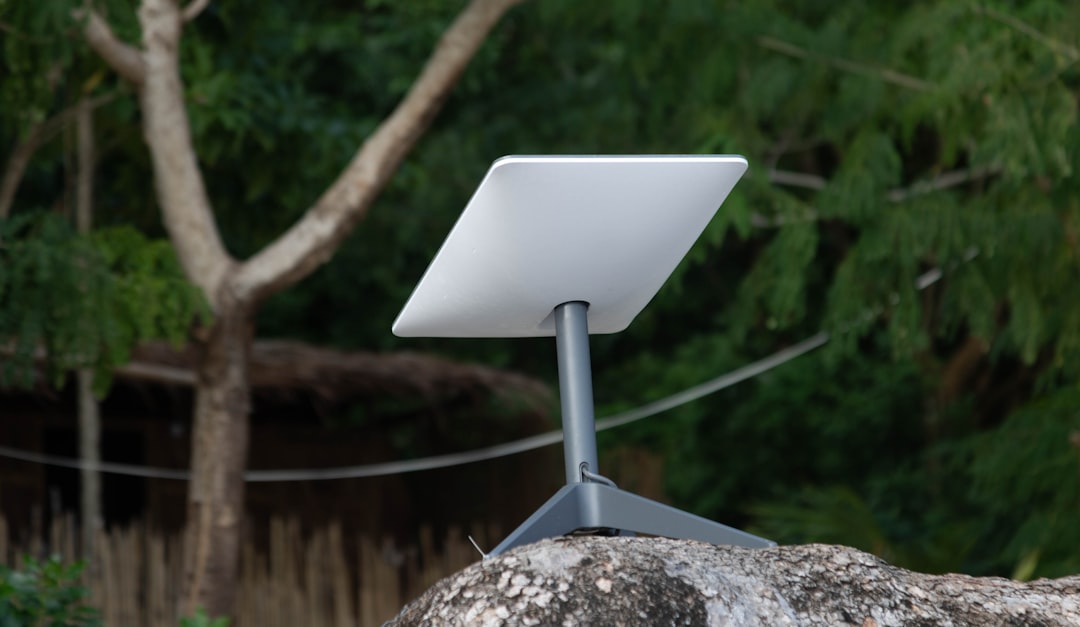
At its core, Starlink utilizes Ka and Ku frequency bands for communication. These bands offer high bandwidth, allowing for the transmission of large amounts of data at high speeds. The phased-array antennas are key to efficient spectrum utilization, allowing for multiple users and services to be supported simultaneously within a given geographical area. The ground segment involves user terminals, commonly referred to as “dishes,” which are designed to be user-installable and capable of tracking the satellites as they traverse the sky. The advanced algorithms powering the network manage satellite handoffs, beam steering, and overall network traffic, aiming for a seamless user experience. The ultimate goal is to provide reliable internet access to underserved and remote regions, bridging the digital divide.
The Evolution of the Constellation: Growth and Future Projections
The Starlink constellation is not static. SpaceX has outlined plans for multiple generations of satellites, each potentially featuring improved capabilities, increased lifespan, and advanced technological features. Early iterations were subject to higher orbital altitudes and reflectivity, leading to some of the initial observations that garnered public attention. Subsequent generations have incorporated design modifications aimed at mitigating these effects, reflecting an iterative approach to engineering and a responsiveness to observed impacts. The sheer scale of deployment and the continuous evolution of the constellation present ongoing challenges and opportunities for scientific observation and analysis.
In exploring the intriguing concept of frontier science, the article titled “Starlink Reality Warp Proof” delves into the implications of advanced satellite technology on our understanding of space and time. This piece provides a fascinating perspective on how innovations like Starlink could potentially alter our perception of reality and connectivity. For more insights on this topic, you can read the full article here: Starlink Reality Warp Proof.
Astronomical Observations Under Scrutiny: The Impact of Satellite Trails
The most immediate and widely discussed impact of the Starlink constellation has been its effect on astronomical observations. The dense population of satellites, particularly during their initial deployment phases, created transient light streaks across photographic and electronic sky surveys.
Light Pollution and Sky Glow: A New Contributor
The reflective surfaces of Starlink satellites, especially when illuminated by the sun, have introduced a new form of light pollution. While not a continuous glow in the same way as terrestrial light sources, these reflections manifest as transient bright streaks in astronomical images. This phenomenon is most pronounced during twilight hours when the satellites are still illuminated by the sun while the ground is in darkness. The intensity and duration of these streaks depend on the satellite’s altitude, orientation, and the specific observational conditions. For ground-based telescopes, this constitutes an unwanted addition to the celestial background.
Impacts on Scientific Surveys and Data Processing
Astronomical surveys, which rely on capturing vast swathes of the sky over extended periods, are particularly susceptible to the interference from satellite trails. These streaks can mask faint celestial objects, distort measurements of their brightness and position, and complicate automated data analysis pipelines. Astronomers have had to develop new algorithms and techniques to identify and mitigate these trails, effectively filtering out the unwanted signal generated by the satellites. This has necessitated significant investment in software development and has added an extra layer of complexity to data processing. The cumulative effect of millions of satellite transits over time raises concerns about the long-term degradation of astronomical data quality.
Mitigation Strategies and Ongoing Collaboration
In response to widespread concerns from the astronomical community, SpaceX has undertaken efforts to reduce the reflectivity of its satellites. These include the application of specialized coatings and the redesign of certain surface elements. Furthermore, the company has engaged in dialogue with astronomical organizations to share orbital data and coordinate observational schedules, where feasible. While these efforts have shown some success in reducing the impact of newer satellites, the sheer number of currently deployed satellites and the ongoing expansion of the constellation mean that this remains a significant challenge. The ongoing collaboration, though born out of necessity, represents a crucial interface between commercial enterprise and scientific endeavor.
Beyond Astronomy: Enhancing Global Connectivity and Access
While the impact on astronomy is a prominent concern, Starlink’s primary objective lies in revolutionizing global internet access. The constellation’s design aims to overcome the limitations of existing terrestrial infrastructure, particularly in remote and underserved areas.
Bridging the Digital Divide: Reaching the Unconnected
A significant portion of the world’s population still lacks reliable access to high-speed internet. Starlink’s ambitious goal is to provide broadband connectivity to these previously unconnected regions. This has the potential to unlock new opportunities for education, healthcare, economic development, and communication for billions of people. The ability to access information, participate in online commerce, and connect with others remotely can have transformative effects on individual lives and communities. This is a direct response to a long-standing global challenge.
Communication Infrastructure in Remote and Disaster-Prone Areas
Beyond general connectivity, Starlink offers a compelling solution for communication infrastructure in regions prone to natural disasters or lacking robust terrestrial networks. In the event of damage to existing infrastructure, satellite internet can provide a vital lifeline for emergency services, aid organizations, and affected populations. This resilience and rapid deployability make Starlink a valuable tool for disaster preparedness and response, ensuring that communication lines remain open when they are needed most.
The Economic Implications: Competition and Innovation
The introduction of Starlink also has significant economic implications for the telecommunications industry. It injects competition into a market that, in many areas, has been dominated by a few large providers. This increased competition can drive innovation, lead to lower prices for consumers, and encourage further investment in broadband infrastructure development. The advent of a global satellite internet service also opens up new business models and opportunities for service providers.
Navigating the Spectrum: Regulatory and Environmental Considerations
The deployment of a vast satellite constellation like Starlink is not without its regulatory and environmental complexities. Managing the radio frequency spectrum and addressing the lifecycle of space hardware are critical aspects of responsible space utilization.
Radio Frequency Allocation and Interference Management
The operation of Starlink necessitates careful management of radio frequencies to avoid interference with existing satellite services and terrestrial communications. International agreements and regulatory bodies govern frequency allocation to ensure that different services can coexist harmoniously. SpaceX must adhere to these regulations, and ongoing monitoring is required to ensure compliance and address any emergent interference issues. This involves coordination with national regulatory agencies and international bodies.
Space Debris and Orbital Sustainability
The increasing number of satellites in orbit, including those in the Starlink constellation, raises concerns about space debris. While SpaceX has implemented designs for deorbiting satellites at the end of their operational life, the sheer volume of hardware presents a long-term challenge. The potential for collisions between satellites is a significant risk, which could generate further debris and create a cascade effect. Responsible management of orbital space and the development of effective debris mitigation strategies are paramount for the long-term sustainability of space activities.
The Lifecycle of Satellites: Design for Deorbiting and End-of-Life
A key aspect of mitigating space debris is the design of satellites with end-of-life considerations in mind. Starlink satellites are equipped with propulsion systems that are intended to allow them to deorbit and burn up in the Earth’s atmosphere at the conclusion of their service. The success of these deorbiting maneuvers and the traceability of their completion are critical elements in assessing the environmental impact of the constellation. Research into more advanced deorbiting technologies and active debris removal remains an important area of study.
In exploring the fascinating intersection of frontier science and technology, the recent article on Starlink’s potential to create a reality warp has garnered significant attention. This innovative concept suggests that advancements in satellite technology could alter our perception of reality in unprecedented ways. For those interested in delving deeper into this intriguing topic, you can read more about it in the related article found here. The implications of such developments could reshape our understanding of communication and connectivity in the modern world.
Frontier Science in the Age of Ubiquitous Satellites: New Questions and Perspectives
The advent of Starlink, and the broader trend towards mega-constellations, is pushing the boundaries of what we consider “frontier science.” It compels us to re-examine our relationship with the night sky and to consider the interconnectedness of terrestrial technologies and celestial observations.
The Perceptual Shift: Our Changing View of the Cosmos
The visible presence of Starlink satellites has undeniably altered the visual experience of the night sky for many. This shift in perception can prompt deeper reflection on humanity’s place in the cosmos and the evolving nature of our interaction with space. While it may be a departure from the pristine, unblemished view of the stars for some, it also represents a tangible manifestation of human technological reach. Understanding this perceptual shift and its psychological implications is itself a nascent area of inquiry.
Reimagining Observational Techniques: Adaptation and Innovation
The challenges posed by satellite interference are not merely obstacles; they are catalysts for innovation in astronomical techniques. Scientists are developing novel methods for image processing, data calibration, and even entirely new observational strategies that can account for and potentially utilize the presence of satellites. This might include the development of “smart” telescopes that can dynamically adjust their observations based on real-time satellite traffic data. This adaptation is a hallmark of scientific progress.
The Ethics of Space Colonization and Public Access
As human activity in space expands, so too do the ethical considerations. The deployment of Starlink raises questions about who has access to space resources, who benefits from these technologies, and the long-term stewardship of the orbital environment. The concept of “space colonization,” once the realm of science fiction, is becoming increasingly intertwined with present-day technological deployments. These discussions are vital for ensuring that space exploration and utilization are conducted in a manner that is equitable and sustainable.
Frontier Science as a Dialogue Between Technology and Nature
Perhaps the most profound aspect of the Starlink phenomenon for frontier science is its embodiment of the increasingly blurred lines between human technology and the natural world. The satellites are not merely distant astronomical objects; they are active participants in our terrestrial experience, affecting our ability to observe the universe and connecting us globally through invisible signals. Understanding this intricate interplay, the subtle and not-so-subtle ways in which our technological endeavors shape our perception and interaction with the cosmos, is the essence of frontier science in the 21st century. Starlink, in its multifaceted impact, serves as a compelling case study for this ongoing scientific and philosophical exploration.
FAQs
What is Starlink?
Starlink is a satellite internet constellation being constructed by SpaceX to provide satellite Internet access across the globe.
What is frontier science?
Frontier science refers to cutting-edge scientific research and exploration that pushes the boundaries of our current understanding and knowledge.
What is reality warp proof?
Reality warp proof is a term that suggests evidence or proof that challenges or warps our current understanding of reality, often in the context of scientific discoveries.
How does Starlink relate to frontier science and reality warp proof?
The article explores the potential implications of Starlink’s satellite internet technology on frontier science and the possibility of it providing evidence or proof that challenges our current understanding of reality.
What are some potential impacts of Starlink on frontier science and reality warp proof?
Some potential impacts of Starlink on frontier science and reality warp proof could include advancements in global connectivity for scientific research, as well as the potential for new discoveries or evidence that challenge our current understanding of the universe.