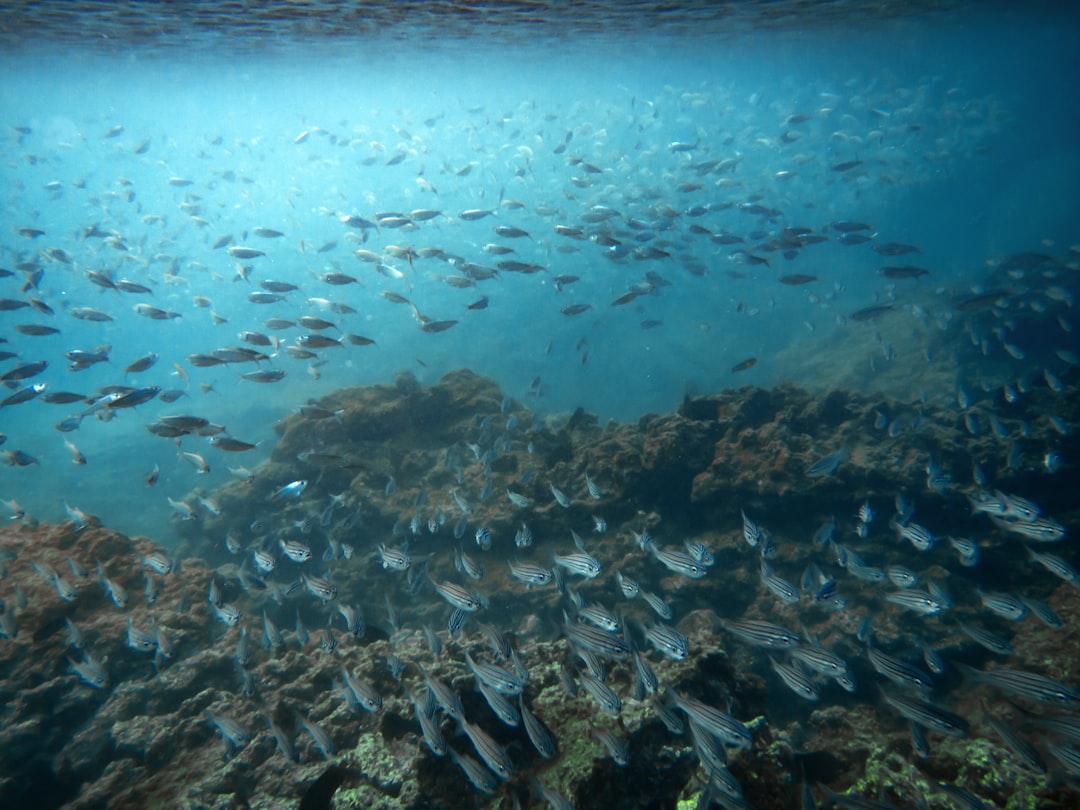
Fish habitat compression occurs when the available living space for aquatic species decreases due to environmental pressures. Primary causes include urban development, pollution, and climate change, which degrade aquatic ecosystems and reduce suitable habitat areas. This spatial reduction disrupts the ecological balance necessary for maintaining stable fish populations and triggers cascading effects throughout aquatic food webs.
When fish populations concentrate in smaller areas, resource competition increases substantially. Limited space forces fish to compete more intensively for food, shelter, and breeding sites. This concentration also affects water quality parameters, particularly dissolved oxygen levels, as higher fish densities increase oxygen consumption while potentially reducing oxygen production and circulation.
The compressed habitat conditions create stress on fish populations, affecting their feeding patterns, reproductive success, and overall physiological health. The relationship between habitat compression and oxygen availability represents a critical factor in aquatic ecosystem health. Reduced habitat areas often correlate with decreased water circulation and increased metabolic demands from concentrated fish populations, leading to hypoxic conditions that further limit suitable living space and create feedback loops that intensify compression effects.
Key Takeaways
- Fish habitat compression reduces available living space, impacting fish populations and behavior.
- Compressed habitats often experience lower oxygen levels, which can harm fish health.
- Decreased oxygen in compressed areas leads to stress, altered behavior, and increased mortality in fish.
- Mitigation strategies focus on restoring habitats and improving oxygen availability to support fish survival.
- Conservation efforts are crucial to address habitat compression and maintain healthy oxygen levels for sustainable fish ecosystems.
Understanding the Impact of Habitat Compression on Fish
The impact of habitat compression on fish populations is profound and multifarious. As habitats become more confined, fish are often subjected to increased stress levels due to overcrowding. This stress can lead to a range of physiological and behavioral changes that may compromise their survival.
For instance, when fish are forced into smaller areas, they may experience heightened aggression and competition for food and breeding sites. Such dynamics can result in decreased reproductive success and increased mortality rates, ultimately threatening the sustainability of fish populations. Moreover, habitat compression can disrupt the natural food web within aquatic ecosystems.
As fish populations become more concentrated, their feeding habits can alter local prey availability, leading to imbalances in species composition. This disruption can have cascading effects throughout the ecosystem, affecting not only fish but also other organisms that rely on a balanced environment for survival. Understanding these impacts is essential for developing effective conservation strategies aimed at preserving aquatic biodiversity.
The Relationship Between Habitat Compression and Oxygen Levels
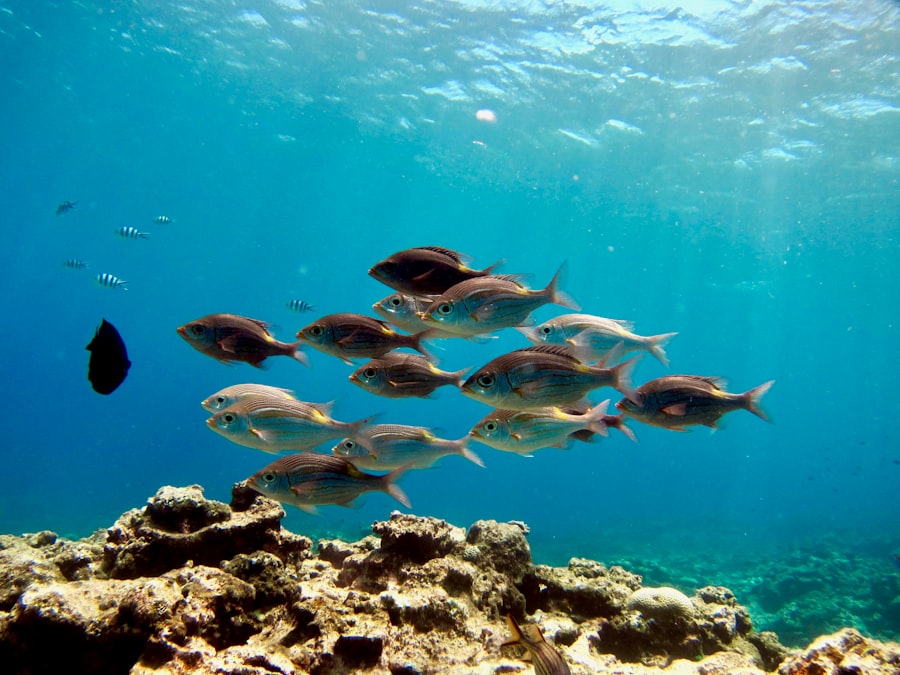
One of the critical factors affected by habitat compression is oxygen availability in aquatic environments. Fish rely on dissolved oxygen in water for respiration, and when habitats become compressed, the oxygen levels can fluctuate dramatically. Increased density of fish populations often leads to higher rates of respiration and organic waste production, which can deplete oxygen levels in the water.
This depletion poses a significant threat to fish health and overall ecosystem stability. Furthermore, habitat compression can exacerbate the effects of other environmental stressors, such as temperature changes and pollution. Warmer water holds less dissolved oxygen, and when combined with increased organic matter from overcrowded fish populations, the situation can become dire.
The relationship between habitat compression and oxygen levels is thus a critical area of study for understanding the broader implications of environmental change on aquatic life.
How Habitat Compression Affects Fish Behavior
The behavioral responses of fish to habitat compression are varied and complex. In confined spaces, fish may exhibit altered social dynamics, including increased aggression and territorial disputes. These changes can lead to stress-induced behaviors that further compromise their health and reproductive success.
For example, dominant individuals may monopolize resources, leaving subdominant fish with limited access to food and breeding opportunities. This shift in behavior can have long-term consequences for population dynamics and genetic diversity. Additionally, habitat compression can influence migratory patterns among fish species.
Many fish rely on specific habitats for spawning or feeding; when these areas become compressed or degraded, their natural migratory routes may be disrupted. This disruption can lead to decreased access to critical resources and ultimately affect population sustainability. Understanding these behavioral changes is essential for developing effective management strategies that promote healthy fish populations in increasingly compressed habitats.
The Role of Oxygen Levels in Fish Health
| Metric | Description | Typical Range / Value | Unit |
|---|---|---|---|
| Oxygen Concentration | Amount of dissolved oxygen available in water | 5 – 14 | mg/L |
| Fish Habitat Compression | Reduction in available habitat volume due to low oxygen zones | 10 – 70 | % habitat loss |
| Critical Oxygen Threshold | Minimum dissolved oxygen level for fish survival | 2 – 4 | mg/L |
| Hypoxic Zone Depth | Depth range where oxygen levels fall below critical threshold | 5 – 30 | meters |
| Fish Avoidance Behavior | Percentage of fish avoiding low oxygen areas | 60 – 90 | % of population |
| Oxygen Saturation | Percentage of oxygen saturation relative to maximum capacity | 50 – 100 | % saturation |
Oxygen levels play a pivotal role in maintaining the health of fish populations. Adequate dissolved oxygen is essential for cellular respiration, growth, and reproduction in aquatic organisms. When oxygen levels drop below critical thresholds, fish may experience hypoxia—a condition that can lead to lethargy, impaired growth, and even mortality.
The physiological stress caused by low oxygen levels can also make fish more susceptible to diseases and parasites, further jeopardizing their survival. Moreover, different species of fish have varying tolerances to low oxygen conditions. Some species are more resilient than others; however, as habitat compression intensifies and oxygen levels fluctuate, even the most tolerant species may struggle to thrive.
The intricate relationship between oxygen availability and fish health underscores the importance of monitoring and managing aquatic environments to ensure that they remain conducive to supporting diverse fish populations.
The Consequences of Decreased Oxygen Levels in Compressed Habitats
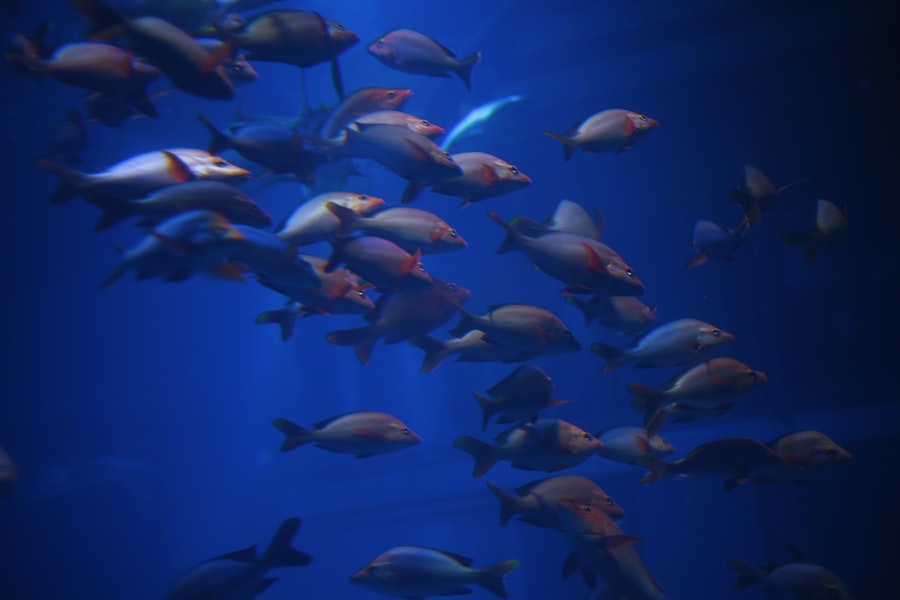
The consequences of decreased oxygen levels in compressed habitats are far-reaching and multifaceted. As oxygen becomes scarce, fish may exhibit a range of maladaptive behaviors, including reduced feeding activity and altered reproductive patterns. These changes can lead to population declines and diminished genetic diversity over time.
Additionally, low oxygen levels can create a feedback loop where stressed fish produce more waste, further depleting available oxygen and exacerbating the problem. The ecological ramifications extend beyond individual species; entire ecosystems can suffer as well. Decreased oxygen levels can lead to shifts in species composition, favoring those that are more tolerant of hypoxic conditions while disadvantaging others.
This shift can disrupt food webs and alter nutrient cycling within aquatic environments, ultimately leading to degraded ecosystem health. Understanding these consequences is vital for developing effective conservation strategies aimed at preserving both fish populations and their habitats.
Strategies for Mitigating the Impact of Habitat Compression on Oxygen Levels
To mitigate the impact of habitat compression on oxygen levels, several strategies can be employed at both local and global scales. One effective approach involves restoring natural habitats through reforestation or wetland restoration projects. By enhancing the structural complexity of aquatic environments, these initiatives can improve water quality and increase dissolved oxygen levels through enhanced photosynthesis by aquatic plants.
Another strategy involves implementing sustainable fishing practices that reduce overfishing pressures on specific species.
Additionally, monitoring water quality parameters regularly can help identify areas at risk of hypoxia before they reach critical thresholds, allowing for timely interventions.
The Importance of Maintaining Healthy Oxygen Levels in Fish Habitats
Maintaining healthy oxygen levels in fish habitats is paramount for ensuring the survival of diverse aquatic species. Healthy oxygen levels support not only individual fish but also entire ecosystems by promoting balanced food webs and nutrient cycling processes. When oxygen levels are adequate, fish are better able to thrive, reproduce successfully, and contribute to the overall health of their environments.
Furthermore, healthy oxygen levels are essential for maintaining biodiversity within aquatic ecosystems. Diverse communities are more resilient to environmental changes and disturbances; thus, ensuring that oxygen levels remain stable is crucial for fostering resilience in the face of ongoing habitat compression and other anthropogenic pressures.
Case Studies on the Effects of Habitat Compression on Oxygen Levels
Numerous case studies illustrate the effects of habitat compression on oxygen levels in various aquatic environments. For instance, research conducted in urbanized river systems has shown that increased runoff from impervious surfaces leads to higher nutrient loads in water bodies. This nutrient enrichment often results in algal blooms that consume dissolved oxygen as they decompose, creating hypoxic conditions detrimental to fish populations.
Another case study focused on coastal estuaries revealed that habitat loss due to development led to significant declines in dissolved oxygen levels during summer months when temperatures rise. The combination of increased water temperatures and reduced water flow exacerbated hypoxia conditions, leading to mass die-offs of sensitive fish species. These case studies underscore the urgent need for targeted conservation efforts aimed at addressing habitat compression and its associated impacts on oxygen availability.
The Future of Fish Habitat Compression and Oxygen Levels
The future of fish habitat compression and its impact on oxygen levels remains a pressing concern as human activities continue to exert pressure on aquatic ecosystems. Climate change poses additional challenges by altering precipitation patterns and increasing water temperatures—factors that can further exacerbate hypoxic conditions in already compressed habitats. As urbanization expands and natural habitats are lost or degraded, proactive measures will be essential for safeguarding aquatic biodiversity.
Innovative approaches such as integrated watershed management and community-based conservation initiatives offer promising pathways for addressing these challenges. By fostering collaboration among stakeholders—including local communities, policymakers, and scientists—efforts can be made to restore degraded habitats while promoting sustainable practices that enhance water quality and oxygen availability.
The Need for Conservation and Restoration Efforts to Address Habitat Compression and Oxygen Levels
In conclusion, addressing habitat compression and its impact on oxygen levels is critical for ensuring the health and sustainability of fish populations worldwide. The intricate relationships between habitat size, resource availability, behavior, and physiological health underscore the complexity of aquatic ecosystems. As pressures from human activities continue to mount, concerted conservation efforts will be necessary to mitigate these impacts effectively.
Restoration initiatives aimed at enhancing habitat complexity and improving water quality will play a vital role in maintaining healthy oxygen levels within aquatic environments. By prioritizing conservation strategies that address both habitat compression and its associated challenges, stakeholders can work together to safeguard the future of our planet’s invaluable aquatic resources for generations to come.
Fish habitat compression due to decreasing oxygen levels is a growing concern for aquatic ecosystems. A related article that delves into the implications of this phenomenon can be found on Freaky Science, which discusses the impact of environmental changes on fish populations and their habitats. For more information, you can read the article [here](https://www.freakyscience.com/).
FAQs
What is fish habitat compression?
Fish habitat compression refers to the reduction in the available living space for fish within a body of water. This often occurs when environmental conditions, such as temperature or oxygen levels, change in a way that forces fish to occupy a smaller area.
How does oxygen affect fish habitats?
Oxygen is essential for fish survival. Low oxygen levels, or hypoxia, can limit the areas where fish can live, causing them to move to zones with higher oxygen concentrations. This can lead to habitat compression as fish congregate in smaller, oxygen-rich areas.
What causes low oxygen levels in aquatic environments?
Low oxygen levels can be caused by factors such as water temperature increases, nutrient pollution leading to algal blooms, decomposition of organic matter, and stratification of water layers that prevent oxygen mixing.
Why is habitat compression a concern for fish populations?
Habitat compression can increase competition for resources like food and space, elevate stress levels, and make fish more vulnerable to predators. It can also affect reproduction and growth, potentially leading to declines in fish populations.
Can fish adapt to habitat compression caused by low oxygen?
Some fish species can tolerate low oxygen conditions better than others, and may adapt by altering their behavior or physiology. However, prolonged or severe oxygen depletion often exceeds their adaptive capacity, leading to negative impacts.
What are the ecological consequences of fish habitat compression?
Fish habitat compression can disrupt aquatic ecosystems by altering species distributions, reducing biodiversity, and affecting food web dynamics. It may also impact commercial and recreational fisheries.
How can fish habitat compression due to oxygen depletion be mitigated?
Mitigation strategies include reducing nutrient pollution to prevent algal blooms, restoring wetlands and riparian zones, improving water flow and mixing, and monitoring water quality to manage oxygen levels effectively.
Is fish habitat compression related to climate change?
Yes, climate change can exacerbate habitat compression by increasing water temperatures, which reduces oxygen solubility, and by altering precipitation patterns that affect nutrient runoff and water stratification.