
Genetics and Breed Predispositions
The genetic makeup of a feline plays a pivotal role in its overall health and longevity. Different breeds, as a result of selective breeding over centuries, possess unique genetic profiles that can influence their susceptibility to specific diseases and their inherent lifespan. Understanding these predispositions is crucial for owners seeking to provide optimal care and proactively address potential health concerns.
Inherited Diseases and Their Impact
Certain inherited conditions are more prevalent in particular breeds, directly impacting a cat’s life expectancy. For instance, hypertrophic cardiomyopathy (HCM), a common heart disease in cats, is known to have a genetic component and is particularly prevalent in breeds like the Maine Coon, Ragdoll, and American Shorthair. While not all cats with a genetic predisposition will develop HCM, the increased risk necessitates regular cardiac monitoring, especially in susceptible breeds. Early detection and management can significantly improve the quality of life and potentially extend it.
Another example is polycystic kidney disease (PKD), a condition that causes cysts to form in the kidneys, leading to impaired function. This is a common inherited disorder in Persian cats and related breeds. While some cats may live for years with managed PKD, the progressive nature of the disease inevitably impacts lifespan. Genetic testing is available for PKD, allowing breeders to screen for the gene and reduce its incidence in future generations. Responsible breeders prioritize the health of their lines, working to eliminate known genetic disorders.
Gastrointestinal issues, such as inflammatory bowel disease (IBD), can also have a genetic predisposition in certain breeds. While the exact genetic links are complex and still being researched, some breeds appear to have a higher incidence. IBD can lead to malabsorption, weight loss, and chronic discomfort, all of which can shorten a cat’s life if not properly managed. Dietary management, medication, and a deep understanding of the individual cat’s triggers are essential for managing IBD and maximizing life expectancy.
The Role of Purebred vs. Mixed Breed Cats
The debate surrounding purebred versus mixed-breed cats and their life expectancies is multifaceted. Historically, purebred cats, due to their often smaller gene pools and intensive selective breeding for specific traits, can be more prone to inherited diseases. This is not to say all purebreds are unhealthy; responsible breeders dedicate significant effort to health testing and maintaining genetic diversity within their lines. However, the focus on specific physical characteristics can sometimes inadvertently concentrate genes associated with health problems.
Mixed-breed cats, often referred to as “moggies” or domestic shorthairs/longhairs, generally benefit from a wider gene pool. This genetic diversity can lead to a phenomenon known as “hybrid vigor” or heterozygote advantage, where they may be more resistant to certain genetic disorders and potentially enjoy a longer average lifespan. However, this is not a guaranteed outcome. A mixed-breed cat can still inherit predispositions from its parentage, and environmental factors will always play a significant role. The key takeaway is that while genetic diversity can offer an advantage, it does not negate the importance of proper care and health monitoring for all cats, regardless of their lineage.
Research on cat life expectancy has revealed several critical factors that influence how long our feline friends live. One article that delves into these factors is titled “Understanding the Key Factors Affecting Cat Life Expectancy,” which discusses the impact of diet, genetics, and veterinary care on a cat’s lifespan. For more insights into this topic, you can read the article here: Understanding the Key Factors Affecting Cat Life Expectancy. This resource provides valuable information for pet owners looking to enhance the quality and longevity of their cats’ lives.
Environmental Influences on Feline Longevity
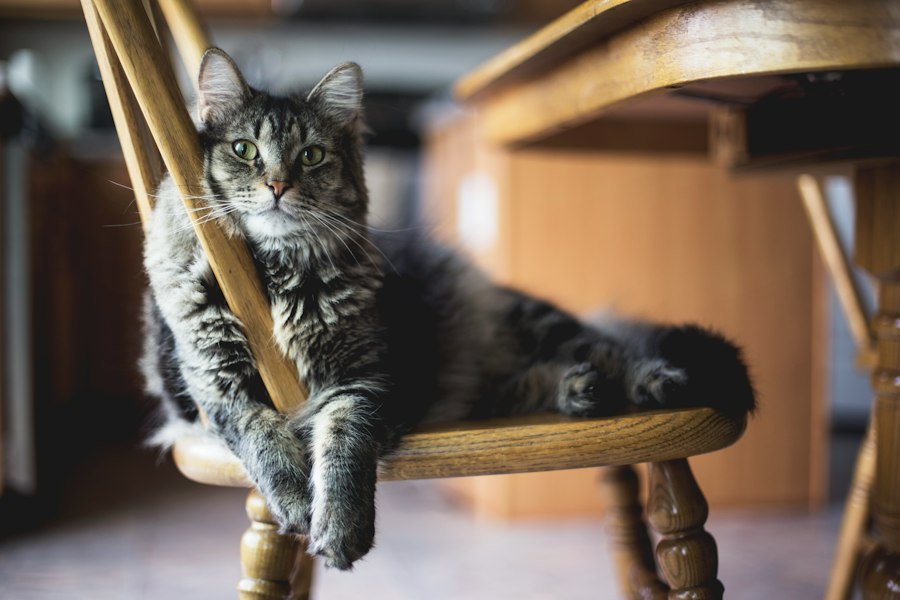
Beyond genetics, the environment in which a cat lives plays a profound role in determining its lifespan. This encompasses a wide range of factors, from the safety of its surroundings to the quality of its diet and the level of social interaction it experiences. Creating a stimulating, safe, and nurturing environment is paramount for fostering a long and healthy life for any feline companion.
Indoor vs. Outdoor Lifestyles
The stark difference in life expectancy between indoor-only cats and those with outdoor access is a well-documented phenomenon in veterinary research. Indoor cats are significantly protected from numerous life-threatening dangers inherent in the outside world. They are not exposed to the risks of traffic accidents, fights with other animals, predatory attacks, or the transmission of infectious diseases like feline leukemia virus (FeLV) and feline immunodeficiency virus (FIV) from stray or feral populations.
Furthermore, outdoor cats are more susceptible to parasites, such as fleas, ticks, and heartworms, which can cause significant health problems and shorten their lives if not diligently treated. Exposure to toxins, including pesticides, antifreeze, and poisonous plants, is another serious risk for outdoor cats. The stress of navigating a complex and often dangerous external environment can also negatively impact their overall well-being.
Conversely, while outdoor access can offer enrichment and opportunities for natural behaviors, the risks associated with it often outweigh the benefits in terms of longevity. Indoor cats, when provided with adequate enrichment, mental stimulation, and social interaction, can lead fulfilling lives without the constant existential threats faced by their outdoor counterparts. This protection, coupled with controlled diets and regular veterinary care, generally results in a considerably longer average life expectancy.
Diet and Nutrition’s Critical Role
The adage “you are what you eat” holds true for felines as well. A balanced and appropriate diet is fundamental to maintaining a cat’s health, supporting its immune system, and preventing diet-related diseases that can significantly shorten its life. The nutritional needs of cats change throughout their life stages, from kittenhood to senior years, and vary based on their activity levels and any underlying health conditions.
Kittens require a diet high in protein and calories to support rapid growth and development. Adult cats need a balanced diet that provides essential amino acids, vitamins, and minerals. Senior cats often benefit from diets formulated to support aging organs, such as kidneys and joints, and may require fewer calories to prevent obesity.
The quality of the ingredients in a cat’s food is also crucial. High-quality commercial cat foods are formulated to meet specific nutritional requirements. Avoiding excessive amounts of fillers, artificial additives, and by-products is advisable. Wet food is often recommended as it contributes to hydration, which is vital for feline health, particularly kidney function.
Obesity is a major health concern in cats and is directly linked to diet. Overweight cats are at a higher risk for developing diabetes mellitus, arthritis, heart disease, and other conditions that can drastically reduce their lifespan. Portion control and regular monitoring of a cat’s weight are essential. Similarly, malnutrition or diets lacking essential nutrients can lead to a weakened immune system, making cats more vulnerable to illness. Consulting with a veterinarian to determine the most appropriate diet for an individual cat is always recommended.
The Importance of a Safe and Stimulating Environment
A cat’s living environment significantly impacts its stress levels, physical health, and mental well-being, all of which are intrinsically linked to its lifespan. A safe and stimulating environment reduces anxiety, encourages physical activity, and provides opportunities for natural behaviors, contributing to a healthier and longer life.
Safety encompasses both physical hazards and emotional security. This means ensuring the home is free from toxic plants, chemicals, and small objects that could be ingested. Providing secure window perches and avoiding access to dangerous heights is also important. For cats that go outdoors, ensuring a safe transition in and out of the home and preventing encounters with predators or traffic are critical.
Stimulation is equally vital for a cat’s mental health. Boredom and lack of engagement can lead to stress, anxiety, and behavioral problems, which can indirectly affect physical health. Providing a variety of scratching posts, climbing structures, and interactive toys encourages physical exercise and mental engagement. Rotating toys can keep things novel and interesting.
Social interaction, whether with humans or other compatible pets, is also a crucial component of a cat’s well-being. Positive social bonds reduce stress and provide emotional support. However, it’s important to note that not all cats are social with each other, and forced interactions can be detrimental. Understanding an individual cat’s temperament and providing appropriate social opportunities is key. A cat that feels safe, secure, and mentally stimulated is more likely to thrive and live a longer, happier life.
The Impact of Veterinary Care and Disease Prevention
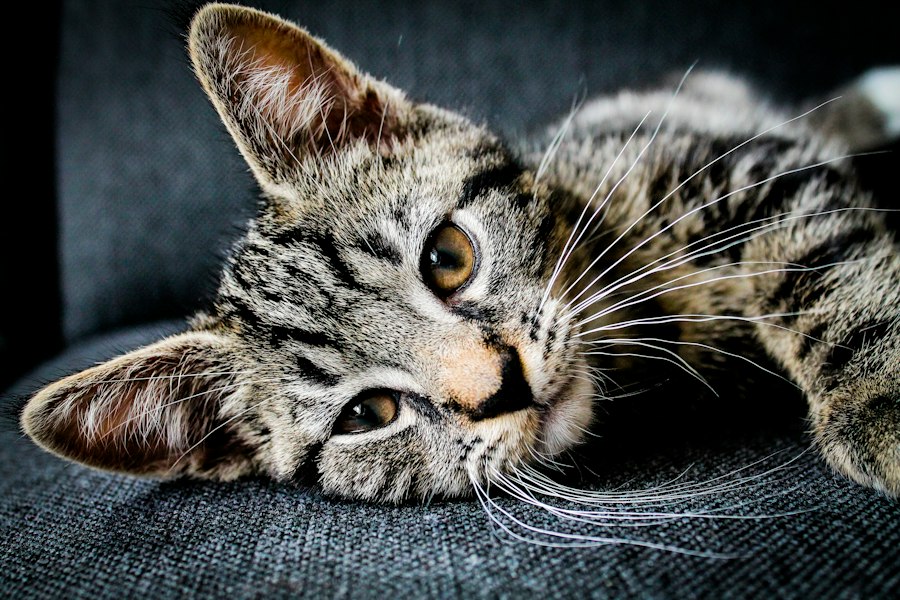
Proactive veterinary care and effective disease prevention strategies are cornerstones of extending a cat’s life expectancy. Regular check-ups, timely vaccinations, and prompt treatment of illnesses can identify potential health issues before they become severe, thereby improving prognosis and longevity.
Regular Veterinary Check-ups and Early Diagnosis
The adage “prevention is better than cure” is nowhere more applicable than in feline healthcare. Regular veterinary check-ups, typically recommended annually for adult cats and more frequently for kittens and seniors, serve as a critical tool for early disease detection. During these visits, a veterinarian will perform a thorough physical examination, assess the cat’s overall health, and discuss any concerns the owner may have.
These routine examinations allow veterinarians to identify subtle changes in a cat’s health that might otherwise go unnoticed by an owner. Palpating the abdomen can reveal enlarged organs or masses. Listening to the heart and lungs can detect murmurs or abnormal sounds indicative of cardiac or respiratory issues. Examining the eyes, ears, and mouth can reveal early signs of infections, dental disease, or other abnormalities.
Furthermore, these check-ups provide an opportunity for diagnostic testing. Blood work, urinalysis, and fecal examinations can screen for a range of diseases, including kidney disease, liver disease, diabetes, thyroid imbalances, and parasitic infections. Early diagnosis of these conditions is crucial, as many feline diseases are treatable, and prompt intervention can significantly slow their progression and improve the cat’s quality of life, ultimately contributing to a longer lifespan. For instance, detecting kidney disease in its early stages allows for dietary modifications and medications to slow its advancement. Similarly, early diagnosis of diabetes can prevent serious complications.
Vaccination Protocols and Parasite Control
Vaccinations are a cornerstone of preventative medicine for cats, protecting them from a range of potentially fatal infectious diseases. Core vaccines, such as those for rabies, feline viral rhinotracheitis, feline calicivirus, and feline panleukopenia, are essential for all cats, regardless of their lifestyle. Rabies is a zoonotic disease that is fatal to both cats and humans, making its prevention paramount. The other core diseases can cause severe illness and high mortality rates, particularly in unvaccinated kittens.
Non-core vaccines, such as those for feline leukemia virus (FeLV) and feline infectious peritonitis (FIP), may be recommended depending on a cat’s lifestyle and risk factors. For example, outdoor or indoor/outdoor cats are at a higher risk of contracting FeLV and should be vaccinated accordingly. Veterinarians will assess individual risk factors and recommend the most appropriate vaccination protocol for each cat.
Parasite control is equally vital for a cat’s health and longevity. Internal parasites, such as roundworms, hookworms, and tapeworms, can cause malnutrition, anemia, and gastrointestinal problems. External parasites, like fleas and ticks, can transmit diseases and cause severe skin irritation and allergic reactions. Regular deworming and the use of veterinary-approved flea and tick preventatives are essential. These products, administered regularly, protect cats from a host of parasitic infections that can weaken their immune system and lead to more serious health issues, thereby contributing to a longer and healthier life.
Spaying/Neutering and Its Health Benefits
Spaying (for females) and neutering (for males) are surgical procedures that have significant positive impacts on a cat’s health and can contribute to a longer lifespan. Beyond the widely recognized benefits of population control, these procedures offer substantial health advantages that reduce the risk of various diseases and behavioral issues.
For female cats, spaying removes the ovaries and uterus, eliminating the risk of ovarian and uterine cancers, which can be life-threatening. It also prevents pyometra, a potentially fatal uterine infection that can occur in unspayed females. Furthermore, spaying eliminates the hormonal cycles associated with heat, which can be stressful and lead to behavioral issues such as yowling and roaming in search of a mate. The absence of these cycles also reduces the risk of mammary tumors, which can be malignant.
For male cats, neutering removes the testicles, thereby eliminating the risk of testicular cancer. It also significantly reduces the likelihood of prostate cancer. Neutering greatly diminishes hormone-driven behaviors such as territorial marking with urine, aggression towards other males, and the urge to roam. Roaming exposes male cats to a multitude of dangers, including traffic accidents, fights with other animals, and exposure to infectious diseases like FIV and FeLV, all of which can drastically shorten their lives. By reducing these behaviors, neutering helps keep male cats safer and more likely to live longer.
In addition to disease prevention, spayed and neutered cats tend to be less stressed and more content, contributing to their overall well-being. This reduced stress can have positive downstream effects on their physical health.
Behavioral Factors and Their Influence on Lifespan
A cat’s behavior is not merely an expression of its personality; it can also be a significant indicator of its well-being and can directly or indirectly influence its lifespan. Addressing behavioral issues, ensuring mental stimulation, and understanding a cat’s social needs are crucial for promoting a long and healthy existence.
Stress and Anxiety’s Physiological Impact
Chronic stress and anxiety can have profound physiological effects on a cat, negatively impacting its immune system, digestive health, and overall well-being. A stressed cat is more susceptible to illness and may exhibit behaviors that put it at risk. Understanding the sources of stress and implementing strategies to mitigate them is therefore essential for longevity.
Common stressors for cats include changes in their environment (moving house, new furniture), the introduction of new pets or people, loud noises, disruptions to their routine, and even perceived threats from predators or other animals if they have outdoor access. Signs of stress and anxiety in cats can include hiding, excessive grooming (leading to bald patches), changes in appetite, vocalization, aggression, and inappropriate urination or defecation.
The physiological impact of chronic stress can manifest as a weakened immune system, making the cat more vulnerable to infections. It can also exacerbate existing health conditions or contribute to the development of new ones, such as gastrointestinal upset or urinary tract issues. By identifying and addressing the root causes of stress and providing a calm, predictable, and secure environment, owners can significantly improve their cat’s quality of life and contribute to its longevity. This might involve providing safe hiding places, using pheromone diffusers, establishing consistent routines, and ensuring the cat has adequate personal space.
Social Interaction and Enrichment
The degree and quality of social interaction and environmental enrichment a cat receives can profoundly influence its mental and physical health, and consequently, its lifespan. While cats are often perceived as independent creatures, they are social animals that thrive on positive interactions and stimulating environments.
For indoor cats, providing regular interactive play sessions with their owners is crucial. This not only provides physical exercise but also strengthens the bond between cat and owner and offers mental stimulation. Toys that mimic prey, such as feather wands or laser pointers (used with caution to avoid frustration), can satisfy a cat’s hunting instincts. Puzzle feeders that dispense treats or kibble can also provide mental engagement and slow down eating, preventing obesity.
Beyond play, simply providing opportunities for observation and exploration is important. Cat trees, window perches, and access to safe outdoor enclosures (catios) can offer stimulation and prevent boredom. Rotating toys and introducing new, interesting objects can keep a cat engaged.
The nature of social interaction with other animals is also a consideration. While some cats thrive in multi-cat households, others prefer to be the sole feline occupant. Understanding a cat’s individual temperament and social preferences is key. Introducing new pets gradually and ensuring each cat has its own resources (food bowls, litter boxes, resting places) can help prevent conflict and stress. A cat that is socially fulfilled and mentally stimulated is less likely to develop stress-related illnesses and is more prone to enjoying a longer, healthier life.
The Impact of Trauma and Abuse
Unfortunately, trauma and abuse can have devastating and long-lasting effects on a cat’s physical and psychological well-being, significantly impacting its life expectancy. Cats that have experienced physical abuse or severe neglect often suffer from physical injuries that may not be immediately apparent, as well as deep-seated psychological scars.
Physical trauma, such as being hit, kicked, or thrown, can result in internal injuries, broken bones, organ damage, and chronic pain. Even if these initial injuries are treated, the long-term effects can impact a cat’s mobility, organ function, and overall health, potentially leading to a shortened lifespan.
Psychological trauma can manifest as severe anxiety, fearfulness, aggression, or extreme timidity. These behavioral issues can make it difficult for a traumatized cat to adapt to new environments or form trusting relationships, even in a loving home. The constant state of fear and hypervigilance associated with trauma can also have detrimental effects on a cat’s immune system and overall health.
Rescuing and rehabilitating traumatized cats requires significant patience, expertise, and a deep understanding of feline behavior. Providing a safe, predictable, and nurturing environment, along with positive reinforcement and, in some cases, professional behavioral therapy, can help these cats to heal and learn to trust again. However, the damage inflicted by severe trauma can be profound, and while many abused cats go on to live fulfilling lives, their journey is often more challenging, and their potential lifespan may be impacted by the enduring effects of their past experiences.
Recent research into cat life expectancy has highlighted various factors that can influence how long our feline friends live, such as diet, genetics, and healthcare. A related article that delves deeper into these aspects can be found at Freaky Science, where experts discuss the impact of environmental conditions and lifestyle choices on the overall well-being of cats. Understanding these factors can help pet owners make informed decisions to enhance their cats’ longevity and quality of life.
Age-Related Changes and End-of-Life Care
| Factor | Description | Impact on Life Expectancy | Notes |
|---|---|---|---|
| Diet | Type and quality of food consumed | High-quality, balanced diets increase lifespan | Includes wet vs. dry food, nutrient balance |
| Indoor vs. Outdoor Living | Whether the cat lives primarily indoors or outdoors | Indoor cats generally live longer | Outdoor cats face more risks like accidents and disease |
| Spaying/Neutering | Whether the cat has been sterilized | Spayed/neutered cats tend to live longer | Reduces risk of certain cancers and infections |
| Genetics | Inherited traits and breed-specific factors | Some breeds have longer average lifespans | Genetic predisposition to diseases affects longevity |
| Healthcare | Access to veterinary care and vaccinations | Regular healthcare improves life expectancy | Includes preventive care and early disease detection |
| Weight and Obesity | Body condition and weight management | Obesity reduces lifespan and increases health risks | Maintaining healthy weight is crucial |
| Stress and Environment | Living conditions and stress levels | Low-stress environments promote longevity | Includes social interactions and enrichment |
| Activity Level | Physical exercise and play | Active cats tend to have better health and longer lives | Encourages healthy weight and mental stimulation |
As cats age, their bodies undergo natural changes that can affect their health and require adjustments in care. Understanding these age-related transformations and providing appropriate end-of-life care are crucial for ensuring a cat’s comfort and dignity in its twilight years.
Recognizing and Managing Geriatric Conditions
A cat is considered geriatric once it reaches approximately seven years of age, though its aging process is influenced by breed, genetics, and overall health. As cats age, they become more susceptible to a range of health conditions that can impact their quality of life and lifespan. Regular veterinary check-ups are even more critical for senior cats, as early detection and management of these age-related diseases are paramount.
Common geriatric conditions in cats include:
- Arthritis: Degenerative joint disease is prevalent in older cats, causing pain, stiffness, and reduced mobility. This can manifest as difficulty jumping, climbing stairs, or even grooming. Management often involves pain medication, joint supplements, and creating an environment that is easier for them to navigate (e.g., ramps, low-entry litter boxes).
- Kidney Disease (Chronic Renal Failure): This is one of the most common diseases in older cats. It leads to a progressive loss of kidney function, impacting waste elimination and fluid balance. Symptoms can include increased thirst and urination, weight loss, vomiting, and lethargy. Early diagnosis and supportive care, including specialized diets and medications, can help slow the progression of the disease.
- Hyperthyroidism: An overactive thyroid gland is common in senior cats, leading to an increased metabolism. Symptoms can include weight loss despite an increased appetite, hyperactivity, vomiting, and diarrhea. This condition is typically manageable with medication or radioactive iodine therapy.
- Diabetes Mellitus: Similar to humans, cats can develop diabetes, particularly if they are overweight. This occurs when the body doesn’t produce enough insulin or doesn’t use it effectively. Symptoms include increased thirst, frequent urination, and weight loss. Management involves insulin injections and dietary changes.
- Dental Disease: Periodontal disease is common in older cats and can lead to pain, tooth loss, and even systemic infections if left untreated. Regular dental check-ups and professional cleanings are important.
- Cognitive Dysfunction Syndrome (CDS): Similar to dementia in humans, CDS can affect older cats, leading to disorientation, changes in sleep-wake cycles, and house-soiling accidents. While there is no cure, management strategies can help alleviate symptoms.
Addressing these conditions proactively through veterinary care, dietary adjustments, and environmental modifications can significantly improve a senior cat’s comfort, well-being, and extend its life expectancy.
The Importance of Quality of Life Assessments
As a cat enters its senior years or faces a serious illness, assessing its quality of life becomes a crucial aspect of responsible pet ownership. This involves evaluating a range of factors to determine if the cat is experiencing more good days than bad, and if its needs are being met in a way that preserves its dignity and comfort.
Key aspects to consider when assessing quality of life include:
- Mobility and Comfort: Can the cat move around freely and comfortably? Is it experiencing pain that cannot be adequately managed? Are there assistive devices that could improve its comfort (e.g., ramps, supportive bedding)?
- Appetite and Hydration: Is the cat eating and drinking adequately? Is it maintaining a healthy weight, or is it experiencing significant weight loss?
- Hygiene: Can the cat groom itself effectively? Is it able to access and use the litter box without significant difficulty or accidents?
- Engagement and Interaction: Does the cat still show interest in its surroundings and in interacting with its loved ones? Does it seek out attention or companionship?
- Breathing: Is the cat breathing comfortably, or is it experiencing labored breathing or coughing?
- Overall Well-being: Does the cat seem content and peaceful, or does it appear distressed, anxious, or in constant discomfort?
Veterinarians can be invaluable partners in this assessment, providing objective guidance and medical insights. Open and honest communication with the veterinary team is essential for making informed decisions about a cat’s care, especially when considering palliative care or euthanasia. The goal is to prioritize the cat’s well-being and avoid prolonging suffering unnecessarily.
Palliative Care and End-of-Life Decisions
When a cat is nearing the end of its life, whether due to advanced age or an untreatable illness, palliative care and thoughtful end-of-life decisions become paramount. Palliative care focuses on managing pain, discomfort, and other symptoms to ensure the cat remains as comfortable and happy as possible for as long as possible.
This may involve a variety of interventions, including pain medications, appetite stimulants, anti-nausea medications, and dietary adjustments to support hydration and nutrition. Creating a calm and peaceful environment, free from stressors, is also a key component of palliative care. This might include providing extra bedding, ensuring easy access to food and water, and minimizing disturbances.
The decision regarding euthanasia is often the most difficult one for a pet owner. However, when a cat is experiencing intractable pain, significant decline in quality of life, or a terminal diagnosis with no hope of recovery, humane euthanasia performed by a veterinarian can be the kindest and most compassionate option. This allows the cat to pass peacefully, free from suffering.
Ultimately, the goal of end-of-life care is to ensure that a cat’s final days or weeks are as comfortable and dignified as possible, reflecting the love and companionship it has provided throughout its life. This often involves a deep understanding of the cat’s individual needs, open communication with veterinary professionals, and the courage to make difficult choices for the sake of the animal’s well-being.

Which Cat Color Lives Longest? The Research Has a Twist
FAQs
What factors are studied in cat life expectancy research?
Factors studied in cat life expectancy research include genetics, diet, environment, veterinary care, and lifestyle habits.
How does genetics impact a cat’s life expectancy?
Genetics play a significant role in determining a cat’s life expectancy, as certain breeds may be predisposed to specific health conditions that can affect longevity.
What role does diet play in a cat’s life expectancy?
A balanced and nutritious diet is essential for a cat’s overall health and can contribute to a longer life expectancy. Proper nutrition can help prevent obesity and various health issues.
How does the environment affect a cat’s life expectancy?
The environment in which a cat lives can impact its life expectancy, with factors such as exposure to toxins, outdoor hazards, and stress levels playing a role in overall health and longevity.
Why is veterinary care important for a cat’s life expectancy?
Regular veterinary check-ups, vaccinations, and prompt treatment of any health issues are crucial for maintaining a cat’s health and potentially extending its life expectancy.