
You’ve likely noticed the striking diversity in human eye colors. From piercing blues and vibrant greens to rich browns and exotic hazels, your eyes are a remarkable canvas. But have you ever wondered about the intricate genetic mechanisms behind this variation, and what that story might tell us about your own evolutionary journey? This exploration delves into the fascinating link between eye color genetics and human evolution, unraveling the science and the sagas etched within your genes.
Your eye color is fundamentally determined by the amount and type of melanin pigment present in the iris. Melanin is a complex polymer that also gives color to your skin and hair. Understanding its production and distribution is the first crucial step in grasping the genetics of eye color.
Melanin Synthesis: The Tyrosinase Enzyme Pathway
The production of melanin, a process called melanogenesis, is a complex biochemical pathway. At its core is the enzyme tyrosinase, which initiates the conversion of the amino acid tyrosine into melanin. Variations in the genes that code for tyrosinase and other enzymes in this pathway can influence the quantity of melanin produced.
Types of Melanin: Eumelanin and Pheomelanin
There are two primary types of melanin: eumelanin and pheomelanin. Eumelanin is responsible for darker shades, ranging from brown to black. Pheomelanin, on the other hand, produces red and yellow hues. The relative proportions of these two pigments, along with their granular distribution within the iris’s stromal cells, contribute to the spectrum of eye colors you see.
The Iris: A Multi-Layered Structure of Pigment
The iris itself is composed of several layers, but it’s primarily the stroma, the outermost layer containing pigment cells called melanocytes, that dictates the apparent color of your eyes. The density and distribution of melanin within these stromal cells are paramount.
Anterior vs. Posterior Pigmentation
The posterior epithelium of the iris is always heavily pigmented with melanin (a dark brown, almost black substance) regardless of the individual’s eye color. This posterior layer acts as a light barrier to prevent light from scattering within the eye. The visible color of your iris is therefore primarily determined by the melanin in the anterior stroma.
Stroma and Light Scattering
In the absence of significant melanin in the anterior stroma, as in blue eyes, the iris appears blue due to a phenomenon called Rayleigh scattering. This is the same physical principle that makes the sky appear blue. Shorter wavelengths of light (blue) are scattered more effectively by the collagen fibers in the iris stroma than longer wavelengths (red).
Recent studies in eye color genetics have shed light on the evolutionary pathways of human populations, revealing how variations in pigmentation are linked to adaptation to different environments. For a deeper understanding of this fascinating topic, you can explore the article on eye color and its implications for human evolution at Freaky Science. This resource provides insights into how genetic traits, such as eye color, have evolved in response to factors like sunlight exposure and geographical distribution.
The Genetic Blueprint: Key Genes and Their Influences
While melanin is the pigment, the genes controlling its production and deposition are the true architects of your eye color. For a long time, scientists believed eye color was a simple Mendelian trait, inherited as a single dominant or recessive gene. However, research in recent decades has revealed a more nuanced picture involving multiple genes.
The OCA2 Gene: The Major Player
The most significant gene influencing eye color is the gene located on chromosome 15, known as OCA2. This gene provides instructions for making a protein called the pink-eyed dilution protein, which is involved in the maturation of melanosomes, the cellular structures where melanin is produced and stored.
OCA2’s Role in Melanin Production
Variations within the OCA2 gene can lead to different levels of melanin production. A common variant is associated with lower melanin production in the iris, leading to lighter eye colors like blue or green. Individuals with darker eye colors typically possess variants that promote higher melanin synthesis.
The HERC2 Gene: Regulating OCA2
Another critical gene, HERC2, located near OCA2 on chromosome 15, plays a crucial role in regulating the expression of the OCA2 gene. A specific region within HERC2 acts as a switch, controlling how much OCA2 protein is produced.
The HERC2 “Switch” for Blue Eyes
A particular single nucleotide polymorphism (SNP) within HERC2 acts as a genetic switch. When this specific variant is present, it significantly reduces the activity of the OCA2 gene in the iris, leading to markedly reduced melanin production and thus blue eyes. This is why, even though OCA2 is the pigment-producing gene, the variation in HERC2 is often considered the primary determinant for blue eyes.
Other Contributing Genes: Adding Nuance to the Spectrum
While OCA2 and HERC2 are the most influential genes, several other genes have been identified that contribute to the subtle variations in eye color, particularly in shades of green, hazel, and variations within brown. These genes can influence melanin production, distribution, or other aspects of iris pigmentation.
TYR, TYRP1, and SLC24A4
Genes like TYR (tyrosinase), TYRP1 (tyrosinase-related protein 1), and SLC24A4 have also been implicated in eye color. These genes can influence the efficiency of melanin synthesis or the structure of melanosomes, adding further complexity to the genetic mosaic of eye color.
Inheritance Patterns: More Than Simple Dominance
The inheritance patterns of eye color are not as straightforward as a simple dominant-recessive model. Because multiple genes are involved, a child can inherit genes for lighter eyes from parents with darker eyes, and vice-versa. This polygenic inheritance explains why predicting a child’s exact eye color can be challenging, even with knowledge of the parents’ genes.
The Evolutionary Tale: Tracing Your Ancestry Through Eye Color

The distribution of eye color across human populations tells a compelling story of migration, adaptation, and evolution. The prevalence of specific eye colors in different geographical regions offers clues about the ancestral origins of Homo sapiens and their subsequent dispersal across the globe.
The Origin of Blue Eyes: A Recent Mutation
The most striking evolutionary story related to eye color is the emergence of blue eyes. Unlike the ancient origins of brown eyes, genetic studies suggest that the mutation leading to blue eyes is relatively recent, likely originating in a single individual in Eastern Europe about 6,000 to 10,000 years ago.
The HERC2 Mutation and Population Bottleneck
This mutation occurred in the HERC2 gene, significantly reducing OCA2 expression. As this individual reproduced, the gene variant spread through the population. The relative uniformity of blue eyes across disparate populations of European descent suggests that this mutation likely occurred during a period of significant population bottleneck and subsequent rapid expansion.
Brown Eyes: The Ancestral Norm
Brown eyes are by far the most common eye color globally, reflecting the ancestral state of humanity. Because eumelanin is the predominant pigment produced by early humans, brown eyes represent the default or ancestral phenotype.
Allelic Variation Within Brown Eyes
While brown eyes are considered ancestral, there is significant allelic variation within the genes responsible for brown eye color. This variation leads to the vast spectrum of brown shades, from deep ebony to lighter caramels, reflecting the long history of human existence and diversification.
Green and Hazel Eyes: Intermediate Shades
Green and hazel eyes represent intermediate phenotypes, arising from a combination of genetic factors that result in moderate melanin levels in the iris. These colors are more prevalent in populations with significant historical admixture between those with darker and lighter ancestral pigmentation.
The Interplay of Multiple Genes
The development of green and hazel eyes is a testament to the polygenic nature of eye color. They arise from specific combinations of alleles at the OCA2, HERC2, and other contributing genes, leading to a balance of melanin production and distribution that creates these unique hues.
Adaptation and Advantage: The Selective Pressures on Eye Color
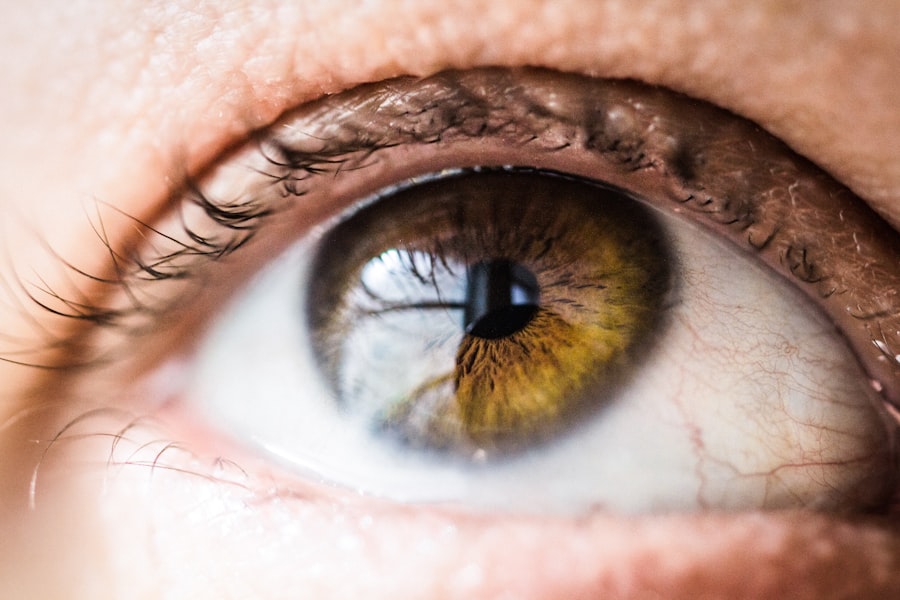
While eye color is often seen as a matter of aesthetics, it may have played a role in human adaptation to different environments, particularly concerning sunlight exposure.
Sunlight and UV Radiation Hypothesis
One prominent hypothesis suggests that lighter eye colors, particularly blue eyes, may have provided an advantage in environments with lower levels of ultraviolet (UV) radiation, such as those found at higher latitudes in Europe.
Reduced Pigmentation and Vitamin D Synthesis
Lower melanin levels in the iris and skin might have facilitated increased penetration of UV radiation, potentially aiding in Vitamin D synthesis in regions with limited sunlight. This would have been a significant advantage for survival and reproduction.
The Trade-offs of Pigmentation
Conversely, in regions with high UV radiation, such as near the equator, darker skin and eye pigmentation would have been strongly selected for. High melanin levels act as a natural sunscreen, protecting against the damaging effects of UV radiation on skin and eyes, preventing conditions like skin cancer and cataracts.
No Universally Optimal Eye Color
It’s crucial to understand that there isn’t a universally “better” eye color from an evolutionary standpoint. Each phenotype likely conferred an advantage in specific environmental contexts, showcasing the power of natural selection in shaping human diversity.
Recent studies in eye color genetics have shed light on the fascinating relationship between human evolution and our physical traits. For those interested in exploring this topic further, an insightful article can be found at Freaky Science, which discusses how variations in eye color may have been influenced by environmental factors and adaptation over time. This connection between genetics and evolution not only enhances our understanding of human diversity but also highlights the intricate ways in which our species has evolved in response to different habitats.
Population Genetics and Migration Patterns: Mapping Your Ancestry
| Eye Color | Genetic Component | Evolutionary Significance |
|---|---|---|
| Brown | High levels of melanin | Common in populations with high sun exposure |
| Blue | Low levels of melanin | Believed to have originated from a single common ancestor |
| Green | Combination of low melanin and yellow pigment | Less common and often associated with Celtic and Germanic populations |
The geographical distribution of eye color allows geneticists to map historical human migration patterns and understand population genetics. The prevalence of certain eye colors in specific regions often correlates with the ancestry of those populations.
European Distribution: A Mosaic of Shades
Europe exhibits the widest range of eye colors, with a high prevalence of blue and green eyes in Northern Europe, while Southern Europe shows a greater proportion of brown eyes. This reflects the complex genetic history of the continent, including migrations and admixture.
Founder Effects and Genetic Drift
The spread of specific alleles, like those responsible for blue eyes, can be explained by founder effects (when a new population is established by a small number of individuals) and genetic drift (random fluctuations in allele frequencies).
Other Global Distributions: A Global Perspective
While the most striking variations are seen in Europe, eye color diversity exists across all continents. Brown eyes are dominant in Asia, Africa, and the Americas, reflecting the ancestral phenotype originating in Africa and spreading with human migration.
The Continued Flow of Genes
In today’s interconnected world, gene flow through migration and intermarriage is continuously altering the distribution of eye color genes. This ongoing genetic exchange contributes to the rich tapestry of human diversity you observe today.
The genetic journey of your eye color is a microcosm of human evolution. From the fundamental role of melanin to the precise genetic instructions that dictate its presence, your eyes carry a narrative of adaptation, migration, and the remarkable resilience of our species. As you look at your own reflection, remember that the color of your irises is not just a trait; it’s a testament to the eons of evolutionary history that sculpted humanity into the diverse and fascinating species you are today.
FAQs
What determines eye color in humans?
Eye color in humans is determined by the amount and distribution of melanin in the iris of the eye. The more melanin present, the darker the eye color.
How is eye color inherited?
Eye color is a polygenic trait, meaning it is influenced by multiple genes. The inheritance of eye color is complex and can be influenced by the genetic makeup of both parents.
Can eye color be used to trace human evolution?
Eye color can provide some insights into human evolution as it is believed that lighter eye colors, such as blue and green, may have originated as a genetic mutation in populations with lighter skin in northern regions.
Are certain eye colors more common in specific populations?
Yes, certain eye colors are more common in specific populations. For example, brown eyes are more common in people of African, Asian, and Native American descent, while blue and green eyes are more common in people of European descent.
Can eye color change over time?
In some cases, eye color can change over time, particularly in infants and young children. This is due to the gradual accumulation of melanin in the iris as the eyes develop. However, once eye color is established in adulthood, it typically remains the same.