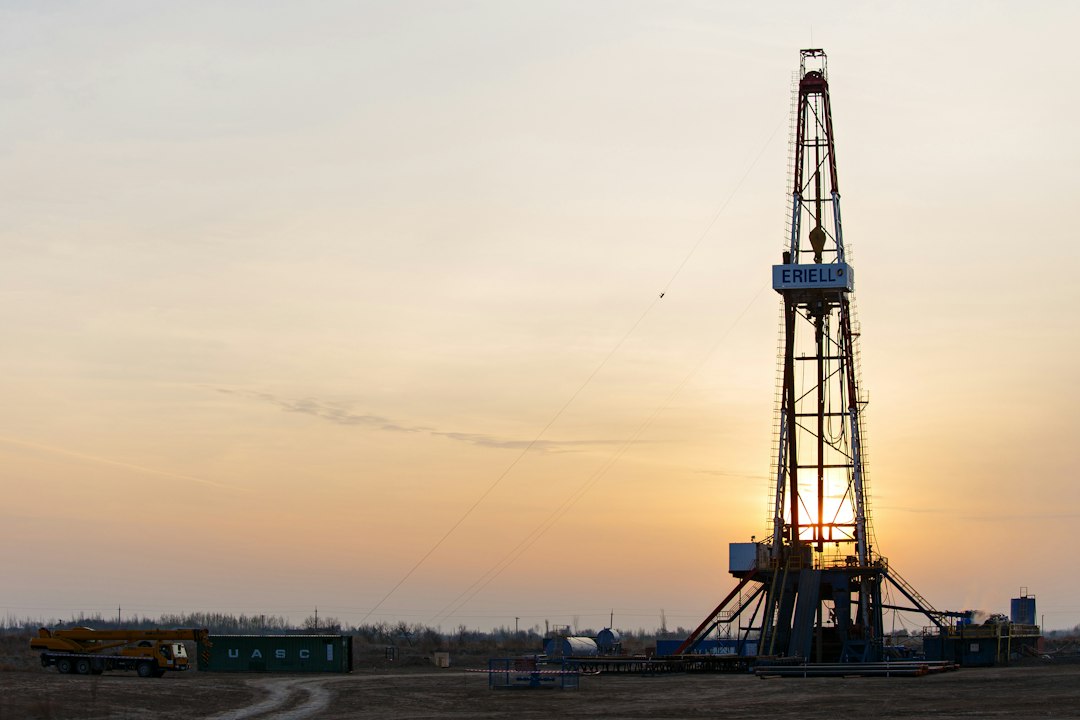
The earth’s crust holds secrets, vast reservoirs of energy, and geological wonders that beckon exploration. Yet, the deeper one probes, the more hostile the environment becomes. Temperatures soar, pressures mount, and the very materials of exploration are pushed to their limits. In this unforgiving realm, extreme heat deep drilling equipment emerges as a critical enabler, a testament to human ingenuity in conquering the planet’s deepest, hottest frontiers. These specialized tools and systems are not merely extensions of conventional drilling technology; they are meticulously engineered marvels designed to withstand and operate under conditions that would render standard equipment obsolete. From geothermal energy extraction to exploring the Earth’s mantle, the quest for knowledge and resources pushes the boundaries of what is technologically feasible, and it is in this crucible of extreme heat that deep drilling equipment proves its indispensable value.
The subterranean world presents a formidable adversary for any mechanical endeavor, and the primary antagonist in deep drilling is unequivocally heat. As the drill bit descends, so too does the ambient temperature, accelerating rapidly with depth. This is not a gentle warming; it is an inferno, a gradual but relentless rise that poses a multi-faceted threat to equipment, personnel, and the very integrity of the drilling operation.
Geothermal Gradients: Nature’s Escalating Oven
The rate at which temperature increases with depth is known as the geothermal gradient. While this gradient varies geographically, it is a fundamental principle that dictates the thermal challenge. In some regions, such as volcanic areas or near hydrothermal vents, this gradient can be exceptionally steep, meaning that for every kilometer descended, temperatures can rise by tens or even hundreds of degrees Celsius. This rapid escalation quickly surpasses the operational limits of standard drilling fluids, lubricants, and the structural integrity of materials commonly used in shallower operations. The heat doesn’t just affect the immediate vicinity of the drill bit; it propagates through the drill string, the casing, and the surrounding rock, creating a pervasive thermal stress.
Material Science Under Duress: The Limits of Conventional Alloys
Conventional steel alloys, the workhorses of surface-level engineering, falter significantly under extreme heat. Elevated temperatures lead to a reduction in tensile strength, making the materials more susceptible to deformation and failure. Furthermore, prolonged exposure to high temperatures can induce creep, a phenomenon where materials slowly deform under constant stress, even below their yield strength. This is particularly critical for the drill string, which is under immense tensile and torsional loads. Beyond structural degradation, heat also impacts the functional properties of various components. Seals can degrade, lubricants can break down and lose their viscosity, and electronics, if present, can experience catastrophic failures due to overheating. The selection and development of specialized alloys and composite materials are paramount to overcome these limitations.
The Fluid Dynamics of Fire: Drilling Fluids in Extremis
Drilling fluids, also known as muds, are essential for lubricating the drill bit, flushing cuttings to the surface, and maintaining hydrostatic pressure to prevent blowouts. However, the extreme temperatures encountered in deep drilling pose significant challenges to the viscosity, thermal stability, and chemical properties of these fluids. Standard water-based or oil-based muds can degrade, lose their lubricating capabilities, and even become hazardous under intense heat. The high temperatures can also cause the drilling fluid to flash or vaporize, leading to erratic downhole pressures and potential loss of wellbore stability. Developing specialized high-temperature drilling fluids that can maintain their rheological properties and chemical inertness is a complex but vital aspect of deep drilling operations.
Pressure Cooker Scenarios: The Combined Assault of Heat and Pressure
It is crucial to recognize that extreme heat rarely exists in isolation. Deep within the Earth, high temperatures are invariably accompanied by immense pressures. These pressures, generated by the weight of the overlying rock and any trapped fluids, can be hundreds or even thousands of atmospheres. The combined assault of heat and pressure creates a truly hostile environment. Materials must not only withstand the thermal degradation but also the crushing forces. The integrity of casing, drill pipes, and downhole tools is constantly tested by this synergistic threat. Understanding and modeling these combined effects is essential for designing equipment that can survive and perform reliably.
Deep drilling equipment is essential for exploring geothermal energy sources, particularly in regions with extreme heat conditions. An insightful article that delves into the advancements in this field can be found at Freaky Science. This resource discusses the innovative technologies and materials being developed to withstand high temperatures and pressures, ensuring the efficiency and safety of deep drilling operations.
Engineering for the Inferno: Innovations in Downhole Equipment
The challenge of extreme heat necessitates a radical departure from conventional drilling equipment design. Engineers have responded with a suite of innovations focused on material science, thermal management, and robust mechanical engineering to ensure that drilling can proceed safely and effectively even in the most scorching environments.
Advanced Material Selection: The Foundation of Resilience
The choice of materials is the bedrock upon which all extreme heat deep drilling equipment is built. Traditional steels are often replaced or supplemented with advanced alloys designed to retain their strength and integrity at elevated temperatures.
Nickel-Based Superalloys: The High-Temperature Champions
Nickel-based superalloys, such as Inconel and Hastelloy, are frequently employed in critical components. These alloys possess excellent high-temperature strength, oxidation resistance, and creep resistance. They are crucial for drill bits, drill collars, and certain sections of the drill string where temperatures are most intense. Their ability to withstand corrosive environments, often present in deep geological formations, further enhances their value.
Ceramic and Composite Innovations: Pushing the Envelope
Beyond metallic alloys, researchers are exploring and utilizing advanced ceramics and composite materials. These materials can offer superior thermal resistance, lower thermal expansion, and higher strength-to-weight ratios. For instance, certain ceramic coatings can protect metal components from extreme heat and wear, while composite materials, when properly engineered, can provide a lighter yet incredibly strong alternative for specific applications within the drill string. The development of specialized drilling tools that incorporate these materials is a continuous area of research and development.
Thermal Management Systems: Dissipating the Heat
While robust materials are essential, actively managing the heat is equally important. This involves strategies to prevent heat from reaching sensitive components and to dissipate it effectively.
Heat Shields and Insulation: Creating a Barrier
Strategically placed heat shields and advanced insulation materials act as crucial barriers, preventing the extreme downhole temperatures from reaching delicate equipment like mud motors, measurement-while-drilling (MWD) tools, and electrical components. These shields are often made from layered materials with high thermal resistance, designed to reflect or absorb heat before it can transfer to critical systems.
Active Cooling Technologies: A Proactive Approach
In some high-demand applications, active cooling systems might be integrated. This could involve circulating drilling fluid through specialized cooling jackets around sensitive components, or even employing more complex thermoelectric cooling devices where feasible. The goal is to maintain the operating temperature of key systems within their specified limits, ensuring their longevity and accuracy.
Robust Mechanical Design: Withstanding the Pressure and Stress
The mechanical design of deep drilling equipment is a critical consideration, especially under the combined onslaught of heat and pressure. Components must be engineered to withstand immense forces without failing.
High-Strength Tubulars: The Backbone of the Drill String
The drill string, the conduit that transmits rotational power and weight to the drill bit, requires exceptionally strong and resilient tubulars. These often feature thicker walls, specialized threading designs to prevent galling under heat and pressure, and materials capable of resisting both tensile and compressive stresses. The drill collars, located just above the drill bit, bear the heaviest loads and are particularly critical in their design and material selection.
Advanced Bit Technology: Cutting Through the Inferno
The drill bit is the frontline of deep drilling. Bits designed for extreme heat often incorporate advanced cutting structures made from polycrystalline diamond compacts (PDCs) or specialized thermally stable materials. The bit body itself is engineered to withstand high temperatures and immense forces, with cooling channels and specialized lubricants to maintain performance. The design must also account for the abrasive nature of the rock at these depths.
The Invisible Helpers: Specialized Downhole Tools and Systems

Beyond the primary drilling components, a sophisticated array of specialized tools and systems operate in the extreme heat environment, providing crucial data, control, and operational capabilities. Their survival and functionality are as vital as the drill bit itself.
Measurement-While-Drilling (MWD) and Logging-While-Drilling (LWD) Systems: The Eyes and Ears in the Heat
These advanced sensor suites are essential for real-time data acquisition. MWD systems provide information on drilling parameters like weight on bit, torque, and rotation speed, while LWD systems offer more detailed geological and formation data. The challenge in extreme heat is that the sensitive electronics and sensors within these tools must be protected.
Thermally Shielded Housings: The Protective Shell
MWD/LWD tools are encased in robust, thermally shielded housings made from high-strength alloys. These housings are designed to isolate the internal electronics from the extreme ambient temperatures. The effectiveness of the thermal shielding is paramount to prevent data loss or equipment failure.
Advanced Sensor Technology: Heat-Resistant Instrumentation
The sensors themselves are often specifically designed or adapted to operate at high temperatures. This might involve using materials with higher Curie points for magnetic sensors or employing specialized thermocouples and thermistors for accurate temperature readings. The development of miniaturized, heat-resistant electronic components is an ongoing area of innovation.
Downhole Motors and Turbines: Powering Through the Depths
In certain drilling applications, downhole motors or turbines are used to power the drill bit rotation, especially in directional drilling. These devices are susceptible to thermal degradation and lubrication issues.
High-Temperature Lubrication Systems: Keeping it Moving
Specialized synthetic lubricants with exceptionally high thermal stability are crucial for downhole motors and turbines operating in extreme heat. These lubricants must maintain their viscosity and lubricating properties over a wide temperature range and under high pressure.
Robust Sealing Technologies: Preventing Fluid Ingress
The seals within these rotating components are under immense stress from both pressure and heat. Advanced sealing materials and designs are necessary to prevent the ingress of abrasive drilling fluids and cuttings, which can lead to premature wear and failure.
Completion Tools: Preparing for Resource Extraction
Once a well is drilled, completion tools are deployed to prepare it for production. These tools, including packers, safety valves, and sand screens, must also withstand the extreme downhole conditions.
Heat-Resistant Sealing Elements: Ensuring Isolation
Packers, for example, are critical for isolating different zones within the wellbore. Their sealing elements must be made from materials that can withstand high temperatures and pressures without deforming or degrading, ensuring effective zonal isolation.
Corrosion-Resistant Alloys: Long-Term Integrity
In addition to heat, deep formations can often contain corrosive elements like hydrogen sulfide or high salinity. Completion tools are frequently constructed from corrosion-resistant alloys to ensure their long-term integrity and functionality in these aggressive environments.
Operational Strategies and Safety: Navigating the Fiery Depths

The successful operation of extreme heat deep drilling equipment hinges not only on the technology itself but also on meticulous planning, rigorous protocols, and an unwavering commitment to safety. The inherent risks associated with operating in such challenging conditions demand a heightened level of vigilance and specialized training.
Rigorous Planning and Well Design: Proactive Risk Mitigation
Before any drilling commences, extensive planning and detailed well design are undertaken. This includes thorough geological surveys to understand the expected temperature and pressure profiles, as well as detailed engineering analyses of the proposed equipment and operational parameters.
Thermal Modeling and Simulation: Predicting the Environment
Advanced thermal modeling and simulation software are used to predict the temperature distribution downhole throughout the drilling process. This helps in identifying potential hot spots and designing appropriate thermal management strategies. Such models are crucial for anticipating the thermal stress on various components.
Casing and Cementing Strategies: Ensuring Wellbore Stability
The integrity of the wellbore is paramount. Careful consideration is given to the type and grade of casing used, as well as the cementing process. High-temperature cements are often employed to ensure that the casing is effectively bonded to the formation and can withstand the thermal cycling experienced during drilling and production.
Specialized Training and Personnel: The Human Element
Operating in extreme heat environments requires highly trained and specialized personnel. Drillers, engineers, and rig crews must undergo specific training to understand the unique challenges and protocols associated with high-temperature operations.
High-Temperature Operations Training: Building Expertise
Training programs focus on the specific characteristics of extreme heat drilling, including the behavior of materials, the operation of specialized equipment, and emergency procedures. This ensures that personnel are well-equipped to handle unexpected situations.
Safety Protocols and Emergency Preparedness: Minimizing Risk
Strict safety protocols are implemented at every stage of the operation. This includes detailed procedures for handling high-pressure and high-temperature fluids, emergency shutdown procedures, and comprehensive risk assessments. Regular safety drills and reviews are conducted to reinforce these protocols.
Real-time Monitoring and Adaptive Drilling: Responding to Change
The dynamic nature of the downhole environment necessitates continuous monitoring and the ability to adapt drilling parameters in real-time.
Continuous Data Analysis: The Key to Control
Data from MWD/LWD systems and surface sensors are continuously analyzed. Deviations from expected parameters can indicate potential issues, allowing for immediate corrective action. This real-time feedback loop is critical for maintaining control.
Adaptive Drilling Techniques: Flexibility in Execution
As conditions change, drilling parameters such as rate of penetration, weight on bit, and mud flow can be adjusted adaptively. This flexibility ensures that the drilling process remains as efficient and safe as possible, even in the face of unforeseen challenges.
Deep drilling equipment is essential for exploring geothermal energy sources, especially in regions where extreme heat poses significant challenges. A recent article discusses innovative technologies designed to withstand high temperatures and pressures, enhancing the efficiency and safety of deep drilling operations. For more insights on this topic, you can read the full article on advanced drilling techniques at Freaky Science. These advancements not only improve our understanding of geothermal systems but also pave the way for sustainable energy solutions.
The Future of Deep Drilling: Pushing Beyond Current Frontiers
| Parameter | Value | Unit | Notes |
|---|---|---|---|
| Maximum Operating Temperature | 350 | °C | Typical upper limit for drill bit materials |
| Drill Bit Material | Polycrystalline Diamond Compact (PDC) | – | High heat resistance and durability |
| Drill String Length | 10,000 | m | Depth capability for deep drilling |
| Torque Capacity | 50,000 | Nm | Resistance to twisting forces under heat stress |
| Cooling System Type | Circulating Mud | – | Maintains temperature and removes cuttings |
| Pressure Resistance | 150 | MPa | Withstands high downhole pressures |
| Weight on Bit (WOB) | 30,000 | kg | Optimal force for penetration under extreme heat |
| Drilling Speed | 15 | m/hr | Rate of penetration in high-temperature formations |
The relentless pursuit of energy and scientific understanding means that the boundaries of deep drilling are constantly being pushed. Extreme heat deep drilling equipment is at the forefront of this evolution, with ongoing research and development focused on even more challenging environments.
Deeper Penetration and Higher Temperatures: The Next Horizon
The ultimate goal for many is to reach even greater depths, potentially exploring the Earth’s upper mantle, where temperatures and pressures are significantly higher. This will require entirely new generations of materials and equipment.
Next-Generation Materials: Unlocking New Possibilities
Research into novel materials, including advanced metamaterials, self-healing composites, and materials with extreme thermal stability, is crucial for enabling deeper and hotter drilling. The focus is on materials that can maintain their structural integrity and functional properties under conditions far beyond current capabilities.
Advanced Robotics and Automation: Minimizing Human Exposure
As depths increase and temperatures become even more extreme, the role of robotics and advanced automation will become increasingly important. Remotely operated vehicles and automated drilling systems can perform tasks in environments too hazardous for human intervention, enhancing safety and efficiency.
Enhanced Geothermal Systems (EGS) and Beyond: Harnessing Earth’s Power
The development of enhanced geothermal systems (EGS) is a prime example of how extreme heat deep drilling technology is unlocking new energy potential. EGS aims to extract heat from hot, dry rock formations by creating artificial reservoirs.
Fracturing and Stimulation Techniques: Accessing Heat
Advanced drilling and fracturing techniques are required to create these reservoirs. The equipment must be capable of operating under extreme conditions to fracture the rock and allow for the circulation of a working fluid to capture heat.
Novel Energy Extraction Technologies: Maximizing Efficiency
Beyond conventional geothermal systems, researchers are exploring even more innovative ways to harness the Earth’s internal heat, which will invariably rely on advancements in extreme heat deep drilling technology. This includes concepts for direct heat utilization and advanced power generation cycles.
Scientific Exploration and Resource Discovery: Unveiling Earth’s Secrets
Extreme heat deep drilling is not solely about energy. It is also a crucial tool for scientific exploration, allowing geologists and geophysicists to study the Earth’s deep structure, understand plate tectonics, and discover unique mineral and fluid resources.
Deep Scientific Boreholes: Window into the Earth
The construction of deep scientific boreholes provides invaluable data for understanding the Earth’s composition, history, and processes. These projects often push the limits of current drilling technology in terms of depth and temperature.
Subsurface Resource Assessment: Finding What Lies Beneath
As conventional surface resources become scarcer, the ability to explore and extract resources from deeper, hotter formations becomes increasingly important. This could include novel mineral deposits or unconventional hydrocarbon reservoirs.
In conclusion, extreme heat deep drilling equipment represents a pinnacle of engineering achievement. It is a field where innovation is driven by necessity, where the hostile conditions of the Earth’s interior demand solutions that are both robust and sophisticated. As humanity continues to explore the planet’s hidden depths for energy, resources, and knowledge, the ongoing evolution of this specialized equipment will remain central to conquering the seemingly unconquerable, unlocking the secrets and harnessing the power held within our planet’s fiery core.
We Drilled 12 KM Into Earth—Then the Rock Started Bending
FAQs
What is deep drilling equipment?
Deep drilling equipment refers to specialized machinery and tools used for drilling deep into the earth’s surface to extract resources such as oil, gas, or minerals.
How does extreme heat affect deep drilling equipment?
Extreme heat can cause various challenges for deep drilling equipment, including overheating of machinery components, degradation of lubricants and seals, and potential damage to electronic systems.
What measures are taken to protect deep drilling equipment from extreme heat?
To protect deep drilling equipment from extreme heat, various measures are taken, such as using heat-resistant materials, implementing cooling systems, monitoring temperature levels, and conducting regular maintenance checks.
What are some examples of deep drilling equipment used under extreme heat conditions?
Examples of deep drilling equipment used under extreme heat conditions include high-temperature drilling motors, specialized drill bits with heat-resistant coatings, and heat shields to protect sensitive components.
Why is it important to have reliable deep drilling equipment in extreme heat environments?
Having reliable deep drilling equipment in extreme heat environments is crucial to ensure the safety of workers, maintain operational efficiency, and maximize the productivity of drilling operations in challenging conditions.