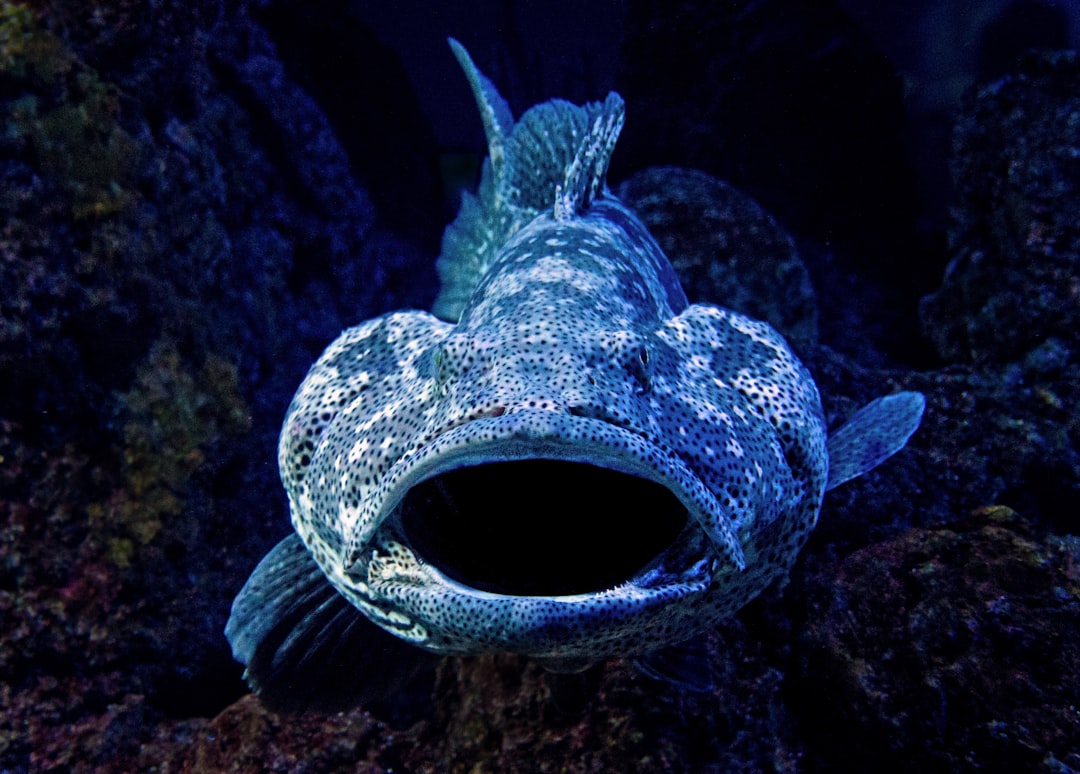
The sun, a benevolent celestial body that fuels life on the surface, is a distant memory in the abyss. Here, in the deepest trenches of the ocean, an alien world unfolds, a realm of crushing pressure, perpetual darkness, and frigid temperatures. Yet, life, in its most ingenious and tenacious forms, not only persists but thrives. These creatures, the inhabitants of the extreme deep sea, are testament to the extraordinary power of adaptation, showcasing a breathtaking array of evolutionary solutions to survive in one of Earth’s most challenging environments.
The sheer weight of the water column above the abyss is almost unfathomable. At depths exceeding 1,000 meters, the pressure can be hundreds, even thousands, of times greater than at sea level. Imagine the equivalent of stacking dozens of jumbo jets on top of a single human; this is the environment these organisms call home. Their survival hinges on a delicate balance of physiological and structural modifications that prevent them from being flattened into oblivion.
Cellular Fortitude: Maintaining Integrity Under Pressure
The fundamental building blocks of life, cells, are particularly vulnerable to high pressure. Water molecules are squeezed, and the delicate membranes and proteins that make up cellular structures can be deformed or even disrupted. Deep-sea creatures have evolved remarkable strategies to counter this.
Piezolytes: Molecular Shields
A key adaptation involves the production of specialized molecules known as piezolytes. These are small, organic compounds that accumulate within cells, counteracting the disorganizing effects of pressure. Trimethylamine N-oxide (TMAO) is a prominent example. It acts like a molecular shield, stabilizing proteins and membranes, preventing them from unfolding and losing their function. The concentration of TMAO increases with depth, demonstrating a direct correlation between pressure and cellular resilience. Other piezolytes, such as glycine betaine and sarcosine, also play crucial roles in maintaining cellular homeostasis.
Fluid Membranes: Flexibility in the Face of Squeeze
The lipid bilayers that form cell membranes are also susceptible to pressure-induced changes. In shallow-water organisms, increased pressure can rigidify these membranes, hindering essential processes like nutrient transport and signal transduction. Deep-sea organisms, however, often possess membranes with a higher proportion of unsaturated fatty acids. These “kinked” fatty acid tails create more space between lipid molecules, making the membrane more fluid and resistant to compression. This fluidity ensures that vital cellular functions can continue unimpeded, even under extreme hydrostatic pressure.
Skeletal Ingenuity: Structure Without Rigidity
For organisms with skeletal structures, the challenge is to maintain structural integrity without being overly rigid, which could lead to fracturing under pressure. Many deep-sea fish, for instance, have reduced or absent swim bladders, the gas-filled organs used by shallow-water fish for buoyancy. Gas is highly compressible, making swim bladders a liability in the abyss. Instead, these fish often rely on their gelatinous bodies and fatty tissues for buoyancy.
Cartilaginous Frameworks: Flexible Support
Some deep-sea cartilaginous fishes, like certain species of chimaeras, have skeletons composed primarily of cartilage rather than bone. Cartilage is a flexible, resilient tissue that can withstand significant deformation without breaking. This allows them to navigate the high-pressure environment without the risk of bone fracture.
Gelatinous Bodies: Buoyancy and Protection
The characteristic gelatinous appearance of many deep-sea invertebrates, such as jellyfish and comb jellies, is another brilliant adaptation. Their bodies are largely composed of water, making them neutrally buoyant and less susceptible to crushing. This ethereal composition also reduces their metabolic demands, a significant advantage in a food-scarce environment.
Extreme deep sea adaptations are fascinating examples of nature’s ingenuity, showcasing how life can thrive in the most inhospitable environments on Earth. For an in-depth exploration of these remarkable adaptations, you can read the article titled “Survival in the Abyss,” which delves into the unique physiological and behavioral traits of deep-sea organisms. To learn more about this captivating subject, visit here.
The Eternal Night: Navigating and Hunting in Darkness
The aphotic zone, the region of the ocean where sunlight cannot penetrate, stretches from about 200 meters down to the seafloor. In this realm of perpetual darkness, vision as we understand it becomes largely irrelevant, yet life has found ways to perceive its surroundings and secure sustenance.
Bioluminescence: The Living Lights of the Abyss
Perhaps the most striking adaptation to the deep-sea darkness is the widespread phenomenon of bioluminescence – the production of light by living organisms. This is not a mere aesthetic spectacle; it is a vital tool for survival.
Communication and Courtship: Signals in the Black
Bioluminescence serves a multitude of purposes. For many species, it is a form of communication, allowing them to find mates in the vast darkness. Complex flashing patterns, color variations, and the timing of light production can convey intricate messages, ensuring species recognition and successful reproduction. Some anglerfish, for example, have bioluminescent lures that mimic the prey of smaller fish, attracting unsuspecting victims.
Predation and Defense: Light as a Weapon and a Shield
Bioluminescence is also employed for predation and defense. Some predators use their light to startle or disorient prey, making them easier to catch. Others employ a “burglar alarm” strategy, where they illuminate a predator that has attacked them, thereby attracting a larger predator to eat the attacker. Conversely, many species possess photophores (light-producing organs) on their undersides. This counter-illumination can effectively camouflage them against any faint downwelling light, making them invisible to predators lurking below.
Illuminating the Prey: Finding Food in the Dark
Some deep-sea creatures have evolved specialized bioluminescent organs to illuminate their immediate surroundings, allowing them to spot prey in the otherwise impenetrable darkness. The viperfish, for instance, possesses a bioluminescent organ at the tip of its dorsal fin, which it dangles like a fishing lure. Other species have large, forward-facing eyes that are highly sensitive to bioluminescent light, allowing them to detect the faint glows of potential meals.
Enhanced Sensory Systems: Beyond Sight
While some creatures have evolved eyes to detect bioluminescence, many others have developed alternative sensory systems to compensate for the lack of light.
Chemoreception: Smelling the Scent of Life
The sense of smell, or chemoreception, is highly developed in many deep-sea organisms. They can detect minute traces of chemicals in the water, allowing them to locate food sources, potential mates, and avoid predators. For example, the deep-sea shrimp are renowned for their ability to detect the faint scent of decaying organic matter from miles away.
Mechanoreception: Feeling the Vibrations
The lateral line system, a sensory organ found in many fish, is particularly well-developed in deep-sea dwellers. This system allows them to detect vibrations and changes in water pressure, providing information about the movement of other organisms or potential obstacles in their path. This enables them to “feel” their way through the darkness, even without relying on sight.
Electrolocation: Sensing the Electric Fields
Some deep-sea sharks and rays possess specialized organs called ampullae of Lorenzini. These pores are filled with a jelly-like substance that conducts electricity, allowing them to detect the weak electrical fields generated by the muscle contractions of their prey, even when hidden beneath the sediment.
The Feast of Scarcity: Surviving on Limited Resources
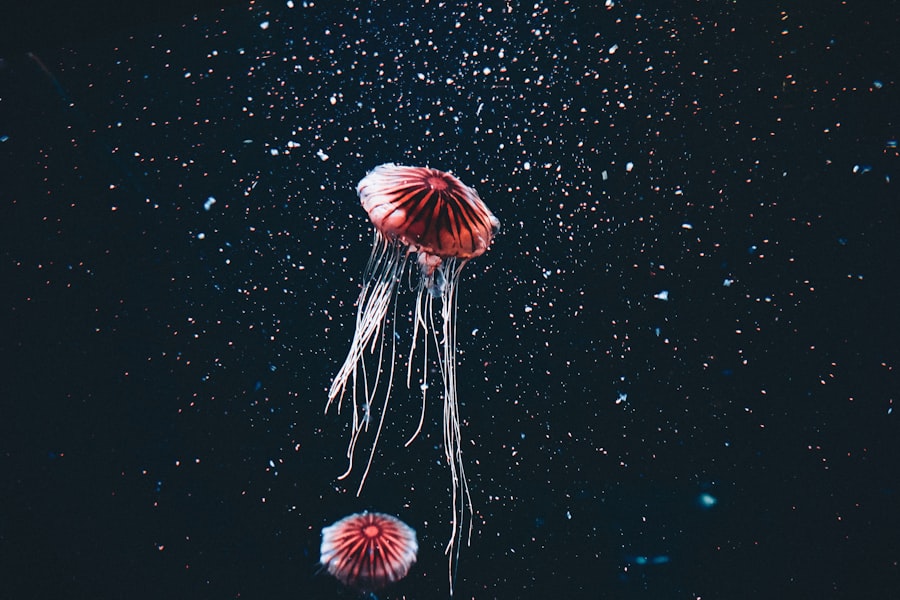
The deep sea is a desert for food. Sunlight does not reach the bottom to fuel primary production through photosynthesis. The majority of the food that reaches the abyss is in the form of “marine snow” – dead plankton, fecal pellets, and other organic detritus that drifts down from the surface layers. This scarcity has driven the evolution of incredibly efficient and often specialized feeding strategies.
Opportunistic Feeding: Making the Most of Every Morsel
Many deep-sea organisms are opportunistic feeders, consuming whatever they can find. Their digestive systems are often highly adaptable, capable of processing a wide range of food items.
Large Mouths and Expandable Stomachs: Seizing Every Opportunity
The gulper eel, for instance, is famous for its enormous, gaping mouth and highly expandable stomach. This allows it to swallow prey that is significantly larger than itself, ensuring that it can make the most of infrequent encounters with larger food items. This “feast or famine” strategy is common in the abyss.
Specialized Lures and Traps: Deception in the Dark
As mentioned earlier, anglerfish use bioluminescent lures to attract prey. Other creatures have developed unique traps. The vampire squid, despite its name, is not a predator but a detritivore. It extends its two feeding tentacles, which are lined with mucus, to capture marine snow and other falling organic matter.
Slow Metabolism and Energy Conservation: Living on Less
With limited food availability, metabolic rate is a critical factor in survival. Deep-sea creatures generally have very slow metabolisms, allowing them to survive for extended periods with minimal food intake.
Long Lifespans and Delayed Reproduction: A Strategy for the Long Haul
This slow metabolism is often associated with remarkably long lifespans. Some deep-sea sharks have been estimated to live for hundreds of years. This longevity, coupled with delayed sexual maturity and infrequent reproduction, allows them to maximize their reproductive success over their extended lives, despite the challenges of finding mates and resources.
Torpor and Hibernation: Conserving Energy When Needed
Some deep-sea organisms may even enter periods of torpor or a form of hibernation when food is particularly scarce, further reducing their energy expenditure.
The Cold Embrace: Thriving in Frigid Waters
Temperatures in the deep sea are consistently low, often hovering just above freezing. These frigid conditions would be lethal to most surface-dwelling organisms, but deep-sea life has adapted to this perpetual chill.
Biochemical Adaptations: Antifreeze Proteins
Just as some land animals produce antifreeze proteins to prevent ice crystal formation in their cells, so too have some deep-sea creatures evolved similar mechanisms. These specialized proteins circulate in their blood and tissues, lowering the freezing point of their bodily fluids and protecting them from the damaging effects of ice.
Slower Life Processes: The Pace of Cold
The cold temperatures also contribute to the slow metabolic rates observed in many deep-sea organisms. Chemical reactions in cold environments proceed at a slower pace, which translates to a reduced need for energy and resources. This slower pace of life is evident in their growth rates, reproductive cycles, and overall activity levels.
Extreme deep sea adaptations are fascinating examples of how life can thrive in the most inhospitable environments on Earth. Creatures such as the anglerfish and the giant squid have developed unique features that allow them to survive in complete darkness and under immense pressure. For a deeper understanding of these remarkable adaptations, you can explore a related article that delves into the extraordinary survival strategies of deep-sea organisms. This insightful piece can be found here, providing a closer look at the incredible resilience of life in the depths of the ocean.
Extreme Environments, Extraordinary Life: The Future of Deep-Sea Exploration
| Adaptation | Description |
|---|---|
| Bioluminescence | Ability to produce light through chemical reactions, used for communication and camouflage. |
| High Pressure Tolerance | Ability to withstand extreme water pressure in the deep sea environment. |
| Gigantism | Many deep-sea creatures grow to unusually large sizes due to the lack of predators and abundant food sources. |
| Reduced Metabolism | Some deep-sea organisms have slow metabolic rates to conserve energy in the low-energy environment. |
| Specialized Sensory Organs | Enhanced senses such as sight, smell, and touch to navigate and locate prey in the dark, high-pressure environment. |
The adaptations of deep-sea creatures are a testament to the incredible resilience and ingenuity of life on Earth. From their cellular defenses against crushing pressure to their sophisticated navigation systems in perpetual darkness and their efficient strategies for surviving on scarce resources, these organisms represent the cutting edge of evolutionary innovation.
The exploration of the deep sea is still in its nascent stages. Each submersible dive and each remotely operated vehicle deployment reveals new species and new wonders, pushing the boundaries of our understanding of life’s potential. As we continue to probe the mysteries of the abyss, we are sure to uncover even more extraordinary examples of extreme deep-sea adaptations, further illuminating the remarkable diversity and tenacity of life in our planet’s final frontier. The lessons learned from these alien worlds can offer invaluable insights into fundamental biological processes, potentially leading to breakthroughs in medicine, biomaterials, and our understanding of life’s origins. The abyss, once considered a barren void, is proving to be a vibrant and dynamic ecosystem, brimming with life that has mastered the art of survival in the most extreme conditions imaginable.

The Deeper You Go, the Less Life Looks Like Life
FAQs
What are some extreme deep sea adaptations seen in marine animals?
Some extreme deep sea adaptations seen in marine animals include bioluminescence, pressure resistance, and the ability to survive in low oxygen environments.
How do deep sea animals adapt to the extreme pressure of the ocean depths?
Deep sea animals adapt to extreme pressure through various means, such as having flexible bodies, internal air spaces that collapse under pressure, and specialized proteins that protect their cells from being crushed.
What is bioluminescence and how do deep sea animals use it as an adaptation?
Bioluminescence is the production and emission of light by living organisms. Deep sea animals use bioluminescence as an adaptation for communication, camouflage, attracting prey, and deterring predators in the dark depths of the ocean.
How do deep sea animals survive in low oxygen environments?
Deep sea animals have adapted to survive in low oxygen environments through various strategies, such as having efficient oxygen-binding proteins, reduced metabolic rates, and specialized respiratory structures.
What are some examples of extreme deep sea adaptations in marine animals?
Some examples of extreme deep sea adaptations in marine animals include the anglerfish’s bioluminescent lure, the barreleye fish’s transparent head for upward vision, and the giant tube worm’s symbiotic relationship with chemosynthetic bacteria for energy production.