
The Enigmatic Depths of Zealandia: A New Frontier for Cobalt Exploration
The submerged continent of Zealandia, a vast landmass largely hidden beneath the Pacific Ocean, is emerging as a geological province of significant interest. Scientists and resource managers are increasingly turning their attention to its seamounts and oceanic plateaus, particularly for their potential to host cobalt-rich ferromanganese crusts. These crusts, precipitates that accumulate directly from seawater onto exposed rock surfaces over millions of years, represent a significant, albeit challenging, source of critical metals. As global demand for cobalt, a vital component in rechargeable batteries for electric vehicles and portable electronics, continues to escalate, the exploration of novel and unconventional sources becomes paramount.
Understanding Cobalt-Rich Ferromanganese Crusts
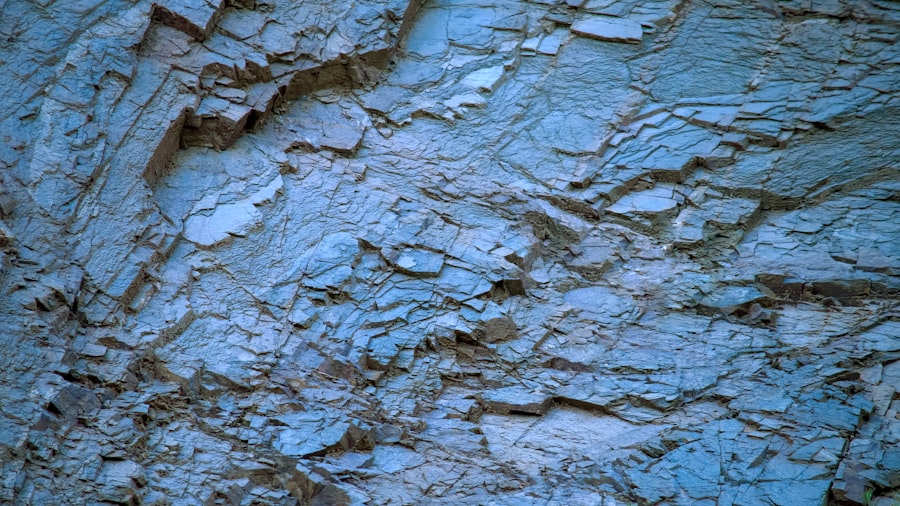
Cobalt-rich ferromanganese crusts are sedimentary mineral deposits characterized by their high concentrations of iron and manganese oxides, along with economically significant trace elements such as cobalt, nickel, tellurium, rare earth elements, and platinum group metals. Unlike polymetallic nodules, which are typically found on abyssal plains, ferromanganese crusts form on exposed bedrock, often on the flanks and summits of seamounts, ridges, and oceanic plateaus.
Genesis and Formation Processes
The formation of these crusts is a protracted process involving the slow precipitation of metals from cold seawater. This process, termed hydrogenetic precipitation, occurs over geological timescales, with accretion rates typically ranging from 1 to 10 millimeters per million years. The primary source of the dissolved metals is thought to be hydrothermal vents, weathering of continental crust, and volcanic activity. As these metal-laden fluids interact with oxygenated seawater, they precipitate as layers of iron and manganese oxyhydroxides. The unique chemistry of these environments allows for the preferential incorporation of certain trace elements, with cobalt often exhibiting a strong affinity for manganese oxides.
Distribution and Occurrence
Globally, cobalt-rich ferromanganese crusts are found in all major ocean basins, with significant deposits identified in the Pacific, Atlantic, and Indian Oceans. The central and western Pacific, in particular, host extensive occurrences due to its vast expanse of seamounts and oceanic plateaus. The seamounts of Zealandia, rising predominantly from depths of 1,000 to 4,000 meters, present an ideal environment for the formation of these crusts, akin to a scattered archipelago of mineral-bearing islands rising from the deep.
Economic Significance of Cobalt
Cobalt’s role in modern technology is indisputable. Its high energy density, thermal stability, and long cycle life make it indispensable for lithium-ion batteries. The escalating demand for electric vehicles and renewable energy storage solutions is driving a surge in cobalt consumption. Currently, terrestrial mining, primarily concentrated in the Democratic Republic of Congo, faces ethical and environmental challenges. Consequently, deep-sea mineral resources, despite their inherent complexities, are garnering increasing attention as potential supplementary sources to meet future demand.
Characteristics of Zealandia’s Seamount Environment
Zealandia, a continental fragment largely submerged since its separation from Gondwana around 80 million years ago, offers a unique geological setting for crust formation. Its numerous seamounts and oceanic plateaus represent ancient volcanic edifices and submerged continental blocks that have been exposed to deep-sea currents for millions of years.
Geological Context of Seamounts
Zealandia’s seamounts are primarily composed of basaltic lavas, often with overlying sedimentary layers. The topography of these seamounts, characterized by steep slopes and flat summits, provides extensive hard substrate for crust accretion. Their isolation from significant terrestrial sediment input further enhances the purity of the hydrogenetic crusts, minimizing dilution by detrital material. This makes them pristine canvases for mineral precipitation, untainted by the muddy currents that often obscure other deep-sea environments.
Oceanographic Influences on Crust Formation
The formation and characteristics of ferromanganese crusts are significantly influenced by oceanographic conditions, particularly bottom currents and oxygen levels. Strong bottom currents can sweep away fine sediments, exposing bedrock for crust growth and preventing burial. Furthermore, well-oxygenated bottom waters promote the oxidation of dissolved metals, a crucial step in the precipitation process. The deep-water circulation patterns around Zealandia’s seamounts are thus critical factors governing the distribution and quality of its cobalt-rich crusts.
Existing Data and Research
While exploration of Zealandia’s seamounts for cobalt-rich crusts is still in its nascent stages, existing bathymetric data, seismic reflection profiles, and sporadic dredge samples provide preliminary insights. Research expeditions have reported the presence of extensive ferromanganese coatings on exposed rock surfaces, with varying thicknesses and metal concentrations. These early findings serve as tantalizing breadcrumbs, guiding further, more targeted investigations.
Exploration Methods for Deep-Sea Crusts
Exploring for deep-sea mineral deposits like ferromanganese crusts requires a sophisticated array of technologies and methodologies, far beyond the reach of conventional terrestrial mining. The vastness of the deep ocean and the extreme pressures necessitate specialized equipment and meticulous planning.
Remote Sensing Techniques (Mapping the Unseen)
The initial phase of exploration relies heavily on remote sensing techniques to map the seafloor and identify prospective areas. Multibeam echosounder systems are employed to generate high-resolution bathymetric maps, revealing the topography of seamounts, the presence of exposed bedrock, and potential crustal outcrops. Side-scan sonar can further aid in characterizing seabed morphology and identifying areas with suitable substrates for crust formation. These technologies act as our eyes in a realm where light cannot penetrate, painting a detailed picture of the seafloor’s hidden landscape.
Sampling Methodologies (Extracting the Invisible)
Once prospective areas are identified, direct sampling is crucial to confirm the presence of crusts and assess their metal content. This involves a variety of techniques:
- Dredging: A robust method for collecting bulk samples of rock and crusts from the seafloor. Dredges are towed behind research vessels, scraping the seabed to collect material. While effective for initial surveys, dredging offers limited control over the exact sampling location.
- ROV and AUV Deployment: Remotely Operated Vehicles (ROVs) and Autonomous Underwater Vehicles (AUVs) provide more precise sampling capabilities. Equipped with manipulators, cameras, and various sensors, these robotic platforms can visually inspect the seafloor, select specific crust samples, and collect them with high accuracy. They are like nimble deep-sea surgeons, carefully extracting specimens from their watery environment.
- Coring: While less common for crusts due to their hardness, specialized coring devices can be used to extract vertical sections of crust to study their internal structure and growth history.
Geochemical Analysis (Unveiling the Composition)
Collected samples undergo rigorous geochemical analysis to determine their elemental composition, particularly the concentrations of cobalt, nickel, copper, and other valuable metals. Techniques such as Inductively Coupled Plasma Mass Spectrometry (ICP-MS) and X-ray Fluorescence (XRF) are commonly used to provide detailed quantitative data. This analytical phase unlocks the true economic potential of the collected samples, revealing whether these dark, unassuming rocks hold a treasure trove of industrial significance.
Environmental Considerations and Regulatory Frameworks
The exploration and potential extraction of deep-sea minerals raise significant environmental concerns that must be addressed through robust regulatory frameworks and responsible practices. The deep-sea environment is a fragile and poorly understood ecosystem, and any disturbance carries the risk of irreversible damage.
Potential Environmental Impacts
Deep-sea mining activities, including the collection of ferromanganese crusts, could lead to a range of environmental impacts:
- Habitat Disturbance: The physical removal of crusts would directly destroy benthic habitats, impacting a wide array of deep-sea organisms, many of which are endemic and slow-growing. Seamounts, in particular, are known hotspots of biodiversity, often harboring unique chemosynthetic communities or serving as crucial nursery grounds for various species.
- Sediment Plumes: The act of mining can generate plumes of suspended sediment, which can spread over wide areas, smothering organisms, reducing light penetration, and altering water chemistry.
- Noise Pollution: The operation of mining machinery and support vessels can generate significant noise, potentially impacting deep-sea fauna that rely on sound for communication and navigation. This persistent hum can disrupt the delicate symphony of the deep ocean.
- Release of Contaminants: Deep-sea sediments can store various contaminants. Disturbing these sediments could release toxins into the water column, further impacting marine life.
International Regulations and Governance
The International Seabed Authority (ISA), established under the United Nations Convention on the Law of the Sea (UNCLOS), is responsible for regulating mineral-related activities in the international seabed area, known as “the Area.” The ISA is currently developing a comprehensive mining code to govern deep-sea mineral exploration and exploitation, aiming to ensure the effective protection of the marine environment. Within national Extended Continental Shelves (ECS), individual nations are responsible for developing their own regulatory frameworks, often in adherence to international best practices.
Sustainable Mining Practices
Should deep-sea mining proceed, it is imperative that it adheres to the highest standards of environmental protection and sustainability. This includes:
- Baseline Environmental Assessments: Comprehensive studies to understand the existing deep-sea ecosystems before any mining activity commences. These provide a benchmark against which future impacts can be measured.
- Adaptive Management Strategies: Flexible approaches that allow for adjustments to mining practices based on real-time environmental monitoring and scientific understanding. This iterative process allows for learning and adaptation as operations unfold.
- Restoration and Rehabilitation Measures: Developing and implementing strategies to restore disturbed habitats, though the efficacy of such measures in the deep sea remains largely unproven given the slow growth rates of deep-sea organisms.
- Precautionary Principle: A guiding principle that advocates for taking preventive measures in the face of uncertainty regarding potential environmental harm, even if full scientific certainty is lacking. This acts as a robust safeguard for the vulnerable deep-sea environment.
The Future of Cobalt Exploration in Zealandia
The exploration for cobalt-rich ferromanganese crusts in Zealandia is a complex undertaking, balancing the promise of critical metal resources with the imperative of environmental stewardship. As technological capabilities advance and global demand intensifies, the deep-sea frontiers of Zealandia will undoubtedly attract increasing scrutiny and investment.
Technological Advancements
Ongoing advancements in autonomous underwater vehicles (AUVs), remotely operated vehicles (ROVs), and sampling technologies are making deep-sea exploration more efficient and less environmentally impactful. Machine learning and artificial intelligence are also being employed to process vast datasets from seafloor mapping and geochemical analysis, accelerating the identification of promising areas. These technological leaps are akin to equipping deep-sea explorers with more powerful lanterns and finer sieves to sift through the ocean’s intricate tapestry.
Research and Scientific Collaboration
Continued scientific research into the ecology of Zealandia’s seamounts, the formation mechanisms of ferromanganese crusts, and the long-term environmental impacts of deep-sea mining is crucial. International collaboration among scientific institutions, governments, and industry stakeholders will be essential to foster a shared understanding and develop best practices for responsible resource management.
Policy Development and Resource Management
The development of robust and adaptive policy frameworks, both nationally and internationally, is paramount. These frameworks must balance the need for critical resources with the protection of unique deep-sea ecosystems. They must also encompass provisions for equitable benefit sharing, transparent decision-making, and robust enforcement mechanisms. The deep-sea floor, a global commons in many respects, requires a collective responsibility for its management, ensuring that any resource extraction benefits humanity broadly without compromising the health of the planet.
In conclusion, the seamounts of Zealandia represent a potential new frontier in the global quest for cobalt, a critical metal powering our modern technological world. While the allure of these hidden resources is strong, the challenges are equally formidable. Navigating these depths requires not only technological prowess but also a profound commitment to understanding and protecting Earth’s last unexplored wilderness. The decisions made regarding the exploration and potential exploitation of Zealandia’s cobalt-rich crusts will undoubtedly shape the future of deep-sea resource management for decades to come, leaving a lasting legacy on this enigmatic submerged continent.

WARNING: The 8th Continent Is Moving
FAQs
What are cobalt-rich crusts found on Zealandia seamounts?
Cobalt-rich crusts are mineral deposits that form on the surfaces of underwater seamounts, including those in the Zealandia region. These crusts contain high concentrations of cobalt, along with other valuable metals such as nickel, manganese, and rare earth elements.
Why are cobalt-rich crusts important?
Cobalt-rich crusts are important because they are a potential source of critical metals used in various high-tech applications, including batteries for electric vehicles, electronics, and renewable energy technologies. Their extraction could help meet growing global demand for these metals.
Where is Zealandia and what are its seamounts?
Zealandia is a submerged continental fragment located in the southwest Pacific Ocean, largely underwater except for New Zealand and New Caledonia. Its seamounts are underwater mountains formed by volcanic activity, which provide surfaces for cobalt-rich crusts to accumulate.
How are cobalt-rich crusts formed on seamounts?
Cobalt-rich crusts form through the slow precipitation of metals from seawater onto the hard surfaces of seamounts over millions of years. This process involves the accumulation of iron and manganese oxides that trap cobalt and other metals from the surrounding ocean water.
What are the challenges of mining cobalt-rich crusts on Zealandia seamounts?
Mining cobalt-rich crusts on Zealandia seamounts presents challenges such as the technical difficulty of deep-sea mining, potential environmental impacts on fragile marine ecosystems, and the need for sustainable and responsible extraction methods to minimize ecological disturbance.