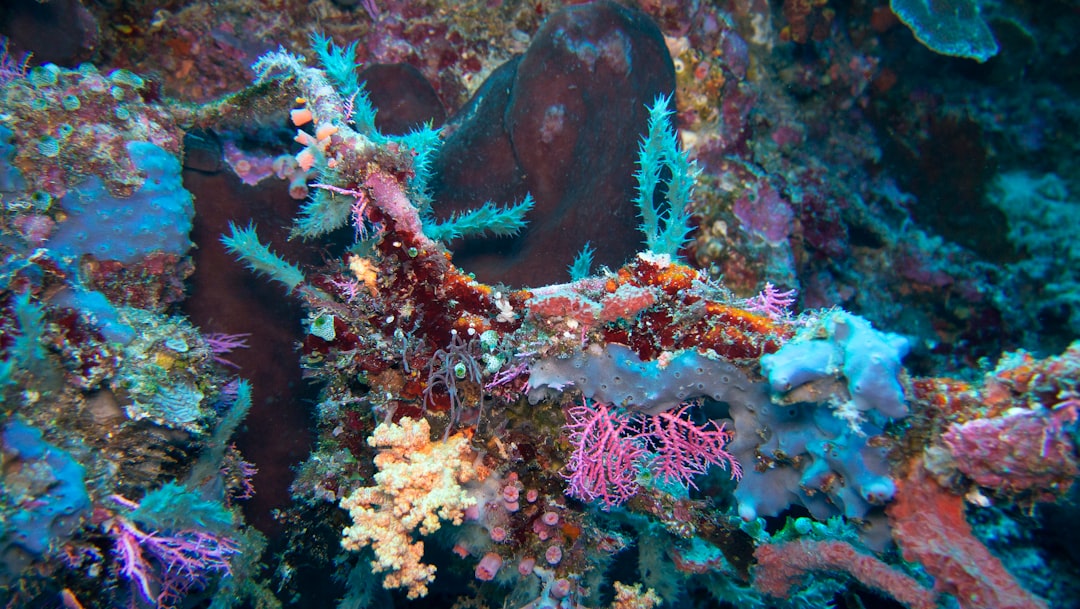
The world beneath the waves, a realm of vibrant colors, astonishing biodiversity, and intricate ecosystems, is a constant source of wonder. For those captivated by the mysteries of our oceans, a new marine biology documentary, “Exploring the Wonders of the Sea,” offers an unparalleled journey into this breathtaking underwater universe. This cinematic endeavor transcends mere observation, delving deep into the scientific intricacies and the awe-inspiring beauty of marine life, providing viewers with an intimate and educational encounter with one of Earth’s most vital frontiers.
“Exploring the Wonders of the Sea” embarks on a comprehensive exploration of the ocean’s myriad habitats, showcasing the extraordinary adaptations that life has developed to thrive in these vastly different environments. From the sun-drenched shallows to the abyssal depths, the documentary meticulously captures the unique characteristics and the inhabitants of each zone.
The Coral Reefs: Cities of Color and Life
The documentary opens with a dazzling immersion into the world of coral reefs, often described as the rainforests of the sea. Viewers are treated to a visual feast of kaleidoscopic coral formations, teeming with an almost unbelievable array of fish. The intricate relationships between species, the symbiotic partnerships, and the complex food webs that sustain these vibrant ecosystems are brought to life with stunning clarity.
The Architects of the Reef: Coral Polyps
The film dedicates significant segments to the microscopic organisms that build these colossal structures: coral polyps. Through innovative close-up videography, the documentary illustrates the process of polyp reproduction and the calcification that creates the reef’s framework. It highlights the vital role of zooxanthellae, the symbiotic algae residing within coral tissues, in providing the coral with energy and its iconic colors. The delicate balance of this relationship is emphasized, serving as an early warning of the threats facing these precious habitats.
Guardians of the Reef: A Symphony of Biodiversity
Beyond the corals themselves, the documentary showcases the astonishing biodiversity that finds refuge and sustenance within reef systems. Schools of iridescent fish dart through anemones, elegant sea turtles glide gracefully, and cryptic invertebrates camouflage themselves amongst the coral branches. The film captures the predator-prey dynamics, the territorial disputes, and the cooperative behaviors that define life on the reef. Viewers witness the intelligence of reef inhabitants, from the problem-solving abilities of octopuses to the intricate communication signals of schooling fish.
The Pelagic Realm: The Vast Open Ocean
Transitioning from the bustling reefs, “Exploring the Wonders of the Sea” ventures into the seemingly boundless expanse of the pelagic zone. This immense region, devoid of solid substrate, presents its own set of challenges and rewards for the life that calls it home. The documentary emphasizes the sheer scale of this environment and the incredible adaptations required for survival.
Giants of the Deep: Whales and Dolphins
The majestic presence of cetaceans is a significant highlight of this section. Through breathtaking aerial shots and underwater sequences, the film follows migrating whales, their immense bodies navigating vast distances. The intelligence and social complexity of dolphin pods are explored, showcasing their sophisticated communication methods and their cooperative hunting strategies. The documentary emphasizes the importance of protecting these iconic marine mammals, highlighting the threats they face from pollution and human activity.
Predators and Prey: A Constant Dance
The open ocean is a dynamic arena where the lines between predator and prey are constantly shifting. The film captures the thrilling pursuit of tuna, the stealthy hunting of sharks, and the evasive maneuvers of smaller fish. It delves into the unique sensory adaptations that enable these creatures to navigate and hunt in the vastness, from the echolocation of dolphins to the electroreception of sharks. The ecological role of apex predators in maintaining the health of the ocean ecosystem is thoroughly examined.
The Deep Sea: Mysteries of the Abyss
Perhaps the most enigmatic realm explored is that of the deep sea. Here, in perpetual darkness and under immense pressure, life has evolved in ways that defy imagination. “Exploring the Wonders of the Sea” utilizes cutting-edge technology to illuminate these alien landscapes and their extraordinary inhabitants.
Bioluminescence: A Light in the Darkness
One of the most captivating phenomena of the deep sea is bioluminescence, the ability of organisms to produce their own light. The documentary showcases an array of creatures that use light for communication, hunting, defense, and even courtship. From the pulsating glows of jellyfish to the intricate light organs of anglerfish, these displays of biological light are rendered with stunning visual fidelity, transforming the darkness into a canvas of living constellations. The scientific principles behind bioluminescence, the chemical reactions that produce light, are explained in an accessible manner.
Alien Lifeforms: Adaptations to Extreme Conditions
The documentary introduces viewers to some of the most bizarre and fascinating creatures found in the deep sea. Anglerfish with their luminous lures, viperfish with their needle-like teeth, and blobfish with their gelatinous bodies are all featured, illustrating the incredible adaptations that allow life to persist in such extreme conditions. The film explores how these organisms deal with immense pressure, scarce food resources, and the absence of sunlight, providing insights into the resilience and diversity of life.
For those interested in the fascinating world of marine biology, a compelling documentary can provide a deeper understanding of ocean ecosystems and their inhabitants. To complement your viewing experience, you might find the article on marine conservation at this link particularly insightful: Marine Conservation Insights. This article delves into the challenges facing marine life and the efforts being made to protect our oceans, making it a perfect companion to any marine biology documentary.
The Interconnectedness of Marine Ecosystems
A central theme threaded throughout “Exploring the Wonders of the Sea” is the profound interconnectedness of all marine life. The documentary moves beyond showcasing individual species and their habitats, emphasizing how these elements form a complex and interdependent web of life.
The Role of Plankton: The Ocean’s Foundation
The film highlights the critical importance of plankton, the microscopic organisms that form the base of the marine food web. Phytoplankton, the plant-like plankton, are responsible for a significant portion of the Earth’s oxygen production, a fact often overlooked. Zooplankton, the animal-like plankton, are consumed by a vast array of larger organisms, from small fish to enormous filter-feeding whales. The documentary illustrates how disruptions at the plankton level can have cascading effects throughout the entire ocean.
The Silent Majority: Unseen but Essential
Through microscopic footage and detailed explanations, the documentary elevates the status of plankton from simple specks to truly essential components of ocean health. It explains the seasonal blooms of phytoplankton and their role in nutrient cycling. The diversity of zooplankton and their unique feeding strategies are also explored, revealing a miniature world of incredible complexity and activity.
Marine Food Webs: A Delicate Balance
The intricate relationships within marine food webs are meticulously documented. Viewers witness the flow of energy from primary producers like phytoplankton and algae to herbivores, and then to carnivores at various trophic levels. The documentary illustrates how the removal or decline of one species can have significant repercussions for others within the ecosystem.
Keystone Species: Pillars of Stability
The concept of keystone species, organisms that have a disproportionately large effect on their environment relative to their abundance, is explored. The impact of sea otters on kelp forests and the role of sharks in regulating fish populations are presented as prime examples of how these crucial species maintain the health and stability of their respective ecosystems. The documentary emphasizes that understanding and protecting these keystone species is paramount for conservation efforts.
Threats to Our Oceans: A Call to Action
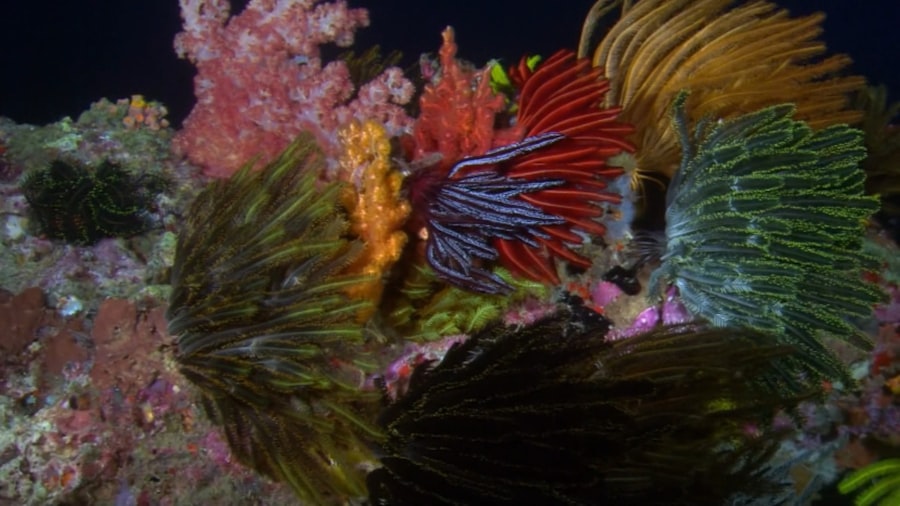
While celebrating the wonders of the sea, “Exploring the Wonders of the Sea” does not shy away from the grave threats that our oceans are currently facing. The documentary serves as a stark reminder of humanity’s impact on these vital ecosystems and issues a compelling call to action.
Pollution: The Pervasive Poison
The film vividly portrays the devastating effects of various forms of pollution on marine life. Plastic debris, chemical runoff, and oil spills are shown to contaminate habitats, harm and kill marine animals, and disrupt delicate ecological processes. The documentary provides powerful imagery of marine creatures entangled in plastic or suffering from the ingestion of microplastics, creating a visceral understanding of the problem.
Microplastics: The Invisible Scourge
A dedicated segment delves into the insidious nature of microplastics, tiny fragments of plastic that permeate every level of the marine environment. The documentary explains how these particles are ingested by marine organisms, entering the food chain and potentially impacting human health. The long-term consequences of this pervasive pollutant are a central concern.
Climate Change: A Warming World, A Changing Ocean
The documentary addresses the profound impact of climate change on marine ecosystems. Rising ocean temperatures are shown to cause coral bleaching, alter species distribution, and contribute to ocean acidification, which threatens shelled organisms. The melting of polar ice caps and its implications for sea levels and marine life are also explored.
Ocean Acidification: The Silent Dissolution
The film clearly explains the phenomenon of ocean acidification, detailing how increased absorption of atmospheric carbon dioxide by the oceans leads to a decrease in pH. The impact on organisms like corals, shellfish, and plankton, whose shells and skeletons are vulnerable to dissolving in more acidic waters, is visually represented with scientific accuracy.
Overfishing: Depleting the Depths
The unsustainable practice of overfishing is presented as a significant threat to marine biodiversity and the health of ocean ecosystems. The documentary shows the impact of destructive fishing methods, the depletion of fish stocks, and the disruption of marine food webs. The documentary highlights the importance of sustainable fishing practices to ensure the long-term viability of marine resources.
The Domino Effect: Collapsing Food Chains
The film illustrates how overfishing can initiate a cascade of negative consequences. The removal of large predatory fish can lead to an increase in their prey, which in turn can reduce populations of smaller organisms, ultimately impacting the entire food chain. The documentary emphasizes that overfishing is not just about losing a food source; it is about unraveling the very fabric of marine life.
Conservation Efforts: Hope for the Future

Despite the grim realities presented, “Exploring the Wonders of the Sea” also offers glimpses of hope, highlighting the dedicated efforts of scientists, conservationists, and communities working to protect our oceans. The documentary aims to inspire viewers to become active participants in the conservation movement.
Marine Protected Areas: Sanctuaries of Hope
The film showcases successful examples of marine protected areas (MPAs), regions where human activities are restricted to allow marine ecosystems to recover and thrive. Viewers see vibrant reefs within MPAs, teeming with life that has been depleted in unprotected areas, demonstrating the effectiveness of these conservation strategies.
The Power of Protection: Seeing Recovery in Action
The documentary provides compelling visual evidence of the benefits of MPAs. Footage of abundant fish populations, healthy coral growth, and the return of endangered species within protected zones serves as a powerful testament to their efficacy. The film emphasizes that these areas are not just for the animals; they are crucial for maintaining the health of the entire ocean.
Sustainable Practices: A Path Forward
“Exploring the Wonders of the Sea” promotes sustainable practices in various sectors, from responsible tourism to eco-friendly fishing. The documentary encourages viewers to make conscious choices in their daily lives that can reduce their impact on the marine environment.
Consumer Choices Matter: Making Informed Decisions
The film empowers viewers by highlighting how their purchasing decisions can influence the health of the oceans. The importance of choosing sustainably sourced seafood, reducing plastic consumption, and supporting businesses committed to environmental responsibility are all emphasized as tangible actions that individuals can take.
Scientific Research: Understanding to Protect
The documentary underscores the vital role of ongoing scientific research in understanding marine ecosystems and developing effective conservation strategies. It introduces viewers to marine biologists and researchers working on the front lines, studying the intricate workings of the ocean and devising innovative solutions to its challenges.
Innovation in Conservation: New Technologies, New Hope
The film showcases cutting-edge technologies being used in marine research, such as underwater drones, advanced tracking devices, and sophisticated modeling techniques. These innovations are not only enhancing our understanding of the ocean but also providing new tools for monitoring its health and implementing effective conservation measures.
In the fascinating world of marine biology, documentaries play a crucial role in educating the public about the diverse ecosystems and species that inhabit our oceans. A particularly insightful article that complements this topic can be found at Freaky Science, where it delves into the latest discoveries and advancements in marine research. This resource not only highlights the importance of preserving marine life but also showcases the innovative techniques scientists are using to study underwater habitats.
The Enduring Majesty of the Ocean
| Documentary Title | Release Year | Director | Runtime | Rating |
|---|---|---|---|---|
| Blue Planet II | 2017 | James Honeyborne | 60 minutes per episode | 9.3/10 (IMDb) |
| Oceans | 2009 | Jacques Perrin | 104 minutes | 7.8/10 (IMDb) |
| Chasing Coral | 2017 | Jeff Orlowski | 93 minutes | 8.1/10 (IMDb) |
“Exploring the Wonders of the Sea” is more than just a documentary; it is a profound exploration of life itself, a testament to the resilience and beauty of the ocean, and a crucial wake-up call for humanity. Through its captivating visuals, insightful scientific explanations, and compelling narrative, the film inspires a sense of awe and a deep appreciation for the marine world.
A Legacy for Future Generations
The documentary concludes with a powerful message about our responsibility to protect this precious resource for future generations. It emphasizes that the health of our oceans is inextricably linked to the health of our planet and, ultimately, to our own survival. The film leaves viewers with a sense of urgency, but also with a profound sense of hope, illustrating that with collective action and a deeper understanding, the wonders of the sea can be preserved for centuries to come. The enduring majesty of the ocean, its capacity for life, and its critical role in the Earth’s systems are celebrated, leaving an indelible mark on the viewer’s consciousness.

The Secret Ocean Layer That Lets Sound Travel for Thousands of Miles
FAQs
What is a marine biology documentary?
A marine biology documentary is a film or video production that explores and showcases the study of marine life, ecosystems, and the ocean environment. It typically features footage of marine animals, plants, and habitats, as well as interviews with marine biologists and researchers.
What are the benefits of watching a marine biology documentary?
Watching a marine biology documentary can provide viewers with a greater understanding and appreciation of the marine world. It can also raise awareness about conservation efforts, environmental issues, and the importance of preserving marine ecosystems. Additionally, it can inspire curiosity and interest in marine biology and related fields.
Where can I watch marine biology documentaries?
Marine biology documentaries can be found on various streaming platforms, such as Netflix, Amazon Prime, and Disney+. They may also be available for purchase or rental on platforms like iTunes and Google Play. Additionally, some documentaries may be aired on television channels dedicated to nature and science programming.
What are some popular marine biology documentaries?
Some popular marine biology documentaries include “Blue Planet” and “Blue Planet II” by the BBC, “The Cove” directed by Louie Psihoyos, “Chasing Coral” directed by Jeff Orlowski, and “Mission Blue” directed by Fisher Stevens and Robert Nixon. These documentaries have received critical acclaim and have helped raise awareness about marine conservation.
Are marine biology documentaries suitable for all ages?
Many marine biology documentaries are suitable for all ages, as they often aim to educate and inspire a wide audience. However, some documentaries may contain scenes of predation or environmental destruction that could be distressing for younger viewers. It’s recommended to check the content rating and reviews before watching with children.