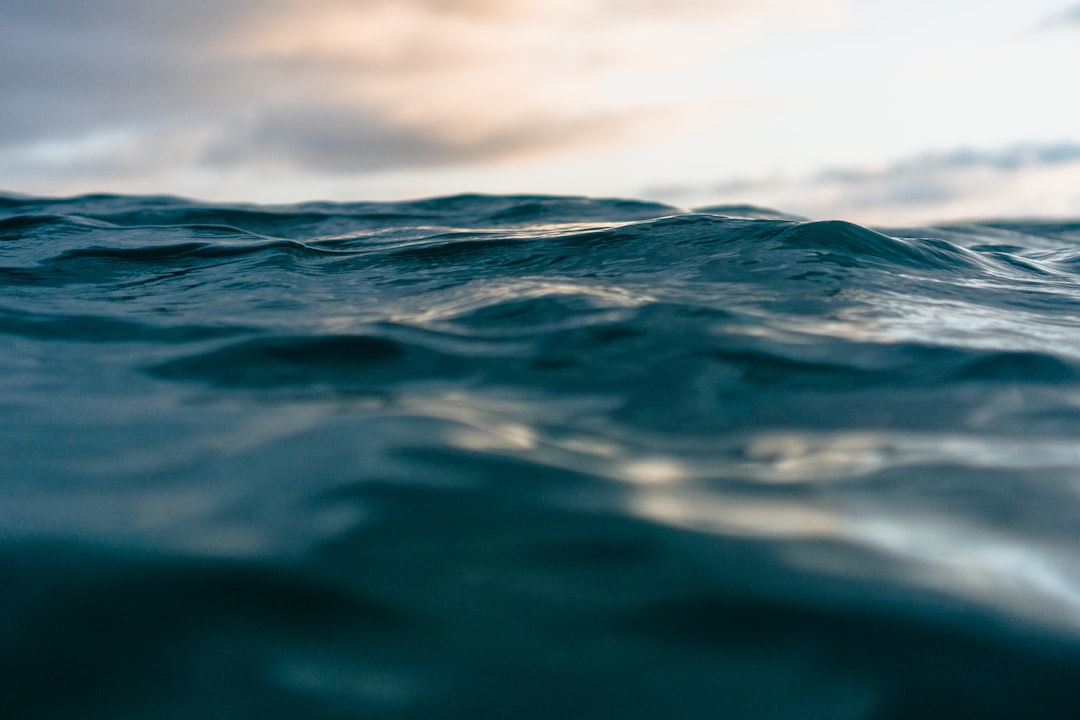
The screen shimmered to life, revealing a world bathed in an ethereal blue, a realm of silent, majestic movement. “Exploring the Wonders of the Ocean: A Science Documentary” was not merely a film; it was an invitation, a portal to the vast, enigmatic depths that cover over 70% of our planet. From the sun-drenched shallows to the crushing pressures of the abyss, this documentary embarked on an ambitious journey, not just to showcase the breathtaking biodiversity of marine life, but to unravel the intricate scientific principles that govern this liquid universe. It promised a deep dive, both literal and figurative, into the evolutionary marvels, geological forces, and ecological dependencies that make the ocean’s existence so vital and so wondrous.
The opening scenes plunged viewers into the vibrant, sun-drenched world of coral reefs. The documentary eschewed typical narrative tropes, instead focusing on visually arresting imagery and the clear, authoritative narration of Dr. Aris Thorne, a seasoned marine biologist whose passion for the ocean was palpable. He explained that these colorful underwater cities were not merely picturesque landscapes, but complex ecosystems teeming with life, a testament to the power of cooperative survival.
Coral: The Architects of the Reef
Dr. Thorne began by illuminating the foundational role of coral polyps. He detailed their symbiotic relationship with zooxanthellae, microscopic algae that live within their tissues. This partnership, he emphasized, was not just about sustenance; it was the very engine of the reef’s existence. The algae, through photosynthesis, provided the coral with essential nutrients and the vibrant colors that are so iconic. In return, the coral offered the algae protection and access to sunlight.
The Alchemy of Calcification
The documentary visually illustrated the slow, painstaking process of calcification. Tiny, almost imperceptible filaments extruded by the coral polyps secreted calcium carbonate, the building blocks of their stony skeletons. Over millennia, these secretions accumulated, forming the intricate structures that provided habitat and shelter for countless other species. Thorne highlighted the delicate balance required for this process to occur, emphasizing the detrimental impact of rising ocean temperatures and acidification on this vital biological process. He showed time-lapse footage of coral bleaching, a stark visual reminder of the fragility of these underwater metropolises.
Biodiversity’s Bloom: The Inhabitants of the Reef
With the architects of the reef established, the documentary then turned its gaze to the astonishing array of life that calls it home. Schools of iridescent fish darted through the coral branches, a kaleidoscope of color and movement. Dr. Thorne identified species ranging from the flamboyant nudibranchs, with their seemingly alien forms and vibrant hues, to the powerful barracudas and the graceful sea turtles that navigated the reef.
The Interconnected Web: Predator and Prey
The documentary didn’t shy away from the realities of the food chain. It depicted the intricate dance between predator and prey, highlighting the evolutionary adaptations that each species had developed for survival. The camouflaged stonefish, perfectly blended with its surroundings, waiting for an unsuspecting meal, was contrasted with the swift, agile movements of a reef shark. Thorne explained the concept of “niche partitioning,” where different species, even those with similar diets, occupy distinct roles within the ecosystem, minimizing direct competition and maximizing the overall productivity of the reef.
Symbiotic Relationships: More Than Just Coexistence
Beyond predator-prey dynamics, the film explored the fascinating world of symbiosis in its various forms. The clownfish and sea anemone relationship was a classic example, with the anemone’s stinging tentacles providing protection for the clownfish, while the clownfish’s presence deterred certain anemone predators. Thorne also showcased the cleaner wrasse, a small fish that diligently removes parasites and dead skin from larger fish, often allowing itself to be ingested by its “clients” for a brief moment before being spat out. This mutualistic relationship, he noted, was fundamental to maintaining the health of the reef’s inhabitants.
If you’re interested in exploring the mysteries of the ocean, you might find the article on marine ecosystems from Freaky Science particularly enlightening. This article delves into the intricate relationships between various ocean species and their environments, shedding light on the importance of preserving these vital ecosystems. You can read more about it here: Freaky Science Marine Ecosystems.
The Twilight Zone: Where Light Fades and Mystery Deepens
As the camera dove deeper, the vibrant hues of the shallows began to recede, replaced by a dim, haunting twilight. This transitional zone, known as the mesopelagic or “twilight zone,” presented a new set of challenges and marvels. Dr. Thorne explained that this vast expanse of the ocean, extending from 200 to 1,000 meters, was a realm of perpetual dimness, where sunlight barely penetrated.
Bioluminescence: Nature’s Underwater Illumination
The most striking adaptation of life in the twilight zone, the documentary argued, was the pervasive use of bioluminescence. Thorne described this incredible biological phenomenon as the production of light by living organisms. He showed mesmerizing footage of anglerfish, their bioluminescent lures blinking in the darkness, attracting unsuspecting prey. Other creatures, like the viperfish with its rows of glowing teeth, showcased the diverse ways in which bioluminescence had evolved.
The Language of Light
The documentary explored the multifaceted functions of bioluminescence. It wasn’t just about attracting prey; it was also a form of communication, a defense mechanism, and even a way to find mates. Thorne detailed how some species used flashes of light to startle predators, while others employed bioluminescence for camouflage, creating counter-illumination to match the faint light filtering from above, making them invisible to predators lurking below. The complexity of these light-based “conversations” hinted at a hidden world of communication within the ocean’s depths.
Vertical Migration: A Daily Commute of Life
One of the most significant ecological processes occurring in the twilight zone, according to Thorne, was the daily vertical migration. He explained that millions of organisms, from tiny zooplankton to larger fish, ascend from the depths to the surface waters during the night to feed on phytoplankton blooms, then descend back into the darkness before dawn.
The Midnight Feast and the Morning Descent
The documentary captured the breathtaking spectacle of this migration, showing vast swathes of the ocean rising in a silent, coordinated ballet. Thorne emphasized the crucial ecological role of this migration, as it transported nutrients from the surface to the deeper ocean and vice versa, playing a vital part in the global carbon cycle. The sheer scale of this movement, he noted, was a testament to the interconnectedness of ocean ecosystems.
The Abyss: A Realm of Extreme Pressure and Unimaginable Life

Plunging further into the abyss, the documentary entered a world that defied human comprehension of pressure and darkness. The documentary team, utilizing advanced submersible technology, ventured into regions where sunlight had never reached, unveiling a landscape both alien and awe-inspiring. Dr. Thorne introduced the hadal zone, the deepest known parts of the ocean, where life had managed to not only survive but thrive under immense hydrostatic pressure.
Adaptation to Extremes: Surviving the Crushing Depths
The adaptations of the creatures inhabiting the abyss were the focal point of this segment. Thorne highlighted the unique physiological characteristics that allowed these organisms to withstand pressures thousands of times greater than at the surface. He showed images of gelatinous, amorphous creatures, their bodies lacking the rigid structures that would be crushed under such force.
Pressure-Resistant Proteins and Cellular Structures
The documentary delved into the molecular science behind these adaptations. Thorne explained how specialized proteins, known as piezolytes, counteracted the damaging effects of high pressure on cellular functions. He also discussed the unique fluidity of cell membranes in abyssal organisms, allowing them to maintain their integrity under extreme conditions. The resilience of life in the abyss, he asserted, was a profound testament to the power of natural selection.
Hydrothermal Vents: Oases of Life in the Desolate Depths
Perhaps one of the most unexpected and scientifically significant discoveries explored in the documentary were the hydrothermal vents. These deep-sea geysers, spewing superheated, mineral-rich water from the Earth’s crust, were initially thought to be devoid of life. Thorne explained how scientists discovered thriving ecosystems around these vents, entirely independent of sunlight.
Chemosynthesis: Life Fueled by Chemicals
The cornerstone of these vent ecosystems, as Thorne elaborated, was chemosynthesis. Instead of relying on photosynthesis, specialized bacteria utilized the chemical energy released from the vents, converting inorganic compounds like hydrogen sulfide into organic matter. This formed the base of a unique food web, supporting strange and wonderful creatures like giant tube worms, blind shrimp, and unique species of mollusks. The documentary showcased the vibrant colors and bustling activity around these vents, a stark contrast to the surrounding darkness. Thorne described the scientific implications of these discoveries, revolutionizing our understanding of the potential for life beyond Earth, particularly on planets and moons with subsurface oceans.
The Ocean’s Circulation: The Global Engine of Climate

Beyond the captivating life forms, the documentary dedicated a significant portion to the ocean’s role as a planetary engine, its currents shaping global climate and redistributing heat and nutrients. Dr. Thorne moved from the microscopic to the macroscopic, explaining the fundamental forces that drove ocean circulation.
The Global Conveyor Belt: Thermohaline Circulation
Thorne introduced the concept of thermohaline circulation, often referred to as the “global conveyor belt.” He explained how differences in water temperature (thermo) and salinity (haline) drove this massive system of ocean currents. Cold, dense water, sinking in high-latitude regions like the Arctic and Antarctic, initiated deep currents that traveled across the globe.
Driving Forces: Density, Salinity, and Temperature
The documentary visually represented this process, illustrating how the formation of sea ice in polar regions increased the salinity of the surrounding water. This denser, colder water then sank, pulling warmer surface water from lower latitudes to replace it. Thorne highlighted the immense volumes of water moved by this circulation, explaining its crucial role in regulating Earth’s climate by transporting heat from the equator towards the poles, preventing extreme temperature fluctuations.
The Impact on Weather Patterns: From Monsoons to El Niño
The influence of ocean currents on weather patterns was explored in detail. Thorne discussed how the Gulf Stream, a powerful warm current in the North Atlantic, significantly moderated the climate of Western Europe. He then delved into the complex phenomenon of El Niño-Southern Oscillation (ENSO), explaining how shifts in Pacific Ocean temperatures could trigger dramatic weather events worldwide, from devastating droughts to torrential floods.
El Niño and La Niña: The Ocean’s Rhythm
The documentary provided clear, animated explanations of El Niño and La Niña cycles, showcasing how variations in sea surface temperatures in the eastern Pacific altered global atmospheric circulation. Thorne emphasized the predictive power of understanding these oceanic cycles, highlighting the efforts of scientists to monitor and forecast these events, thereby enabling better preparation for their impacts on human societies and ecosystems.
If you’re fascinated by the mysteries of the ocean, you might enjoy exploring a related article that delves into the intricate ecosystems found beneath the waves. This captivating piece highlights the importance of marine conservation and the innovative technologies being used to study ocean life. For more insights, you can read the full article here: ocean ecosystems.
The Future of the Ocean: Challenges and Hope
| Documentary Title | Release Year | Director | Runtime | Rating |
|---|---|---|---|---|
| Blue Planet II | 2017 | James Honeyborne | 60 minutes per episode | 9.3/10 (IMDb) |
| Oceans: Our Blue Planet | 2018 | Michele Hall | 40 minutes | 7.5/10 (IMDb) |
| Deep Blue | 2003 | Andy Byatt | 91 minutes | 7.5/10 (IMDb) |
The documentary concluded with a sobering yet hopeful look at the future of our oceans. Dr. Thorne, his voice tinged with concern, addressed the growing threats facing these vital ecosystems, but also highlighted the ongoing efforts and scientific advancements aimed at their preservation.
Anthropogenic Impacts: A Growing Threat
The discussion of human impact was frank and direct. Thorne detailed the pervasive effects of plastic pollution, showing harrowing images of marine animals entangled in debris or ingesting plastic particles. He explained the concept of ocean acidification, a direct consequence of increased atmospheric carbon dioxide, and its detrimental impact on calcifying organisms like corals and shellfish.
Overfishing and Habitat Destruction
The documentary also addressed the unsustainable practices of overfishing, which had depleted fish stocks and disrupted marine food webs. Thorne showed footage of destructive fishing methods, such as bottom trawling, that decimated seabed habitats. The cumulative effect of these human activities, he stressed, was pushing many marine ecosystems to the brink of collapse.
Conservation Efforts: Science and Stewardship
Despite the grim realities, the documentary concluded on a note of optimism, showcasing the many dedicated individuals and organizations working to protect the oceans. Thorne highlighted the progress made in establishing marine protected areas, scientific research into sustainable aquaculture, and the development of innovative technologies for cleaning up pollution.
The Power of Collective Action
The concluding message was clear: the future of the oceans rests on collective action. Thorne emphasized the importance of scientific literacy, responsible consumption, and advocating for policies that prioritize marine conservation. He urged viewers to see themselves not as passive observers, but as active stewards of this invaluable global resource. “Exploring the Wonders of the Ocean” was more than a film; it was a call to action, a poignant reminder of the beauty, complexity, and vital importance of the ocean, and the urgent need to protect it for generations to come. The final shots lingered on the vast, undulating surface of the ocean, a silent testament to its enduring mystery and its profound, life-giving power.

The Secret Ocean Layer That Lets Sound Travel for Thousands of Miles
FAQs
What is the purpose of a science documentary about the ocean?
A science documentary about the ocean aims to educate and inform viewers about the various aspects of the ocean, including its ecosystems, marine life, environmental issues, and scientific research. It provides a platform for scientists and experts to share their knowledge and findings with the public.
What are some common topics covered in a science documentary about the ocean?
Common topics covered in a science documentary about the ocean include marine biodiversity, conservation efforts, climate change’s impact on the ocean, deep-sea exploration, marine biology, and the interconnectedness of ocean ecosystems with the planet’s overall health.
How are science documentaries about the ocean created?
Science documentaries about the ocean are typically created through a combination of scientific research, field expeditions, interviews with experts, underwater filming, and storytelling. Production teams work closely with marine scientists and researchers to ensure accuracy and depth of information.
Where can one watch science documentaries about the ocean?
Science documentaries about the ocean can be found on various streaming platforms, such as Netflix, Amazon Prime, and Disney+, as well as on television networks dedicated to science and nature programming. They may also be available for purchase or rental on DVD or Blu-ray.
Why are science documentaries about the ocean important?
Science documentaries about the ocean are important because they raise awareness about the critical issues facing the ocean, inspire curiosity and appreciation for marine life, and encourage environmental stewardship. They also contribute to public understanding of scientific research and its impact on the natural world.