
The allure of the cosmos has captivated humanity for millennia. From ancient stargazers charting celestial movements to modern scientists peering into the deepest reaches of space, the universe beckons with its boundless mysteries. In an era where information is readily accessible, educational astronomy videos have emerged as a powerful and engaging medium to demystify the cosmos and ignite a passion for celestial exploration. These visual journeys transcend the limitations of textbooks, offering immersive experiences that bring the wonders of the universe directly to learners of all ages.
The Power of Visual Learning in Astronomy
Astronomy, by its very nature, is a visual science. The immense scale of galaxies, the intricate dance of planets, and the ethereal beauty of nebulae are concepts that are often best understood and appreciated through sight. Educational astronomy videos harness this inherent visual appeal, transforming abstract scientific principles into tangible, observable phenomena. They can transport viewers from the familiar confines of Earth to the swirling atmospheres of distant gas giants, showcase the dramatic birth and death of stars, and illustrate the mind-boggling vastness of intergalactic space. This visual immersion fosters a deeper comprehension and retention of complex astronomical concepts, making learning more intuitive and enjoyable.
Bridging the Gap Between Theory and Observation
Traditional astronomy education often relies on diagrams, charts, and written descriptions to convey information. While valuable, these methods can sometimes struggle to convey the true grandeur and dynamic nature of celestial objects and processes. Videos, however, can provide realistic simulations, animations, and actual footage from telescopes and space probes. They can demonstrate orbital mechanics in motion, depict the effects of gravity on spacetime, and illustrate the lifecycle of stars with stunning visual fidelity. This ability to bridge the gap between theoretical understanding and observable reality is a cornerstone of their educational efficacy.
Engaging Diverse Learning Styles
Not everyone learns best through reading or listening. Many individuals, particularly younger learners, benefit greatly from kinesthetic and visual learning experiences. Astronomy videos cater to these diverse learning styles by presenting information in a dynamic and multi-sensory format. The combination of narration, stunning imagery, and sometimes even interactive elements, can capture the attention of a wider audience and make complex topics more accessible to those who might struggle with traditional academic approaches. This inclusivity is crucial in fostering a lifelong interest in science.
For those interested in enhancing their understanding of educational astronomy through engaging visual content, a related article can be found at Freaky Science. This resource offers a variety of videos and articles that delve into the wonders of the universe, making complex astronomical concepts accessible to learners of all ages. You can explore more by visiting Freaky Science, where you’ll find a wealth of information to complement your astronomical studies.
Illuminating Cosmic Phenomena
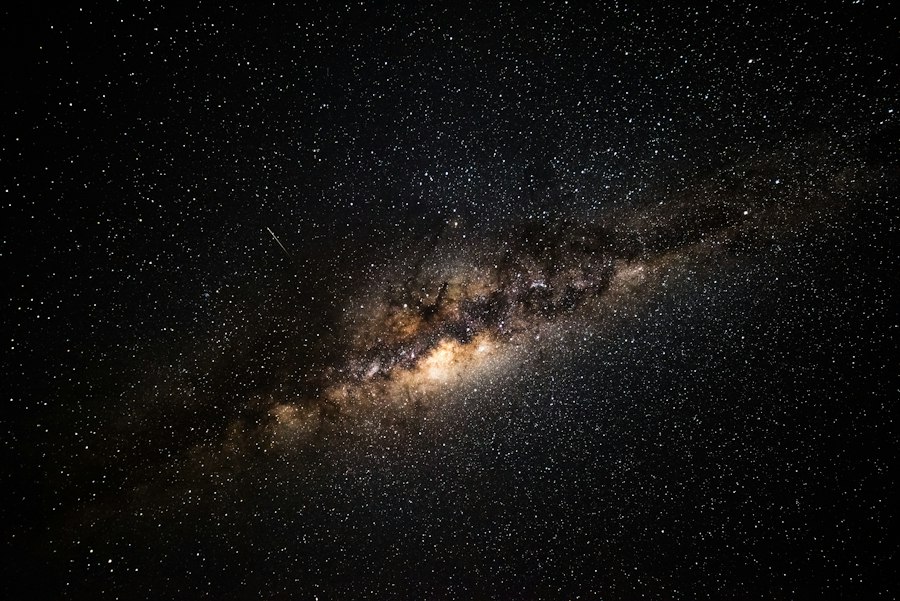
The universe is a stage for some of the most spectacular and awe-inspiring events imaginable. From the gentle rotation of our own solar system to the cataclysmic explosions of supernovae, educational astronomy videos have the capacity to bring these phenomena to life. They can offer detailed explanations of processes that occur over eons, condensing them into digestible video segments, and provide context for events that are too distant or too fleeting to observe directly with the naked eye.
Understanding Our Solar System
The journey into space often begins with our nearest celestial neighbors. Videos dedicated to our solar system offer vivid portrayals of the sun, planets, moons, asteroids, and comets. Viewers can witness the fiery surface of the sun, the rings of Saturn in exquisite detail, the swirling storms on Jupiter, and the desolate beauty of Mars. These presentations often go beyond mere visual spectacle, explaining the formation of the solar system, the unique characteristics of each planet, the forces that govern their orbits, and the ongoing search for life beyond Earth. They provide a foundational understanding of our cosmic backyard, essential for comprehending larger astronomical concepts.
Exploring Galaxies and Beyond
The solar system is but a tiny speck in the grand tapestry of the universe. Educational videos delve into the architecture of galaxies, explaining their different types – spiral, elliptical, and irregular – and the immense populations of stars they contain. Viewers can embark on virtual tours of the Milky Way, our home galaxy, and journey to distant galactic islands like Andromeda. They can learn about the enigmatic nature of black holes, the powerful gravitational forces that warp spacetime, and the cosmic web that connects galaxies across vast distances. These explorations ignite curiosity about what lies beyond our immediate cosmic vicinity.
The Life and Death of Stars
Stars, the building blocks of galaxies, are celestial furnaces that undergo fascinating life cycles. Astronomy videos are adept at illustrating these processes, from the slow, majestic birth of stars in stellar nurseries to their dramatic demise as white dwarfs, neutron stars, or even supernovae. They can explain the nuclear fusion that powers stars, the forces that balance gravity, and the creation of heavy elements within their cores, elements that eventually form planets and life itself. Understanding stellar evolution provides a profound perspective on our own origins and the cyclical nature of the cosmos.
Technological Advancements in Astronomical Visualization

The development of sophisticated imaging technologies and advanced computer graphics has revolutionized the way we visualize the universe. Telescopes like the Hubble Space Telescope and the James Webb Space Telescope capture breathtaking images that were once unimaginable. These images, coupled with powerful simulation software, allow educational video creators to produce visuals that are not only scientifically accurate but also aesthetically stunning, bringing the universe to life in unprecedented detail.
Harnessing Real Telescope Data
Modern astronomy videos frequently incorporate actual imagery captured by ground-based and space-based telescopes. These images, often processed and enhanced for clarity and impact, offer a direct glimpse into the universe as observed by our most advanced instruments. From the vibrant hues of nebulae to the distant pinpricks of light from faraway galaxies, this real data provides an authentic connection to the cosmos, fostering a sense of discovery and wonder.
The Power of CGI and Animation
When direct observation is not possible or when illustrating dynamic processes, computer-generated imagery (CGI) and animation become indispensable tools. These techniques allow for the visualization of events that unfold over millions of years, such as the formation of planets around a young star, or the complex interactions of galaxies in a cosmic collision. CGI can also be used to create realistic models of celestial bodies, demonstrating their internal structures or showing how they would appear from different perspectives. This ability to animate the invisible or compress vast timescales makes the universe far more comprehensible.
Immersive Virtual Reality Experiences
The evolution of virtual reality (VR) technology has opened up new frontiers in astronomical education. VR astronomy videos offer a truly immersive experience, allowing viewers to step “inside” the universe and explore celestial landscapes as if they were physically present. Imagine standing on the surface of Mars, floating among Saturn’s rings, or witnessing the birth of a star from within a nebula. VR environments can be interactive, allowing users to manipulate objects, zoom in on details, and even control their own movement through space, creating an unparalleled level of engagement and learning.
Educational Impact and Accessibility
The primary goal of educational astronomy videos is to disseminate knowledge and inspire a deeper appreciation for science. Their accessibility through online platforms and digital media has democratized access to this knowledge, making it available to a global audience regardless of geographical location or socioeconomic status. This widespread availability plays a crucial role in STEM education.
Inspiring Future Scientists and Engineers
By showcasing the beauty and complexity of the universe, these videos can spark a lifelong interest in astronomy and related scientific fields. They can introduce young minds to fundamental concepts, highlight the exciting discoveries being made, and present astronomy as a dynamic and relevant area of study. Witnessing the work of astronomers and the advanced technology used in space exploration can inspire the next generation of scientists, engineers, and innovators.
Enhancing Formal and Informal Learning
Educational astronomy videos serve as valuable resources for both formal education settings, such as classrooms and lecture halls, and informal learning environments, like museums and science centers. Teachers can integrate these videos into their lesson plans to supplement lectures, provide visual aids, and make abstract concepts more concrete. For individuals learning outside of traditional academic structures, these videos offer a convenient and engaging way to explore topics of interest at their own pace.
Global Reach Through Digital Platforms
The internet and streaming services have made educational astronomy videos accessible to virtually anyone with an internet connection. Platforms like YouTube, Vimeo, and dedicated educational websites host a vast library of content, ranging from short, introductory clips to in-depth documentaries. This global reach ensures that the wonders of the cosmos are no longer confined to specialized institutions but are available to a worldwide audience, fostering a shared sense of curiosity and wonder about our place in the universe.
If you’re interested in enhancing your understanding of the cosmos through engaging visuals, you might want to check out a related article that delves into the impact of educational astronomy videos on learning outcomes. This insightful piece explores how these resources can ignite curiosity and deepen knowledge about celestial phenomena. You can read more about it in this article, which highlights various strategies for effectively utilizing video content in astronomy education.
The Future of Astronomical Education Through Video
| Metric | Value | Description |
|---|---|---|
| Video Length | 12 minutes | Average duration of the astronomy educational video |
| Target Audience | Middle School Students | Primary viewers intended for the video content |
| Topics Covered | Planets, Stars, Galaxies, Black Holes | Key astronomy subjects explained in the video |
| Visual Aids | Animations, Diagrams | Types of visual content used to enhance understanding |
| Engagement Rate | 75% | Percentage of viewers who watched the video till the end |
| Quiz Included | Yes | Whether the video includes an interactive quiz segment |
| Average Rating | 4.6 / 5 | User rating based on feedback and reviews |
| Language | English | Language in which the video is presented |
As technology continues to advance, the potential for educational astronomy videos to inform, inspire, and engage viewers will only grow. The integration of artificial intelligence, more sophisticated interactive elements, and ever-improving visualization techniques promise to make these learning experiences even more powerful and transformative. The universe is vast and full of unanswered questions, and educational videos will continue to be a vital tool in our collective quest to understand it.
Interactive and Personalized Learning Journeys
Future astronomy videos are likely to become more interactive and personalized. Imagine a video that adapts its content based on a viewer’s prior knowledge or interests, offering deeper dives into specific topics or providing alternative explanations. AI-powered chatbots could be integrated to answer viewers’ questions in real-time, creating a more dynamic and responsive learning experience. This move towards personalized learning will cater to individual needs and learning styles more effectively.
Citizen Science and Crowdsourced Data Visualization
The increasing involvement of citizen scientists in astronomical research opens up new possibilities for educational videos. Content could be developed to explain how to participate in citizen science projects, showcase the data collected by amateur astronomers, and visualize the contributions of the public to scientific discovery. This can foster a sense of ownership and involvement in the scientific process, making learning feel more like active participation.
Pushing the Boundaries of Visual Storytelling
The art of visual storytelling in science communication is constantly evolving. As virtual and augmented reality technologies mature, we can expect to see even more compelling and immersive astronomical narratives. These will likely blur the lines between passive viewing and active participation, offering experiences that are not just informative but deeply moving and unforgettable. The universe itself provides the most extraordinary stories, and educational videos are becoming increasingly adept at telling them.
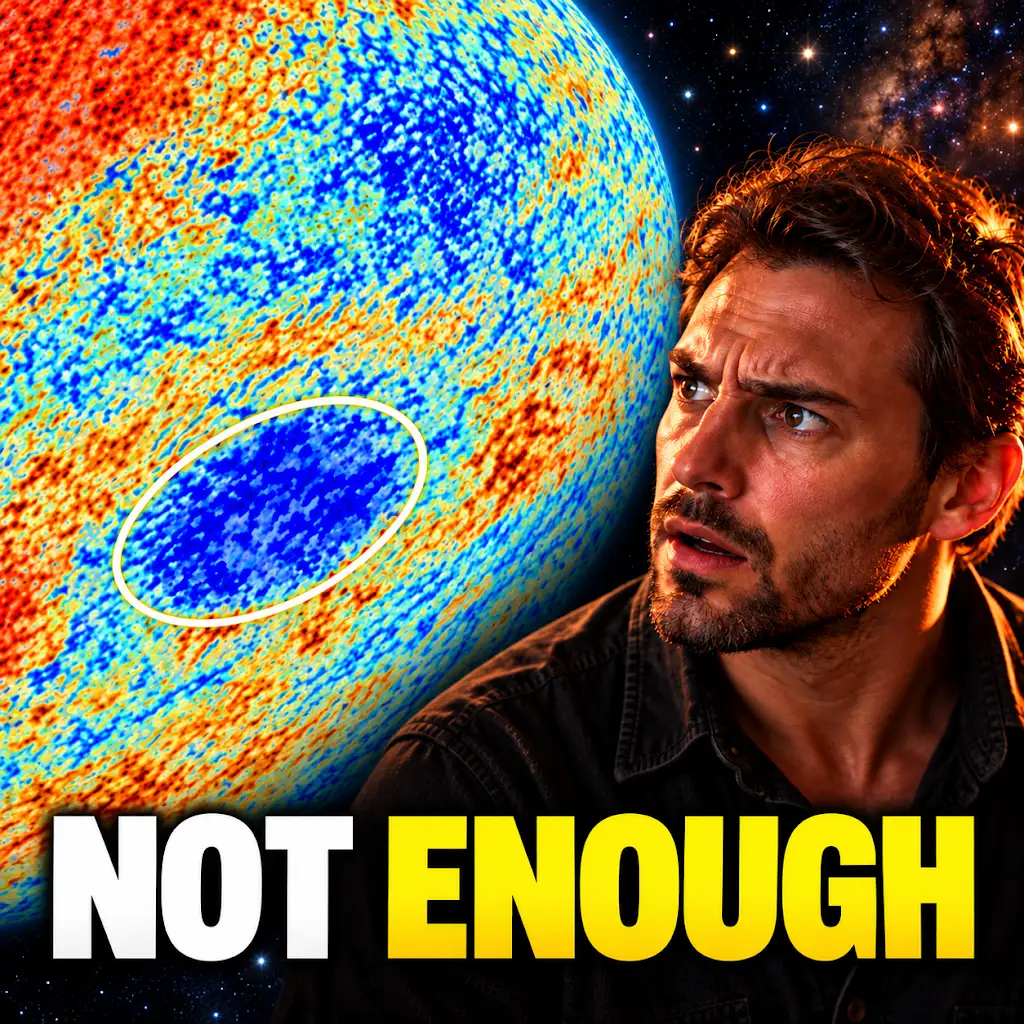
The Universe’s Cold Spot Has an Explanation. It’s Not Enough.
FAQs
What is an educational astronomy video?
An educational astronomy video is a video that provides information and explanations about various topics related to astronomy, such as the solar system, galaxies, stars, and planets. These videos are designed to help viewers learn more about the universe and its wonders.
How can educational astronomy videos benefit viewers?
Educational astronomy videos can benefit viewers by providing them with a better understanding of complex astronomical concepts in a visual and engaging way. These videos can help viewers learn about the universe, inspire curiosity, and spark interest in astronomy and space exploration.
Where can one find educational astronomy videos?
Educational astronomy videos can be found on various online platforms, such as YouTube, educational websites, and streaming services. Many educational institutions, museums, and astronomy organizations also produce and share astronomy videos for free on their websites.
What are some common topics covered in educational astronomy videos?
Common topics covered in educational astronomy videos include the formation of the universe, the life cycle of stars, the structure of galaxies, the exploration of planets, and the search for extraterrestrial life. These videos may also discuss recent astronomical discoveries and advancements in the field.
Are educational astronomy videos suitable for all ages?
Yes, educational astronomy videos are typically designed to be accessible to viewers of all ages, from children to adults. The content and presentation of these videos may vary to cater to different age groups, but they are generally suitable for anyone interested in learning more about astronomy.