
# Simulation Theory: Historical and Contemporary Perspectives
The philosophical examination of simulation theory extends back to ancient philosophical traditions, where thinkers investigated fundamental questions about the nature of reality and human existence. Plato’s Allegory of the Cave, documented in his work “The Republic,” presents one of the earliest conceptual frameworks for this inquiry. In this allegory, imprisoned individuals observe only shadows projected onto a wall, mistaking these shadows for complete reality while remaining ignorant of the actual objects and light sources responsible for creating them.
This allegory illustrates the constraints of human perception and suggests the possibility of a more comprehensive reality beyond direct sensory experience. Throughout the development of Western philosophy, scholars continued to examine the fundamental nature of reality, eventually leading to contemporary theories proposing that human existence may constitute an elaborate simulation. The emergence of digital technology and virtual reality systems in the late twentieth century provided new context for these philosophical discussions.
Philosopher Nick Bostrom formalized this concept through his simulation argument, which posits that if sufficiently advanced civilizations possess the technological capability to create detailed simulations of reality, statistical probability suggests that numerous conscious beings would inhabit such simulations rather than exist in a primary or “base” reality. Bostrom’s work generated substantial academic and public discourse, establishing simulation theory as a legitimate subject of inquiry within both philosophical and scientific communities. The convergence of technological advancement and philosophical inquiry has enabled contemporary reconsideration of longstanding questions regarding existence, consciousness, and the fundamental structure of reality.
One fascinating concept to explore is simulation theory, which suggests our reality might be an artificial simulation.
Key Takeaways
- Simulation theory explores the idea that reality might be an artificial simulation created by advanced beings or technology.
- The theory sparks debate, balancing philosophical questions with scientific inquiry and technological advancements.
- Evidence for simulation theory remains speculative, with ongoing efforts to find empirical proof or technological signatures.
- Ethical considerations arise about the nature of existence and morality if life is indeed simulated.
- Popular culture and scientific communities both influence and reflect the evolving discourse on simulation theory’s implications and future.
The Debate Surrounding Simulation Theory
The discourse surrounding simulation theory is marked by a blend of intrigue and skepticism. Proponents argue that advancements in technology and artificial intelligence lend credence to the idea that humanity could eventually create simulations indistinguishable from reality. They posit that if such simulations are possible, it raises the likelihood that humanity is already living in one.
The debate often centers on the implications of living in a simulated reality and whether it diminishes the value of human life or experience. Conversely, critics of simulation theory argue that it is fundamentally unfalsifiable, making it difficult to test or prove scientifically.
They contend that while the idea is intellectually stimulating, it lacks empirical evidence and may lead to nihilism or existential despair. This skepticism is rooted in a desire for tangible proof and a belief in the importance of grounding philosophical inquiries in observable phenomena. The debate continues to evolve as new technologies emerge, prompting further examination of the boundaries between reality and simulation.
Evidence for Simulation Theory
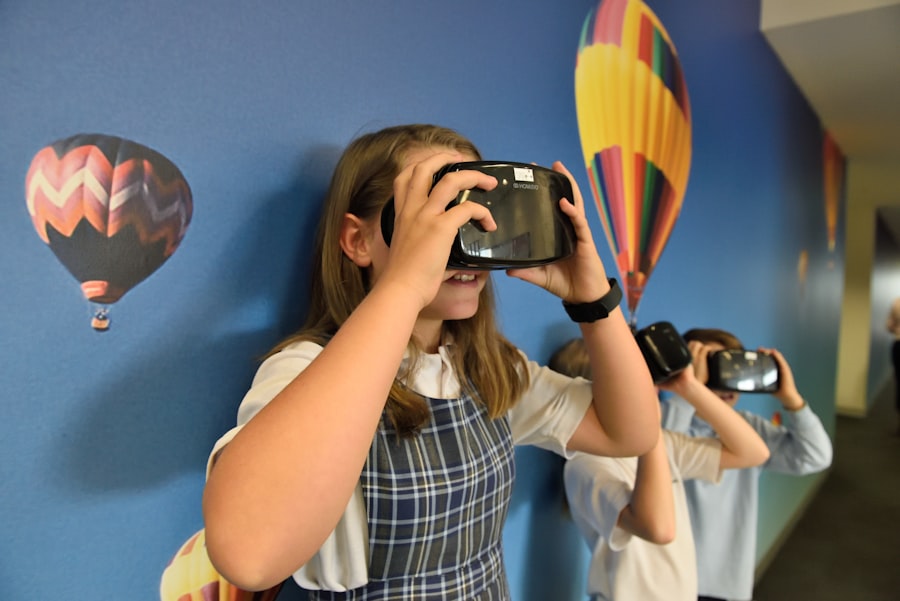
Supporters of simulation theory often cite various forms of evidence that they believe suggest our reality may be simulated. One compelling argument comes from advancements in computer graphics and virtual environments, which have reached levels of sophistication that blur the lines between real and artificial experiences. As technology progresses, the ability to create immersive simulations becomes increasingly feasible, leading some to speculate about the potential for future civilizations to create entire worlds populated by sentient beings.
This technological trajectory raises questions about the nature of consciousness and whether it can be replicated or simulated. Additionally, some proponents point to anomalies in physics and mathematics as potential indicators of a simulated reality. For instance, certain aspects of quantum mechanics—such as wave-particle duality and entanglement—have led some theorists to suggest that these phenomena could be interpreted as glitches or artifacts within a simulated framework.
The idea that our universe operates on discrete units, akin to pixels in a digital image, further fuels speculation about the possibility of living within a simulation. While these arguments are intriguing, they remain speculative and open to interpretation, highlighting the ongoing quest for concrete evidence.
The Philosophical Implications of Simulation Theory
The philosophical implications of simulation theory are profound and far-reaching. If one accepts the premise that reality could be a simulation, it raises critical questions about free will, identity, and the nature of consciousness. For instance, if individuals are mere constructs within a simulation, what does that mean for their autonomy?
Are their choices predetermined by the parameters set by the creators of the simulation? This line of inquiry challenges traditional notions of agency and responsibility, prompting deeper reflections on what it means to be human. Moreover, simulation theory invites a re-examination of existential questions regarding purpose and meaning.
If life is a simulation, does it diminish the significance of human experiences? Some argue that even within a simulated context, individuals can still find meaning through relationships, creativity, and personal growth. Others contend that understanding life as a mere simulation could lead to existential nihilism—a belief that life lacks inherent value or purpose.
This philosophical tension underscores the complexity of grappling with the implications of living in a potentially simulated reality.
The Scientific Perspective on Simulation Theory
| Aspect | Description | Key Proponent(s) | Related Concepts | Common Criticisms |
|---|---|---|---|---|
| Definition | The hypothesis that reality, including the Earth and the universe, is an artificial simulation, such as a computer simulation. | Nick Bostrom | Virtual reality, Artificial intelligence, Computationalism | Lack of empirical evidence, unfalsifiability, philosophical skepticism |
| Origin | Popularized in 2003 by philosopher Nick Bostrom’s paper “Are You Living in a Computer Simulation?” | Nick Bostrom | Philosophy of mind, Metaphysics | Speculative nature, assumptions about future technology |
| Core Argument | One of the following is true: (1) civilizations never reach a posthuman stage; (2) posthuman civilizations are not interested in running ancestor simulations; (3) we are almost certainly living in a simulation. | Nick Bostrom | Simulation hypothesis, Posthumanism | Assumes technological progression, anthropic reasoning issues |
| Philosophical Implications | Questions the nature of reality, consciousness, and existence. | Various philosophers and scientists | Solipsism, Cartesian skepticism | Challenges traditional epistemology, difficult to prove or disprove |
| Scientific Considerations | Attempts to find evidence such as pixelation of space-time or computational limits in physics. | Some physicists and computer scientists | Quantum mechanics, Computational physics | No conclusive evidence, interpretations vary |
| Popular Culture | Explored in movies like “The Matrix” and various science fiction works. | Filmmakers, writers | Science fiction, Cyberpunk | Often dramatized, not scientifically rigorous |
From a scientific standpoint, simulation theory presents both intriguing possibilities and significant challenges. While some scientists entertain the notion that our universe could be a simulation, they emphasize the need for empirical evidence to support such claims. The scientific method relies on observation, experimentation, and falsifiability—criteria that simulation theory struggles to meet.
As such, many scientists remain skeptical about its validity as a scientific hypothesis. However, certain scientific advancements have sparked interest in exploring the boundaries between reality and simulation. For example, developments in quantum computing and artificial intelligence have led researchers to consider how these technologies might one day enable the creation of complex simulations.
Additionally, physicists have begun investigating fundamental questions about the nature of reality itself—questions that resonate with themes found in simulation theory. While science may not currently provide definitive answers regarding the nature of existence, it continues to push the boundaries of understanding, leaving room for speculation about what lies beyond observable reality.
The Role of Technology in Understanding Simulation Theory
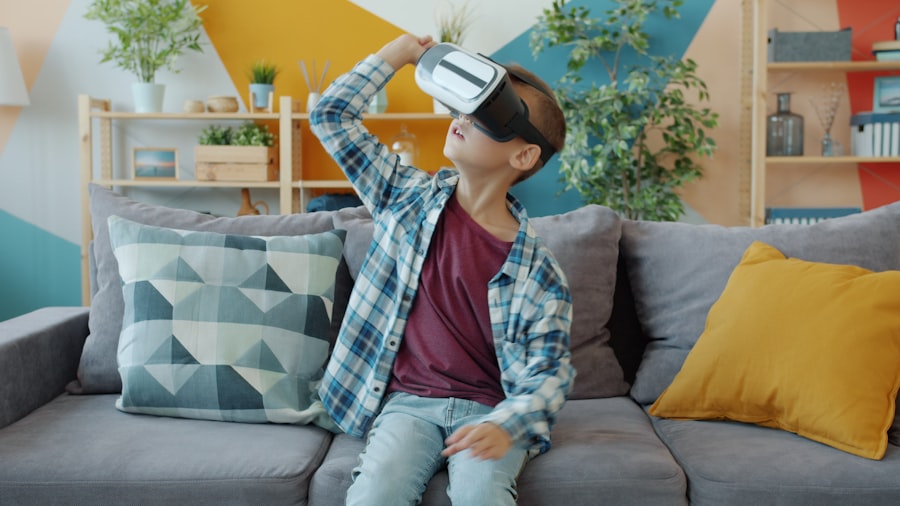
Technology plays a pivotal role in shaping discussions around simulation theory. As virtual reality (VR) and augmented reality (AR) technologies advance, they offer tangible experiences that challenge perceptions of reality. These technologies allow users to immerse themselves in digital environments that can feel remarkably real, prompting reflections on what constitutes genuine experience.
The increasing sophistication of these technologies raises questions about the potential for future simulations to replicate not only sensory experiences but also consciousness itself. Moreover, advancements in artificial intelligence have led to discussions about machine consciousness and sentience. If machines can exhibit behaviors akin to human thought processes or emotions, it raises ethical considerations regarding their treatment and rights within a simulated framework.
As technology continues to evolve at an unprecedented pace, it becomes increasingly important to consider how these developments intersect with philosophical inquiries about existence and reality.
Simulation Theory in Popular Culture
Simulation theory has permeated popular culture in various forms, capturing the imagination of audiences through literature, film, and video games. Iconic works such as “The Matrix” have popularized the concept by depicting dystopian futures where humanity exists within a simulated reality controlled by machines. These narratives resonate with viewers by exploring themes of identity, freedom, and resistance against oppressive systems—elements that mirror real-world concerns about technology’s impact on society.
Additionally, video games often serve as interactive explorations of simulated realities. Titles like “The Sims” allow players to create and control virtual lives, prompting reflections on agency and choice within constructed environments. As popular culture continues to engage with simulation theory, it fosters broader discussions about the implications of living in an increasingly digital world where boundaries between reality and simulation blur.
Criticisms and Skepticism of Simulation Theory
Despite its allure, simulation theory faces significant criticisms from various quarters. Skeptics argue that it lacks empirical grounding and relies heavily on speculative reasoning rather than concrete evidence. Critics contend that while philosophical musings about existence are valuable, they should not overshadow the importance of observable phenomena in understanding reality.
This skepticism is rooted in a desire for clarity and certainty in an increasingly complex world. Furthermore, some critics express concern that embracing simulation theory could lead to nihilism or apathy regarding real-world issues. If individuals come to believe that their lives are mere simulations devoid of meaning or consequence, it may undermine their motivation to engage with societal challenges or pursue personal growth.
This critique highlights the potential dangers inherent in adopting a worldview centered around simulation theory without considering its broader implications for human behavior and ethics.
The Ethics of Living in a Simulated Reality
The ethical considerations surrounding simulation theory are multifaceted and complex. If individuals are indeed living within a simulation created by advanced beings or civilizations, questions arise regarding their treatment and rights within that framework. Are simulated beings entitled to autonomy and respect?
What responsibilities do creators have toward their creations? These inquiries challenge traditional ethical frameworks and prompt reflections on the moral implications of creating sentient beings within simulated environments. Moreover, ethical dilemmas may arise concerning how individuals navigate their lives within a simulated reality.
If one accepts that their experiences are part of a larger construct, it raises questions about authenticity and integrity in decision-making. Individuals may grapple with whether their choices hold genuine significance or if they are merely following predetermined paths set by external forces. This ethical tension underscores the importance of considering how beliefs about existence shape human behavior and societal values.
The Search for Proof of Simulation Theory
The quest for proof regarding simulation theory remains an ongoing endeavor within both philosophical and scientific communities. While proponents offer various arguments suggesting our reality may be simulated, definitive evidence remains elusive. Researchers continue to explore avenues for testing hypotheses related to simulation theory through advancements in technology and scientific inquiry.
One potential avenue for investigation involves examining anomalies within physical laws or mathematical frameworks that could indicate underlying structures consistent with a simulated reality. However, such explorations face significant challenges due to the inherent complexity of both physics and consciousness itself. As researchers delve deeper into these inquiries, they must navigate the delicate balance between speculation and empirical evidence—a task that requires both creativity and rigor.
The Future of Simulation Theory and Its Impact on Society
As technology continues to advance at an unprecedented pace, the future of simulation theory remains uncertain yet intriguing. The ongoing development of virtual realities and artificial intelligence may prompt further exploration into what constitutes genuine experience and consciousness. As society grapples with these advancements, discussions surrounding simulation theory will likely become increasingly relevant.
Moreover, as individuals navigate an increasingly digital landscape where boundaries between reality and simulation blur, societal values may shift accordingly. Questions about authenticity, agency, and ethical responsibility will take center stage as people confront the implications of living in an age where simulations become ever more sophisticated. Ultimately, whether one views life as a simulation or not, engaging with these ideas fosters deeper reflections on existence itself—an endeavor that remains timeless in its significance.
This intriguing concept raises questions about the nature of existence and consciousness. For a deeper exploration of related scientific ideas and theories, you can check out this article on Freaky Science, which delves into various thought experiments and philosophical implications surrounding the nature of reality.
WATCH THIS! EXPOSED: This Quantum Physics Secret Proves Reality Is Not Real 🤯
FAQs
What is the simulation theory?
Simulation theory is the hypothesis that reality, including the Earth and the universe, could be an artificial simulation, such as a computer simulation, rather than actual physical reality.
Who popularized the simulation theory?
The simulation theory was popularized by philosopher Nick Bostrom in 2003 through his paper “Are You Living in a Computer Simulation?” where he proposed that future civilizations might run simulations of their ancestors.
What are the main arguments supporting simulation theory?
Supporters argue that advanced civilizations will have immense computing power and may run simulations of their past. If so, the number of simulated realities could vastly outnumber the original reality, making it statistically likely that we live in a simulation.
Is there any scientific evidence for simulation theory?
Currently, there is no direct scientific evidence proving we live in a simulation. Some researchers explore theoretical ways to detect anomalies or “glitches” in physical laws, but these remain speculative.
What implications does simulation theory have for philosophy and science?
Simulation theory challenges our understanding of reality, consciousness, and existence. It raises questions about free will, the nature of consciousness, and the limits of scientific inquiry.
Can simulation theory be tested or falsified?
Testing simulation theory is difficult because any evidence could itself be part of the simulation. Some propose experiments to detect computational limits or patterns in physical constants, but no conclusive test exists yet.
How does simulation theory relate to virtual reality?
Simulation theory extends the concept of virtual reality to a cosmic scale, suggesting that our entire universe might be a sophisticated virtual environment created by an advanced intelligence.
Are there any notable critics of simulation theory?
Yes, some critics argue that simulation theory is unfalsifiable and more philosophical than scientific. Others question the assumptions about future computing power and the motivations of hypothetical simulators.
Does simulation theory imply that our experiences are not real?
If simulation theory is true, our experiences are real within the context of the simulation, but the underlying reality would be artificial or constructed rather than physical in the traditional sense.
What fields study or discuss simulation theory?
Simulation theory is discussed in philosophy, physics, computer science, and cognitive science, often intersecting with topics like artificial intelligence, consciousness, and metaphysics.