
Environmental science, a discipline that can be likened to a grand diagnostic endeavor for our planet, endeavors to comprehend the intricate web of interactions between human actions and the natural world. It is a field forged from the urgent need to understand how our collective footprint shapes ecosystems and to subsequently devise strategies that foster coexistence rather than conflict. This exploration delves into the multifaceted nature of environmental science, illuminating its core principles, methodologies, and the critical inquiries it poses.
Environmental science is not a monolithic entity but rather a synthesis of diverse scientific disciplines. It draws heavily from biology, chemistry, geology, physics, and social sciences to construct a holistic understanding of environmental issues. At its heart lies the recognition that the environment is a complex system where changes in one component can propagate ripple effects throughout.
Interdisciplinary Roots
Environmental science’s interdisciplinary nature is its greatest strength. To study climate change, for instance, one must understand atmospheric physics and chemistry, oceanography, the biology of carbon sequestration, and the economics and sociology of energy consumption and policy. This interwoven approach allows for the examination of problems from multiple angles, preventing a narrow, potentially flawed, perspective. Just as an epidemiologist studies the spread of a disease by considering the pathogen, the host, and the environment, environmental scientists examine environmental degradation by looking at the polluting agent, the affected organism or ecosystem, and the societal drivers.
Defining Key Concepts
- Ecosystems: A fundamental concept is the ecosystem, where living organisms (biotic components) interact with their physical environment (abiotic components) in a specific area. These interactions involve energy flow and nutrient cycling. Understanding the health and functioning of ecosystems is paramount to environmental science.
- Biodiversity: The variety of life on Earth at all its levels, from genes to species to ecosystems, is known as biodiversity. Its preservation is a central tenet of environmental science, as high biodiversity generally correlates with ecosystem resilience and the provision of essential ecosystem services.
- Sustainability: This refers to the ability to meet the needs of the present without compromising the ability of future generations to meet their own needs. It encompasses environmental, social, and economic dimensions, forming a three-legged stool that supports long-term planetary health.
- Environmental Impact Assessment (EIA): A systematic process for evaluating the potential environmental consequences of a proposed project or development before it is carried out. EIAs are crucial tools for identifying and mitigating adverse impacts.
Environmental science is a multidisciplinary field that explores the interactions between the physical, chemical, and biological components of the environment, as well as the impact of human activities on these systems. For a deeper understanding of the various aspects of environmental science, including climate change, biodiversity, and sustainability, you can refer to a related article that provides valuable insights and information. To learn more, visit this link: Environmental Science Insights.
Human Impact: The Anthropogenic Fingerprint on Earth
A significant portion of environmental science is dedicated to unraveling the ways in which human activities alter natural processes. This focus is not accusatory but rather analytical, aiming to quantify and qualify the extent of human influence.
Pollution: A Toxin’s Journey
Human activities release a vast array of substances into the environment, many of which are harmful to living organisms and ecosystem functions.
Air Pollution: Breathing in Trouble
The burning of fossil fuels for energy, industrial processes, and transportation are major sources of air pollutants such as particulate matter, sulfur dioxide, nitrogen oxides, and ground-level ozone. These pollutants have detrimental effects on respiratory health, contribute to acid rain, and play a role in climate change. The atmosphere, often perceived as an infinite sink, is in reality a sensitive membrane that can be overwhelmed by excessive emissions.
- Sources and Types of Air Pollutants: Detailed examination of emission inventories from various sectors is a core activity. This includes identifying primary pollutants (emitted directly) and secondary pollutants (formed through chemical reactions in the atmosphere).
- Health and Environmental Effects: The science investigates dose-response relationships, chronic and acute health impacts, and the long-term degradation of ecosystems due to persistent pollutants. Acid deposition, for example, can leach essential nutrients from soils and mobilize toxic metals.
- Atmospheric Chemistry: Understanding the complex chemical reactions that occur in the atmosphere is crucial for predicting the formation, transport, and deposition of pollutants.
Water Pollution: Contaminating Our Lifeline
Industrial discharge, agricultural runoff, sewage, and plastic waste are primary culprits in the contamination of freshwater and marine environments. These pollutants degrade water quality, harm aquatic life, and can pose risks to human health through contaminated drinking water and consumption of seafood. Rivers and oceans, once vast and seemingly resilient, are now showing signs of strain from this constant influx.
- Point Source vs. Non-Point Source Pollution: Distinguishing between pollution stemming from identifiable sources (e.g., factory pipes) and diffuse sources (e.g., agricultural fields) is essential for effective management.
- Impact on Aquatic Ecosystems: Studies focus on eutrophication (nutrient enrichment leading to algal blooms and oxygen depletion), biomagnification of toxins up the food chain, and the physical impact of plastics on marine life.
- Groundwater Contamination: The slow movement of water beneath the surface means that contamination of groundwater can have long-lasting and widespread consequences, often going undetected for years.
Soil Degradation: Eroding the Earth’s Skin
Intensive agriculture, deforestation, and industrial activities can lead to soil erosion, nutrient depletion, salinization, and contamination with heavy metals and chemicals. Healthy soil is the foundation of terrestrial ecosystems and food production, and its degradation undermines both. The soil, a living tapestry of microorganisms and organic matter, is being stripped away by unsustainable practices.
- Erosion Mechanisms: Investigating the physical processes of wind and water erosion, and their acceleration due to land use changes.
- Nutrient Cycling and Depletion: Understanding how agricultural practices impact essential nutrient cycles and can lead to a depletion of soil fertility.
- Contamination and Remediation: Identifying and assessing the risks associated with chemical and heavy metal contamination and exploring methods for soil cleanup.
Climate Change: A Warming World
The increased concentration of greenhouse gases, primarily carbon dioxide and methane, in the atmosphere due to the burning of fossil fuels and land-use changes, is causing a global rise in average temperatures. This warming trend is disrupting weather patterns, leading to sea-level rise, and increasing the frequency and intensity of extreme weather events. The planet’s thermostat is being cranked up, with consequences felt across all its systems.
- Greenhouse Gas Emissions: Quantifying emissions from various sources and understanding their atmospheric lifetimes and warming potentials.
- Climate Modeling: Developing and utilizing complex computer models to simulate past, present, and future climate scenarios, accounting for various feedback mechanisms.
- Impacts on Ecosystems and Human Societies: Documenting observed changes in global temperatures, precipitation patterns, ice melt, and their cascading effects on biodiversity, agriculture, water resources, and human health.
Habitat Destruction and Fragmentation: Unraveling the Green Tapestry
The conversion of natural landscapes for agriculture, urbanization, and resource extraction results in the loss and fragmentation of habitats. This directly threatens biodiversity by reducing the space available for species to live, find food, and reproduce, and by isolating populations, hindering gene flow and increasing their vulnerability. The once continuous green fabric of the earth is being torn and rewoven into disconnected patches.
- Land Use Change Analysis: Employing remote sensing and geographic information systems (GIS) to map and quantify land cover changes over time.
- Impacts on Species Populations: Studying how habitat loss and fragmentation affect species abundance, distribution, and genetic diversity.
- Conservation Biology: Developing strategies to protect endangered species and restore degraded habitats, often involving the establishment of protected areas and wildlife corridors.
Methodologies in Environmental Science: The Tools of Investigation
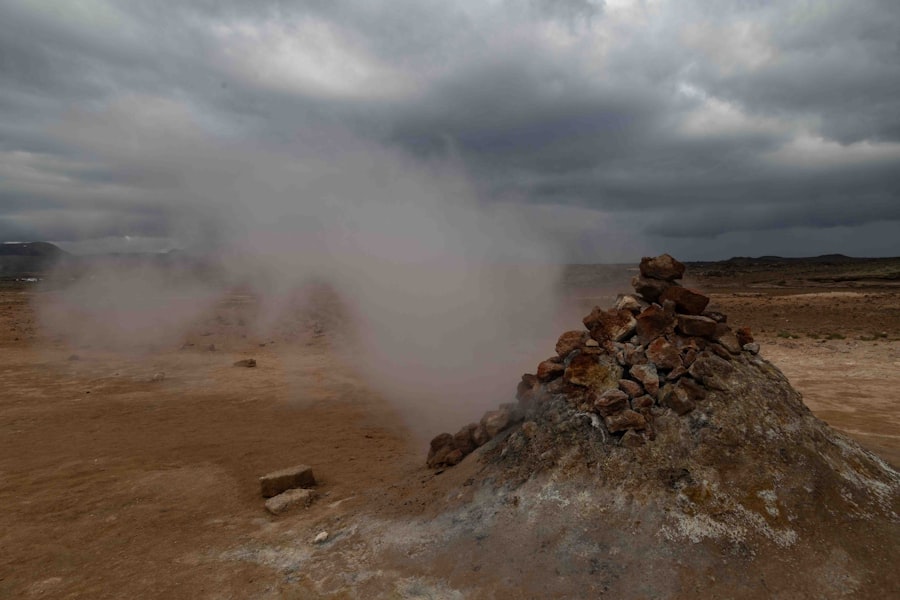
Environmental science employs a diverse array of scientific methods to gather data, analyze trends, and develop solutions.
Field Research: On the Ground Discoveries
Collecting data directly from the environment is a cornerstone of environmental science. This involves meticulous observation, sampling, and measurement in natural settings.
Sampling and Monitoring: Taking the Earth’s Pulse
- Water and Air Sampling: Techniques for collecting representative samples of air and water to analyze for pollutants, nutrients, and other chemical constituents. This might involve deploying sensors for continuous monitoring or collecting discrete samples for laboratory analysis.
- Soil Sampling: Methods for collecting soil samples to assess fertility, contamination levels, and microbial activity. Soil corers and transect sampling are common techniques.
- Biodiversity Surveys: Techniques like transect counts, point counts, camera trapping, and eDNA analysis to assess the diversity and abundance of plant and animal species.
Remote Sensing and GIS: A Bird’s-Eye View
Satellites and aerial photography provide a broad perspective, allowing scientists to monitor large-scale environmental changes over time. Geographic Information Systems (GIS) are used to analyze and visualize spatial data.
- Satellite Imagery Analysis: Interpreting images from satellites to map land cover, track deforestation, monitor ocean temperatures, and assess the extent of natural disasters.
- Spatial Data Integration: Combining various datasets (e.g., population density, land use, pollution levels) within a GIS framework to identify patterns and relationships.
- Environmental Modeling with GIS: Using GIS to create predictive models, such as identifying areas at high risk of erosion or predicting the spread of invasive species.
Laboratory Analysis: Unraveling the Chemical and Biological Secrets
Environmental samples are brought to laboratories for detailed analysis. This is where the microscopic world of chemical reactions and biological processes is dissected.
Chemical Analysis: The Molecular Fingerprint
Sophisticated analytical instruments are used to identify and quantify chemical compounds in environmental samples.
- Spectroscopy: Techniques like atomic absorption spectroscopy and mass spectrometry to identify and measure the concentration of elements and compounds.
- Chromatography: Methods like gas chromatography and liquid chromatography to separate and analyze complex mixtures of chemicals.
- Water Quality Testing: Standardized tests for parameters such as pH, dissolved oxygen, turbidity, and nutrient levels.
Biological Analysis: The Life Within
Microscopes and molecular techniques are used to study the organisms that inhabit our environment and their interactions.
- Microbial Ecology Studies: Investigating the role of bacteria, fungi, and other microorganisms in nutrient cycling and pollutant degradation.
- Ecotoxicology: Assessing the effects of toxic substances on living organisms, often through controlled laboratory experiments.
- DNA Analysis: Using genetic techniques to identify species, assess population genetic diversity, and track the spread of pathogens.
Modeling and Simulation: Predicting the Future
Computer models are essential for understanding complex environmental systems and predicting future trends. They allow scientists to test hypotheses and explore scenarios that would be impossible to replicate in the real world.
Predictive Modeling: Forecasting Environmental Futures
- Climate Models: As mentioned earlier, these models project future climate scenarios based on different emissions pathways.
- Ecological Models: Simulating the dynamics of populations, species interactions, and ecosystem processes to understand how they might respond to environmental changes.
- Pollution Dispersion Models: Predicting how pollutants will spread through the atmosphere, water, or soil.
Scenario Analysis: “What If?” Questions for the Planet
- Policy Impact Modeling: Assessing the potential environmental consequences of different policies (e.g., carbon taxes, renewable energy subsidies).
- Resource Management Scenarios: Exploring the sustainability of different resource extraction and utilization strategies.
Examining Key Environmental Challenges: Pressing Issues Demand Solutions

Environmental science grapples with numerous urgent challenges that have profound implications for the planet’s future.
Loss of Biodiversity: The Silent Extinction
The ongoing decline in the variety of life on Earth is a critical concern. This loss weakens ecosystems, reduces their ability to provide essential services, and diminishes the intrinsic value of the natural world. The vast library of life is being systematically de-catalogued.
Drivers of Biodiversity Loss
- Habitat Loss and Degradation: As discussed, this remains the primary driver.
- Overexploitation: Unsustainable hunting, fishing, and harvesting of plant and animal species.
- Invasive Species: The introduction of non-native species that outcompete or prey on native organisms.
- Pollution: Contamination of air, water, and soil harms vulnerable species.
- Climate Change: Shifting habitats and extreme weather events stress species beyond their adaptive capacities.
Consequences of Biodiversity Loss
- Ecosystem Instability: Loss of key species can trigger cascading failures within ecosystems.
- Loss of Ecosystem Services: Reduced provision of clean air and water, pollination, soil formation, and climate regulation.
- Impact on Human Well-being: Diminished opportunities for ecotourism, bioprospecting, and the cultural and spiritual connections humans have with nature.
Water Scarcity and Management: The Thirst of a Growing World
Many regions face increasing water stress due to growing populations, inefficient agricultural practices, and the impacts of climate change on water availability. Sustainable water management is crucial for human survival and ecosystem health. The planet’s water cycle, once a predictable rhythm, is becoming increasingly erratic.
Causes of Water Scarcity
- Population Growth: Increased demand for drinking water, sanitation, and agriculture.
- Inefficient Irrigation: Agriculture accounts for a significant portion of global water use, and much of it is lost through evaporation and runoff.
- Pollution of Water Sources: Contamination renders water unusable.
- Climate Change: Changes in precipitation patterns, increased evaporation, and glacial melt affect water availability.
Strategies for Water Management
- Water Conservation: Promoting efficient water use in agriculture, industry, and households.
- Water Recycling and Reuse: Treating wastewater for non-potable uses.
- Desalination: Converting saltwater into freshwater, although this is energy-intensive.
- Integrated Water Resources Management: A holistic approach that considers all aspects of water use and management within a river basin or watershed.
Deforestation and Land Degradation: Losing Our Green Lungs
The clearing of forests for timber, agriculture, and development has severe environmental consequences, including soil erosion, loss of biodiversity, and contribution to climate change. The planet’s essential respiratory system is being compromised.
Drivers of Deforestation
- Agricultural Expansion: Clearing land for crops and livestock grazing.
- Logging and Timber Extraction: Unsustainable harvesting of wood products.
- Infrastructure Development: Roads, dams, and urban expansion.
- Fires: Both natural and human-induced fires can lead to extensive forest loss.
Consequences of Deforestation
- Reduced Carbon Sequestration: Forests play a vital role in absorbing carbon dioxide from the atmosphere.
- Soil Erosion and Desertification: Loss of tree cover exposes soil to wind and water, leading to erosion and potential desertification.
- Loss of Habitat and Biodiversity: Forests harbor a vast array of species.
- Disruption of Water Cycles: Forests influence local and regional rainfall patterns.
Environmental science is a multidisciplinary field that examines the interactions between the natural world and human activities, focusing on issues such as climate change, pollution, and biodiversity loss. A related article that delves deeper into these critical topics can be found at Freaky Science, which offers insights into innovative solutions and the latest research in environmental sustainability. By understanding these complex relationships, we can better address the challenges facing our planet and work towards a more sustainable future.
Finding Sustainable Solutions: Charting a Course for the Future
| Metric | Description | Example Value | Unit |
|---|---|---|---|
| Carbon Footprint | Amount of CO2 emissions produced by an individual, organization, or product | 4.5 | metric tons CO2/year |
| Air Quality Index (AQI) | Measurement of air pollution levels and their impact on health | 75 | Index (0-500) |
| Biodiversity Index | Indicator of species diversity in a given ecosystem | 0.85 | Index (0-1) |
| Water Usage | Amount of water consumed by households or industries | 150 | liters per capita per day |
| Renewable Energy Usage | Percentage of total energy consumption derived from renewable sources | 30 | % |
| Deforestation Rate | Annual loss of forest area due to human activities | 10,000 | hectares per year |
| Waste Recycling Rate | Percentage of total waste that is recycled | 45 | % |
Environmental science is not solely about identifying problems; it is fundamentally about developing and implementing solutions that allow humanity and nature to thrive in harmony.
Renewable Energy: Powering a Greener Tomorrow
Transitioning from fossil fuels to renewable energy sources like solar, wind, geothermal, and hydropower is essential for mitigating climate change and reducing air pollution. This is akin to switching from a polluting, finite fuel source to one that is clean and perpetually replenished.
Types of Renewable Energy
- Solar Energy: Harnessing the sun’s rays through photovoltaic panels or concentrated solar power systems.
- Wind Energy: Utilizing wind turbines to convert wind into electricity.
- Geothermal Energy: Tapping into the Earth’s internal heat.
- Hydropower: Generating electricity from flowing water, though large dams can have ecological impacts.
Challenges and Opportunities
- Intermittency: The variable nature of solar and wind power requires solutions for energy storage and grid integration.
- Cost and Infrastructure: Initial investment in renewable energy infrastructure can be significant.
- Technological Advancements: Ongoing innovation is driving down costs and improving the efficiency of renewable energy technologies.
Conservation and Restoration: Healing the Wounds
Protecting existing natural areas and restoring degraded ecosystems are vital for preserving biodiversity and ecosystem services. This involves a proactive approach to safeguarding the planet’s natural capital.
Conservation Strategies
- Protected Areas: Establishing national parks, wildlife reserves, and marine protected areas.
- Species Protection Programs: Efforts to save endangered species from extinction.
- Sustainable Land Management: Promoting practices that prevent soil degradation and conserve water.
Restoration Ecology
- Reforestation and Afforestation: Planting trees in degraded areas.
- Wetland Restoration: Re-establishing the ecological functions of wetlands.
- Habitat Reconstruction: Creating or improving habitats to support wildlife.
Circular Economy and Waste Management: Closing the Loop
Moving away from a linear “take-make-dispose” model towards a circular economy that emphasizes waste reduction, reuse, and recycling is crucial for minimizing resource depletion and pollution. Every item’s life cycle is now viewed as a continuous loop rather than a straight line to the landfill.
Principles of the Circular Economy
- Design for Longevity and Repair: Products are designed to last and be easily repaired.
- Reuse and Refurbishment: Giving products a second life.
- Recycling and Upcycling: Transforming waste materials into new products.
Innovations in Waste Management
- Advanced Recycling Technologies: Developing more efficient methods for processing various types of waste.
- Waste-to-Energy Technologies: Converting non-recyclable waste into energy.
- Biodegradable and Compostable Materials: Developing alternatives to traditional plastics.
Policy and Governance: The Framework for Action
Effective environmental policies and governance structures are essential for driving sustainable practices and protecting the environment. This involves international cooperation, national legislation, and local initiatives.
International Agreements and Frameworks
- Paris Agreement: A global accord to limit greenhouse gas emissions.
- Convention on Biological Diversity (CBD): Promoting the conservation of biodiversity.
National and Local Initiatives
- Environmental Regulations: Laws governing pollution, resource extraction, and land use.
- Incentive Programs: Encouraging sustainable practices through tax credits and subsidies.
- Public Awareness Campaigns: Educating citizens about environmental issues and promoting behavioral change.
The study of environmental science, therefore, offers a critical lens through which to view our planet’s present condition and to shape its future. It is a call to informed action, underpinned by rigorous scientific inquiry and a deep respect for the intricate, interconnected systems that sustain all life. The health of our environment is inextricably linked to our own, and understanding the science behind these connections is the first step towards ensuring a thriving planet for generations to come.
FAQs
What is environmental science?
Environmental science is the interdisciplinary study of the environment and the solutions to environmental problems. It combines biology, chemistry, physics, geology, and social sciences to understand how natural and human systems interact.
Why is environmental science important?
Environmental science is important because it helps us understand the impact of human activities on the environment, promotes sustainable resource use, and guides policies to protect ecosystems and public health.
What are the main areas of study within environmental science?
The main areas include ecology, conservation biology, environmental chemistry, atmospheric science, geology, and environmental policy and management.
How does environmental science address pollution?
Environmental science studies the sources, effects, and control of pollutants in air, water, and soil. It develops methods to reduce pollution and mitigate its impact on ecosystems and human health.
What careers can one pursue with a degree in environmental science?
Careers include environmental consultant, conservation scientist, environmental educator, wildlife biologist, environmental engineer, and roles in government agencies or non-profit organizations focused on environmental protection.