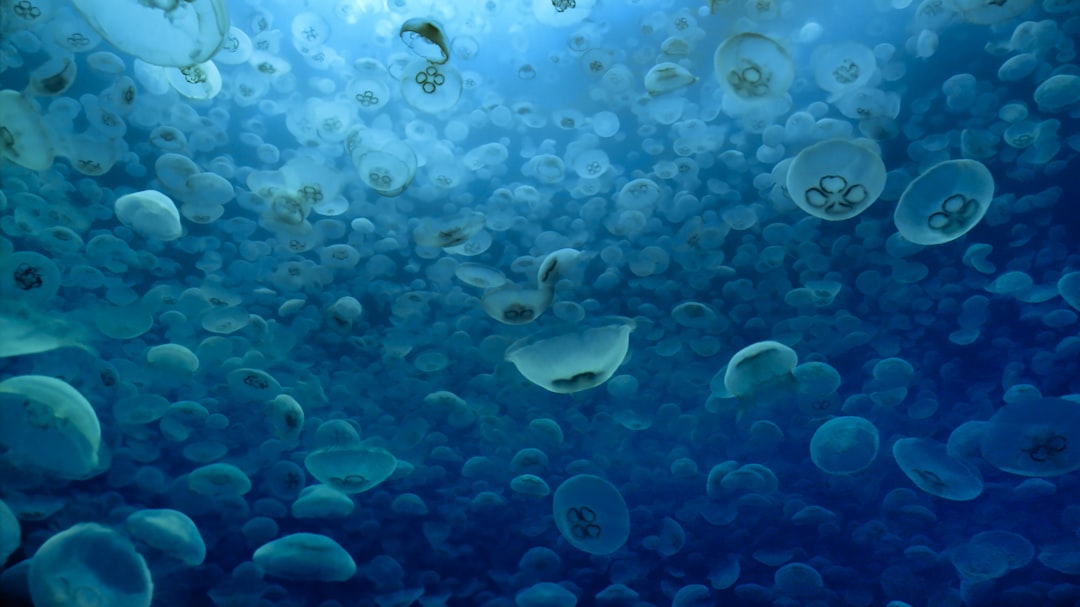
The abyss, a realm of perpetual twilight and crushing pressure, beckons with an allure that has captivated human imagination for centuries. While the surface of our planet teems with life, it is in the unfathomable depths of the ocean that some of the most bizarre, beautiful, and resilient creatures have evolved. Exploring this mysterious world is a journey into the extraordinary, a testament to life’s tenacity and its boundless capacity for adaptation. Scientists, armed with cutting-edge technology, are steadily peeling back the layers of this enigmatic frontier, revealing a biodiversity that often defies earthly comprehension.
The sheer force of water pressing down in the deep sea is perhaps its most defining and challenging characteristic. As one descends, the atmospheric pressure at sea level, a familiar 1 atmosphere (atm), rapidly escalates. For every 10 meters of depth, the pressure increases by approximately 1 atm. This means that at the bottom of the Mariana Trench, the deepest known part of the ocean, the pressure is over 1,000 times greater than at the surface – equivalent to the weight of 50 jumbo jets stacked on a human. This immense pressure dictates the very nature of life that can exist and thrive in these environments.
Biomechanics and Structural Adaptations
The evolutionary response to such crushing forces has resulted in remarkable biological adaptations. Deep-sea organisms often lack gas-filled organs like swim bladders, which would collapse under extreme pressure. Instead, many possess bodies composed of gelatinous tissues with high water content, making them less susceptible to compression. Their skeletal structures are often reduced or cartilaginous, offering flexibility rather than rigidity.
The Role of Water Content
The high water content in deep-sea animals is crucial for their survival. Water is largely incompressible, meaning that by having bodies predominantly made of it, these creatures can better withstand the external pressure. This gelatinous consistency also helps with buoyancy, reducing the need for energy-intensive mechanisms to stay afloat.
Flexible Skeletons and Reduced Bone Density
While some deep-sea fish possess skeletons, they are typically much lighter and more flexible than those of their shallow-water counterparts. This allows their bodies to deform slightly under pressure without sustaining damage. In some cases, bones are replaced with cartilage, a softer and more resilient material. This adaptation is not just about withstanding pressure; it also contributes to energy conservation in an environment where food is scarce.
Physiological Mechanisms for Pressure Tolerance
Beyond structural changes, deep-sea animals have developed intricate physiological mechanisms to cope with high pressure. Their cellular membranes and biochemical processes are finely tuned to function optimally under these conditions.
Enzyme Function Under Pressure
Enzymes, the protein catalysts that drive all biological reactions, can be sensitive to pressure changes. Deep-sea organisms have evolved enzymes that are either pressure-resistant or can even be activated by increased pressure. This ensures that vital metabolic processes continue to function even in the extreme environment.
Membrane Fluidity and Protein Stability
The fluidity of cellular membranes, crucial for nutrient transport and signal transduction, can be significantly affected by pressure. Deep-sea animals often have higher proportions of unsaturated fatty acids in their cell membranes, which maintain fluidity at high pressures. Similarly, the structural integrity of proteins is maintained through various molecular adaptations.
Deep sea animals are some of the most fascinating and mysterious creatures on our planet, adapted to survive in extreme conditions. For those interested in learning more about these unique organisms and their incredible adaptations, you can read a related article that delves into the wonders of deep sea life. Check it out here: Deep Sea Animals: Adaptations and Survival.
The Absence of Sunlight: The Realm of Bioluminescence and Sensory Adaptations
The deep sea is a world of eternal darkness, with sunlight unable to penetrate beyond the upper layers of the ocean. This profound lack of light has driven the evolution of extraordinary sensory systems and unique strategies for survival, most notably the widespread phenomenon of bioluminescence.
Bioluminescence: Nature’s Own Light Show
Bioluminescence, the production of light by living organisms, is a common adaptation in the deep sea, serving a multitude of purposes. It is a crucial tool for communication, predation, defense, and even finding mates in an environment where visual cues are otherwise absent.
Predatory Lures and Illusions
Many deep-sea predators use bioluminescent lures to attract unsuspecting prey. The anglerfish, perhaps the most iconic example, possesses a modified dorsal spine that dangles a glowing lure above its formidable jaws. Other creatures create dazzling displays to disorient or momentarily blind their attackers, allowing for an escape.
Communication and Mating Signals
Bioluminescence also plays a vital role in social interactions. Certain species flash specific patterns to identify themselves, signal their reproductive status, or warn off rivals. The intricate light displays can be as complex as any visual language spoken on land.
Camouflage and Counter-illumination
Paradoxically, bioluminescence can also be used for camouflage. Some animals emit light from their undersides, a process known as counter-illumination. This creates a faint glow that matches the dim light filtering from the surface, making them less visible to predators lurking below.
Specialized Sensory Organs
In the absence of light, other senses become paramount. Deep-sea animals have developed highly specialized organs to detect prey, navigate their environment, and avoid danger.
Enhanced Hearing and Vibration Detection
The sense of hearing is often highly developed in deep-sea creatures. They can detect the faint vibrations of prey moving through the water, allowing them to locate food even in complete darkness. Lateral line systems, which are sensitive to water movement, are common and highly refined.
Chemoreception: The Power of Smell and Taste
Chemoreception, the ability to detect chemical cues, is another crucial sense in the deep sea. Many animals possess highly sensitive olfactory organs that can detect the presence of food or potential mates from vast distances. This allows them to navigate and forage effectively.
The Lateral Line System
The lateral line system, a series of pores and canals along the sides of a fish’s body, is a sophisticated sensory organ. It detects pressure waves and vibrations in the water, providing information about the surrounding environment, including the presence and movement of other organisms.
Food Scarcity and Unique Feeding Strategies
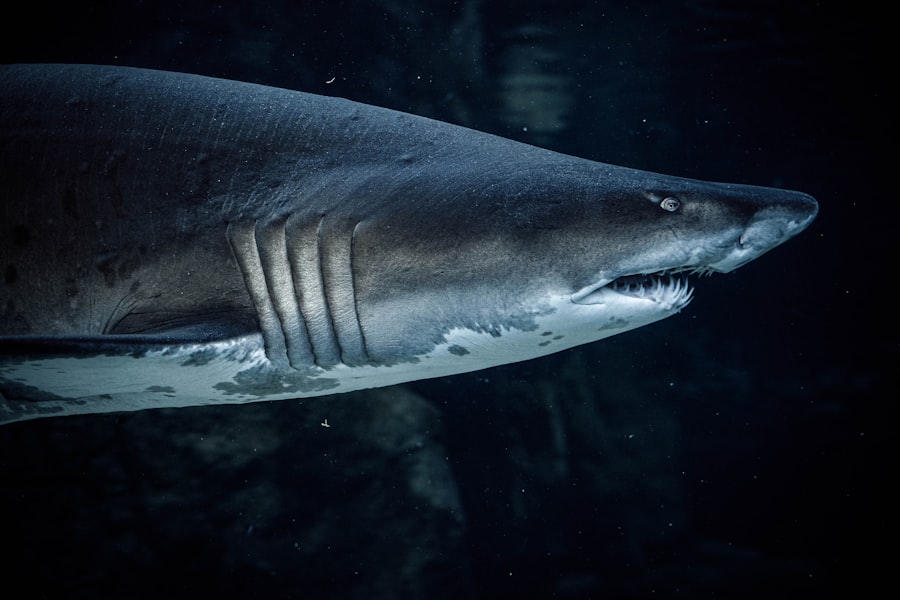
The deep sea is characterized by a profound scarcity of food. Sunlight is absent, meaning no photosynthesis occurs to form the base of a productive food web. The primary food source for the deep sea is “marine snow” – the continuous shower of organic detritus from the upper ocean. This limited food availability has led to the evolution of a remarkable array of feeding strategies, emphasizing efficiency and opportunistic consumption.
The “Sit-and-Wait” Predator
Many deep-sea predators are ambush predators, conserving energy by remaining motionless and waiting for prey to come to them. Their adaptations often include large mouths, sharp teeth, and a remarkable ability to detect the slightest movement or chemical signal.
Energy Conservation Through Inactivity
In an environment where calories are precious, conserving energy is paramount. The “sit-and-wait” strategy minimizes the energy expenditure required for active hunting, allowing these animals to survive on infrequent meals.
Efficient Digestion and Nutrient Absorption
When a meal is finally secured, it is often a significant event. Deep-sea animals have evolved digestive systems that are highly efficient at extracting every possible nutrient from their prey. Their stomachs can often expand to accommodate surprisingly large meals.
Scavenging and Detritivory
For many deep-sea inhabitants, scavenging and feeding on marine snow are essential survival strategies. These animals play a crucial role in the deep-sea ecosystem by recycling organic matter.
The Role of Detritivores
Detritivores, such as sea cucumbers and some amphipods, actively consume organic debris that settles on the ocean floor. This process is vital for nutrient cycling and preventing the accumulation of dead organic material.
Opportunistic Scavengers
Many deep-sea creatures are opportunistic scavengers, feeding on any dead organisms they encounter. Their ability to detect carrion from afar is a testament to their highly developed senses.
Specialized Mouths and Feeding Appendages
The diverse feeding strategies are reflected in the equally diverse forms of mouths and feeding appendages found in deep-sea animals. These adaptations are honed to capture and consume the limited food sources available.
Expandable Jaws and Enormous Mouths
Some deep-sea fish possess jaws that can unhinge and expand to an astonishing degree, allowing them to swallow prey larger than themselves. This is a crucial adaptation when meals are rare and must be fully utilized.
Filter Feeding and Raptorial Appendages
Other animals, like some species of jellyfish and siphonophores, are filter feeders, capturing plankton and small organisms from the water. Others, like certain crustaceans, have evolved specialized raptorial appendages for snatching prey.
Extreme Environments and Unique Habitats
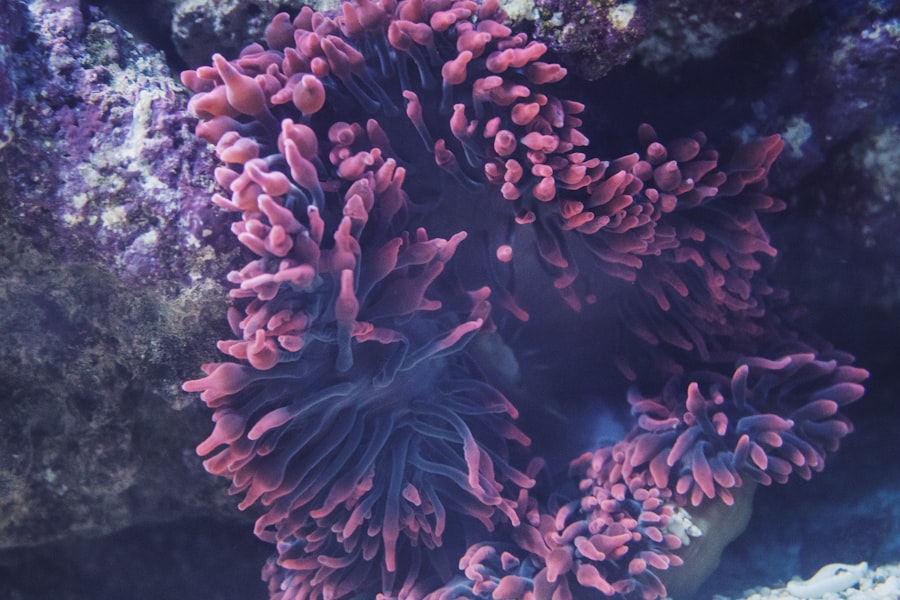
The deep sea is not a monolithic environment; it encompasses a variety of extreme habitats, each with its own unique set of challenges and inhabitants. From hydrothermal vents to abyssal plains, these distinct ecosystems support a surprising diversity of life.
Hydrothermal Vents: Oases of Life in the Darkness
Hydrothermal vents, fissures on the seafloor where superheated, mineral-rich water erupts from the Earth’s crust, are astonishing oases of life in the deep sea. In the absence of sunlight, these ecosystems are powered by chemosynthesis, where specialized bacteria convert chemical energy into organic matter.
Chemosynthesis: The Foundation of Vent Ecosystems
Chemosynthetic bacteria, thriving on the sulfur compounds released from the vents, form the base of the food web. These microbes are the primary producers, supporting a unique community of specialized organisms.
Specialized Vent Fauna
Creatures like giant tube worms, blind shrimp, and specialized mussels have evolved to live in close proximity to these vents, tolerating high temperatures and toxic chemicals. These organisms are often endemic to these specific locations.
Abyssal Plains: The Vast, Sedimentary Deserts
The abyssal plains are vast, relatively flat expanses of the ocean floor, covered in fine sediment. While seemingly barren, these areas are home to a variety of burrowing organisms and slow-moving scavengers that subsist on the marine snow that drifts down from above.
Burrowing Organisms and Sediment Dwellers
Many animals on the abyssal plains spend their lives burrowed within the sediment, feeding on organic matter within the substrate. This provides them with protection from predators and a stable environment.
Slow-Moving Detritivores
Creatures like sea cucumbers, starfish, and certain types of worms are common on the abyssal plains. They are slow-moving detritivores, constantly sifting through the sediment for food particles.
The Hadal Zone: The Deepest Trenches
The hadal zone, comprising the deepest ocean trenches, represents the ultimate frontier of exploration. The extreme pressures, low temperatures, and limited food availability in these trenches have led to the evolution of some of the most specialized and resilient life forms on Earth.
Life Under Immense Pressure
Organisms in the hadal zone have evolved remarkable adaptations to survive pressures exceeding 1,000 atmospheres. Their physiology and cellular structures are incredibly specialized to withstand these crushing forces.
Unique Trophic Interactions
The food webs in the hadal zone are often very simple, with a reliance on sunken carcasses and the occasional influx of organic matter. Trophic interactions are highly specialized and adapted to these extreme conditions.
Deep sea animals are some of the most fascinating creatures on our planet, showcasing unique adaptations that allow them to thrive in extreme environments. For those interested in learning more about these mysterious beings, a related article can be found at Freaky Science, which delves into the incredible diversity and survival strategies of deep ocean life. Exploring this topic can reveal the wonders of bioluminescence and the bizarre forms these animals take, sparking curiosity about the depths of our oceans.
The Future of Deep-Sea Exploration and Conservation
| Animal | Depth Range (meters) | Size (meters) | Lifespan (years) |
|---|---|---|---|
| Giant Squid | 300 – 1000 | Up to 13 | Up to 5 |
| Vampire Squid | 600 – 900 | Up to 30 cm | Up to 3 |
| Goblin Shark | 200 – 1200 | Up to 3.8 | Up to 35 |
| Anglerfish | 200 – 2000 | Up to 1 | Up to 10 |
Despite significant advancements, the vast majority of the deep sea remains unexplored. The ongoing quest to understand these alien worlds is driven by scientific curiosity, the potential for novel biological discoveries, and the growing recognition of the deep sea’s ecological importance. However, this exploration also brings with it a responsibility for conservation.
Technological Innovations Driving Discovery
The development of sophisticated submersibles, remotely operated vehicles (ROVs), and autonomous underwater vehicles (AUVs) has revolutionized deep-sea exploration. These technologies allow scientists to access greater depths, collect samples, and conduct research with unprecedented precision.
ROVs and Submersibles
Remotely operated vehicles, controlled from the surface, and manned submersibles provide direct access to the deep ocean. These vehicles are equipped with cameras, manipulators, and sampling devices, enabling detailed observation and collection.
Advanced Sonar and Imaging Technologies
Innovative sonar and imaging technologies allow for the mapping of the seafloor and the detection of underwater features over vast areas. This aids in identifying potential areas of interest for further investigation.
The Importance of Deep-Sea Biodiversity
The deep sea harbors a wealth of biodiversity, much of which is yet to be discovered. This untapped genetic reservoir holds immense potential for scientific advancements in medicine, biotechnology, and other fields.
Unlocking Medicinal and Biotechnological Potential
Many deep-sea organisms produce unique biochemical compounds with potential medicinal properties, such as antibiotics and anti-cancer agents. Understanding these organisms could lead to groundbreaking discoveries.
Ecological Roles and Ecosystem Services
The deep sea plays a vital role in regulating global climate and nutrient cycles. Understanding its ecosystems is crucial for comprehending the health of the entire planet.
Threats to the Deep-Sea Environment
Human activities, including deep-sea mining, bottom trawling, and pollution, pose significant threats to the fragile deep-sea environment. The slow growth and reproduction rates of many deep-sea species make them particularly vulnerable to these disturbances.
Deep-Sea Mining and its Potential Impacts
The prospect of deep-sea mining for valuable minerals raises serious concerns about habitat destruction, sediment plumes, and the potential release of toxic substances. The long-term consequences of these activities are largely unknown.
Pollution and Plastic Debris
The accumulation of pollution, including microplastics, is increasingly evident in the deep sea, impacting marine life and potentially entering the food web.
The Imperative for Conservation
As our knowledge of the deep sea expands, so too does the imperative for its conservation. Establishing marine protected areas, regulating harmful fishing practices, and mitigating pollution are crucial steps in safeguarding this extraordinary and vital part of our planet for future generations. The mysterious world of deep-sea animals, with its alien beauty and incredible resilience, deserves our protection and continued wonder.

The Deeper You Go, the Less Life Looks Like Life
FAQs
What are deep sea animals?
Deep sea animals are creatures that live in the ocean at depths of 200 meters or more. These animals have adapted to survive in extreme conditions such as high pressure, cold temperatures, and little to no sunlight.
What types of animals live in the deep sea?
The deep sea is home to a wide variety of animals including fish, squid, jellyfish, octopuses, and crustaceans. Many of these animals have unique adaptations such as bioluminescence, transparent bodies, and specialized sensory organs.
How do deep sea animals survive in such extreme conditions?
Deep sea animals have evolved a range of adaptations to survive in their harsh environment. These adaptations include the ability to withstand high pressure, low temperatures, and a lack of food. Some animals also have specialized organs for detecting bioluminescent light and others have unique ways of capturing prey.
What are some examples of deep sea animals?
Examples of deep sea animals include the anglerfish, gulper eel, vampire squid, and giant isopod. These animals have fascinating adaptations that allow them to thrive in the deep ocean.
Why are deep sea animals important?
Deep sea animals play a crucial role in the marine ecosystem, contributing to biodiversity and serving as a food source for other marine creatures. Studying deep sea animals also provides valuable insights into how life can adapt and thrive in extreme environments.