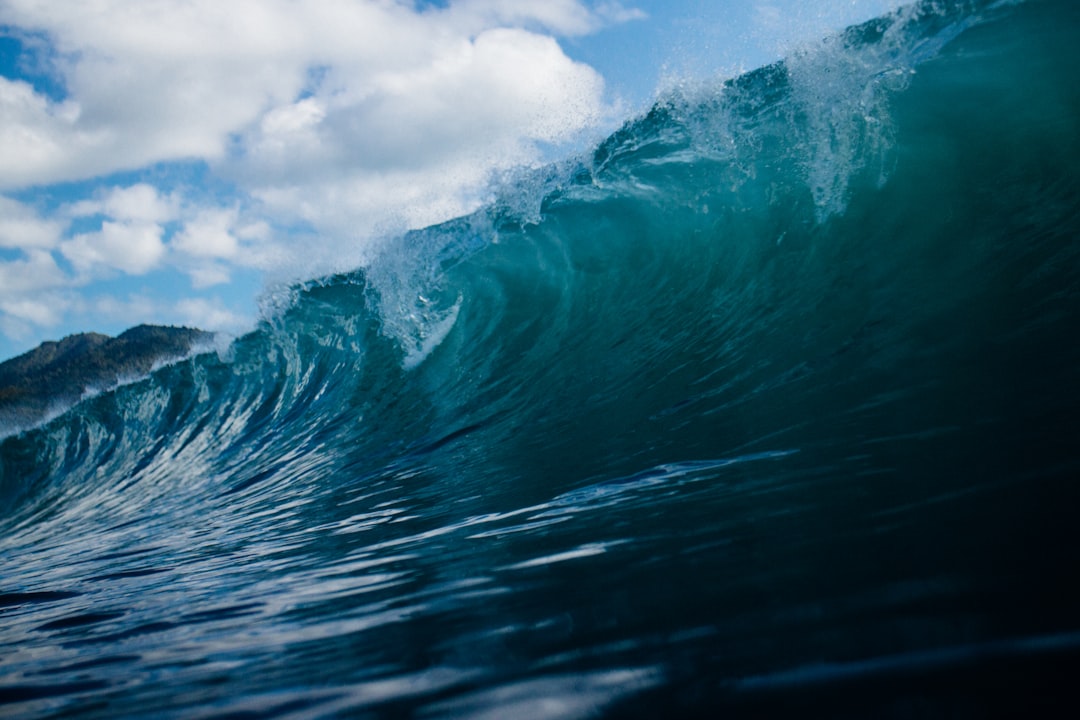
The hushed darkness of the cinema screen shimmered to life, not with the familiar vibrant hues of terrestrial landscapes, but with an inky blackness punctuated by the ethereal glow of bioluminescent creatures. This was the immersive experience offered by “Exploring the Mysterious Depths: A Deep Ocean Documentary,” a cinematic journey that promised to peel back the veil on Earth’s last frontier. The documentary, lauded for its cutting-edge visual technology and meticulous scientific research, invited audiences to plunge into the crushing pressures and profound silence of the abyss, a realm as alien and awe-inspiring as any extraterrestrial world.
The initial segments of the documentary focused on the sheer audacity of human endeavor in reaching these extreme environments. Specialized submersibles, engineered with robust titanium hulls and state-of-the-art lighting systems, were showcased. Their deployment from research vessels, dwarfed by the vast expanse of the ocean, served as a poignant reminder of humanity’s small stature against the immensity of nature. The narration guided viewers through the initial descent, emphasizing the increasing pressure, the drop in temperature, and the gradual extinguishing of sunlight, a transition from the familiar to the profoundly alien.
Engineering for Extremes: The Technology of Deep-Sea Exploration
The documentary dedicated a significant portion to detailing the technological marvels that enable exploration of the deep ocean. Viewers were treated to intricate animations and actual footage of the design and construction of these specialized vehicles. The sheer engineering challenges were laid bare: the need to withstand pressures equivalent to stacking hundreds of elephants on a postage stamp, the development of specialized cameras and sensors capable of capturing images in near-total darkness, and the sophisticated life support systems that keep human explorers alive. The segment highlighted innovations like remotely operated vehicles (ROVs) and autonomous underwater vehicles (AUVs), which extend our reach even further into regions inaccessible to human-crewed submersibles. The evolution from early, rudimentary bathyscaphes to the sophisticated multi-million-dollar vessels of today underscored the relentless human drive to understand the unknown. The filmmakers meticulously explained the mechanics of hydraulic arms for sample collection, the sonar systems for mapping the seabed, and the intricate communication systems that allow for real-time data transmission from the ocean floor. The dedication of the engineers and scientists who push these boundaries was palpable, their passion for discovery resonating through the interviews.
The Midnight Zone: Life Beyond Sunlight
As the submersibles descended further, the documentary entered the mesopelagic, or “midnight,” zone. Here, the last vestiges of sunlight vanish, and the environment becomes one of perpetual twilight and then complete darkness. The film masterfully used specialized low-light cameras to reveal a world teeming with life, adapted to this unforgiving habitat. Bioluminescence, a phenomenon previously glimpsed, was now presented in its full glory.
The Art of Light: Bioluminescence as a Survival Tool
The documentary explained the complex biochemical processes behind bioluminescence, showcasing a dazzling array of organisms that produce their own light. Anglerfish, with their luminous lures, were depicted patiently waiting for unsuspecting prey. Vampire squid, capable of ejecting clouds of bioluminescent mucus to disorient predators, put on a breathtaking display. The narration elucidated the diverse functions of this internal illumination: attracting mates, startling predators, and even camouflaging themselves against the faint light filtering down from above. The visual spectacle was astounding, with delicate jellyfish pulsing with otherworldly light and schools of small fish flashing in unison, creating ephemeral constellations in the perpetual night. The filmmakers did an exceptional job of not just showing these phenomena but explaining the evolutionary pressures that led to such remarkable adaptations. The audience gained a deeper appreciation for the intricate chemical reactions and specialized organs that allow these creatures to thrive in an environment devoid of external light sources.
Adapting to Pressure: The Physiology of Deep-Sea Life
The documentary then delved into the physiological adaptations that allow life to survive the immense pressure of the deep sea. Specialized enzyme structures, the ability to regulate osmotic pressure, and the absence of air-filled cavities were explained. The audience was introduced to the peculiar forms of deep-sea fish, many with gelatinous bodies and reduced skeletons, adaptations that help them withstand the crushing weight of the water column. The narrative highlighted the scientific curiosity surrounding these adaptations, with researchers actively studying these organisms to understand the fundamental limits of life. The sheer resilience of these creatures, surviving in conditions that would instantly obliterate any terrestrial organism, was a recurring theme, fostering a sense of wonder and respect for the ingenuity of evolution. The filmmakers presented interviews with marine biologists who are actively researching the unique protein structures and cellular mechanisms that prevent these organisms from being crushed.
If you’re fascinated by the mysteries of the deep ocean, you might find the article on Freaky Science particularly intriguing. It delves into the latest discoveries and technologies used to explore the ocean’s depths, shedding light on the unique ecosystems and species that thrive in these extreme environments. To learn more about these captivating underwater worlds, check out the article here: Freaky Science.
The Hadal Zone: Ghosts of the Deep
The documentary’s focus shifted to the hadal zone, the deepest trenches of the ocean, plunging to depths exceeding 6,000 meters. Here, the pressure is so extreme that it dwarfs even the abyssal plains. The footage from these depths was rare and precious, showcasing a stark and desolate landscape, yet still harboring life.
Discovering the Undiscovered: New Species and Ecosystems
One of the most compelling aspects of this section was the unveiling of recently discovered species and previously unknown ecosystems. The researchers encountered bizarre amphipods, gelatinous snailfish, and unique microbial communities thriving around hydrothermal vents. The excitement in the voices of the scientists, as they identified novel life forms, was infectious, reminding the audience that vast swathes of the ocean remain unexplored. The documentary emphasized that even in these seemingly barren environments, intricate food webs and complex ecological interactions exist.
Life Around Hydrothermal Vents: Oases in the Darkness
The documentary spent considerable time exploring the chemosynthetic ecosystems that flourish around hydrothermal vents. These “black smokers” spew superheated, mineral-rich water from the Earth’s crust, creating oases of life in the otherwise nutrient-poor deep sea. Giant tube worms, their vibrant red plumes extending into the murky water, were shown thriving in symbiotic relationships with bacteria that convert chemicals into energy. The narration explained how these vent ecosystems challenge our understanding of life, demonstrating that it can exist and flourish without sunlight, relying on chemical energy instead. The filmmakers presented stunning macro photography of these intricate communities, revealing the vibrant colors and diverse forms of life that depend on these geological marvels. The scientific implications of these discoveries were discussed, suggesting that life on other planets might exist in similar chemosynthetic environments.
The Fragile Frontier: Threats to the Deep Ocean
Despite the focus on discovery, “Exploring the Mysterious Depths” also addressed the growing threats facing these pristine environments. Pollution, deep-sea mining, and climate change were highlighted as significant dangers to these delicate ecosystems. The documentary showed disturbing images of plastic debris reaching even the deepest trenches, a stark reminder of humanity’s pervasive impact.
Plastic in the Abyss: A Pervasive Pollutant
The filmmakers presented stark evidence of plastic pollution infiltrating the deepest parts of the ocean. Microplastics were found in the stomachs of deep-sea organisms, and larger debris items, from discarded fishing nets to plastic bags, were documented littering the seafloor. The narration underscored the long-term persistence of these materials and their potential to disrupt fragile food webs. The documentary posed a critical question: can these deep-sea environments, which have evolved over millennia in isolation, withstand the onslaught of human-generated waste? The visual impact of colorful plastic against the muted tones of the deep sea was a powerful and unsettling statement.
The Peril of Deep-Sea Mining: Unearthing Unknown Consequences
The controversial topic of deep-sea mining was also explored. The documentary presented arguments from both sides, acknowledging the potential economic benefits of extracting minerals from the seabed, but also highlighting the severe environmental risks. The disruption of unique habitats, the potential for widespread sediment plumes, and the long-term, irreversible damage to these slow-growing ecosystems were all emphasized. The filmmakers showed computer simulations of mining operations, illustrating the potential scale of disturbance and the challenges of remediation. The scientific consensus presented was that current technology is insufficient to mitigate the environmental impact of such operations, and that more research is urgently needed before any large-scale mining begins.
The Future of Exploration: Continuing the Quest
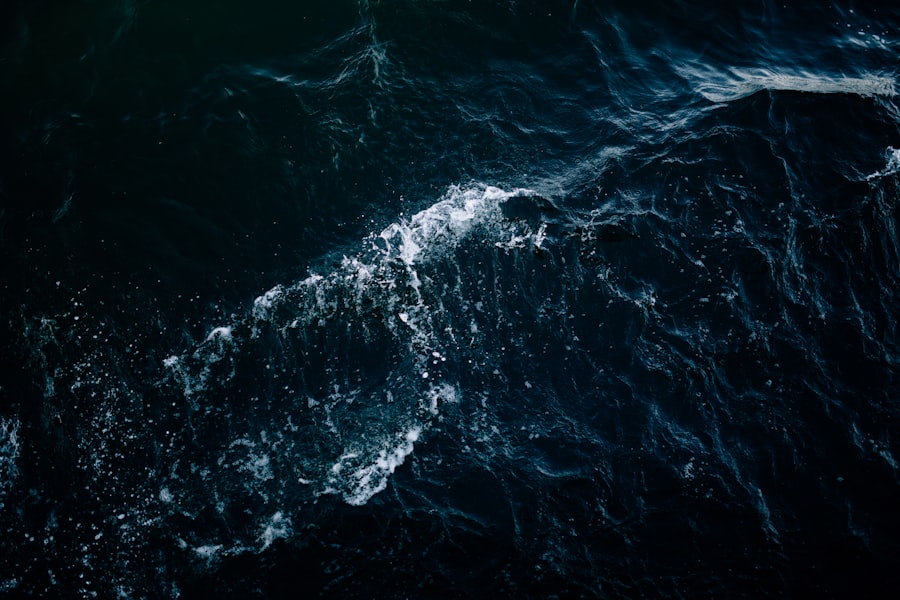
The documentary concluded with a forward-looking perspective, emphasizing the ongoing need for deep-sea exploration and research. The vastness of the ocean floor, largely unmapped and unstudied, promises countless more discoveries.
If you’re fascinated by the mysteries of the deep ocean, you might find the related article on marine ecosystems quite enlightening. This piece delves into the intricate relationships between various species and their environments, shedding light on the delicate balance that sustains life beneath the waves. To explore this further, you can read the article here: marine ecosystems. It complements the insights provided in the deep ocean documentary, offering a broader understanding of the underwater world.
Advancing Our Understanding: The Role of Scientific Inquiry
The final segments highlighted the crucial role of scientific inquiry in unlocking the secrets of the deep ocean. Researchers discussed the challenges and rewards of their work, emphasizing the importance of interdisciplinary collaboration and the development of new technologies. The documentary inspired viewers to consider the deep ocean not just as a place of mystery, but as a vital component of our planet’s life support system. The persistent curiosity that drives these scientists was presented as a beacon of hope for future discoveries.
Citizen Science and Public Engagement: A Shared Responsibility
“Exploring the Mysterious Depths” also touched upon the growing importance of citizen science and public engagement in ocean conservation. By raising awareness and fostering a sense of responsibility, the documentary aimed to inspire a collective effort to protect this invaluable resource. The filmmakers urged viewers to consider their own impact on the ocean and to support organizations dedicated to its preservation. The message was clear: the future of the deep ocean, and indeed our planet, depends on our actions today. The documentary concluded with a poignant reminder of the interconnectedness of all life on Earth, and how the health of our oceans is inextricably linked to our own well-being. The profound beauty and immense biodiversity revealed within the film left a lasting impression, a powerful testament to the wonders that still lie hidden beneath the waves.
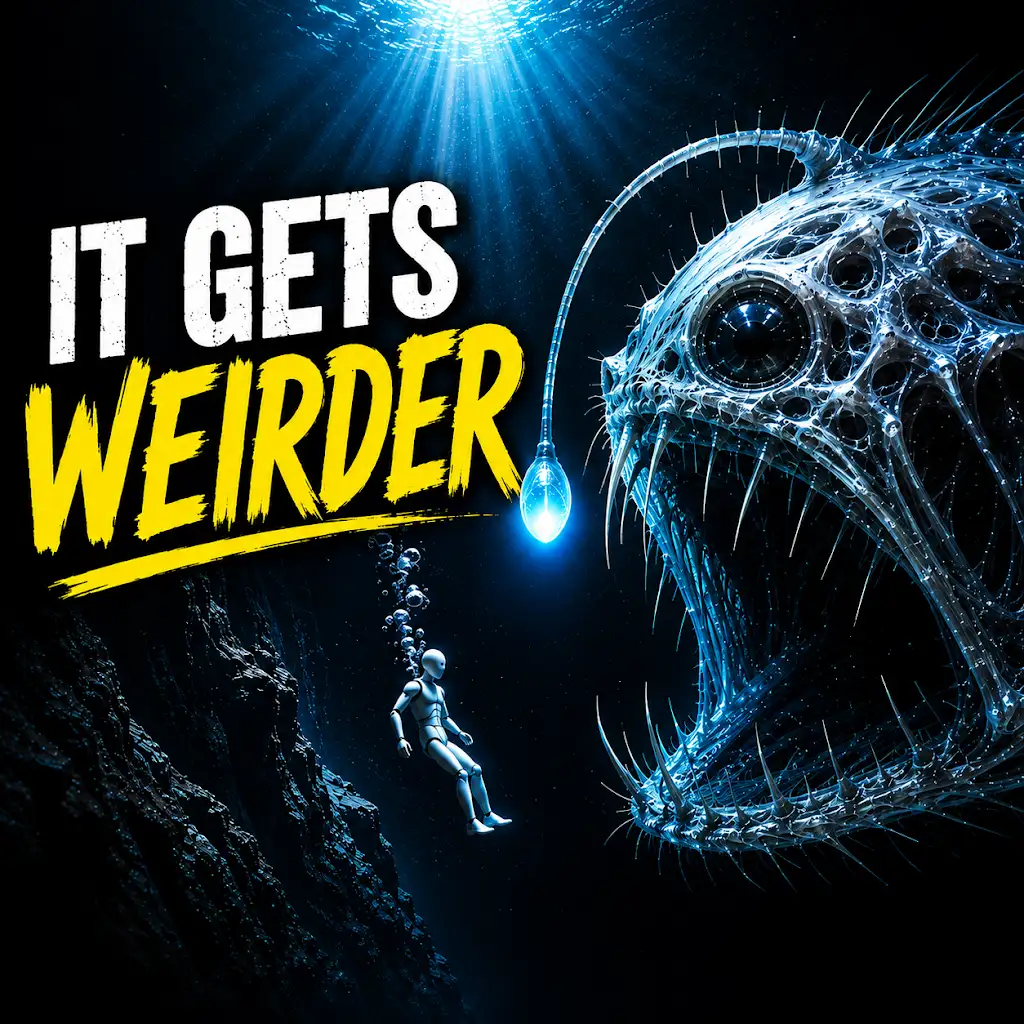
The Deeper You Go, the Less Life Looks Like Life
FAQs
What is a deep ocean documentary?
A deep ocean documentary is a film or video production that explores and showcases the mysteries, creatures, and ecosystems of the deep ocean. It typically includes footage of deep-sea creatures, underwater landscapes, and scientific research conducted in the deep ocean.
What can viewers expect to see in a deep ocean documentary?
Viewers can expect to see a wide variety of deep-sea creatures, including bioluminescent fish, giant squids, deep-sea jellyfish, and other unique and rarely-seen species. They may also see footage of underwater volcanic activity, hydrothermal vents, and other geological features of the deep ocean.
What are the benefits of watching a deep ocean documentary?
Watching a deep ocean documentary can provide viewers with a greater understanding and appreciation of the deep ocean and its inhabitants. It can also raise awareness about the importance of preserving and protecting the deep ocean and its delicate ecosystems.
Where can one watch a deep ocean documentary?
Deep ocean documentaries can be found on various streaming platforms, such as Netflix, Amazon Prime, and National Geographic. They may also be available for purchase or rental on DVD or Blu-ray, and occasionally aired on television channels dedicated to nature and science programming.
Are deep ocean documentaries educational?
Yes, deep ocean documentaries are often educational, as they provide insights into the scientific research and discoveries made in the deep ocean. They can also offer valuable information about the unique adaptations and behaviors of deep-sea creatures, as well as the environmental challenges facing the deep ocean.