The abyss, a realm of perpetual darkness and crushing pressure, holds a captivating allure for humanity. It is a frontier of scientific exploration, a testament to life’s extraordinary adaptability, and a treasure trove of unsolved mysteries. Deep sea marine biology embarks on this journey, venturing into the ocean’s lowest reaches to unravel the secrets of its unique inhabitants and the ecosystems they call home. This field of study pushes the boundaries of our understanding, revealing organisms and processes that defy conventional biological paradigms.
The deep sea, a term broadly encompassing the oceanic depths beyond the reach of sunlight, represents the largest biome on Earth. Its sheer immensity, covering over 90% of the planet’s volume, underscores the vastness of what remains unexplored. Sunlight, the primary energy source for most surface ecosystems, penetrates only the uppermost layers of the ocean, a region known as the photic zone. Below this, in the aphotic zone, perpetual darkness reigns, and life must adapt to an environment utterly devoid of solar energy.
Geographic and Bathymetric Divisions
The deep sea is not a monolithic entity but rather a collection of distinct environments, differentiated by depth, geography, and geological features. These divisions help scientists categorize and study the diverse conditions and the life forms that have evolved to thrive within them.
The Mesopelagic Zone: The Twilight World
Extending from approximately 200 to 1,000 meters, the mesopelagic zone, often called the “twilight zone,” receives faint, scattered sunlight. While photosynthesis is impossible, some rudimentary vision is still possible for certain organisms. This zone is characterized by a significant drop in temperature and a gradual increase in pressure. Many creatures here exhibit bioluminescence, using light for communication, predation, and defense. The mesopelagic is a transitional zone, harboring a unique blend of species that can tolerate some light and those adapted to the encroaching darkness.
The Bathyal Zone: Descending into Darkness
From about 1,000 to 4,000 meters, the bathyal zone, or “midnight zone,” is a realm of complete darkness and extreme pressure. Sunlight is entirely absent, and temperatures are consistently low, hovering just above freezing. Life in the bathyal zone relies on different energy sources than those found in shallower waters, primarily on detritus raining down from the surface and chemosynthesis. This zone is home to a wide array of fascinating organisms, including many species of fish, invertebrates, and microorganisms.
The Abyssal Zone: The Vast Plains
Stretching from 4,000 to 6,000 meters, the abyssal zone encompasses the vast, flat plains of the ocean floor. The pressure here is immense, exceeding hundreds of atmospheres. Despite the seemingly barren environment, the abyssal plains teem with life, albeit in low densities. Organisms in this zone are highly specialized, adapted to scarce food resources and the constant, unyielding pressure. Sediment accumulation on the abyssal floor plays a crucial role in supporting these communities.
The Hadal Zone: The Deepest Trenches
The hadal zone, found within the oceanic trenches that plunge below 6,000 meters, represents the ultimate frontier of deep-sea exploration. The Challenger Deep in the Mariana Trench, at nearly 11,000 meters, is the deepest known point in any ocean. Life in the hadal zone must contend with the most extreme pressures on Earth, along with near-freezing temperatures and a complete absence of light. Despite these formidable conditions, unique and resilient life forms have been discovered in these isolated environments.
Marine biology is a fascinating field that delves into the complexities of ocean ecosystems, particularly in the deep sea where unique species and phenomena exist. For those interested in exploring this subject further, a related article can be found at Freaky Science, which discusses the latest discoveries in deep-sea research and the implications for our understanding of marine life. This resource provides insights into the adaptations of organisms living in extreme conditions and highlights the importance of preserving these mysterious habitats.
Life’s Ingenuity: Adaptations to the Extreme
The deep sea presents a formidable set of challenges for life: perpetual darkness, immense pressure, low temperatures, and scarce food resources. Yet, life has not only survived but thrived, evolving remarkable adaptations that are nothing short of extraordinary. These adaptations provide insights into the fundamental principles of survival and evolution.
Coping with Darkness: Bioluminescence and Sensory Evolution
In the absence of sunlight, vision takes on new forms, and alternative sensory mechanisms become paramount. Bioluminescence, the production of light by living organisms, is a widespread phenomenon in the deep sea, serving a multitude of purposes.
The Language of Light: Bioluminescent Strategies
Bioluminescence is not merely a fleeting glow; it is a sophisticated form of communication. Many deep-sea creatures possess specialized organs called photophores that emit light. This light can be used to attract prey, as seen in the anglerfish with its luminous lure. It can also serve as a defense mechanism, startling predators with a sudden flash or creating a “burglar alarm” effect to attract larger predators to an attacker. Some species use bioluminescence for camouflage, counter-illumination, where their ventral surface emits light to match the faint downwelling light, making them invisible from below.
Enhanced Sensory Systems: Beyond Sight
While bioluminescence plays a role in vision, many deep-sea organisms have evolved highly sensitive sensory systems to navigate and detect their environment in the perpetual darkness. The lateral line system in fish, which detects vibrations and pressure changes in the water, is often greatly enlarged. Other species have developed chemosensory organs to detect dissolved chemicals, allowing them to locate food or mates. Some have even adapted to sense subtle electrical fields generated by other organisms.
The Pressure Paradox: Physiological Resilience
The immense hydrostatic pressure of the deep sea is a significant barrier to life. However, deep-sea organisms have evolved a range of physiological mechanisms to withstand these crushing forces.
Molecular Solutions: Proteins and Cell Membranes
At a molecular level, deep-sea creatures often have specialized proteins that are more resistant to denaturation under high pressure. They also possess unique lipid compositions in their cell membranes, which maintain fluidity and function despite the pressure. Some organisms incorporate high concentrations of piezolytes, small organic molecules that stabilize proteins and membranes under pressure.
Structural Adaptations: Soft Bodies and Reduced Skeletons
Many deep-sea invertebrates have evolved soft, gelatinous bodies with reduced or absent skeletal structures. This lack of rigid material allows their tissues to compress and adjust to the surrounding pressure without being crushed. The absence of air-filled spaces, which would collapse under pressure, is also a common adaptation.
The Scarcity of Sustenance: Energy Conservation and Novel Food Sources
Food is a precious commodity in the deep sea. Organisms have developed ingenious strategies to conserve energy and exploit unconventional food sources.
The Marine Snow Effect: A Constant Deluge
A significant portion of the organic matter that fuels deep-sea ecosystems comes from the “marine snow” – a continuous shower of dead organisms, fecal pellets, and other organic debris that drifts down from the upper ocean. Many deep-sea inhabitants are detritivores, feeding directly on this falling material.
Chemosynthetic Oases: Life Without Sunlight
In the absence of sunlight, some deep-sea ecosystems are powered by chemosynthesis, a process where microbes convert chemicals, such as hydrogen sulfide or methane, into energy. These chemosynthetic communities are often found around hydrothermal vents and cold seeps, creating oases of life in the otherwise barren ocean floor.
Efficient Metabolism: Slow and Steady Wins the Race
To cope with food scarcity, many deep-sea organisms have evolved extremely slow metabolisms. They move less frequently, have slower growth rates, and can survive for extended periods between meals. This energy conservation strategy is crucial for survival in an environment where food availability can be unpredictable.
Unveiling the Ecosystems: Hydrothermal Vents and Cold Seeps
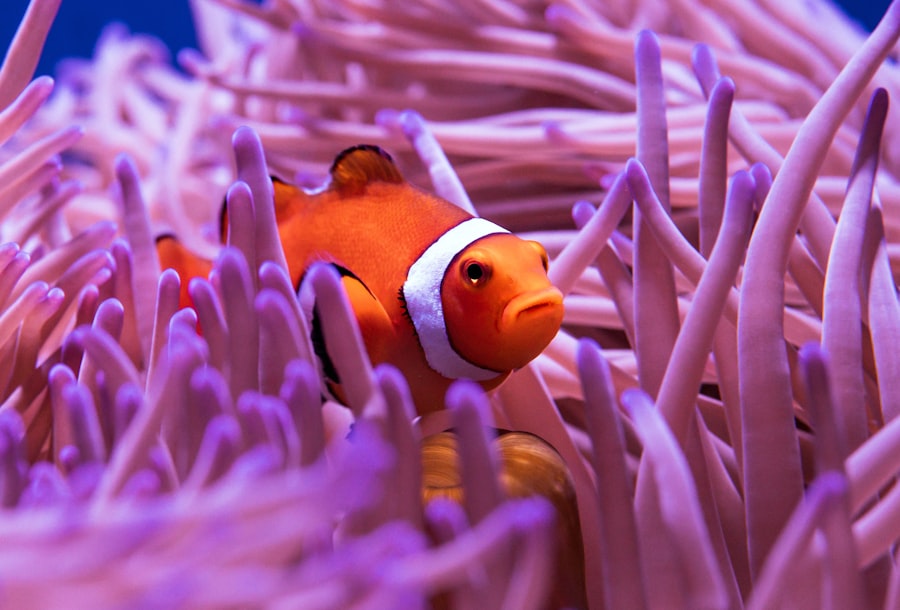
Among the most scientifically significant discoveries in deep-sea marine biology have been the unique ecosystems found around hydrothermal vents and cold seeps. These chemosynthesis-driven environments have revolutionized our understanding of life’s potential and origins.
Hydrothermal Vents: Black Smokers and Their Tenants
Hydrothermal vents, often dubbed “black smokers,” are fissures on the ocean floor where superheated, mineral-rich water erupts from the Earth’s crust. These vents are teeming with life, forming complex food webs based on chemosynthetic bacteria.
The Foundation of Life: Chemosynthetic Bacteria
At the base of the hydrothermal vent food web are specialized bacteria that utilize hydrogen sulfide, released from the vents, as an energy source to produce organic matter. These bacteria form thick mats around the vents, providing sustenance for a variety of larger organisms.
Symbiotic Relationships: A Crucial Alliance
Many vent animals, such as tubeworms and mussels, have formed obligate symbiotic relationships with chemosynthetic bacteria. The bacteria live within specialized organs of their hosts, providing them with nutrients in exchange for a protected environment and access to vent chemicals. These symbiotic partnerships are a testament to the intricate co-evolutionary processes in the deep sea.
A Biodiversity Hotspot: Unique Species Flourish
Hydrothermal vents host an astonishing diversity of unique species, many of which are found nowhere else on Earth. These include giant tubeworms, specialized shrimp, crabs, and gastropods, all adapted to the extreme conditions of high temperature, pressure, and toxic chemicals. The discovery of these communities has provided valuable insights into the resilience and adaptability of life.
Cold Seeps: Gentle Giants of the Deep
Cold seeps are areas on the ocean floor where fluids, rich in hydrocarbons like methane and hydrogen sulfide, seep out of the seabed at temperatures close to ambient seawater. While less dramatic than hydrothermal vents, cold seeps also support thriving chemosynthetic ecosystems.
Methane-Consuming Microbes: The Primary Producers
Similar to hydrothermal vents, chemosynthetic bacteria are the primary producers at cold seeps, utilizing methane and sulfide to create organic matter. These microbes form the base of the food web for other organisms.
Diverse Communities: From Clams to Corals
Cold seeps host a distinct set of species compared to hydrothermal vents, though some overlap exists. These communities often include large beds of mussels, clams, and tube worms, as well as specialized corals and sponges. The slower release of fluids at cold seeps leads to more stable, long-term habitats.
Geological Influence: Shaping the Seafloor
The formation of carbonate structures, often resembling reefs, is a notable feature of some cold seep environments. These structures are precipitated by the chemical reactions between the seeping fluids and seawater, providing complex habitats for a variety of marine life and offering insights into the geological processes shaping the seafloor.
Exploring the Unknown: Technology and Challenges
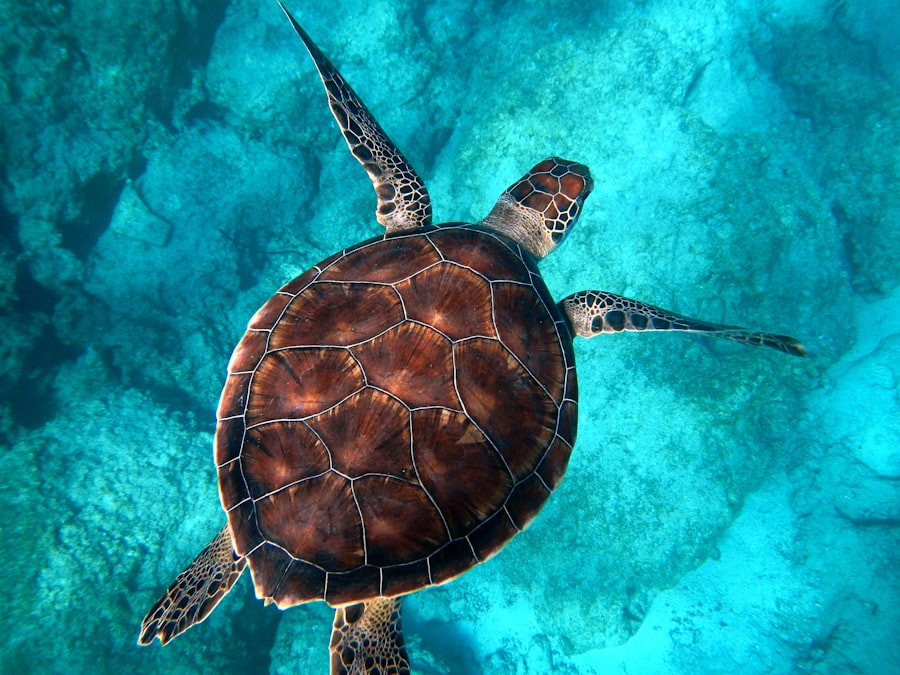
Venturing into the deep sea is a formidable undertaking, requiring specialized technology and the overcoming of significant logistical and scientific challenges. The exploration of this vast frontier is an ongoing endeavor, constantly pushing the boundaries of human ingenuity.
Submersibles and Remotely Operated Vehicles (ROVs): Eyes in the Abyss
Direct observation and sample collection in the deep sea are primarily achieved through the use of advanced underwater vehicles. These technologies have opened up previously inaccessible realms for scientific investigation.
Manned Submersibles: Human Presence in the Depths
Manned submersibles, such as Alvin, allow scientists to descend into the deep sea and conduct direct observations and collect samples. While offering unparalleled experiential insight, these vehicles are expensive to operate and have limited dive times. The human presence in these extreme environments provides a unique perspective and allows for real-time decision-making.
Remotely Operated Vehicles (ROVs): Unmanned Exploration
ROVs are tethered robotic vehicles equipped with cameras, manipulators, and sampling tools, controlled from a surface vessel. They can operate for extended periods, reach greater depths, and are less risky than manned submersibles. ROVs have become indispensable tools for deep-sea research, enabling extensive mapping and sample collection.
Autonomous Underwater Vehicles (AUVs): Independent Explorers
AUVs are untethered robotic vehicles that operate independently, programmed with specific mission parameters. They are ideal for large-scale surveys, mapping, and long-term monitoring. AUVs can cover vast areas of the seafloor, collecting data on a scale that would be impossible with tethered vehicles.
The Hurdles of Exploration: Pressure, Darkness, and Data
The deep sea presents a unique set of challenges that necessitate specialized approaches to research. Overcoming these obstacles is crucial for expanding our knowledge of this realm.
Engineering for Extreme Pressure: The Battle Against Collapse
Designing equipment that can withstand the immense pressures of the deep sea is a significant engineering feat. Materials must be robust, and seals must be impeccable to prevent catastrophic failure. The development of pressure-tolerant electronics and materials is an ongoing area of innovation.
Navigating Perpetual Darkness: Illumination and Sonar
Working in complete darkness requires specialized lighting systems and sonar technology for navigation and imaging. Understanding the limited visibility and the way light behaves at these depths is crucial for effective exploration. Sonar systems are used to map the seafloor and detect objects in the absence of light.
Data Acquisition and Transmission: A Slow and Steady Flow
Collecting vast amounts of data from the deep sea is one challenge; transmitting it back to the surface is another. The sheer volume of data generated by high-resolution cameras and sensors requires significant storage capacity. Transmitting this data in real-time can be slow and expensive, often relying on periodic data dumps when vehicles return to the surface.
Marine biology is a fascinating field that delves into the complexities of ocean ecosystems, particularly in the deep sea where unique organisms thrive in extreme conditions. For those interested in exploring more about the wonders of deep-sea life, a related article can be found at Freaky Science, which discusses the adaptations of various species that inhabit these mysterious depths. Understanding these adaptations not only sheds light on the resilience of life but also highlights the importance of preserving these fragile ecosystems.
The Future of Deep Sea Marine Biology: Unanswered Questions and Emerging Frontiers
| Metrics | Data |
|---|---|
| Depth of the deep sea | Below 200 meters |
| Temperature | 2-4 degrees Celsius |
| Pressure | Average of 380 atm |
| Species diversity | Highly diverse, with many unique species |
| Research challenges | Access, high costs, extreme conditions |
The exploration of the deep sea is far from complete. Each expedition reveals new organisms, new adaptations, and new mysteries. The field of deep-sea marine biology is poised for continued discovery, with a growing understanding of its importance for the planet.
Biodiversity Hotspots and Uncharted Territories
Despite decades of exploration, vast areas of the deep sea remain largely unexplored. Scientists estimate that a significant percentage of deep-sea species are yet to be discovered. The potential for finding new forms of life, new biochemical compounds, and entirely new ecological principles is immense.
The Role of Microbes: The Unseen Majority
Microorganisms form the vast majority of biomass in the deep sea and play critical roles in biogeochemical cycles. Understanding their diversity, functions, and interactions is a major focus for future research. The potential for discovering novel enzymes and metabolic pathways from deep-sea microbes for applications in medicine and industry is also a significant area of interest.
Investigating Whale Falls and Other Large Organic Falls
Whale falls, the carcasses of whales that sink to the seafloor, create unique and ephemeral ecosystems that support specialized communities of scavengers and decomposers. Studying these events provides insights into nutrient cycling and the resilience of life in resource-limited environments. Other large organic falls, such as the carcasses of sharks or large fish, also create similar, albeit smaller, ecological events.
Climate Change and the Deep Sea: A Vulnerable Frontier
The deep sea, once thought to be a stable and isolated environment, is increasingly recognized as being susceptible to the impacts of climate change. Understanding these impacts is crucial for predicting future changes in marine ecosystems.
Ocean Acidification: A Growing Threat
As the ocean absorbs excess carbon dioxide from the atmosphere, its pH decreases, leading to ocean acidification. This can have profound impacts on calcifying organisms, such as corals, shellfish, and some plankton, which form their shells and skeletons from calcium carbonate. The deep sea, with its naturally higher levels of dissolved CO2, may be particularly vulnerable.
Warming Waters and Deoxygenation: Shifting Habitats
Rising ocean temperatures and decreasing oxygen levels (deoxygenation) are also affecting deep-sea environments. These changes can stress organisms, alter species distribution, and impact food web dynamics. Understanding how these factors interact and influence deep-sea biodiversity is a critical area of ongoing research.
The Untapped Potential: Biotechnology and Conservation
The unique biological and chemical compounds found in deep-sea organisms hold immense potential for biotechnology, medicine, and other industries. Simultaneously, the growing human impact on the deep sea necessitates a strong focus on conservation.
Discovering Novel Bioactive Compounds: Pharmaceuticals and Beyond
Many deep-sea organisms produce unique compounds for defense, communication, or survival in their extreme environments. These compounds are being investigated for their potential as pharmaceuticals, such as antibiotics, anti-cancer drugs, and anti-inflammatory agents. The biotechnological potential of these discoveries is vast.
Sustainable Exploration and Resource Management: A Global Responsibility
As human activities, such as deep-sea mining and fishing, increasingly encroach upon the deep sea, the need for sustainable practices and effective conservation strategies becomes paramount. Understanding the fragility of these ecosystems and the long recovery times required for many deep-sea habitats is essential for responsible resource management.
The exploration of deep sea marine biology is a grand scientific adventure, a journey into the heart of our planet’s largest and most mysterious realm. With each dive, each sample, and each discovery, humanity inches closer to understanding the extraordinary resilience, diversity, and importance of life in the abyss. The ongoing quest to unravel these deep-sea mysteries promises to continue reshaping our understanding of life on Earth and our place within it.

The Deeper You Go, the Less Life Looks Like Life
FAQs
What is marine biology and deep sea exploration?
Marine biology is the scientific study of organisms in the ocean and other saltwater environments. Deep sea exploration focuses on the study of marine life and ecosystems in the deep ocean, typically below 200 meters.
What are some of the unique challenges of studying deep sea marine biology?
Studying deep sea marine biology presents challenges such as extreme pressure, low temperatures, and limited visibility. Accessing these deep sea environments also requires specialized equipment and technology.
What are some of the fascinating discoveries in deep sea marine biology?
Deep sea marine biology has led to the discovery of unique and bizarre organisms, such as deep sea anglerfish, giant tube worms, and bioluminescent creatures. Scientists have also uncovered new insights into deep sea ecosystems and the interconnectedness of marine life.
How does deep sea marine biology contribute to our understanding of the ocean and the environment?
Studying deep sea marine biology provides valuable information about the biodiversity, ecological processes, and adaptations of organisms in the deep ocean. This knowledge contributes to our understanding of the ocean’s role in the global ecosystem and the impacts of human activities on marine environments.
What are some career opportunities in the field of marine biology and deep sea exploration?
Career opportunities in marine biology and deep sea exploration include marine biologist, oceanographer, marine conservationist, underwater robotics engineer, and research scientist. These professionals may work in academia, government agencies, non-profit organizations, or private industry.