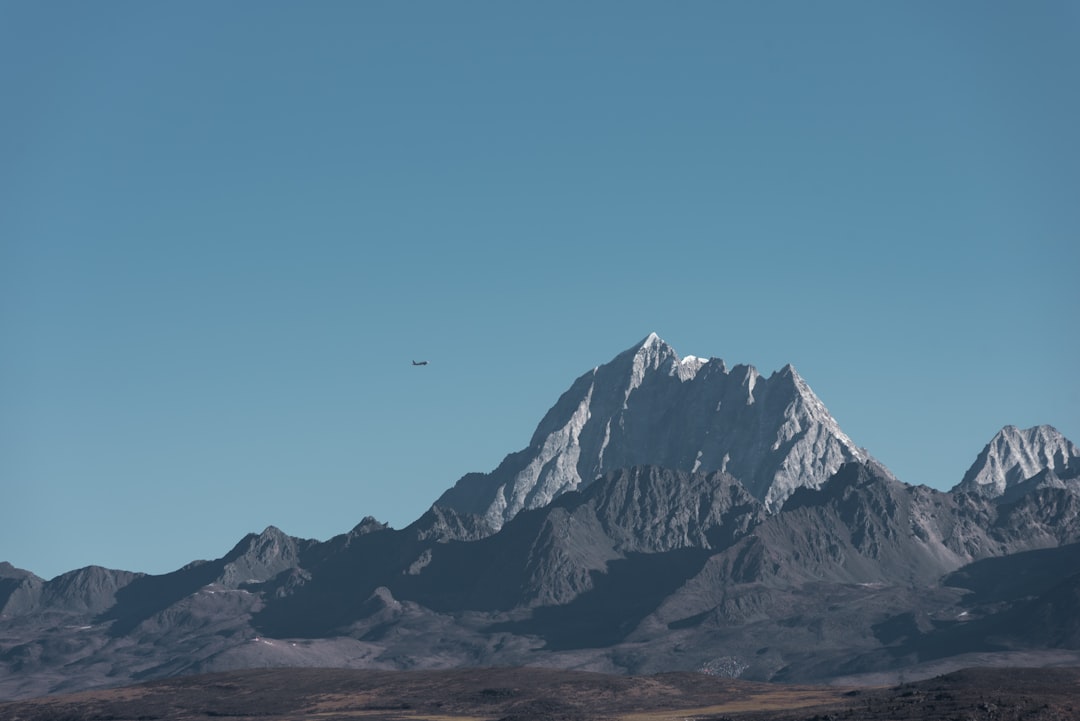
The Earth’s various ecosystems, from the frigid polar ice caps to the vibrant tropical rainforests, represent a complex and interconnected web of life. These intricate biological communities, alongside their physical environments, have evolved over millennia, exhibiting remarkable resilience to natural fluctuations. However, the accelerating pace of anthropogenic climate change, driven primarily by the emission of greenhouse gases, is now acting as an unprecedented disruptor, fundamentally altering the delicate balance of these systems. This article will delve into the multifaceted impacts of climate change on ecosystems, examining the cascading effects across various biological hierarchies and geographical scales.
I. Altered Biogeochemical Cycles: The Foundation of Life Under Stress
The Earth’s biogeochemical cycles – the pathways by which chemical elements move between biotic and abiotic reservoirs – are the bedrock upon which all ecosystems are built. Climate change exerts significant pressure on these fundamental processes, initiating a chain reaction of ecological consequences.
A. Carbon Cycle Disruption: A Double-Edged Sword
The global carbon cycle, central to life on Earth, is profoundly impacted. Increased atmospheric carbon dioxide (CO2) concentrations, while directly contributing to warming, also have other significant effects.
1. Ocean Acidification: The Silent Killer of Marine Life
The oceans act as a massive carbon sink, absorbing a significant portion of anthropogenic CO2. However, this absorption comes at a cost. When CO2 dissolves in seawater, it forms carbonic acid, leading to a decrease in oceanic pH – a phenomenon known as ocean acidification. This alteration has profound implications for calcifying organisms, such as corals, shellfish, and plankton, whose ability to form and maintain their calcium carbonate shells and skeletons is compromised. Imagine a building whose structural integrity is slowly dissolving; this is the reality for countless marine species. The loss of these foundational species can trigger a trophic cascade, impacting entire food webs and ultimately threatening marine biodiversity and the livelihoods of coastal communities. Coral reefs, for instance, are not only biodiversity hotspots but also provide vital ecosystem services, including coastal protection and fisheries support. Their degradation due to ocean acidification, compounded by thermal stress, represents a significant ecological and economic threat.
2. Terrestrial Carbon Sequestration and Release: A Shifting Balance
On land, the carbon cycle is also in flux. Warmer temperatures can initially stimulate plant growth in some regions, leading to increased carbon sequestration. However, this “greening” effect is often temporary and spatially limited. Droughts, heatwaves, and increased incidence of wildfires, all exacerbated by climate change, can transform terrestrial ecosystems from carbon sinks into carbon sources. For example, boreal forests, vast carbon reservoirs, are increasingly vulnerable to large-scale fires and insect outbreaks, releasing stored carbon back into the atmosphere and accelerating the warming feedback loop. The permafrost, another massive carbon reservoir in the Arctic, is thawing rapidly, releasing ancient stores of methane and CO2, gases with potent greenhouse effects. This is akin to opening a Pandora’s box of stored carbon, with potentially catastrophic consequences for global climate.
B. Nitrogen Cycle Perturbations: Unbalancing Nutrient Dynamics
The global nitrogen cycle, vital for plant growth and productivity, is also being altered. Changes in temperature and precipitation regimes influence rates of nitrogen fixation, nitrification, and denitrification in soils and aquatic environments. Increased nitrogen deposition from atmospheric pollution, often a byproduct of fossil fuel combustion, can also disrupt natural ecosystems, leading to nutrient imbalances, altered competitive dynamics among species, and a reduction in biodiversity. This can lead to eutrophication in aquatic systems, where excessive nutrient input triggers algal blooms, depleting oxygen and creating “dead zones,” suffocating aquatic life.
II. Shifting Species Distributions and Community Composition: A Global Relocation Effort
As environmental conditions change, species are compelled to respond, either by adapting, migrating, or facing extinction. Climate change is driving a global reshuffling of biodiversity, with profound implications for ecosystem structure and function.
A. Range Shifts: The March of Life
Many species are exhibiting clear geographical range shifts, moving towards higher latitudes and altitudes in search of more favorable climatic conditions. This is akin to a mass exodus, with species abandoning their traditional territories in pursuit of new homes. For example, numerous fish species in the North Sea have moved northward by hundreds of kilometers over the past few decades. Similarly, alpine plants are migrating uphill as treelines advance. While some species may successfully colonize new areas, others may encounter barriers such as unsuitable habitats, lack of critical resources, or the presence of new predators or competitors, leading to localized extinctions. The speed of these shifts often outpaces the adaptive capacity of many species, or the ability of entire ecosystems to functionally reorganize.
B. Phenological Mismatches: A Symphony Out of Tune
Phenology refers to the timing of biological events, such as flowering, breeding, and migration. Climate change is altering these timings, leading to what are known as phenological mismatches. For example, if insects emerge earlier in response to warmer temperatures, but the birds that feed on them do not adjust their breeding cycles accordingly, there can be a severe impact on the reproductive success of the birds. This is like a symphony where the instruments are playing out of sync, leading to disharmony and ultimately, a breakdown in the performance. Such mismatches can disrupt critical ecological interactions, including predator-prey relationships, pollination services, and host-parasite dynamics, impacting the overall health and productivity of ecosystems.
C. Community Restructuring: New Neighborhoods, Unforeseen Consequences
As species shift their ranges and phenological patterns, existing ecological communities are being dismantled and new ones are forming. This restructuring can lead to novel interactions between species that have never coexisted, with unpredictable outcomes. Some new interactions may be benign, but others could be detrimental, introducing new pathogens, invasive species, or intense competition that destabilizes the new community. This is like renovating a house by randomly replacing old walls and furniture with new ones without a master plan; the outcome can be chaotic and dysfunctional. Understanding these emerging biotic connections is crucial for predicting future ecosystem trajectories.
III. Increased Frequency and Intensity of Extreme Weather Events: Disasters on the Rise
Climate change is not just about gradual warming; it is also about an increased frequency and intensity of extreme weather events, which act as acute stressors on ecosystems, causing widespread damage and disruption.
A. Droughts and Heatwaves: Desiccation and Thermal Stress
Prolonged droughts, exacerbated by higher temperatures, lead to water scarcity, reduced plant growth, increased aridity, and heightened risk of wildfires. Heatwaves, characterized by abnormally high temperatures, can cause mass mortality events in both terrestrial and aquatic ecosystems. For instance, marine heatwaves can trigger widespread coral bleaching, turning vibrant reefs into desolate graveyards. On land, sustained high temperatures can push species beyond their physiological tolerance limits, leading to dehydration and death, particularly for those with limited mobility or access to shade. This is like a prolonged illness that weakens a system to its core, making it vulnerable to further attacks.
B. Flooding and Intense Storms: Wash-outs and Shattered Landscapes
Conversely, some regions are experiencing increased frequencies of intense precipitation events and associated flooding. These events can physically devastate ecosystems, eroding soils, altering river courses, and drowning terrestrial vegetation. Coastal ecosystems, including mangroves and salt marshes, are particularly vulnerable to increased storm surges and sea-level rise, which can lead to permanent inundation and habitat loss. The sheer force of these storms acts like a wrecking ball, demolishing established structures and altering habitats in mere hours. The recovery from such events can be slow and incomplete, especially if they become more frequent.
C. Increased Wildfire Activity: A Fiery Transformation
Climate change is a major driver of increased wildfire frequency, intensity, and duration in many regions globally. Warmer temperatures, prolonged droughts, and changes in vegetation growth create ideal conditions for combustible fuels to build up. These fires can incinerate vast tracts of forests, grasslands, and shrublands, releasing massive amounts of carbon into the atmosphere, destroying habitats, and causing significant air pollution. While some ecosystems are adapted to natural fire regimes, the altered magnitude and frequency of fires are pushing them beyond their resilience thresholds, leading to shifts in dominant vegetation and a loss of biodiversity. This is not simply a cleansing fire; it is a transformative event that can permanently alter the character of an ecosystem.
IV. Sea-Level Rise and Coastal Ecosystems: A Drowning Threat
Coastal ecosystems, acting as critical interfaces between land and sea, are on the front lines of climate change, particularly vulnerable to rising sea levels and increased storm activity.
A. Habitat Inundation and Erosion: Retreating Shores
As global temperatures rise, thermal expansion of seawater and the melting of glaciers and ice sheets contribute to ongoing sea-level rise. This encroaching water leads to the inundation of low-lying coastal habitats, including salt marshes, mangrove forests, and sandy beaches. These ecosystems provide vital services such as coastal protection, nurseries for marine life, and carbon sequestration. The loss of these habitats not only diminishes biodiversity but also increases the vulnerability of human communities to storm surges and coastal erosion. Imagine a slow-motion flood, relentlessly pushing inland, consuming everything in its path.
B. Salinization of Freshwater Resources: A Taste of the Ocean
Sea-level rise also leads to saltwater intrusion into coastal aquifers and freshwater wetlands. This salinization can render agricultural land infertile, contaminate drinking water supplies, and fundamentally alter the species composition of freshwater ecosystems. Plants and animals adapted to freshwater conditions are unable to tolerate elevated salinity levels, leading to widespread mortality and ecosystem collapse. This is a subtle but pervasive form of environmental poisoning, slowly but surely rendering vital resources unusable.
C. Loss of Iconic Coastal Features: Disappearing Landmarks
Beyond ecological impacts, sea-level rise threatens the existence of iconic coastal features and cultural heritage sites. Sandy beaches, critical for tourism and recreation, are eroding at an accelerating pace. Barrier islands, natural defenses against oceanic storms, are being breached and reshaped. The loss of these features represents not just an ecological blow but also a cultural and economic one, impacting human societies that have historically thrived along the coast.
V. Ecosystem Services in Peril: The Cost of Environmental Degradation
Ecosystem services are the numerous benefits that humans receive from ecosystems, ranging from clean air and water to pollination and climate regulation. Climate change undermines these essential services, with profound implications for human well-being and economic stability.
A. Food Security: A Crumbling Foundation
Climate change impacts agriculture through altered growing seasons, increased frequency of droughts and floods, and outbreaks of pests and diseases. Fisheries are threatened by ocean warming, acidification, and shifts in fish migration patterns. The decline in pollinator populations, driven by habitat loss, pesticide use, and climate change, further jeopardizes crop yields. These pressures collectively threaten global food security, disproportionately affecting vulnerable populations that rely directly on natural resources for sustenance. The foundation of our food system is slowly eroding, creating a looming crisis.
B. Water Security: A Scarce Resource
Changes in precipitation patterns, glacier melt, and increased evaporation rates due to warming are altering the availability and quality of freshwater resources. Regions experiencing more frequent droughts face severe water shortages, impacting agriculture, industry, and human consumption. Conversely, regions experiencing increased heavy rainfall events may face challenges with water storage and flood management, leading to contamination of water supplies. Access to clean and reliable water, a fundamental human right, is increasingly becoming a point of global vulnerability.
C. Human Health Impacts: A Cascade of Consequences
The degradation of ecosystems under climate change has direct and indirect impacts on human health. Displacement of populations due to extreme weather events leads to humanitarian crises. Changes in vector-borne disease distributions (e.g., malaria, dengue fever) due to altered temperature and precipitation regimes expose new populations to health risks. Reduced air quality from increased wildfires further exacerbates respiratory illnesses. The mental health burden associated with environmental loss and climate anxiety also represents a significant, though often underestimated, consequence.
In conclusion, the impact of climate change on ecosystems is not a distant threat but a tangible reality, unfolding with increasing speed and intensity across the globe. From the microscopic shifts in microbial communities to the macro-scale alterations of entire biomes, the Earth’s natural systems are being fundamentally rewired. Understanding these complex and interconnected impacts is paramount, for the unraveling tapestry of life is not merely an ecological tragedy; it is a profound threat to the very foundation of human civilization. The future of myriad species, including our own, hinges on our collective ability to mitigate greenhouse gas emissions, adapt to unavoidable changes, and foster the resilience of the natural world.
FAQs
What is environmental science?
Environmental science is the interdisciplinary study of the environment and the solutions to environmental problems. It combines biology, chemistry, physics, geology, and social sciences to understand how natural and human systems interact.
Why is environmental science important?
Environmental science is important because it helps us understand the impact of human activities on the environment, promotes sustainable practices, and guides policies to protect natural resources and public health.
What are some key areas of study within environmental science?
Key areas include ecology, conservation biology, pollution control, climate change, natural resource management, and environmental policy and ethics.
How does environmental science address climate change?
Environmental science studies the causes and effects of climate change, models future climate scenarios, and develops strategies for mitigation and adaptation to reduce greenhouse gas emissions and protect ecosystems.
What careers can one pursue with a degree in environmental science?
Careers include environmental consultant, conservation scientist, environmental educator, wildlife biologist, environmental engineer, policy analyst, and sustainability specialist.