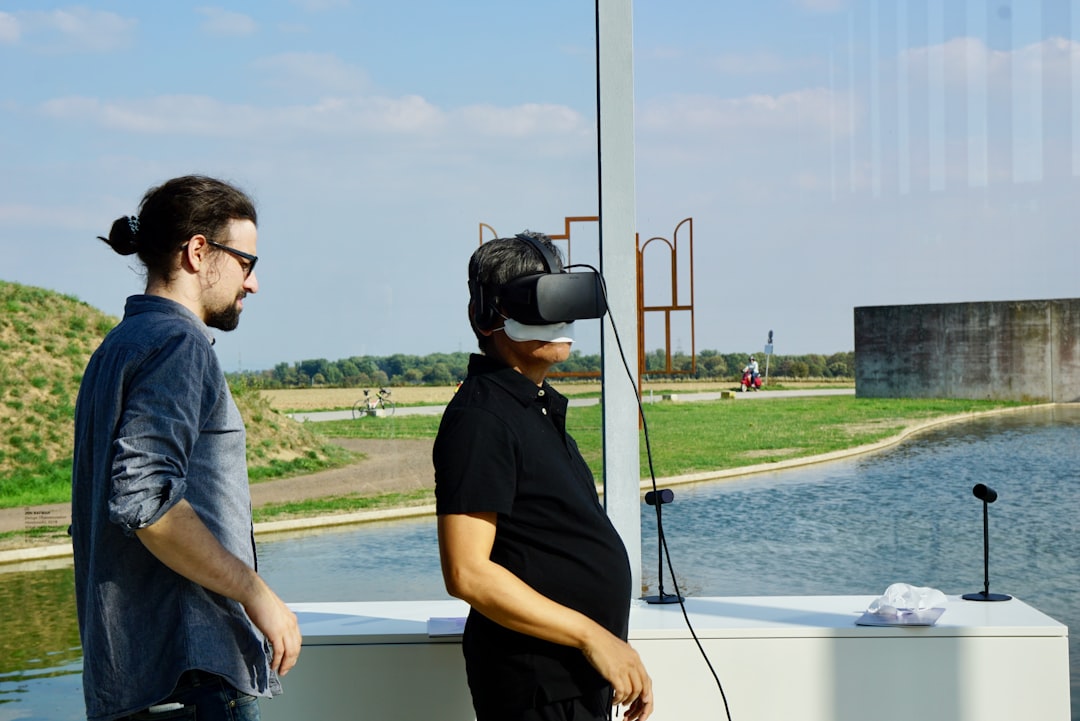
You stand at the precipice of a new medium, a canvas not of pigment or pixels, but of perception. Artificial Reality (AR) is no longer relegated to the flickering screens of science fiction; it is weaving itself into the fabric of your daily existence, a subtle yet pervasive force that promises to redefine how you interact with the world and with information itself. Imagine shedding the confines of a flat screen, your environment no longer a passive backdrop but an active participant in your experiences. This is the essence of AR, a technological frontier that is rapidly expanding, presenting both profound opportunities and intricate challenges.
Artificial reality, encompassing both augmented reality (AR) and virtual reality (VR), continues to evolve and reshape various industries, from gaming to healthcare. For a deeper understanding of its implications and advancements, you can explore a related article that discusses the latest trends and technologies in this field. Check it out here: Freaky Science on Artificial Reality.
Understanding the Building Blocks: Layers of Interaction
At its core, Artificial Reality is about overlaying digital information onto your physical surroundings in real-time. Think of it as augmenting your perception, like a subtle but potent lens through which you can access and process data. It’s not about escaping reality, but about enriching it, adding layers of context and functionality to the tangible world. To truly grasp its potential, you must dissect its constituent elements, understanding the foundational technologies that enable these immersive experiences.
The Hardware: Perceptual Interfaces
The gateway to AR for you is the hardware you employ. This ranges from familiar devices to emerging prototypes, each offering a different fidelity and scope of interaction.
Mobile Devices: The Ubiquitous Gateway
Your smartphone, for you, has become an unlikely entry point into AR. Through your device’s camera and processing power, applications can detect surfaces, track your movement, and render digital objects that appear to coexist with your physical space. Think of games like Pokémon GO, where digital creatures spring to life in your park, or measurement apps that allow you to gauge distances with a tap, transforming your phone into a digital measuring tape. This accessibility has democratized AR, making it a readily available tool for exploration and entertainment.
Smart Glasses and Headsets: The Immersive Frontier
The next significant leap for you will likely come through smart glasses and dedicated AR headsets. These devices aim to provide a more seamless and integrated experience by placing digital overlays directly within your field of vision. For example, imagine navigation instructions appearing as subtle arrows hovering on the street ahead as you walk, or product information displaying itself as you look at items in a store. AR headsets go a step further, potentially offering a wider field of view and more sophisticated tracking, paving the way for deeply engaging scenarios in gaming, training, and design. These devices, when they become commonplace, will be your primary window into a more richly annotated reality.
Beyond the Visual: Haptic and Auditory Augmentation
While visual augmentation is often the most striking aspect of AR, it’s crucial to understand that the future of AR for you will likely involve richer sensory input. Haptic feedback, like vibrations or texture simulation, can provide a sense of touch for virtual objects, making interactions more tangible. Spatial audio, where sound appears to emanate from specific points in your environment, further grounds digital elements in your reality, creating a more believable and cohesive experience. Together, these sensory augmentations will transform AR from something you see to something you can feel and hear, a true expansion of your perceived world.
The Software: The Intelligence Behind the Overlay
The hardware is merely the vessel; the true magic of AR resides in the software that powers it. This encompasses everything from the algorithms that interpret your environment to the applications that generate and manage the digital content.
Spatial Anchors and Mapping: Rooting the Digital
For AR to function convincingly, digital objects must remain fixed in your physical space. This is where spatial anchors and mapping technologies come into play. They allow AR systems to understand the geometry and features of your environment, creating a persistent digital map. This means that a virtual chair you place in your living room will remain there, even if you move around it or leave the room and return. Without this ability to anchor digital elements, they would drift and float, shattering the illusion of immersion. This is akin to the foundation of a building, providing stability and context for everything that is built upon it.
Computer Vision and Object Recognition: Decoding Your World
Computer vision is the eyes of the AR system, enabling it to interpret and understand the visual information it receives from cameras. This includes identifying objects, recognizing faces, and tracking human movement. For you, this translates into the ability for AR applications to react intelligently to your surroundings. Imagine an AR instruction manual that identifies a component on an engine and overlays the correct repair steps directly onto it, or a retail app that recognizes a particular shoe and instantly brings up its price and available sizes. This sophisticated interpretation is what allows AR to become a truly functional and interactive layer.
Content Creation and Management: Populating the Augmented World
The digital content that enriches your AR experience needs to be created, managed, and delivered. This involves 3D modeling, animation, and the development of interactive AR applications. As AR matures, you can expect to see more intuitive tools for creating and sharing your own AR content, transforming you from a passive consumer into an active creator. Think of the potential for personalizing your environment with virtual art, or designing interactive AR experiences for friends and family. This democratisation of content creation will be a powerful driver of AR’s widespread adoption.
Transforming Industries: AR’s Practical Applications

The implications of Artificial Reality extend far beyond entertainment. As you explore its capabilities, you will encounter its transformative power across a multitude of industries, changing the way work is done and services are delivered.
Manufacturing and Engineering: Precision in Practice
For those in manufacturing and engineering, AR offers a powerful tool for enhancing efficiency, safety, and accuracy.
Design and Prototyping: Visualizing Before Production
Before a single piece of metal is cut, AR allows you to visualize intricate 3D models of products and machinery superimposed onto your workspace. This enables designers and engineers to identify potential flaws, test ergonomics, and refine designs in a tangible way, significantly reducing the cost and time associated with physical prototyping. Imagine being able to walk around a digital prototype of a new car design, assessing its lines and proportions as if it were real.
Assembly and Maintenance: Guided Workflows
During assembly and maintenance tasks, AR can provide real-time, on-demand guidance. Workers can see step-by-step instructions, animated workflows, and part identification overlaid directly onto the machinery they are working with. This reduces errors, speeds up processes, and allows for more complex tasks to be performed by less experienced personnel. Think of a technician troubleshooting a complex piece of equipment, with AR highlighting the specific components that require attention and demonstrating the correct maintenance procedure.
Quality Control: In-Situ Verification
AR can also revolutionize quality control. Inspectors can use AR to compare the physical product against its digital blueprint, identifying any deviations or defects in real-time. This ensures that products meet specifications at every stage of production, leading to higher quality and reduced waste.
Healthcare: Advancing Diagnosis and Treatment
The medical field stands to benefit immensely from the precision and visualization capabilities of AR.
Surgical Planning and Guidance: Enhanced Precision
For surgeons, AR can be a game-changer. Pre-operative planning can involve overlaying patient-specific anatomical models onto their body, allowing for more precise surgical approaches. During surgery, AR can project vital patient data, such as MRI scans or real-time physiological readings, directly onto the surgical field, providing surgeons with critical information at a glance. This is akin to having a highly detailed map overlaid onto an unfamiliar territory, guiding you with unparalleled clarity.
Medical Training and Education: Realistic Simulation
AR provides an unparalleled environment for medical training. Students can practice complex procedures on virtual patients, experiencing realistic anatomical interactions without the risks associated with real-world training. This allows for repeated practice and skill refinement in a safe and controlled setting. Imagine medical students learning anatomy by virtually dissecting a human body, exploring its intricacies from every angle.
Patient Education and Rehabilitation: Empowering Understanding
AR can also empower patients. By visualizing medical conditions or treatment plans in a clear, interactive way, AR can improve patient understanding and adherence to treatment. For rehabilitation, AR can gamify exercises, making them more engaging and motivating for patients recovering from injuries.
Retail and E-commerce: Blurring the Lines of the Storefront
The way you shop is being fundamentally reshaped by AR, making online and offline experiences more blended.
Virtual Try-On: Bridging the Digital-Physical Gap
For fashion and furniture retailers, AR offers virtual try-on experiences. You can see how clothes would look on your own body or how a piece of furniture would fit in your living room before making a purchase. This reduces the uncertainty of online shopping and can lead to higher customer satisfaction and fewer returns. Imagine trying on a new sofa in your living room using your phone, seeing how it complements your existing decor.
Interactive Product Visualization: Experiencing Before Buying
Beyond try-on, AR allows for interactive product visualization. You can examine architectural models with an AR app, view 3D renderings of cars, or even explore the interior of a virtual home, all from the comfort of your own space. This provides a far richer understanding of a product than static images or videos ever could.
Enhanced In-Store Experiences: Augmented Retail Spaces
In physical stores, AR can augment the shopping experience. Shelf labels can display additional product information, reviews, or personalized recommendations as you look at them. Interactive store maps can guide you to specific products, and virtual assistants can be summoned to answer your questions. This transforms a traditional store into a dynamic, information-rich environment.
The Evolving Landscape: Future Trends and Developments
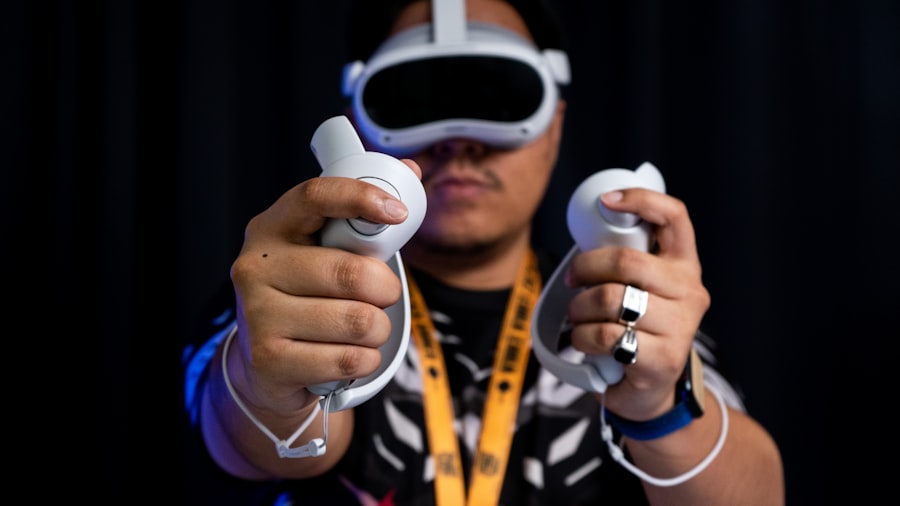
As AR technology continues its relentless march forward, you can anticipate several key trends shaping its future trajectory.
Increased Interoperability and Standardization: A Unified AR Ecosystem
Currently, AR experiences can be fragmented, with different platforms and hardware requiring separate development. However, as the technology matures, you can expect a greater push for interoperability and standardization. This will allow for seamless experiences across different devices and platforms, creating a more cohesive and accessible AR ecosystem. Imagine an AR application that works just as well on your smart glasses as it does on your phone, without any loss of functionality.
Enhanced AI Integration: Smarter, More Responsive AR
The synergy between Artificial Intelligence and AR will accelerate. AI will enable AR systems to understand context more deeply, anticipate your needs, and provide more personalized and relevant information and interactions. Think of an AR assistant that learns your preferences and proactively offers helpful suggestions based on your location and ongoing activities. This will move AR from a reactive tool to a proactive companion.
The Rise of the Metaverse: Persistent Virtual Layers
The concept of the metaverse, a persistent, interconnected network of virtual worlds, is closely intertwined with AR. AR will likely serve as a crucial bridge between the physical and digital realms within the metaverse, allowing you to bring elements of virtual worlds into your physical reality and vice versa. This will create a continuum of experience where the lines between the digital and the tangible become increasingly blurred.
Deeper Social and Collaborative AR: Shared Immersive Experiences
AR’s potential for social interaction and collaboration is immense. You will increasingly participate in shared AR experiences, collaborating on projects, playing games together, or simply socializing in augmented environments. This could involve overlaying shared virtual objects in your living room or collaboratively annotating a physical space with digital information.
Artificial reality is an evolving field that continues to capture the imagination of both creators and users alike. As technology advances, the boundaries between the physical and virtual worlds blur, leading to innovative applications in gaming, education, and therapy. For those interested in exploring this fascinating topic further, a related article can be found at Freaky Science, which delves into the latest developments and implications of artificial reality. This resource offers valuable insights into how these technologies are reshaping our experiences and interactions in everyday life.
Navigating the Ethical and Societal Dimensions: Responsible Exploration
| Metric | Description | Value / Range | Unit |
|---|---|---|---|
| Field of View (FoV) | The extent of the observable environment seen at any given moment through the AR device | 40 – 110 | Degrees |
| Latency | Time delay between user action and system response in artificial reality systems | 5 – 20 | Milliseconds |
| Resolution | Display resolution of AR devices | 1080 x 1200 to 2160 x 2160 | Pixels per eye |
| Refresh Rate | Frequency at which the display updates per second | 60 – 120 | Hz |
| Tracking Accuracy | Precision of positional and rotational tracking in AR systems | 1 – 5 | Millimeters |
| Battery Life | Average operational time of portable AR devices on a single charge | 2 – 8 | Hours |
| Market Growth Rate | Annual growth rate of the artificial reality market | 30 – 50 | Percent (%) |
As Artificial Reality embeds itself more deeply into your life, you must also consider its ethical and societal implications. Careful consideration and proactive measures are essential to ensure that AR develops in a way that benefits humanity.
Privacy Concerns: The Data Trail of Perception
The pervasive nature of AR raises significant privacy concerns. As AR systems collect vast amounts of data about your environment, your movements, and your interactions, safeguarding this information becomes paramount. You will need to understand how your data is collected, used, and protected, and exercise control over your digital footprint, even as it is projected onto the physical world. The constant observation by AR devices creates a rich data trail, and it is your responsibility to ensure this trail does not become a highway for unwanted intrusion.
Digital Divide and Accessibility: Ensuring Inclusivity
As AR technologies become more sophisticated and potentially expensive, there is a risk of exacerbating the digital divide. Ensuring that AR is accessible to all, regardless of socioeconomic status or technological literacy, will be crucial for its equitable development. Efforts must be made to create affordable hardware and accessible software that empowers everyone, not just a privileged few, to participate in this evolving reality. You must advocate for AR that uplifts, not isolates.
The Nature of Reality: Perception and Authenticity
The increasing blur between the physical and augmented worlds prompts philosophical questions about the nature of reality and authenticity. As AR becomes more sophisticated, distinguishing between what is physically present and what is digitally overlaid may become challenging. This necessitates critical thinking and a mindful approach to AR consumption, ensuring that your perception remains grounded and your understanding of authenticity is not eroded. You are the ultimate arbiter of your own reality, and AR should serve as a tool for enrichment, not obfuscation.
Responsibility and Accountability: The Creators and the Consumers
With the rise of AR, questions of responsibility and accountability will become more prominent. Who is responsible when an AR application provides incorrect information or leads to an accident? Establishing clear guidelines and frameworks for the development and use of AR will be crucial. Furthermore, as a user and potential creator of AR content, you also bear a responsibility to use this technology ethically and to contribute to a positive and constructive augmented environment.
The Road Ahead: Embracing the Augmented Future
Artificial Reality is not a singular destination but a continuous journey of discovery and innovation. For you, it represents an unfolding canvas, offering unprecedented opportunities to shape and enhance your perception of the world. By understanding its foundations, exploring its diverse applications, anticipating future trends, and engaging thoughtfully with its ethical dimensions, you can actively participate in building an augmented future that is both transformative and responsible. The tools are being forged; it is up to you to wield them wisely, shaping a reality that is richer, more informed, and more connected than ever before.

WATCH NOW ▶️ Do we live in a matrix?
FAQs
What is artificial reality?
Artificial reality (AR) refers to a technology that creates a simulated environment, either fully immersive or overlaid on the real world, allowing users to interact with digital content in a realistic way.
How does artificial reality differ from virtual reality?
Artificial reality often includes augmented reality (AR) and mixed reality (MR), which overlay or blend digital elements with the real world, whereas virtual reality (VR) creates a completely immersive digital environment separate from the real world.
What are common applications of artificial reality?
Artificial reality is used in various fields such as gaming, education, healthcare, military training, architecture, and retail to enhance user experience, provide simulations, and improve learning or operational efficiency.
What devices are used to experience artificial reality?
Devices include AR glasses or headsets, VR headsets, smartphones, tablets, and specialized sensors or cameras that track user movements and environment to deliver interactive artificial reality experiences.
What are the challenges associated with artificial reality technology?
Challenges include high development costs, technical limitations like latency and resolution, user discomfort or motion sickness, privacy concerns, and the need for robust hardware and software integration.