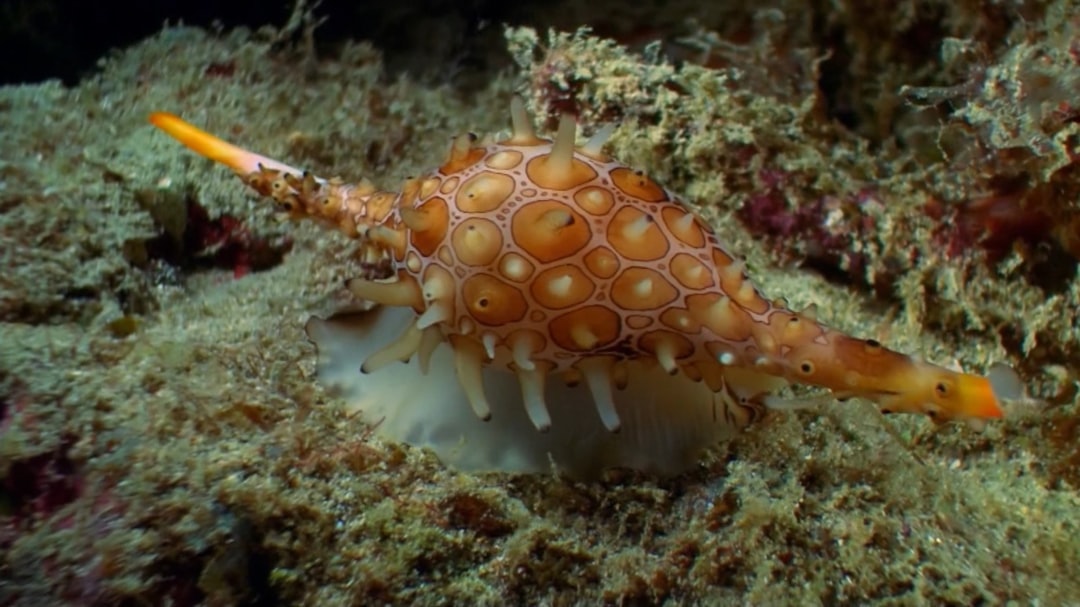
The ocean’s depths harbor a kaleidoscope of life, a realm teeming with creatures that defy imagination. Among its most dazzling inhabitants are the nudibranchs, often referred to as “sea slugs,” a group of marine gastropod mollusks that have shed their shells and evolved into some of the most vibrant and enigmatic organisms on Earth. This article embarks on a journey into the mesmerizing world of the deep-sea nudibranch, exploring their extraordinary adaptations, breathtaking beauty, and the ongoing scientific quest to understand these jewels of the abyss.
The very name “nudibranch” derives from the Latin words “nudus” (naked) and “branchia” (gills), a fitting description for a creature that proudly displays its respiratory organs. Unlike their shelled ancestors, nudibranchs have undergone a remarkable evolutionary transformation, discarding their protective casings to embrace a more direct and often more colorful existence. This absence of a shell has, in turn, driven an astonishing array of adaptations, from potent chemical defenses to extraordinary camouflage.
A Symphony of Color: Nature’s Palette Unleashed
Perhaps the most striking characteristic of nudibranchs is their unparalleled diversity of color and pattern. These marine mollusks have become living canvases, adorned with hues ranging from the deepest blues and vibrant reds to electric yellows and iridescent purples. This chromatic extravagance is not merely for show; it serves a crucial role in their survival.
The Language of Color: Warning and Camouflage
For many nudibranch species, bright coloration acts as an aposematic signal, a blatant warning to potential predators that they are toxic or unpalatable. Through their diet, certain nudibranchs sequester or mimic the potent chemical defenses of their prey, such as sponges or hydroids, effectively transforming themselves into walking poison darts. This vivid display ensures that predators learn to avoid them, fostering a delicate balance within the marine ecosystem.
Conversely, other nudibranchs have mastered the art of camouflage, blending seamlessly with their surroundings. They can mimic the texture and color of algae, sponges, or even the seafloor itself, rendering them virtually invisible to both predators and prey. This remarkable ability to disappear into the background highlights the evolutionary pressures that shape life in the ocean’s intricate tapestry.
Deep sea nudibranchs are fascinating creatures that showcase the incredible diversity of life found in our oceans. For those interested in learning more about these vibrant marine mollusks and their unique adaptations, you can explore a related article that delves into their biology and habitat. Check it out here: Deep Sea Nudibranchs: Nature’s Colorful Wonders.
Beyond the Surface: The Hidden World of Nudibranch Diversity
While shallow waters showcase some of the most iconic nudibranch species, the deep sea, with its crushing pressures and perpetual darkness, hosts an even more specialized and less-understood array of these fascinating creatures. The deep-sea environment presents unique challenges and has driven the evolution of remarkable adaptations that allow nudibranchs to thrive in these extreme conditions.
Venturing into the Abyss: The Challenges of Deep-Sea Life
The deep ocean is characterized by several defining factors: immense hydrostatic pressure, near-freezing temperatures, and the absence of sunlight. For any organism to survive, it must possess specialized physiological and anatomical features. Deep-sea nudibranchs are no exception, demonstrating an extraordinary capacity to adapt to these formidable circumstances.
The Chemical Arsenal: Defenses Born from Diet
The evolutionary success of nudibranchs is intrinsically linked to their complex relationship with their diet and the chemical compounds they derive from it. Many nudibranchs are highly specialized feeders, consuming prey that might be toxic to other organisms. Instead of being harmed, they ingeniously incorporate these toxins into their own tissues, turning a potential threat into a powerful defense mechanism.
Sequestration and Synthesis: A Double-Edged Sword
Some nudibranchs are masters of sequestration, absorbing and storing defensive chemicals from their prey without modification. Others go a step further, possessing the ability to synthesize their own toxins or to modify the toxins they ingest, creating unique chemical compounds that are even more potent. This sophisticated chemical warfare is a testament to the intricate evolutionary arms race that unfolds in the marine realm.
Reproduction and Resilience: Strategies for Survival in a Vast Ocean
The life cycles of nudibranchs are as diverse and fascinating as their appearances. In the deep sea, where encounters between individuals can be infrequent, their reproductive strategies are particularly noteworthy, emphasizing resilience and the perpetuation of their species against considerable odds.
Hermaphroditism and Egg Masses: Ensuring the Next Generation
Like many gastropods, nudibranchs are hermaphroditic, possessing both male and female reproductive organs. This remarkable trait significantly increases their chances of successful reproduction, as any individual encountered can potentially be a mate. After mating, they lay their eggs in characteristic spiral or ribbon-like masses, often attached to their food source, ensuring a ready supply of sustenance for the newly hatched larvae.
Deep sea nudibranchs are fascinating creatures that showcase the incredible diversity of marine life found in the ocean’s depths. These colorful mollusks are not only visually stunning but also play a crucial role in their ecosystems. For those interested in learning more about the unique adaptations and behaviors of these remarkable animals, a related article can be found on Freaky Science. You can explore it further by visiting this link. Understanding the biology of deep sea nudibranchs can provide insights into the broader mysteries of oceanic environments.
Scientific Exploration: Unraveling the Mysteries of the Deep
The deep sea remains one of the last frontiers of exploration on our planet, and the nudibranchs that inhabit its depths are among its most elusive inhabitants. Scientists are continuously pushing the boundaries of our knowledge, employing advanced technologies to observe, collect, and study these enigmatic creatures.
Technological Innovations: Glimpses into the Abyss
Submersibles, remotely operated vehicles (ROVs), and autonomous underwater vehicles (AUVs) have revolutionized deep-sea exploration. These sophisticated tools allow scientists to reach unprecedented depths, collect valuable specimens, and capture high-definition imagery of nudibranchs in their natural habitats. Techniques like DNA sequencing are also providing invaluable insights into their evolutionary relationships and biodiversity.
Conservation Concerns: Protecting the Jewels of the Deep
As human activities increasingly impact even the most remote ocean environments, the conservation of deep-sea ecosystems and their unique inhabitants, including nudibranchs, is becoming a critical concern. Understanding the threats they face and implementing protective measures is essential for preserving the extraordinary biodiversity of our planet’s oceans.
Anthropogenic Impacts: Threats to an Untouched World
Deep-sea mining, pollution, and the effects of climate change pose significant threats to deep-sea nudibranch populations. These creatures, often with slow growth rates and specialized habitat requirements, are particularly vulnerable to disturbances. Protecting these fragile ecosystems requires a global effort to minimize human impact and ensure the long-term survival of these magnificent marine organisms.
The study of deep-sea nudibranchs is a continuous journey of discovery, revealing the extraordinary adaptability and breathtaking beauty that can arise from the harshest environments. Each new sighting, each new species described, adds another vibrant thread to the intricate tapestry of life on Earth, reminding us of the vast and wondrous mysteries that still lie hidden beneath the waves. Their existence serves as a powerful testament to the resilience of life and the endless capacity for evolution to paint the world in hues we are only just beginning to comprehend.

The Deeper You Go, the Less Life Looks Like Life
FAQs
What is a deep sea nudibranch?
A deep sea nudibranch is a type of marine mollusk that belongs to the group of sea slugs. They are known for their vibrant and colorful appearance, and can be found in deep ocean waters around the world.
What do deep sea nudibranchs eat?
Deep sea nudibranchs primarily feed on sponges, cnidarians, and other small marine organisms. Some species have also been known to feed on algae and detritus.
How do deep sea nudibranchs defend themselves?
Deep sea nudibranchs have developed various defense mechanisms to protect themselves from predators. Some species have toxic chemicals in their bodies, while others have evolved to mimic the appearance of other toxic or unpalatable organisms.
Where can deep sea nudibranchs be found?
Deep sea nudibranchs are found in deep ocean waters around the world, often at depths of 200 meters or more. They can be found in a variety of habitats, including hydrothermal vents, cold seeps, and deep sea coral reefs.
Why are deep sea nudibranchs important to the marine ecosystem?
Deep sea nudibranchs play an important role in the marine ecosystem as they help regulate the populations of their prey species, such as sponges and cnidarians. They also serve as a food source for other marine organisms, contributing to the overall biodiversity of deep sea ecosystems.