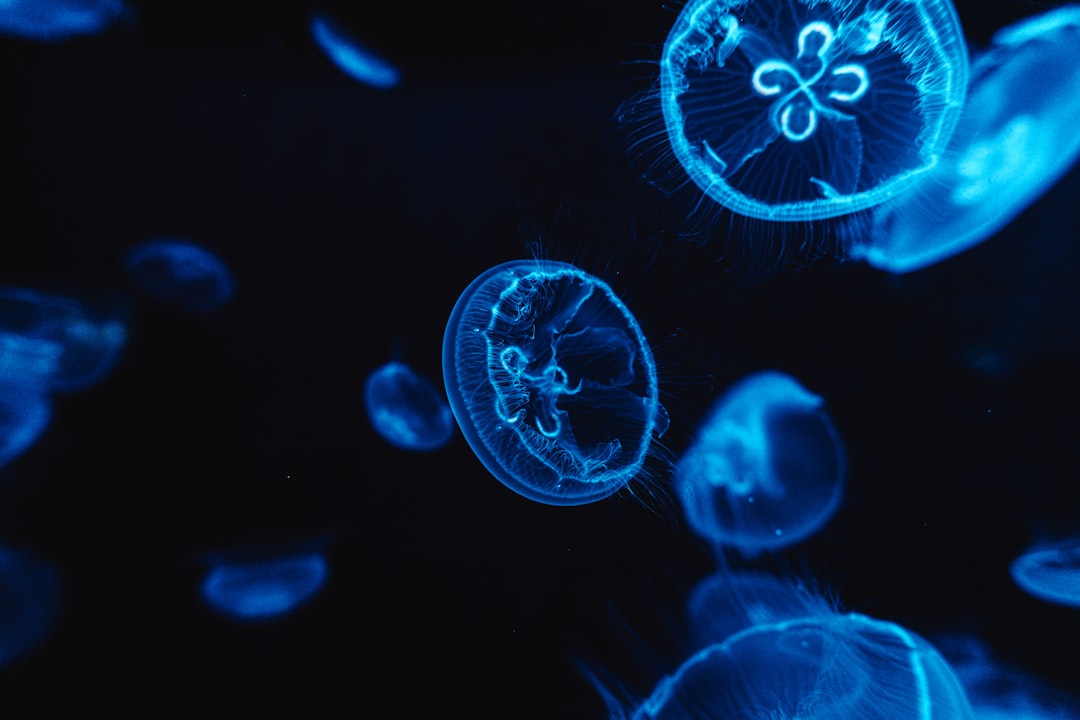
The abyss, a realm of perpetual darkness and crushing pressure, harbors a secret known to few: a silent, living light show. Deep sea bioluminescence, the production and emission of light by living organisms, transforms this otherwise desolate environment into a wonderland of ethereal glows and pulsating flashes. It is a phenomenon that defies human understanding and sparks the imagination, offering a glimpse into the extraordinary adaptations life has forged in the most extreme corners of our planet. This article delves into the enchanting world of deep sea bioluminescence, exploring its mechanisms, its myriad functions, and the ongoing quest to unravel its mysteries.
At its core, bioluminescence is a chemical reaction, a sophisticated dance of molecules orchestrated by nature. The key players in this biological light production are typically a light-emitting molecule called a luciferin and an enzyme called a luciferase.
Luciferins: The Light-Emitting Pigments
Luciferins are a diverse group of compounds, and their specific structure can vary significantly between different organisms. This diversity reflects the evolutionary pathways taken by different species to achieve the same fundamental outcome: light. Some luciferins are small molecules, while others are more complex. Scientists have identified several major classes of luciferins, each with its own unique chemical makeup and light-producing properties. For instance, the luciferin found in fireflies, which are terrestrial but serve as a well-studied model for bioluminescence, is structurally different from those found in many deep-sea organisms. The precise molecular structure of deep-sea luciferins is still an active area of research, with scientists constantly discovering new variations. The sheer variety of luciferin structures underscores the evolutionary ingenuity of life, demonstrating how different chemical solutions can arrive at a similar functional outcome. This biochemical diversity also means that not all bioluminescence appears the same; the emitted light can range in color and intensity, depending on the specific luciferin and its interaction with the luciferase.
Luciferases: The Catalytic Maestros
Luciferases act as catalysts, speeding up the chemical reaction between luciferin and oxygen. This reaction releases energy, a portion of which is emitted as visible light. The efficiency of this process can be remarkable, with some organisms converting a significant percentage of the chemical energy into light, rather than heat. Think of it like a highly efficient light bulb, but biological in origin. The luciferase enzyme is crucial because without it, the reaction would occur too slowly to be useful for the organism. Different species of bioluminescent organisms have evolved their own unique luciferases, which are optimized to work with their specific luciferins. This co-evolutionary relationship between luciferin and luciferase highlights the intricate adaptations that have arisen in the deep sea. Some luciferases are secreted outside the cell, while others are contained within specialized organelles, allowing for precise control over light emission. The precise mechanism by which these enzymes bind to their substrates and facilitate the oxidation reaction is a complex area of biochemical study.
The Role of Oxygen and Cofactors
Oxygen is a vital reactant in the bioluminescent process. In the oxygen-poor environment of the deep sea, this might seem counterintuitive. However, many deep-sea organisms have evolved mechanisms to concentrate oxygen or to store it in specialized compartments. Cofactors, such as adenosine triphosphate (ATP) or calcium ions, can also play crucial roles in regulating the bioluminescent reaction. These molecules act as energy sources or signaling molecules, fine-tuning the light emission in response to environmental cues or internal physiological states. The availability of these essential components can influence the intensity and duration of the bioluminescent display. Understanding the precise interplay of luciferin, luciferase, oxygen, and cofactors is key to unlocking the secrets of how these organisms produce light so efficiently in such challenging conditions.
Symbiotic Relationships: Bacteria as Living Lanterns
In many cases, deep-sea creatures do not produce light themselves but rely on symbiotic relationships with bioluminescent bacteria. These bacteria colonize specialized organs or light organs within the host organism. The host provides the bacteria with a safe environment and nutrients, and in return, the bacteria produce light that the host can then utilize.
Bacterial Colonization and Control
The process of bacterial colonization is highly specific. Host organisms have evolved mechanisms to attract and house these particular bacterial species. The light organs often have structures that allow the host to control the light emitted by the bacteria. This control can be achieved through various means, such as regulating blood flow to the organ (which supplies oxygen to the bacteria) or through muscular contractions that can obscure or reveal the bacteria. This symbiotic relationship is a testament to the power of cooperation in evolution, where two different species have evolved to mutually benefit from each other’s existence. The bacteria essentially become living lanterns for their hosts, illuminating the dark depths for survival and reproduction.
Types of Bacterial Bioluminescence
The bioluminescence produced by these symbiotic bacteria is generally consistent in color, often a blue-green hue, which travels furthest in seawater. However, the intensity and pattern of the light can be modulated by the host organism. Researchers are still investigating the precise genetic and molecular mechanisms that govern these symbiotic relationships. The evolutionary origins of these partnerships are also a subject of ongoing study, with scientists looking for clues in the genomes of both the hosts and the bacteria.
Deep sea bioluminescence is a fascinating phenomenon that has captivated scientists and enthusiasts alike, revealing the incredible adaptations of marine life in the dark depths of the ocean. For those interested in exploring this topic further, a related article can be found at Freaky Science, which delves into the various species that exhibit bioluminescent traits and the ecological roles these adaptations play in their environments.
The Multifaceted Purposes of Deep Sea Light
Bioluminescence is not merely a spectacle in the deep sea; it is an essential tool for survival, reproduction, and predation. The absence of sunlight necessitates alternative strategies for these fundamental life processes.
Communication and Mating Rituals
In the vast darkness, visual cues are paramount for finding a mate. Many deep-sea species use specific patterns and flashes of bioluminescence to signal their presence, species, and readiness to reproduce. These light displays can be incredibly complex, with different flash rates, durations, and intensities acting as a unique “language” of the deep.
Species-Specific Signals
Just as birds use distinct songs to attract mates of their own species, bioluminescent organisms employ unique light patterns. These species-specific signals ensure that mating occurs between compatible individuals, preventing hybridization and the waste of reproductive energy. The visual recognition of these signals is a critical factor in the reproductive success of many deep-sea invertebrates and fish.
Courtship Displays and Attraction
Beyond simple identification, bioluminescence can be used in elaborate courtship rituals. Males might flash in specific sequences to attract females, or females might respond with their own patterned flashes. The intensity and duration of these displays can convey information about the health and fitness of the individual, making them more desirable mates. Imagine a silent, underwater ballet of light, where each flicker and pulse carries a message of desire.
Predation Strategies: Luring and Ambushing
The ability to generate light offers predators a distinct advantage in the food-scarce deep sea. Bioluminescence can be used to lure unsuspecting prey closer, creating an irresistible trap.
The Anglerfish’s Deadly Lure
Perhaps one of the most iconic examples is the anglerfish. These formidable predators possess a modified dorsal fin spine that dangles in front of their mouths, tipped with a bioluminescent esca. This glowing lure mimics small prey, attracting smaller fish and crustaceans directly into the anglerfish’s formidable jaws. The pulsating light of the esca is irresistible to many organisms in the darkness.
Illuminating Prey
Some predators use bioluminescence to momentarily illuminate their prey, startling them or revealing their location in the darkness. This brief flash can disorient the prey, giving the predator a crucial advantage in securing a meal. It’s like a hunter’s spotlight, briefly revealing the target before the strike.
Defense Mechanisms: Camouflage and Evasion
While light can be used for offense, it also plays a vital role in defense. Many deep-sea organisms have evolved clever ways to use bioluminescence to avoid becoming prey themselves.
Counterillumination: The Art of Disappearing
Counterillumination is a remarkable form of camouflage. Organisms living in the twilight zone, where some faint sunlight penetrates, can produce light on their undersides that matches the intensity and color of the downwelling light. This effectively cancels out their silhouette when viewed from below, making them virtually invisible to predators lurking in the depths. It’s like wearing a cloak of invisibility woven from light itself.
Startling and Distracting Predators
When directly threatened, some animals can emit a sudden, bright flash of light to startle or temporarily blind a predator, giving them time to escape. Others may release a cloud of bioluminescent particles, creating a dazzling diversion that allows them to slip away unnoticed. This is the deep-sea equivalent of a smoke screen.
The “Burglar Alarm” Effect
Another fascinating defense mechanism is the “burglar alarm” effect. When a small organism is attacked by a predator, it can release a burst of bioluminescence. This light attracts larger predators, which may then prey on the initial attacker, inadvertently saving the smaller organism. It’s a risky strategy, but one that can prove highly effective in the complex food web of the deep.
The Diverse Forms and Colors of Deep Sea Light
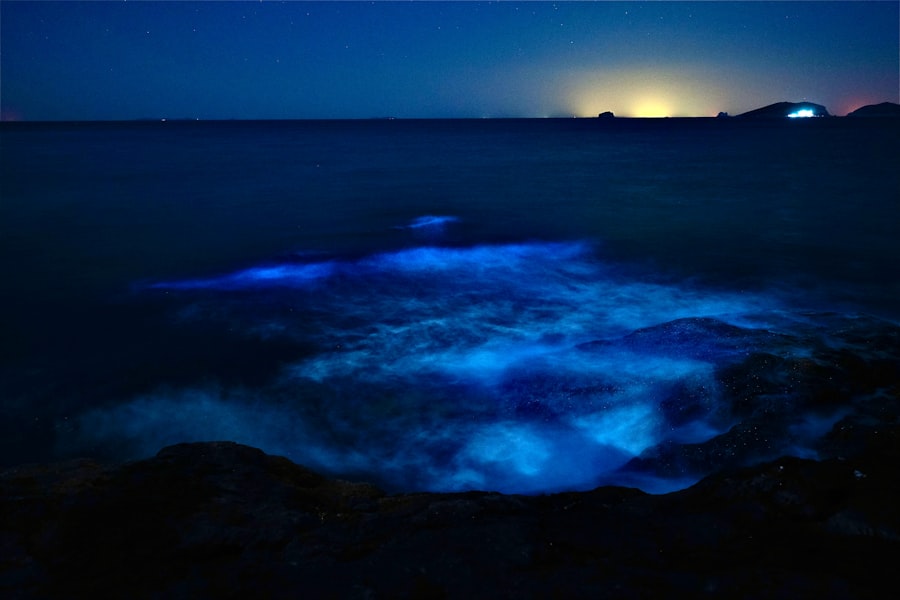
The bioluminescent displays of deep-sea creatures are as varied as the creatures themselves, showcasing a spectrum of colors and intricate patterns.
Blue and Green: The Dominant Hues
The most common colors of bioluminescence in the deep sea are blue and green. This is because these wavelengths of light travel furthest through seawater, making them most effective for communication and detection in the dim environment.
Wavelengths and Seawater Transmission
Seawater absorbs longer wavelengths of light, such as red and yellow, much more readily than shorter wavelengths like blue and green. Therefore, organisms that evolve bioluminescence for long-distance signaling or detection have naturally gravitated towards producing light in the blue-green spectrum. This makes their signals visible to others across significant distances.
Evolutionary Advantage of Blue-Green Light
The prevalence of blue-green bioluminescence is a clear example of evolutionary adaptation. Organisms that produced light in these wavelengths were more likely to be seen by potential mates or prey, and less likely to be detected by predators that could not perceive these colors as well. This has created a dominant signaling system in the deep ocean.
Rarer Colors: Red and Yellow
While less common, some deep-sea organisms have evolved the ability to produce red or yellow light. This is a more recent evolutionary development and suggests specific advantages associated with these less conventional colors.
Red Light: A Secretive Communication Channel
Some predators, like the dragonfish, have evolved specialized organs that produce red light. Very few deep-sea creatures can perceive red light, meaning these fish can use it as a private communication channel to spot prey without being detected themselves. It’s like having night-vision goggles that only you can use.
Yellow Light: Attracting Specific Prey
Yellow light, though rarer, might be used to attract specific types of prey that are more sensitive to these wavelengths. This could be a niche strategy for specialized feeders, allowing them to exploit food sources that are inaccessible to other predators. The precise reasons for the evolution of yellow bioluminescence are still being investigated.
Patterns and Pulsations: A Visual Language
Beyond color, the patterns and pulsations of bioluminescent displays add another layer of complexity. These can range from simple steady glows to complex, rapid flashes and intricate waves of light.
Morphological Adaptations of Light Organs
The structure of the light organs themselves plays a significant role in the visual effects. Some organs are simple sacs, while others are highly complex, with lenses, reflectors, and filters that can shape and direct the light. These adaptations allow for precise control over the emitted light, enabling a wide range of visual signals.
Temporal Dynamics of Light Emission
The timing of light emission is also crucial. Rapid flashes can be used to startle or signal alarm, while slower pulses might be used for courtship. The intricate temporal dynamics of these displays are a testament to the sophisticated communication systems that have evolved in the deep sea. It’s a silent, yet eloquent, form of communication.
Exploring the Abyss: Challenges and Discoveries
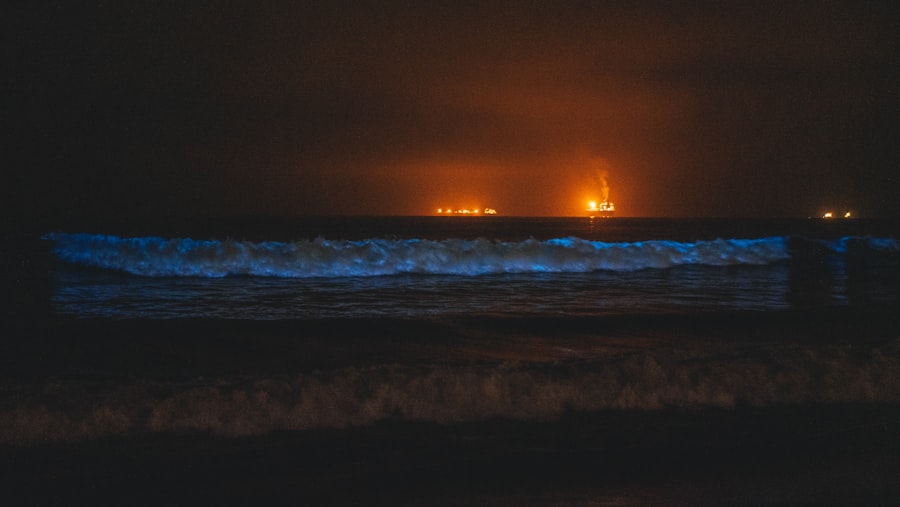
The study of deep-sea bioluminescence is an endeavor fraught with challenges, primarily due to the extreme environment where these organisms reside. However, persistent exploration has yielded remarkable discoveries.
The Harsh Environment: Pressure, Cold, and Darkness
The deep sea is characterized by immense pressure, near-freezing temperatures, and the complete absence of sunlight. These conditions make it incredibly difficult for humans and their equipment to access and study these environments.
Technological Hurdles
Operating remotely operated vehicles (ROVs) and submersibles at these depths requires cutting-edge technology capable of withstanding extreme pressure and maintaining stable operation. The cost and logistical complexity of these expeditions are substantial.
Preserving Organisms for Study
Bringing deep-sea organisms to the surface for study often proves challenging. The drastic changes in pressure and temperature can be fatal, making it difficult to preserve their biological functions and observe them in their natural state. Specialized pressurized aquariums and laboratory setups are often required.
Advances in Exploration Technology
Despite the challenges, technological advancements have opened new windows into the deep sea, revolutionizing our ability to study bioluminescence.
Remotely Operated Vehicles (ROVs) and Autonomous Underwater Vehicles (AUVs)
ROVs, tethered to a surface vessel, and AUVs, operating independently, are equipped with high-definition cameras, lights, and sampling devices. These vehicles allow scientists to observe bioluminescent displays in situ, collect specimens, and gather crucial data. The ability to deploy these sophisticated instruments for extended periods is crucial.
High-Sensitivity Cameras and Spectrometers
New generations of cameras are capable of detecting faint bioluminescent signals that were previously invisible. Spectrometers can analyze the spectral composition of the emitted light, providing detailed information about the underlying chemical processes and the color of the luminescence. This allows for a much deeper understanding of the light signals.
Genetic and Molecular Tools
Advances in genetic sequencing and molecular biology are enabling scientists to study the genes responsible for bioluminescence in deep-sea organisms. This helps to unravel the evolutionary history of these traits and the specific biochemical pathways involved. Understanding the genetic blueprints behind light production is a significant step.
Ongoing Research and Future Prospects
The study of deep-sea bioluminescence is a dynamic and exciting field, with much still to be discovered.
Unraveling New Bioluminescent Mechanisms
Scientists continue to discover new species of bioluminescent organisms, each with potentially unique mechanisms of light production. The diversity of luciferins and luciferases is likely far greater than currently known. This ongoing discovery process promises to reveal novel biochemical pathways and molecular players.
Potential Applications in Medicine and Technology
The study of bioluminescence has already yielded valuable applications. For instance, bioluminescent markers are used in medical research to track cellular processes. The efficient light-generating systems of deep-sea organisms could inspire new bio-inspired technologies, such as highly efficient lighting or novel diagnostic tools. The quest to mimic nature’s light production continues.
Deep sea bioluminescence is a fascinating phenomenon that has captivated scientists and nature enthusiasts alike, revealing the incredible adaptations of marine life in the dark depths of the ocean. For those interested in exploring this subject further, a related article can be found at Freaky Science, where you can learn more about the various organisms that utilize this natural light for communication, predation, and camouflage. The study of these glowing creatures not only enhances our understanding of marine ecosystems but also inspires innovations in technology and medicine.
The Bioluminescent Biodiversity of the Deep
| Species | Bioluminescent Organ | Color of Light | Depth Range (m) |
|---|---|---|---|
| Anglerfish | Esca | Blue-green | 200-2000 |
| Comb Jelly | Photocytes | Various | 100-1500 |
| Glowing Sucker Octopus | Photophores | Blue | 1000-4000 |
The deep sea is home to an astonishing array of bioluminescent organisms, each with its own unique adaptations and light displays. From the smallest plankton to the largest fish, light plays a central role in their lives.
Microbial Luminescence: The Foundation of the Glow
At the base of the deep-sea food web, microscopic organisms, particularly bacteria and dinoflagellates, are significant contributors to bioluminescence.
Bioluminescent Bacteria in Symbiosis
As mentioned earlier, many larger organisms rely on symbiotic relationships with bioluminescent bacteria. These bacteria are ubiquitous in the marine environment and are a primary source of light for many deep-sea dwellers. The specific strains of bacteria and their host associations are a subject of ongoing research.
Dinoflagellates: The Sparklers of the Sea
Dinoflagellates, a type of plankton, are responsible for the mesmerizing “sea sparkle” phenomenon observed in some surface waters and are also found in the deep. When disturbed, they emit a brief, intense flash of light, likely as a defense mechanism to startle predators or attract larger predators to their attackers.
Invertebrates: A Kaleidoscope of Light
A vast number of deep-sea invertebrates exhibit bioluminescence, showcasing incredible diversity in their light-producing capabilities.
Jellyfish and Siphonophores: Pulsating Lanterns
Many species of jellyfish and siphonophores possess photophores, specialized light-producing organs. Their bioluminescent displays can range from simple flashes to complex patterns that ripple across their bodies, often used for communication, defense, and attracting prey. Some can even produce cascading waves of light.
Squid and Octopuses: Masters of Disguise
Cephalopods like squid and octopuses are renowned for their intelligence and their mastery of bioluminescence. They can control the intensity and pattern of their light organs with remarkable precision, using it for camouflage through counterillumination, startling predators with sudden flashes, or communicating with each other. Some species can even eject bioluminescent ink.
Crustaceans and Worms: Tiny Beacons
Smaller invertebrates, such as certain species of shrimp, ostracods, and polychaete worms, also possess bioluminescent capabilities. These can be used for defense, such as releasing clouds of glowing particles, or for attracting mates. The diversity of these displays is immense.
Fish: The Luminous Predators and Prey
Deep-sea fish have evolved a wide array of bioluminescent adaptations, from simple lures to complex camouflage systems.
Anglerfish, Viperfish, and Dragonfish: Fearsome Luminaries
These predatory fish are well-known for their elaborate bioluminescent features. Anglerfish use glowing lures, viperfish have photophores along their bodies and jaws, and dragonfish possess specialized organs for emitting red light. These adaptations are crucial for hunting in the absolute darkness.
Bioluminescent Camouflage and Signaling
Many deep-sea fish employ counterillumination to blend in with the faint downwelling light, rendering them invisible to predators from below. Other species use specific patterns of photophores for species recognition and mating signals. The placement and complexity of these photophores vary greatly between species.
Lanternfish: A Dominant Bioluminescent Group
Lanternfish are a particularly abundant and diverse group of deep-sea fish, characterized by their rows of photophores along their flanks. These lights are thought to be used for schooling, species recognition, and possibly for communication within their schools. Their widespread presence highlights the importance of bioluminescence in this environment.
The Ethical Considerations and Future of Bioluminescence Research
As our understanding of deep-sea bioluminescence grows, so too does the responsibility to study and protect this unique ecosystem.
Conservation of Deep-Sea Ecosystems
The deep sea is increasingly vulnerable to human activities such as deep-sea mining, pollution, and overfishing. The unique adaptations of bioluminescent organisms, honed over millions of years, could be lost before they are fully understood.
Protecting Fragile Habitats
Efforts to conserve deep-sea ecosystems are crucial. This includes establishing marine protected areas and implementing regulations to minimize the impact of industrial activities. The intrinsic value of these unique environments, with their dazzling displays of life, deserves protection.
Understanding the Impact of Human Activities
It is essential to understand how human activities might impact bioluminescent organisms and their habitats. Changes in water chemistry, increased noise pollution, and physical disturbance could all have unforeseen consequences for these delicate light-dependent communities.
The Future of Bioluminescence Research
The field of bioluminescence research is poised for continued expansion, driven by technological advancements and a growing appreciation for the complexity and beauty of life in the deep sea.
Interdisciplinary Approaches
Future research will likely involve increased collaboration between biologists, chemists, physicists, and engineers. This interdisciplinary approach will be vital for tackling the complex challenges of deep-sea exploration and understanding the intricate mechanisms of bioluminescence.
Inspiring Innovation
The study of bioluminescence holds immense potential for inspiring innovation in various fields, from medicine and biotechnology to materials science and energy production. The natural world, with its elegant solutions, continues to be a powerful source of inspiration for human ingenuity. The silent, luminous language of the deep ocean promises to reveal even more wonders as we continue to explore its depths.

The Deeper You Go, the Less Life Looks Like Life
FAQs
What is deep sea bioluminescence?
Deep sea bioluminescence refers to the production and emission of light by living organisms in the deep ocean. This phenomenon is most commonly observed in marine animals such as fish, jellyfish, and squid, as well as some types of bacteria and plankton.
How do organisms in the deep sea produce bioluminescence?
Organisms in the deep sea produce bioluminescence through a chemical reaction that involves the enzyme luciferase and a light-emitting molecule called luciferin. When these two substances react with oxygen, they produce light. This process is used by organisms for a variety of purposes, including communication, attracting prey, and camouflage.
What are some examples of deep sea bioluminescent organisms?
Some examples of deep sea bioluminescent organisms include the anglerfish, which uses a bioluminescent lure to attract prey, the vampire squid, which can emit a dazzling light display to confuse predators, and the deep sea jellyfish, which produces bioluminescent flashes to startle and deter potential threats.
Why is bioluminescence important in the deep sea?
Bioluminescence plays a crucial role in the deep sea ecosystem. It is used by organisms for communication, finding mates, attracting prey, and deterring predators. It also helps scientists study and understand the behavior and ecology of deep sea organisms.
How is bioluminescence being studied and utilized by scientists?
Scientists are studying bioluminescence in the deep sea to gain insights into the behavior and ecology of deep sea organisms. They are also exploring potential applications of bioluminescence in medical imaging, environmental monitoring, and other fields. Additionally, bioluminescent organisms are being used as models for developing new technologies and materials.