
The ubiquitous glow of backlit screens has long dominated the digital landscape. From smartphones to laptops, the vibrant hues and dynamic refresh rates of LCD and OLED technology have become the assumed standard. Yet, amidst this colorful cacophony, a quieter, more understated technology continues to carve out a significant niche: the black and white E Ink display. Far from being a relic of early digital devices, E Ink, with its inherent elegance and unique advantages, is experiencing a resurgence, finding new life in a variety of modern technological applications. This article will delve into the sophisticated appeal and practical benefits of these monochromatic marvels, exploring their evolution, their current applications, and their enduring promise.
The Genesis of a Subdued Revolution
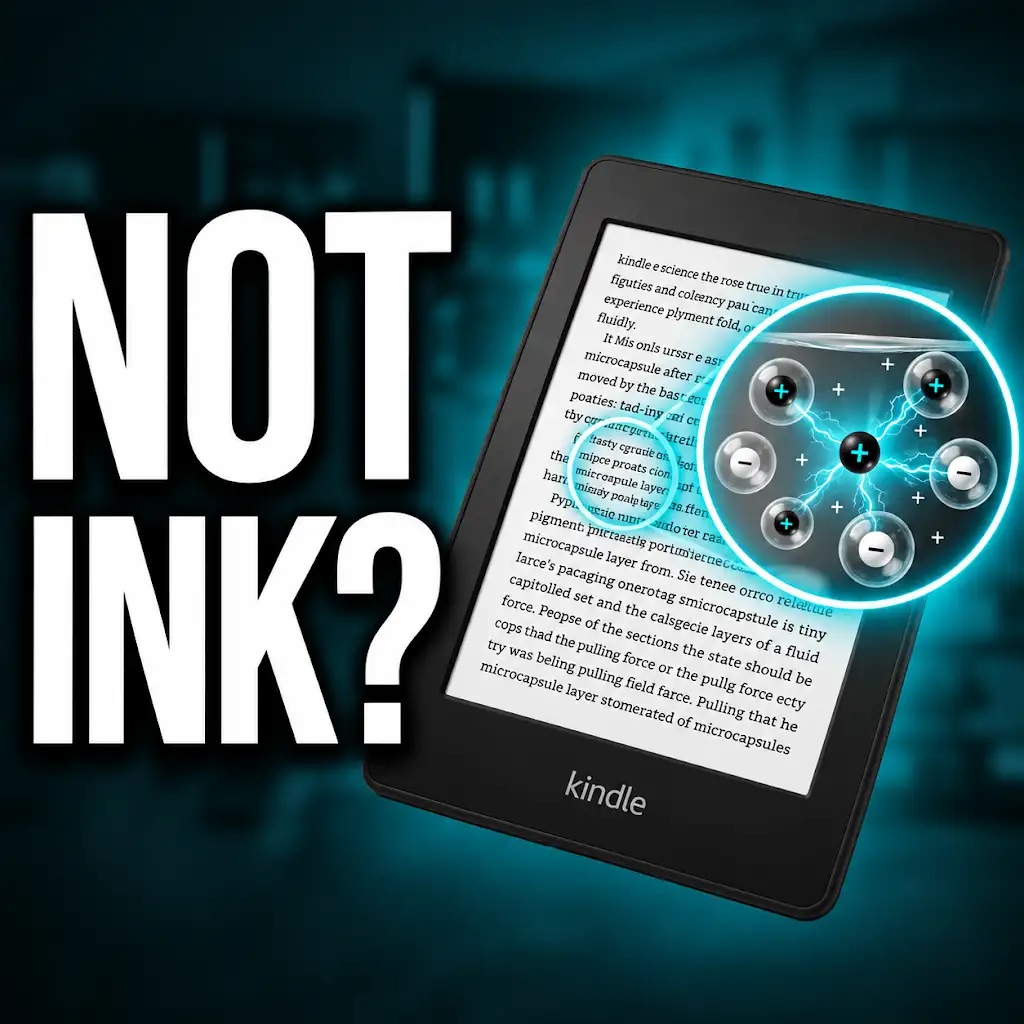
The journey of E Ink, or electrophoretic ink, is a story of scientific ingenuity and a departure from conventional display paradigms. Unlike emissive displays that generate their own light, E Ink mimics the appearance of ink on paper, a fundamental difference that underpins its core strengths. The technology relies on microcapsules, each containing positively and negatively charged particles suspended in a fluid. When an electric field is applied, these particles migrate to the surface, creating either a black or white dot, depending on their charge. This bistable nature, meaning the image remains visible even when power is removed, is a cornerstone of its efficiency.
Early Innovations and the Rise of E-readers
The concept of electrophoretic displays emerged in the late 1990s, with E Ink Corporation being a pivotal player in its development and commercialization. The initial applications were envisioned for a wide range of devices, but it was the advent of e-readers that truly propelled E Ink into the public consciousness. Devices like the Amazon Kindle, launched in 2007, offered a reading experience remarkably akin to paper, free from the eye strain and glare associated with traditional backlit screens. This breakthrough opened up a new market for digital books and solidified E Ink’s reputation as the premier technology for long-form reading. The ability to display text with incredible clarity, even in direct sunlight, and the significantly reduced power consumption, which allowed for weeks of battery life on a single charge, were revolutionary. The grayscale nature, while limiting in terms of color, was perfectly suited for the black and white text and simple graphics that dominated literary content. This early success laid the foundation for the technology’s continued evolution and its eventual expansion into other domains.
The Science Behind the Simplicity
The elegance of E Ink lies in its deceptively simple yet sophisticated underlying physics. Each microcapsule, typically about the diameter of a human hair, contains a clear fluid with black and white charged particles. Applying a negative electric charge to the surface of the display causes the positively charged white particles to move to the top, making the pixel appear white. Conversely, a positive charge pushes the negatively charged black particles to the surface, resulting in a black pixel. This process is energy-efficient because once the particles are in place, they remain there without requiring continuous power. This is the essence of bistability, a characteristic that sets E Ink apart from the power-hungry nature of active-matrix displays. The precise control of these microcapsules through an electronic grid allows for the formation of sharp, clear text and images, contributing to the perception of reading on paper. Furthermore, the reflective nature of E Ink means it utilizes ambient light, making it not only easy on the eyes but also remarkably effective in bright outdoor conditions, a stark contrast to the washed-out appearance of many backlit screens under direct sunlight.
Black and white e-ink technology has revolutionized the way we read and interact with digital content, offering a paper-like experience that is easy on the eyes. For those interested in exploring this topic further, a related article can be found at Freaky Science, which delves into the advancements and applications of e-ink displays in various devices. This resource provides valuable insights into how e-ink technology is shaping the future of reading and digital interfaces.
Redefining the Reading Experience

The most profound impact of black and white E Ink displays has undoubtedly been on the way people consume written content. The shift from paper to digital was initially met with skepticism, largely due to the discomfort and visual fatigue associated with early digital screens. E Ink directly addressed these concerns, offering a tangible alternative that catered to the ingrained habits of readers.
The Eye-Friendly Advantage
The absence of a backlight is the primary reason for E Ink’s renowned eye comfort. Unlike LCD or OLED screens that emit light directly into the user’s eyes, E Ink displays are reflective, meaning they bounce ambient light off their surface, much like a physical book. This significantly reduces the strain and dryness commonly experienced with prolonged screen time on backlit devices. For individuals who spend hours reading, whether for work, study, or pleasure, this ergonomic benefit is invaluable. The reduced blue light emission also contributes to a more relaxed reading experience, particularly in the evening, potentially aiding in better sleep patterns. The clarity of the text, often described as razor-sharp, further enhances readability, minimizing the need for constant focus adjustments. This inherent quality makes E Ink an ideal choice for anyone prioritizing a comfortable and sustainable digital reading habit.
Portability and Durability
The low power consumption of E Ink displays translates directly into exceptional battery life. E-readers, for instance, can operate for weeks on a single charge, a feat unimaginable for most other electronic devices. This portability and longevity make them ideal companions for travel, commuting, or simply for those who prefer not to be tethered to a power outlet. Furthermore, the robust nature of E Ink screens, often lacking the delicate glass layers found in many other displays, can contribute to greater durability. While not entirely impervious to damage, they tend to be more resilient to scratches and minor impacts, further enhancing their appeal for portable applications. This combination of extended use without recharging and a more forgiving physical construction makes E Ink devices particularly well-suited for on-the-go lifestyles and demanding environments.
Beyond Books: Expanding Horizons

While the e-reader remains the quintessential E Ink device, the technology’s unique attributes have led to its adoption in a surprising array of other applications. Its ability to present information clearly, consume minimal power, and offer a paper-like aesthetic makes it a compelling choice for scenarios where dynamic color and rapid refresh rates are not essential.
Digital Signage and Information Displays
In public spaces, from airports and train stations to retail environments and corporate offices, static or infrequently updated information displays are a common sight. Black and white E Ink excels in these applications. Its excellent visibility in bright light conditions ensures that information is easily legible to passersby, regardless of the ambient illumination. The low power consumption means that these displays can operate for extended periods without requiring constant power, making them an environmentally friendly and cost-effective solution. Furthermore, the bistable nature allows for content to be updated remotely and remain displayed without draining battery power, ideal for electronic shelf labels, public transport schedules, and digital directories. The ability to update content on demand without the need for physical signage changes offers significant operational flexibility and cost savings.
Wearable Technology and Smart Devices
The integration of E Ink into wearable technology represents a fascinating convergence of minimalist design and practical functionality. Smartwatches that utilize E Ink displays often boast extended battery life, allowing users to track fitness data, receive notifications, and check the time without the daily charging ritual associated with many other smartwatches. The paper-like readability of these displays also ensures that information is easily accessible at a glance, even in bright sunlight, a common challenge for other wearable display technologies. Beyond watches, E Ink is also finding its way into other smart devices, such as smart badges, keycards, and even smart home control panels, where its low power requirements and clear display of static or semi-static information are highly advantageous. The subtle aesthetic of E Ink also lends itself well to wearable designs, offering a sophisticated and understated look.
Industrial and Specialized Applications
The resilience and low power requirements of E Ink make it an attractive option for industrial and specialized applications where ruggedness and long-term operation are paramount. In manufacturing environments, E Ink displays can be used for inventory tracking, work instructions, and real-time production status updates. Their ability to withstand harsh conditions, including temperature fluctuations and dust, can be a significant advantage. Furthermore, in areas like asset tracking and logistics, E Ink tags can provide persistent identification and status information for goods and equipment, operating for years without battery replacement. The technology’s versatility extends to fields such as healthcare, where E Ink could be used for patient identification bracelets or medical record displays that require minimal maintenance and are highly legible.
The Evolution of E Ink: Color and Beyond
While black and white E Ink has carved its niche, the technology has not stagnated. Significant advancements have been made to introduce color and enhance the refresh rates, opening up even more possibilities for its application.
The Dawn of Color E Ink
The introduction of color E Ink has been a significant milestone, bridging the gap between monochromatic displays and the vibrant world of full-color screens. Technologies like E Ink Kaleido and E Ink Gallery have enabled devices to display images and content with a limited but usable color palette. While not as vibrant or as wide-ranging as LCD or OLED, color E Ink offers a compelling alternative for applications where color is beneficial for information representation, such as highlighting key data points or displaying simple charts and graphs, without sacrificing the core advantages of paper-like readability and low power consumption. The trade-off often involves a slightly reduced resolution or slower refresh rates compared to monochrome E Ink, but the added dimension of color opens up new possibilities for more engaging content presentation.
Faster Refresh Rates and Improved Interactivity
A historical limitation of E Ink has been its relatively slow refresh rate, which makes it unsuitable for applications requiring rapid animation or smooth video playback. However, ongoing research and development have led to significant improvements in this area. Newer generations of E Ink displays offer faster refresh rates, enabling more responsive touch interactions and smoother page turns in e-readers. This enhanced interactivity makes devices feel more fluid and intuitive to use. While E Ink will likely never compete with the video capabilities of mainstream displays, these improvements make it a more viable option for interactive applications that benefit from its other strengths, such as digital notepads or interactive educational tools. The progress in this area is steadily pushing the boundaries of what E Ink can achieve.
Black and white e-ink technology has revolutionized the way we read and interact with digital content, offering a paper-like experience that is easy on the eyes. For those interested in exploring the latest advancements in this field, a related article can be found at Freaky Science, which delves into the benefits and future potential of e-ink displays. This innovation not only enhances readability but also contributes to energy efficiency, making it a popular choice for e-readers and other devices.
The Future of Understated Brilliance
| Metric | Value | Description |
|---|---|---|
| Display Type | Black and White E Ink | Monochrome electronic paper display technology |
| Resolution | 600 x 800 to 1440 x 1080 pixels | Common resolutions for e-readers using black and white E Ink |
| Pixel Density | 150 – 300 PPI | Pixels per inch, affecting text clarity |
| Refresh Rate | 0.5 – 1 second | Time taken to update the display content |
| Power Consumption | Very Low (mW range) | Power used only when refreshing the screen |
| Contrast Ratio | 10:1 to 15:1 | Difference between black and white levels |
| Viewing Angle | ~180 degrees | Wide viewing angle without color distortion |
| Typical Screen Size | 6 to 13.3 inches | Common sizes for e-readers and digital notepads |
| Operating Temperature | -20°C to 60°C | Temperature range for reliable operation |
| Weight | Lightweight (varies by device) | Due to thin and flexible display technology |
The persistent appeal of black and white E Ink lies in its fundamental strengths: exceptional readability, unparalleled power efficiency, and a distinct aesthetic that evokes the tactile experience of paper. As technology continues to evolve, these qualities are becoming increasingly valuable in a world saturated with bright, power-hungry screens.
Sustainability and Reduced Digital Fatigue
In an era increasingly focused on sustainability, the low power consumption of E Ink aligns perfectly with environmental goals. Devices that require less energy to operate contribute to a smaller carbon footprint. Furthermore, as awareness of the impact of screen time on digital fatigue grows, the eye-friendly nature of E Ink offers a welcome respite. The demand for devices that promote well-being and mindful technology use is likely to increase, further solidifying E Ink’s position. The technology provides a conscious choice for consumers and businesses looking to reduce their environmental impact and prioritize user health.
The Enduring Niche and Growing Acceptance
While E Ink may never replace the vibrant, high-refresh-rate displays found in smartphones and televisions, its unique advantages ensure its continued relevance and growth. Its dominance in the e-reader market is secure, and its expanding presence in digital signage, wearables, and specialized industrial applications demonstrates its versatility. As the technology continues to mature, with improvements in color reproduction and refresh rates, its adoption in a wider range of products is inevitable. The elegance of black and white E Ink, once a niche curiosity, is now recognized as a sophisticated and practical solution, promising a future where understated brilliance continues to capture attention and serve essential needs.
Why Your Kindle Screen Doesn’t Work the Way You Think
FAQs
What is black and white e ink?
Black and white e ink is a type of electronic paper display technology that mimics the appearance of ink on paper. It uses tiny microcapsules filled with black and white particles that are controlled by electrical charges to create text and images.
How does black and white e ink differ from traditional LCD screens?
Black and white e ink differs from traditional LCD screens in that it does not emit light. Instead, it relies on ambient light to be visible, making it easier on the eyes and more similar to reading from a physical book.
What are the advantages of using black and white e ink displays?
Some advantages of using black and white e ink displays include lower power consumption, better readability in direct sunlight, and reduced eye strain compared to traditional backlit screens.
Can black and white e ink displays show color?
No, black and white e ink displays are limited to displaying shades of black, white, and gray. They do not have the capability to show color like traditional LCD or OLED screens.
Are black and white e ink devices suitable for reading e-books?
Yes, black and white e ink devices are popular choices for reading e-books due to their paper-like appearance, long battery life, and reduced glare. Many e-readers use black and white e ink technology for a more comfortable reading experience.