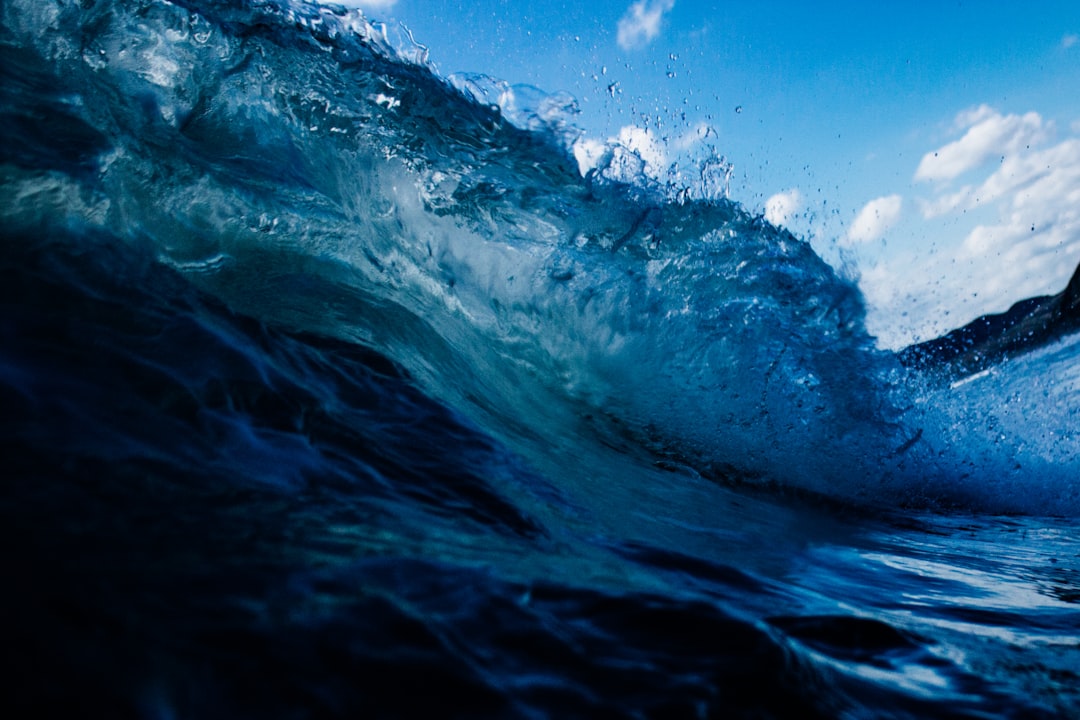
The flickering screen of the projector cast an ethereal blue light across the darkened room, mimicking the very depths it promised to unveil. The documentary, aptly titled “Exploring the Depths: Oceanography,” was more than just a collection of stunning visuals; it was an immersive journey into a world largely unknown, a testament to the boundless curiosity of humankind and the enduring mysteries of Earth’s largest biosphere. From the sun-drenched surface to the crushing pressures of the abyss, the film meticulously peeled back the layers of the ocean, revealing its intricate ecosystems, its vital role in planetary health, and the relentless scientific endeavor to understand it.
The film’s opening pulsed with the vibrant energy of the ocean’s surface. Sunlight, refracted and scattered, painted a kaleidoscope of colors across the waves. Here, the documentary introduced the familiar, yet no less awe-inspiring, inhabitants of the upper reaches.
The Sunlit Zone: A Cradle of Life
The initial segment focused on the epipelagic zone, often referred to as the “sunlit zone.” This layer, extending from the surface down to approximately 200 meters (650 feet), receives the most sunlight and is the most biologically productive. The visuals were breathtaking: schools of shimmering fish darted through crystal-clear waters, their scales catching the light like scattered jewels. Elegant sea turtles glided effortlessly, ancient mariners navigating currents with an innate understanding of their domain.
Phytoplankton: The Unsung Heroes
A significant portion of this section was dedicated to the microscopic powerhouse of the ocean: phytoplankton. The documentary employed advanced microscopy, bringing these single-celled organisms to life on the colossal screen. It highlighted their crucial role as the base of the marine food web, converting sunlight and carbon dioxide into energy through photosynthesis. The sheer scale of their abundance was emphasized, demonstrating how these tiny entities collectively produce a substantial portion of the Earth’s oxygen, a fact often overlooked in broader discussions of atmospheric health. The narrative underscored that without phytoplankton, the vast majority of marine life, and indeed life on Earth, would cease to exist.
Zooplankton: The Grazers of the Blue
Following the phytoplankton, the film explored the zooplankton, the microscopic animal life that feeds upon them. Delicate copepods, gelatinous comb jellies, and the larvae of larger marine creatures were showcased. The documentary illustrated the complex predator-prey relationships at this level, revealing a miniature world teeming with activity and constant movement. The interconnectedness of these organisms was palpable, demonstrating how the health of the phytoplankton directly impacts the survival of zooplankton populations, which in turn sustain larger predators.
The Great Barrier Reef: A Symphony of Biodiversity
The vibrant coral reefs, teeming with an astonishing diversity of life, were a central focus of the surface exploration. The documentary presented a vivid portrayal of these underwater cities, their kaleidoscopic colors and intricate structures acting as both shelter and sustenance for countless species. Parrotfish, their beaks scraping algae from coral, were shown as vital ecosystem engineers, while elusive nudibranchs, adorned in vibrant patterns, highlighted the evolutionary marvel of marine invertebrates. The fragility of these ecosystems was also subtly introduced, with shots of bleached coral serving as a somber reminder of the threats they face.
The Twilight Zone: A Realm of Adaptation
As the documentary transitioned deeper, the light began to fade, ushering in the mesopelagic zone, or “twilight zone.” This layer, extending from 200 to 1,000 meters (650 to 3,300 feet), is characterized by perpetual gloom. The marine life here exhibited remarkable adaptations to survive in this challenging environment.
Bioluminescence: Nature’s Underwater Lanterns
One of the most captivating aspects of the mesopelagic was the prevalence of bioluminescence. The documentary displayed an array of creatures that generate their own light, creating an otherworldly spectacle. Anglerfish, with their bioluminescent lures, patiently awaited unsuspecting prey, while schools of flashlight fish flashed in synchronized displays. The narrative explained the various functions of bioluminescence: attracting mates, evading predators, and communication in the perpetually dark waters. The intricate mechanisms behind light production, involving chemical reactions within specialized organs, were explained in accessible terms.
Vertical Migration: A Daily Commute
The film highlighted the phenomenon of diel vertical migration, a daily movement of marine organisms between the mesopelagic and epipelagic zones. As darkness falls, many creatures ascend to the surface waters to feed, returning to the ocean depths before sunrise to avoid predators. This vast, synchronized movement of biomass is one of the largest migrations on Earth, a testament to the intricate biological clocks and navigational skills of these creatures. The documentary illustrated the energetic costs and benefits of this daily commute, underscoring its significance in nutrient cycling and energy transfer within the ocean.
Eyes of the Deep: Adapting to Low Light
The documentary examined the specialized adaptations of marine life in the twilight zone, particularly their eyes. Many species possess large, sensitive eyes capable of gathering the faintest traces of light, while others have developed tubular eyes that can focus light from above. The film showcased the unique visual systems that allow these creatures to perceive their environment in the perpetual dimness, from detecting the faint glow of bioluminescent prey to navigating the complex three-dimensional seascape.
For those interested in exploring the depths of oceanography, a fascinating article can be found at Freaky Science, which delves into the latest discoveries and technologies used in underwater exploration. This resource complements any oceanography documentary by providing insights into the scientific methods that researchers employ to study marine ecosystems and the impact of climate change on ocean health.
The Midnight Realm: Echoes in the Abyss
Plunging further, the documentary entered the bathyal zone, commonly known as the “midnight zone.” This vast expanse, from 1,000 to 4,000 meters (3,300 to 13,100 feet), is a world of crushing pressure, near-freezing temperatures, and absolute darkness. The creatures inhabiting this environment are some of the most alien and fascinating on Earth.
Life Under Immense Pressure: Surviving the Squeeze
The film’s visuals shifted to a starker palette, dominated by shades of black and deep blue. The immense pressure of the deep ocean was vividly conveyed through animations and the physical characteristics of the inhabitants. Gelatinous bodies, lack of air-filled cavities, and pliable bones were presented as essential adaptations for survival. The documentary explained how deep-sea organisms have evolved specialized proteins and cellular structures that prevent them from being crushed by the weight of the water above. The ingenious solutions offered by evolution in the face of such extreme conditions were truly remarkable.
The Vampire Squid: A Master of Defense
A memorable segment focused on the vampire squid (Vampyroteuthis infernalis). Contrary to its ominous name, these creatures are not predators but scavengers. The documentary showcased their unique defensive mechanism: a bioluminescent cloud of mucus expelled from their arm tips, mimicking a swarm of glowing particles to confuse attackers. They also possess the ability to invert their hooded mantle, revealing rows of bioluminescent organs, further disorienting a potential threat. The film emphasized the intelligence and complexity of these seemingly simple adaptations.
Deep-Sea Anglers and Their Tactics
The iconic anglerfish, with their grotesque appearances and bioluminescent lures, were a recurring motif. The documentary elaborated on their predatory strategies, explaining how the “fishing rod” tipped with a luminous esca attracts smaller fish in the darkness, leading them directly to the anglerfish’s formidable jaws. The extreme sexual dimorphism in some anglerfish species, where tiny males permanently attach themselves to much larger females, was also explored, highlighting the unique reproductive challenges and solutions in this resource-scarce environment.
The Unseen Ecosystem: Chemosynthesis’s Power
The documentary ventured further into the absolute darkness to explore hydrothermal vents. Here, life does not depend on sunlight but on chemosynthesis. The footage revealed towering chimney-like structures spewing superheated, mineral-rich water from the Earth’s crust.
Life at the Vents: A Chemical Symphony
The organisms thriving around these vents, such as giant tube worms, blind shrimp, and bizarre crabs, were presented as testament to life’s adaptability. The narrative explained how specialized bacteria at the base of the food web utilize hydrogen sulfide from the vents as an energy source, forming the foundation for these unique ecosystems. The discovery of these vent communities revolutionized our understanding of life’s origins and its potential to exist in extreme environments, both on Earth and potentially beyond.
The Ocean’s Heartbeat: Earth’s Climate Regulator
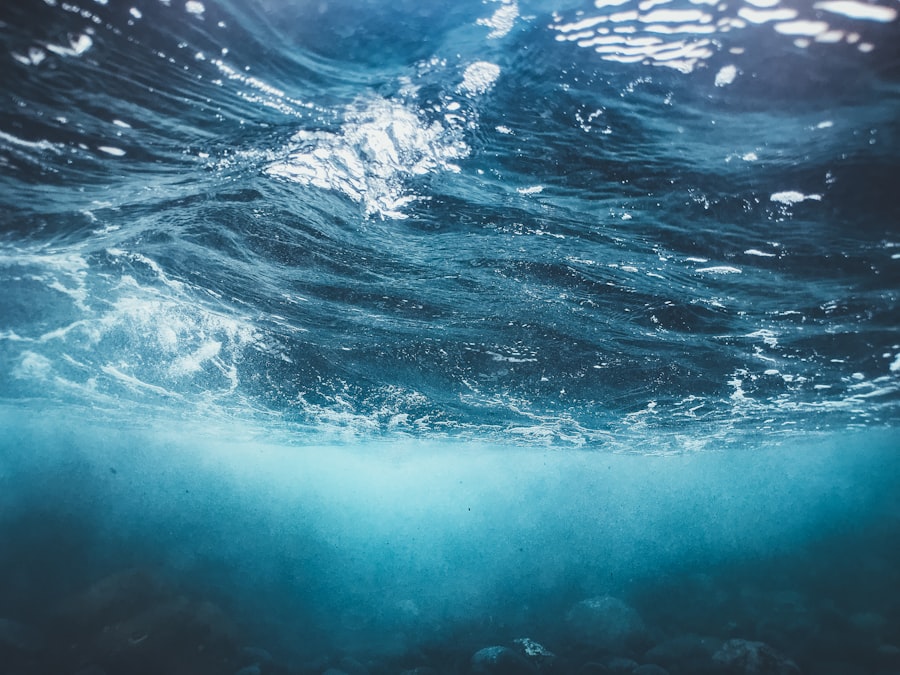
Beyond its captivating ecosystems, “Exploring the Depths” meticulously illustrated the ocean’s paramount importance as Earth’s climate regulator. The film moved beyond the purely biological to delve into the physical and chemical processes that influence global weather patterns and temperature.
The Global Conveyor Belt: A Current of Life and Heat
A significant portion of the documentary was dedicated to the ocean’s thermohaline circulation, often referred to as the “global conveyor belt.” Animated graphics effectively visualized the movement of vast quantities of water across the planet, driven by differences in temperature and salinity.
Driving Forces: Temperature and Salinity
The film explained how cold, dense water sinks in polar regions, initiating the slow, persistent flow of deep ocean currents. Conversely, warmer, less dense water rises in other areas, completing the cycle. The role of evaporation and freshwater input from rivers and melting ice in altering salinity was also highlighted, emphasizing the delicate balance that maintains this crucial circulation system. The narrative stressed that disruptions to this conveyor belt, perhaps due to climate change, could have profound and far-reaching consequences for global weather patterns.
Carbon Sequestration: The Ocean’s Silent Service
The documentary emphasized the ocean’s critical role in absorbing and storing atmospheric carbon dioxide, a major greenhouse gas. The processes of direct absorption at the surface and the biological pump – where marine organisms sequester carbon through photosynthesis and subsequent sinking of organic matter – were explained. The film underscored that without this massive carbon sink, the Earth’s atmosphere would be much warmer, leading to more extreme climate change. The scale of this natural carbon sequestration was presented as a vital, often underestimated, planetary service.
Weather Maker: Shaping Continents and Coastlines
The film then shifted to the ocean’s influence on weather. The evaporation of seawater fuels rainfall that sustains terrestrial life, and ocean currents play a significant role in distributing heat around the globe, moderating coastal climates.
The El Niño Phenomenon: A Global Disruptor
The documentary provided a clear explanation of the El Niño-Southern Oscillation (ENSO), a naturally occurring climate pattern that significantly impacts weather worldwide. The shifting of warm surface waters in the Pacific, and its downstream effects on rainfall, temperature, and extreme weather events in distant regions, was illustrated with compelling data and visual representations. The film underscored the interconnectedness of Earth’s systems, demonstrating how changes in the ocean can ripple across continents.
Waves and Tides: The Ocean’s Rhythmic Pulse
While often seen as purely aesthetic, the film also touched upon the scientific significance of waves and tides. The constant ebb and flow of tides, driven by the gravitational pull of the moon and sun, were presented not just as a natural phenomenon but as a force that shapes coastlines and influences intertidal ecosystems. The immense power of waves, capable of sculpting landscapes and generating significant energy, was also showcased, hinting at the potential for harnessing this renewable resource.
The Abyss Dwells: Unveiling the Unknown
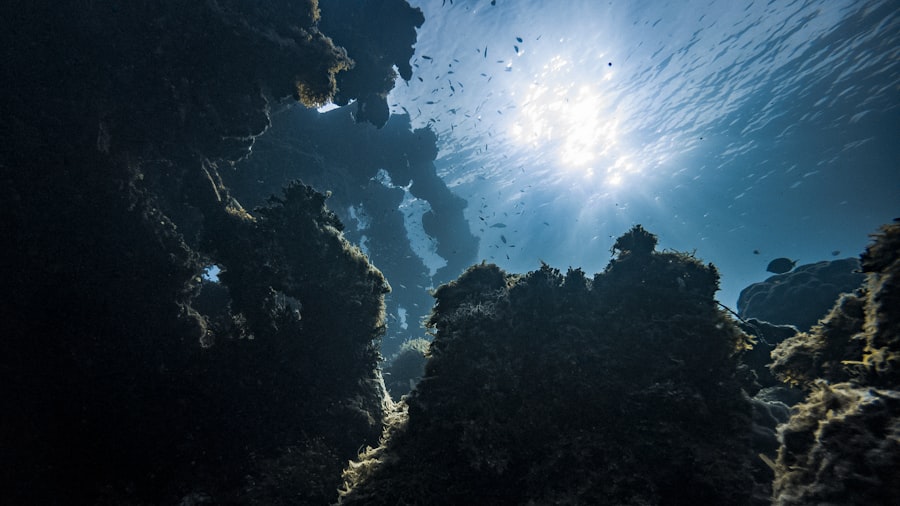
Despite decades of exploration, the documentary stressed that the vast majority of the ocean remains unexplored. The film dedicated a section to the ongoing scientific efforts to push the boundaries of our knowledge, highlighting the challenges and triumphs of deep-sea research.
The Frontiers of Exploration: Pushing the Boundaries
The documentary showcased the cutting-edge technology employed by oceanographers. Submersibles, remotely operated vehicles (ROVs), and autonomous underwater vehicles (AUVs) were presented as the extended senses of humanity, allowing us to venture into realms previously inaccessible.
Remotely Operated Vehicles (ROVs): The Eyes and Hands of Scientists
The intricate workings of ROVs, guided by pilots on surface vessels, were depicted. These sophisticated machines, equipped with high-definition cameras, sonar, and robotic arms, are capable of collecting specimens, conducting experiments, and gathering data in the deepest trenches. The film highlighted the bravery and skill of the individuals who operate these vehicles, navigating treacherous environments from the safety of a ship.
Autonomous Underwater Vehicles (AUVs): The Unseen Explorers
The film then introduced AUVs, intelligent robots capable of pre-programmed missions, navigating independently for extended periods. Their ability to explore vast areas of the seafloor, collect data, and resurface with their findings was showcased. The documentary emphasized the potential of AUVs to map uncharted territories and monitor long-term oceanographic changes with remarkable efficiency.
The Challenger Deep: The Ultimate Frontier
The journey culminated in a simulated descent into the Challenger Deep in the Mariana Trench, the deepest known point in the Earth’s oceans. The extreme conditions – immense pressure, crushing darkness, and near-freezing temperatures – were vividly recreated. The film showed the scarce yet resilient life forms adapted to this ultimate abyss, such as xenophyophores, giant single-celled organisms, and amphipods. The exploration of such extreme environments highlights the tenacity of life and the potential for novel discoveries, inspiring future generations of scientists and explorers.
In exploring the depths of oceanography, the documentary “Chasing the Tide” provides a captivating look at the intricate ecosystems that thrive beneath the waves. For those interested in further understanding the impact of climate change on marine life, a related article can be found at Freaky Science, which delves into the latest research and findings in the field. This combination of visual storytelling and scientific insight offers a comprehensive view of our oceans and the urgent need to protect them.
The Conservation Imperative: Protecting Our Blue Planet
| Documentary Title | Release Year | Director | Duration |
|---|---|---|---|
| Blue Planet II | 2017 | James Honeyborne | 6 episodes, 60 minutes each |
| Oceans | 2009 | Jacques Perrin, Jacques Cluzaud | 104 minutes |
| Chasing Coral | 2017 | Jeff Orlowski | 93 minutes |
The documentary concluded with a powerful call to action, emphasizing the urgent need for ocean conservation. The threats facing marine ecosystems – pollution, overfishing, climate change, and habitat destruction – were presented not as distant issues but as immediate crises with profound implications for the future of the planet.
The Shadow of Pollution: A Growing Threat
The film depicted the pervasive problem of plastic pollution, showing vast gyres of floating debris and the devastating impact on marine wildlife. The documentary illustrated how microplastics infiltrate the food chain, posing risks not only to marine life but also to human health. The impact of chemical pollutants, such as oil spills and agricultural runoff, on delicate marine habitats was also highlighted, painting a grim picture of human impact.
The Plastic Tide: From Surface to Sediment
The documentary traced the journey of plastic from its origins to its accumulation in the deepest ocean trenches. Images of seabirds entangled in plastic and marine mammals ingesting debris served as poignant reminders of the consequences of our consumer habits. The film advocated for reduced plastic consumption, improved waste management, and the development of biodegradable alternatives.
Overfishing: Depleting the Ocean’s Bounty
The documentary presented stark statistics on the decline of global fish populations. The film showcased the destructive methods employed by industrial fishing fleets, such as bottom trawling, which devastates seafloor habitats and results in significant bycatch. The narrative underscored the ecological and economic ramifications of overfishing, emphasizing the need for sustainable fishing practices and species management.
The Silent Seas: The Loss of Biodiversity
The visual contrast between healthy, vibrant coral reefs and degraded, barren underwater landscapes served as a powerful illustration of the impact of overfishing and habitat destruction. The film highlighted the interconnectedness of marine food webs, explaining how the removal of key species can have cascading effects throughout an ecosystem, leading to a loss of biodiversity and a decline in the ocean’s ability to regenerate.
Climate Change: An Existential Threat
The documentary revisited the impact of climate change on the ocean, focusing on ocean acidification and rising sea temperatures. The film explained how increased atmospheric CO2 absorbed by the ocean leads to a decrease in pH, threatening shell-forming organisms like corals and shellfish. The warming waters were shown to cause coral bleaching, disrupt marine migrations, and exacerbate the frequency and intensity of extreme weather events.
Acidification: A Silent Dissolver
The film used animations to illustrate how the increased acidity of the ocean dissolves the calcium carbonate structures of marine organisms, from microscopic plankton to majestic coral reefs. This subtle yet devastating change poses a direct threat to the foundation of many marine food webs and the health of vital ecosystems.
A Path Forward: Hope and Action
Despite the dire warnings, “Exploring the Depths” concluded on a note of hope. The documentary showcased inspiring examples of conservation efforts, scientific innovation, and community engagement. Marine protected areas, sustainable aquaculture, and ongoing research into ocean restoration were presented as vital steps in safeguarding the future of our oceans. The film urged viewers to become informed, to advocate for policies that protect marine environments, and to make conscious choices that reduce their individual impact. The ultimate message was clear: the ocean, with all its unfathomable depths and vital functions, is not merely a resource to be exploited, but a complex, interconnected system that demands our reverence, our understanding, and our unwavering commitment to its preservation. The journey into the depths had revealed not only the wonders of the ocean but also our profound responsibility to protect it for generations to come.

The Secret Ocean Layer That Lets Sound Travel for Thousands of Miles
FAQs
What is oceanography?
Oceanography is the study of the physical, chemical, biological, and geological aspects of the ocean. It involves understanding the ocean’s currents, tides, marine life, and the interactions between the ocean and the atmosphere.
What is an oceanography documentary?
An oceanography documentary is a film or video production that explores and educates viewers about various aspects of oceanography. It may cover topics such as marine ecosystems, ocean exploration, climate change, and the impact of human activities on the ocean.
What can viewers expect to learn from an oceanography documentary?
Viewers can expect to learn about the diverse marine life found in different ocean environments, the impact of climate change on the ocean, the importance of ocean conservation, and the latest advancements in oceanographic research and exploration.
Where can I watch oceanography documentaries?
Oceanography documentaries can be found on streaming platforms, such as Netflix, Amazon Prime, and Disney+, as well as on educational websites and channels dedicated to science and nature programming.
Why are oceanography documentaries important?
Oceanography documentaries are important because they help raise awareness about the importance of the ocean, educate viewers about the challenges facing marine ecosystems, and inspire action to protect and conserve the ocean for future generations.