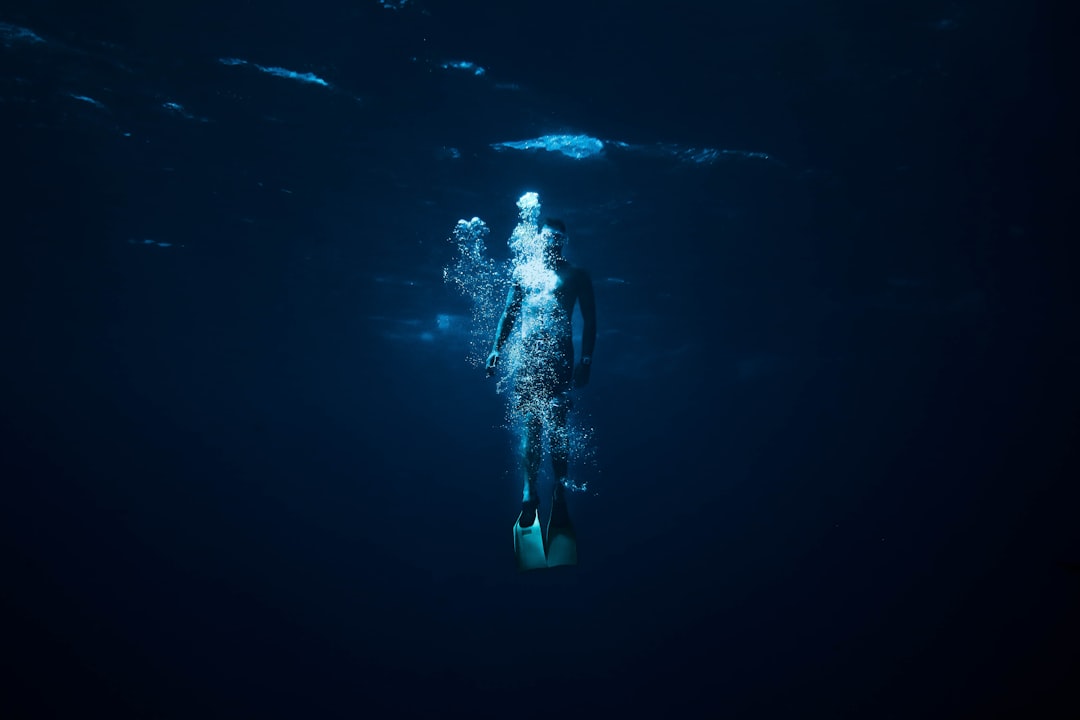
The deep ocean, a realm of perpetual twilight and immense pressure, has long captivated the human imagination. It is a frontier largely unexplored, a vast expanse teeming with life forms so alien and wondrous that they seem to belong to another planet. A recent documentary, aptly titled “Exploring the Depths: A Fascinating Ocean Documentary,” ventures into this enigmatic world, offering viewers an unprecedented glimpse into its secrets. This film is more than just a visual spectacle; it is a profound journey of discovery, revealing the intricate ecosystems, remarkable adaptations, and the vital importance of these abyssal realms to the health of our planet.
The initial segments of “Exploring the Depths” immediately immerse the audience in the crushing darkness of the ocean’s lower strata. The film masterfully employs cutting-edge submersible technology, allowing viewers to descend alongside intrepid scientists into regions where sunlight has never penetrated. The sheer scale of the abyss is emphasized, with vast plains stretching out, punctuated by colossal underwater mountains and volcanic vents. The documentary highlights the immense pressure, explaining how it shapes life in these environments, forcing creatures to evolve unique biological and structural adaptations simply to survive.
The Realm of Perpetual Twilight: Mesopelagic Marvels
The documentary dedicates a significant portion to the mesopelagic zone, often referred to as the “twilight zone.” This layer, extending from approximately 200 to 1,000 meters below the surface, receives only faint traces of sunlight. Here, the visual landscape shifts from utter blackness to a dim, ethereal blue. The film showcases the creatures that inhabit this transitional zone, many of which possess bioluminescent capabilities. Viewers witness the mesmerizing displays of light used for communication, hunting, and defense by species like the viperfish and the lanternfish. The intricate adaptations, such as large eyes designed to capture the faintest glimmer of light and transparent bodies to avoid detection, are explained in detail. The documentary emphasizes the importance of this zone as a crucial link in the oceanic food web, with many mesopelagic organisms migrating vertically to feed in shallower waters at night before returning to the depths.
Bioluminescence: Nature’s Light Show in the Dark
A particularly captivating section focuses on the phenomenon of bioluminescence. “Exploring the Depths” goes beyond simply showing glowing creatures; it delves into the complex chemical reactions that produce light within these organisms. The documentary explains how different species utilize bioluminescence for a variety of purposes. Some produce light for camouflage, counter-illumination, to blend in with the faint light filtering from above. Others use it as a lure, attracting unsuspecting prey into their jaws, while some employ flashing patterns for complex communication, signaling to potential mates or warning off rivals. The sheer diversity of bioluminescent displays is breathtaking, showcasing a spectrum of colors from blues and greens to reds and yellows, each with its own evolutionary significance. The film effectively conveys how, in the absence of external light, life has ingeniously created its own illumination.
The Abyssopelagic Zone: Where Pressure Reigns Supreme
As the submersible descends further, the audience enters the abyssopelagic zone, a realm characterized by extreme pressure and near-freezing temperatures. This region, stretching from 4,000 to 6,000 meters, is almost entirely devoid of sunlight. The documentary emphasizes the physiological challenges faced by life here. Creatures are often gelatinous, lacking rigid skeletons that would be crushed by the immense pressure. The film introduces us to some of the most peculiar inhabitants, such as the anglerfish with its bioluminescent lure, and the gulper eel with its enormous mouth capable of swallowing prey much larger than itself. The narrative highlights the slow metabolic rates of these animals, a necessary adaptation for survival in an environment where food is scarce.
Adaptations for Extreme Pressure: Life Under the Weight of the Ocean
The documentary meticulously details the remarkable adaptations that allow life to thrive under thousands of pounds per square inch of pressure. It explains how cellular structures are modified to prevent collapse, and how specialized proteins and enzymes function optimally in these extreme conditions. Viewers are shown how some species possess a high water content in their bodies, making them less susceptible to compression. The film also touches upon the unique sensory adaptations, such as the development of sensitive lateral lines to detect minute vibrations in the water, or the absence of eyes altogether, with reliance placed on other senses like chemoreception. The ingenuity of evolution in overcoming such formidable environmental hurdles is a recurring theme, leaving the audience in awe of nature’s resilience.
In exploring the mysteries of ocean depth, a fascinating article titled “The Unseen World Beneath the Waves” delves into the various ecosystems and life forms that thrive in the darkest parts of the ocean. This article complements the documentary by providing additional insights into the challenges faced by researchers studying these remote environments. For more information, you can read the article here: The Unseen World Beneath the Waves.
The Hadal Zone: The Deepest Frontiers of Life
The climax of the documentary’s descent takes viewers into the hadal zone, the deepest trenches of the ocean, plunging to depths exceeding 6,000 meters. These trenches, formed by tectonic plate subduction, represent the ultimate frontier of exploration. The film presents footage from expeditions to the Mariana Trench and other abyssal canyons, showcasing the unique and highly specialized life forms that have managed to colonize these extreme environments. The sheer isolation and extreme conditions make the hadal zone one of the least understood ecosystems on Earth.
Life in the Trenches: Survivors of the Ultimate Environment
“Exploring the Depths” introduces viewers to the resilient inhabitants of the hadal zone, creatures that defy imagination. The documentary highlights the amphipods and holothurians that scavenge for food on the trench floor, as well as the unique species of fish that have adapted to these crushing depths. The film discusses how these organisms derive sustenance from organic matter that slowly sinks from the upper layers of the ocean, a phenomenon known as “marine snow.” The lack of sunlight means that chemosynthesis, rather than photosynthesis, forms the basis of some food webs, particularly around hydrothermal vents. The documentary effectively conveys the sense of isolation and the immense evolutionary pressures that have shaped life in these ultimate depths.
The Role of Hydrothermal Vents: Oases of Life in the Deep
A significant portion of the hadal zone exploration focuses on hydrothermal vents, fissures on the ocean floor that release superheated, mineral-rich water. These vents are remarkable ecosystems that thrive in the absence of sunlight, powered by chemosynthesis. The documentary showcases the dense communities of tube worms, mussels, and other invertebrates that cluster around these vents, forming vibrant oases in the otherwise barren deep-sea floor. The film explains how specialized bacteria at the base of the food web convert chemical energy into organic matter, supporting the entire ecosystem. This revelation challenges the long-held notion that all life on Earth is ultimately dependent on sunlight, demonstrating the incredible adaptability and diversity of life’s origins. The documentary uses these examples to illustrate how life can flourish in seemingly inhospitable environments, driven by chemical energy.
Unveiling Hidden Ecosystems: More Than Just Monsters
Beyond the fascinating individual species, “Exploring the Depths” emphasizes the interconnectedness of deep-sea ecosystems. The documentary moves away from the sensationalized portrayals of “sea monsters” and instead focuses on the intricate balance and complex relationships that exist within these environments. It highlights how the health of the deep ocean is intrinsically linked to the health of the entire planet.
The Deep Sea as a Global Regulator: Carbon Sequestration and Climate Control
One of the most crucial takeaways from the documentary is the vital role the deep ocean plays in regulating Earth’s climate. “Exploring the Depths” explains how the deep sea acts as a massive carbon sink, absorbing a significant portion of atmospheric carbon dioxide. This process, known as the biological pump, involves phytoplankton in the surface waters that absorb CO2 during photosynthesis. When these organisms die or are consumed, their organic matter sinks to the deep ocean, effectively sequestering carbon for millennia. The documentary underscores the importance of preserving these deep-sea ecosystems to maintain this critical climate regulation service.
The Biological Pump: A Deep-Sea Carbon Conveyor Belt
The film elaborates on the mechanics of the biological pump, illustrating how the downward transport of organic carbon from the surface to the deep ocean is a continuous and essential process. It showcases the sinking of fecal pellets from zooplankton, the remains of dead phytoplankton and zooplankton, and the carcasses of larger marine animals. These particles form “marine snow,” a constant shower of organic material that nourishes the deep-sea floor. The documentary emphasizes that disruptions to this process, whether through climate change or human activities like deep-sea mining, could have profound implications for atmospheric CO2 levels and global temperatures. The intricate dance of life and physics that underpins this vital function is presented with clarity and impact.
The Deep Sea as a Biodiversity Hotspot: A Reservoir of Undiscovered Life
“Exploring the Depths” also highlights the immense biodiversity of the deep ocean, revealing that a vast majority of species inhabiting these realms remain undiscovered. The documentary showcases the ongoing efforts of scientists to catalog and understand this hidden life, emphasizing the potential for new scientific breakthroughs and the discovery of novel compounds with medicinal or industrial applications. The film advocates for greater research and conservation efforts to protect these unique genetic resources.
Cataloging the Unknown: The Frontiers of Marine Biology
The documentary provides a glimpse into the cutting-edge technologies and methodologies employed by deep-sea biologists. Viewers witness the deployment of remotely operated vehicles (ROVs) and autonomous underwater vehicles (AUVs) equipped with high-definition cameras, sonar, and sampling devices. The film also touches upon the challenges of studying life in such extreme environments, including the difficulty of collecting specimens intact and the immense cost associated with deep-sea expeditions. The ongoing efforts to map the ocean floor and to identify new species are presented as a testament to human curiosity and the enduring allure of the unknown. The sheer number of species yet to be discovered underscores the vastness of our ignorance regarding the ocean’s depths.
Threats to the Deep: Human Impact on an Unseen World
Despite its remoteness, the deep ocean is not immune to human impact. “Exploring the Depths” dedicates a significant portion to addressing the growing threats facing these fragile ecosystems. The documentary raises awareness about the potential consequences of unsustainable fishing practices, pollution, and the emerging threat of deep-sea mining.
Overfishing and Destructive Practices: Emptying the Depths
The film illustrates how even the deep ocean is not exempt from the pressures of overfishing. It highlights the impact of bottom trawling, a fishing method that drags heavy nets across the ocean floor, indiscriminately destroying habitats and killing countless organisms. The documentary shows the devastating consequences of these practices, turning vibrant ecosystems into barren wastelands. The slow recovery rates of deep-sea habitats make them particularly vulnerable to such destructive activities. The film uses vivid imagery to depict the damage caused by these methods, serving as a stark warning about the unsustainable nature of current fishing practices.
The Scars of Trawling: Ecosystems Ravaged
“Exploring the Depths” provides powerful visual evidence of the damage inflicted by bottom trawling. Viewers witness vast expanses of once-thriving seafloor, characterized by ancient deep-sea corals, sponges, and other sessile organisms, reduced to rubble and debris. The documentary interviews scientists who explain how these delicate habitats, which can take centuries to form, are destroyed in a single pass of a trawl net. The loss of these structures not only eliminates numerous species but also disrupts the complex ecological interactions that sustain the deep-sea food web. The film emphasizes the urgent need for marine protected areas that prohibit such destructive fishing methods.
Pollution’s Silent Invasion: Microplastics and Chemical Contaminants
The documentary also addresses the pervasive issue of pollution, particularly the accumulation of plastic waste and chemical contaminants in the deep ocean. It reveals how microplastics, tiny fragments of plastic debris, are found throughout the water column and on the seafloor, ingested by marine organisms at all levels of the food web. The film discusses the potential toxic effects of these plastics and the chemicals they carry. The remote nature of the deep sea offers no sanctuary from this global environmental crisis. The visual evidence of plastic debris on the once-pristine deep-sea floor is particularly disturbing and highlights the far-reaching consequences of our consumption habits.
The Pervasive Presence of Plastics: A Legacy of Waste
The documentary presents compelling evidence of plastic pollution in the deepest parts of the ocean. Through footage from submersible dives, viewers see plastic bags, bottles, and other debris littering the seafloor. The film explains how these items persist in the environment for hundreds of years, breaking down into microplastics that are then ingested by marine life. The scientists interviewed express concern about the potential for these microplastics to accumulate in the tissues of deep-sea organisms and to be transferred up the food chain, potentially impacting human health. The documentary serves as a stark reminder that the choices made on land have profound and lasting consequences for even the most remote parts of our planet.
Deep-Sea Mining: A New Frontier of Exploitation
Perhaps the most alarming threat discussed is the prospect of deep-sea mining. As terrestrial mineral resources become depleted, there is growing interest in extracting valuable minerals, such as cobalt, nickel, and copper, from polymetallic nodules found on the deep-sea floor. The documentary highlights the potential for significant environmental damage associated with these activities, including habitat destruction, sediment plumes that can suffocate marine life, and noise pollution. The film advocates for a precautionary approach, urging for more research and stringent regulations before any large-scale mining operations commence.
The Uncharted Risks: Unforeseen Consequences of Mining
“Exploring the Depths” raises critical questions about the long-term consequences of deep-sea mining. It points out that many of the proposed mining sites are located in areas with unique and slow-growing ecosystems, such as hydrothermal vents and abyssal plains. The documentary highlights the lack of understanding regarding the potential impact of mining on these fragile environments and the species that inhabit them. Scientists express concerns that the scars of mining could take centuries, if not millennia, to heal, if they heal at all. The film emphasizes the ethical dilemma of exploiting these pristine environments for short-term economic gain, especially when the full ecological ramifications are so poorly understood.
In exploring the mysteries of the ocean’s depths, one can gain further insights by reading a related article on marine ecosystems and their fascinating inhabitants. This article delves into the unique adaptations of creatures living in extreme conditions, shedding light on the intricate relationships that sustain life in the dark depths of the sea. For a deeper understanding, check out this informative piece on Freaky Science, which complements the themes presented in the ocean depth documentary.
A Call to Action: Protecting Our Blue Planet
| Documentary Title | Ocean Depth | Release Year | Director |
|---|---|---|---|
| Blue Planet II | Varies (up to 11,000 meters) | 2017 | James Honeyborne |
| Deep Sea Challenge 3D | Varies (up to 11,000 meters) | 2014 | John Bruno, Ray Quint |
| Chasing Coral | Varies (focuses on coral reefs) | 2017 | Jeff Orlowski |
“Exploring the Depths” concludes not with a sense of despair, but with a powerful call to action. The documentary emphasizes that understanding the deep ocean is the first step towards protecting it. It advocates for increased funding for deep-sea research, the establishment of more marine protected areas, and the implementation of stronger international regulations to govern human activities in these vulnerable environments.
The Importance of Conservation: Safeguarding the Future
The film underscores the intrinsic value of the deep ocean, not just for its ecological importance but also for its scientific and aesthetic significance. It argues that these vast, unexplored realms hold secrets that could unlock solutions to some of humanity’s greatest challenges. The documentary inspires viewers to become advocates for ocean conservation, to support organizations working to protect marine environments, and to make conscious choices in their daily lives that reduce their environmental footprint. The film concludes with a hopeful message, suggesting that through collective action and a deeper understanding of our planet’s oceans, we can ensure the preservation of these extraordinary deep-sea ecosystems for generations to come. The future of life on Earth is intrinsically linked to the health of its oceans, and the deep sea, once an alien world, is now recognized as an integral part of our shared planetary heritage.

The Deeper You Go, the Less Life Looks Like Life
FAQs
What is the average depth of the ocean?
The average depth of the ocean is approximately 12,080 feet (3,682 meters).
What is the deepest point in the ocean?
The deepest point in the ocean is the Mariana Trench, which reaches a depth of about 36,070 feet (10,994 meters) at the Challenger Deep.
What are some of the challenges of exploring the depths of the ocean?
Some of the challenges of exploring the depths of the ocean include extreme pressure, lack of light, and the difficulty of accessing such remote and inhospitable environments.
What are some of the most fascinating creatures found in the deep ocean?
Some of the most fascinating creatures found in the deep ocean include anglerfish, gulper eels, vampire squids, and giant isopods, among others.
How does ocean depth impact marine life and ecosystems?
Ocean depth impacts marine life and ecosystems by influencing factors such as temperature, pressure, and light availability, which in turn affect the distribution and behavior of marine organisms.