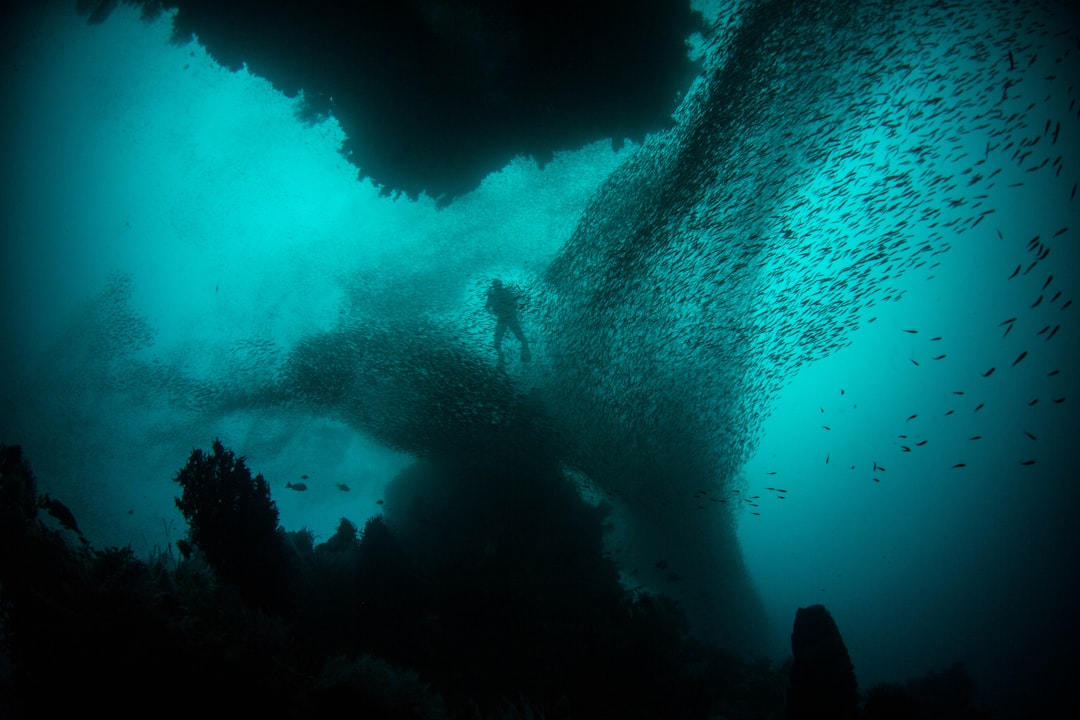
The inky blackness of the deep ocean, a realm largely unexplored and shrouded in mystery, becomes the stage for a captivating scientific journey in “Exploring the Abyss: A Deep Ocean Science Documentary.” This compelling film invites viewers to plunge into the crushing depths, revealing a world teeming with life, extraordinary adaptations, and geological wonders that challenge our understanding of Earth and the very origins of life. Through breathtaking cinematography, cutting-edge submersible technology, and insightful commentary from leading marine biologists and oceanographers, the documentary meticulously unpacks the secrets held within this vast, alien frontier.
“Exploring the Abyss” begins by setting the scene, emphasizing the sheer scale and inaccessibility of the deep sea. For centuries, humanity has gazed at the surface of the ocean, a familiar expanse, yet beneath it lies a chasm that dwarfs even the highest mountains. The documentary highlights the historical limitations of deep-sea exploration, where early attempts were fraught with danger and rudimentary technology. It paints a picture of the early pioneers, individuals who dared to venture into the unknown with little more than courage and a rudimentary understanding of the pressures and conditions that awaited them.
The Tyranny of Pressure
A significant portion of the initial exploration phase focuses on the formidable challenges posed by the deep ocean’s immense hydrostatic pressure. The film vividly illustrates how water pressure increases with depth, reaching levels that would instantly crush any unprotected object. Viewers are given a tangible sense of this force through animated sequences and expert explanations, likening it to having an elephant standing on every square inch of one’s body. This section underscores the critical need for specialized vehicles and equipment designed to withstand these extreme conditions.
The Dawn of Submersible Technology
The documentary then chronicles the evolution of submersible technology, from early, fragile bathyspheres to the state-of-the-art remotely operated vehicles (ROVs) and human-occupied submersibles (HOVs) employed today. It showcases the ingenuity of engineers and scientists who have developed vessels capable of not only surviving but also operating effectively in the abyssal zone. Rare archival footage might be interspersed here, demonstrating the significant leaps made in design, materials science, and life support systems, all crucial for safely navigating the deep. The narrative emphasizes that each technological advancement has unlocked new avenues of discovery, pushing the boundaries of what was once thought possible.
The Illusion of Emptiness
Early perceptions of the deep sea often painted it as a barren, lifeless void. “Exploring the Abyss” directly confronts and dispels this myth, revealing a surprisingly rich and diverse ecosystem. The film contrasts the popular imagination with the scientific reality, showcasing that life has not only found a way to exist but has thrived in this seemingly inhospitable environment. The initial surprise and wonder experienced by researchers as they first glimpsed the vibrant life forms of the deep is a central theme, emphasizing the paradigm shift in our understanding of biology and adaptation.
For those interested in exploring the depths of our oceans, a fascinating article titled “The Mysteries of the Deep: Unveiling Ocean Science” can be found on Freaky Science. This article delves into the latest discoveries in deep ocean research, highlighting the unique ecosystems and species that thrive in extreme conditions. To read more about these captivating underwater worlds, visit Freaky Science.
Life in the Extremes: Masters of Adaptation
The heart of “Exploring the Abyss” lies in its exploration of the astonishing adaptations that life forms have developed to survive in the deep ocean. This section is a testament to the incredible resilience and evolutionary prowess of nature, revealing creatures that defy conventional biological understanding.
Bioluminescence: The Language of the Deep
One of the most captivating aspects of deep-sea life showcased is bioluminescence. The documentary explains the chemical processes behind this “living light,” where organisms produce their own illumination for a variety of purposes. Viewers are treated to mesmerizing displays of glowing creatures, from the subtle pulses of anglerfish lures to the dazzling defensive flashes of certain squid. The film explores the diverse functions of bioluminescence, including communication, predation, mating, and defense against predators. It introduces the concept of “counter-illumination,” where organisms use light to camouflage themselves against the faint light filtering from above, effectively making them invisible.
Deep ocean science has always fascinated researchers and filmmakers alike, as it unveils the mysteries of our planet’s least explored regions. A captivating documentary that delves into this subject is available for those interested in learning more about the depths of the ocean and its unique ecosystems. For further insights, you can check out a related article that discusses the latest advancements in deep-sea exploration and the technologies being used to study these remote environments. Discover more about this intriguing topic by visiting this article.
Chemosynthesis: Life Without Sunlight
Perhaps the most revolutionary discovery presented is the concept of chemosynthesis. “Exploring the Abyss” delves into the unique ecosystems that thrive around hydrothermal vents, areas where superheated, mineral-rich water spews from the Earth’s crust. Here, life does not rely on sunlight for energy, but rather on chemical reactions. The documentary explains how specialized bacteria convert chemical compounds, such as hydrogen sulfide, into organic matter, forming the base of a complex food web. This challenges the long-held assumption that sunlight is essential for all life on Earth, expanding our definition of habitability and raising intriguing possibilities for life on other planets.
Anatomical Marvels and Sensory Innovations
The film highlights the peculiar and often bizarre anatomy of deep-sea creatures, each feature a finely tuned adaptation to their environment. The extreme pressure has led to the development of gelatinous bodies and reduced skeletal structures in many species. The lack of light has driven the evolution of enormous eyes, sensitive lateral lines, and highly developed chemosensory organs. Viewers encounter the colossal squid with its dinner-plate-sized eyes, the viperfish with its needle-like teeth, and the translucent snailfish, showcasing the incredible diversity of forms that have emerged. The documentary might also touch upon the slow metabolisms of many deep-sea inhabitants, a survival strategy in an environment where food can be scarce.
The Geology of the Abyss: A Planet in Motion
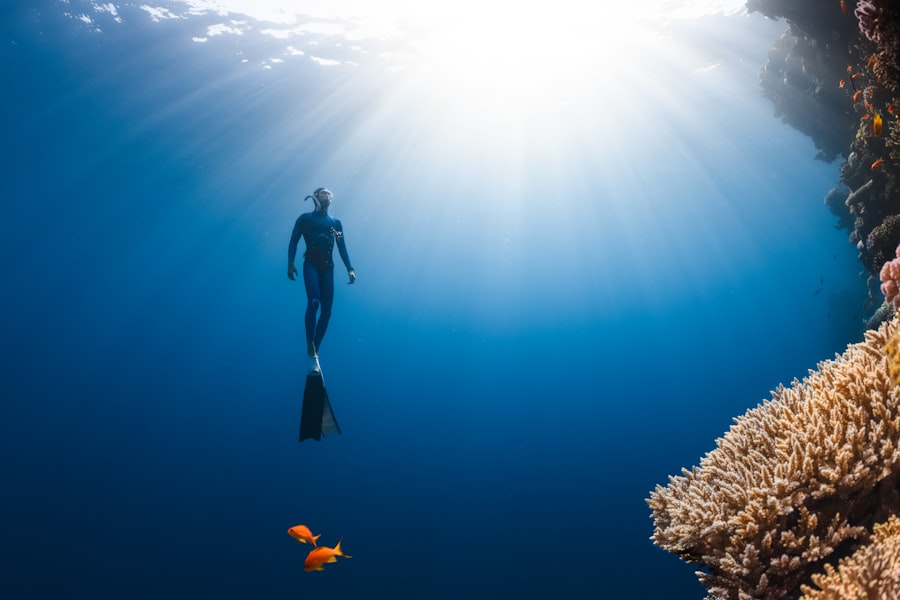
Beyond the biological wonders, “Exploring the Abyss” also delves into the geological significance of the deep ocean floor. This realm is not static but is constantly being shaped by powerful geological forces.
Hydrothermal Vents: Oases of Life and Geological Activity
The documentary dedicates significant attention to hydrothermal vents, not only for their biological importance but also for their role in Earth’s geological processes. It explains the formation of these vents, where tectonic plates pull apart, allowing seawater to circulate through the Earth’s crust, heated and enriched with minerals. The film showcases the stunning “black smokers” and “white smokers,” spewing mineral-laden plumes that create unique geological formations. The research conducted at these sites provides invaluable insights into the Earth’s internal heat flow and the chemical exchange between the ocean and the planet’s mantle.
Submarine Volcanoes and Seamounts: Shaping the Ocean Floor
The film also explores the prevalence of submarine volcanoes and seamounts, underwater mountains that often rise thousands of meters from the ocean floor. These formations, many of which are dormant or extinct, play a crucial role in oceanographic currents and serve as important habitats for marine life. The documentary might use advanced sonar mapping to reveal the vastness of these underwater mountain ranges, highlighting their potential impact on biodiversity and oceanographic phenomena. The formation of new islands and landmasses through volcanic activity is also discussed, illustrating the dynamic nature of our planet.
The Continental Shelf and Abyssal Plains: Vast, Underexplored Landscapes
“Exploring the Abyss” extends its gaze to the continental shelves, the submerged edges of continents that transition into the vast, flat abyssal plains. These regions, though less extreme than the trenches, are still largely understudied. The film illustrates the unique ecosystems found on the continental slopes, characterized by underwater canyons and sediment-rich areas that support a different array of life. The abyssal plains, often perceived as monotonous, are revealed to be complex environments with unique geological features and a specialized fauna adapted to the quiet, dark expanse.
The Unanswered Questions and the Future of Exploration
Despite the remarkable advancements in deep-sea science, “Exploring the Abyss” emphasizes that much remains unknown. The documentary concludes by highlighting the numerous unanswered questions and the exciting prospects for future exploration.
The Search for Extraterrestrial Life
The study of deep-sea life, particularly the chemosynthetic communities around hydrothermal vents, has profound implications for astrobiology. The film connects the resilience of life in these extreme environments to the possibility of life existing on other planets and moons within our solar system, such as Jupiter’s moon Europa or Saturn’s moon Enceladus, which are believed to harbor subsurface oceans. The documentary suggests that if life can thrive in the crushing darkness and chemical soups of Earth’s deep ocean, it may well exist in similar environments elsewhere.
The Impact of Human Activities
A critical theme woven throughout the latter part of the documentary is the growing impact of human activities on the deep ocean. From deep-sea mining proposals to plastic pollution and climate change, the film raises concerns about the potential threats to these fragile ecosystems. It showcases how even seemingly remote parts of the deep ocean are not immune to human influence. The documentary stresses the urgent need for responsible stewardship and further research to understand and mitigate these impacts before irreparable damage is done.
The Next Frontiers: Uncharted Territories
“Exploring the Abyss” leaves viewers with a sense of awe and a desire for more. It points towards the remaining unexplored trenches, the deepest parts of the ocean where the most extreme conditions prevail. The film hints at the ongoing development of even more advanced technologies, such as autonomous underwater vehicles (AUVs) capable of extended missions and more sophisticated sampling techniques. The documentary serves as a powerful call to action, encouraging continued investment in deep-sea research and conservation, ensuring that future generations can continue to unravel the mysteries of this vital and captivating part of our planet. The film leaves a lasting impression of the deep ocean not as a void, but as a vibrant, dynamic, and critically important frontier, teeming with life and holding secrets that could redefine our understanding of Earth and ourselves.
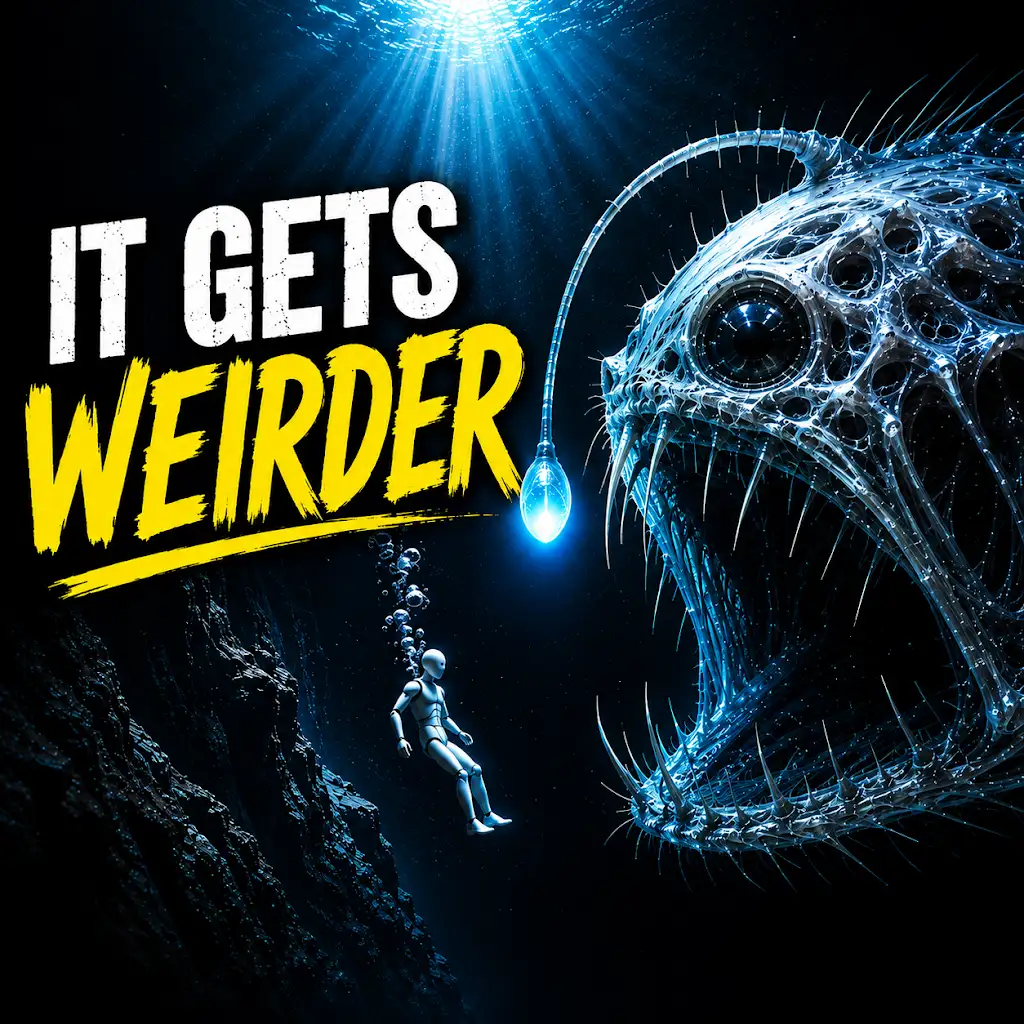
The Deeper You Go, the Less Life Looks Like Life
FAQs
What is a deep ocean science documentary?
A deep ocean science documentary is a film or video production that explores and showcases the scientific research, discoveries, and phenomena related to the deep ocean. It often includes footage of deep-sea creatures, underwater ecosystems, and the work of oceanographers and marine biologists.
What topics are typically covered in a deep ocean science documentary?
Deep ocean science documentaries often cover a wide range of topics, including deep-sea exploration, marine biology, oceanography, underwater geology, hydrothermal vents, bioluminescent organisms, and the impact of human activities on the deep ocean environment.
How are deep ocean science documentaries produced?
Deep ocean science documentaries are typically produced through a combination of scientific research, underwater filming, interviews with experts, and narration. Filmmakers often collaborate with marine scientists and research institutions to gather footage and information for the documentary.
What are the benefits of watching a deep ocean science documentary?
Watching a deep ocean science documentary can provide viewers with a greater understanding of the deep ocean environment, the creatures that inhabit it, and the importance of ocean conservation. It can also inspire curiosity and appreciation for the wonders of the deep sea.
Where can I watch deep ocean science documentaries?
Deep ocean science documentaries can be found on streaming platforms, such as Netflix, Amazon Prime, and National Geographic, as well as on educational websites and channels dedicated to science and nature programming. They may also be available for purchase or rental through online video stores.