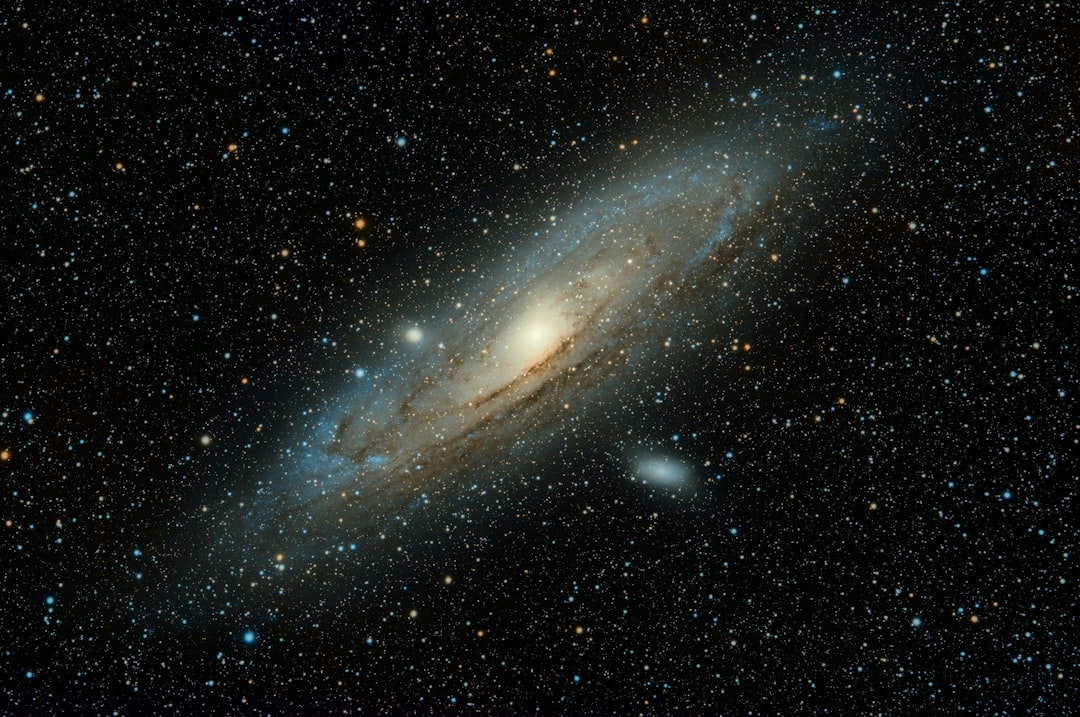
The human fascination with the cosmos is as old as humanity itself. From the earliest stargazers charting constellations to the cutting-edge telescopes probing the universe’s farthest reaches, the desire to understand what lies beyond our terrestrial home has been a persistent and powerful driving force. Today, this exploration is not just a scientific endeavor; it is a breathtaking visual spectacle, a testament to our ingenuity and our insatiable curiosity. Through the lens of space exploration, we witness the raw, untamed beauty of the universe, a panorama that continuously redefines our understanding of scale, color, and form.
For millennia, our view of the cosmos was limited to what the naked eye could discern. Stars were points of light, planets subtle wanderers, and galaxies distant smudges. The advent of the telescope marked the first true revolution in our ability to perceive space. Galileo’s rudimentary lenses revealed craters on the Moon and the moons of Jupiter, hinting at a universe far more complex and dynamic than previously imagined. However, it is in the modern era, with the development of advanced imaging technologies and space-based observatories, that we have truly begun to witness the universe in its full, glorious visual splendor.
The Dawn of Space Photography
The journey into space itself, beginning with the early rockets and satellites, quickly transitioned from mere data collection to the capture of stunning imagery. The iconic “Earthrise” photograph, taken by William Anders during the Apollo 8 mission, provided humanity with its first profound glimpse of our home planet as a fragile, blue marble suspended in the black void. This single image resonated deeply, sparking a global conversation about our planet’s interconnectedness and vulnerability. Subsequent missions, from the Voyager probes exploring the outer solar system to the Hubble Space Telescope observing distant galaxies, have built upon this foundation, delivering a continuous stream of awe-inspiring visuals.
The Power of Specialized Telescopes
The universe, however, is not always visible in the spectrum of light that our eyes can perceive. To truly unlock its visual secrets, scientists have developed telescopes that can detect infrared, ultraviolet, X-ray, and gamma-ray radiation. The Spitzer Space Telescope, for instance, peered through the cosmic dust that often obscures the view in visible light, revealing vibrant nebulae and the birthplaces of stars in unprecedented detail. Similarly, the Chandra X-ray Observatory has captured the incandescent glow of superheated gas around black holes and the energetic remnants of supernova explosions, painting a picture of cosmic violence and creation on scales that defy comprehension.
The Art and Science of Image Processing
The raw data collected by these instruments often requires sophisticated processing to become the stunning images we see. Scientists and artists collaborate to translate complex datasets into visually comprehensible forms. This involves assigning false colors to different wavelengths of radiation, enhancing subtle features, and layering data from multiple instruments to create composite images that reveal the multifaceted nature of celestial objects. The result is not just scientific documentation but also a form of cosmic art, an artistic interpretation grounded in rigorous scientific data that allows us to connect emotionally with the universe.
If you’ve ever wondered what space might look like through your own eyes, you might find the article “What Would Space Look Like to Your Eyes?” particularly intriguing. It explores the various ways our perception of the cosmos could change based on different visual capabilities and the impact of light and color in space. For a deeper understanding of this fascinating topic, check out the article here: What Would Space Look Like to Your Eyes?.
Nebulae: The Cosmic Nurseries and Dying Stars
Among the most captivating subjects of space exploration are nebulae, vast clouds of gas and dust that populate the interstellar medium. These ethereal formations are the cradles of star birth and the final resting places of dying stars, offering a mesmerizing display of cosmic artistry. Their swirling structures, vibrant colors, and immense scales evoke a sense of wonder and the profound cycles of creation and destruction that define the universe.
Stellar Nurseries: The Pillars of Creation
The Eagle Nebula, immortalized by the Hubble Space Telescope’s “Pillars of Creation” image, is a prime example of a stellar nursery. These towering columns of interstellar gas and dust, illuminated by the intense radiation from young, hot stars forming within them, appear like colossal, alien sculptures against a backdrop of starlight. The intricate details within these pillars, the delicate tendrils of gas, and the embedded protostars are a testament to the ongoing processes of star formation. The interplay of light and shadow, the subtle gradients of color from deep reds to ethereal blues, make these nebulae some of the most visually arresting sights in the cosmos.
Supernova Remnants: The Aftermath of Cosmic Explosions
When massive stars reach the end of their lives, they explode in cataclysmic events known as supernovae. The remnants of these explosions are often spectacular nebulae, characterized by filaments of ionized gas and shockwaves that propagate through space. The Crab Nebula, the remnant of a supernova observed by Chinese astronomers in 1054 AD, is a prime example. Its complex structure, with bright filaments and a central pulsar, showcases the immense energy released during a stellar death. The vibrant hues, often dominated by reds from hydrogen and blues from oxygen, are a visual record of the elements forged within the star and scattered across the galaxy.
Planetary Nebulae: The Gentle Farewell
Planetary nebulae are another type of celestial spectacle, formed when stars like our Sun reach the end of their main-sequence lives. These stars shed their outer layers, creating beautiful, often symmetrical shells of gas around a hot, central white dwarf. The Ring Nebula and the Helix Nebula are famous examples, displaying intricate patterns and vibrant colors that can resemble cosmic eyes or glowing halos. These nebulae, despite their name, have no relation to planets; the term arose due to their superficial resemblance to planetary disks when viewed through early telescopes. Their delicate structures and pastel colors offer a gentler, more serene counterpoint to the violent beauty of supernova remnants.
Galaxies: Islands of Stars in the Cosmic Ocean
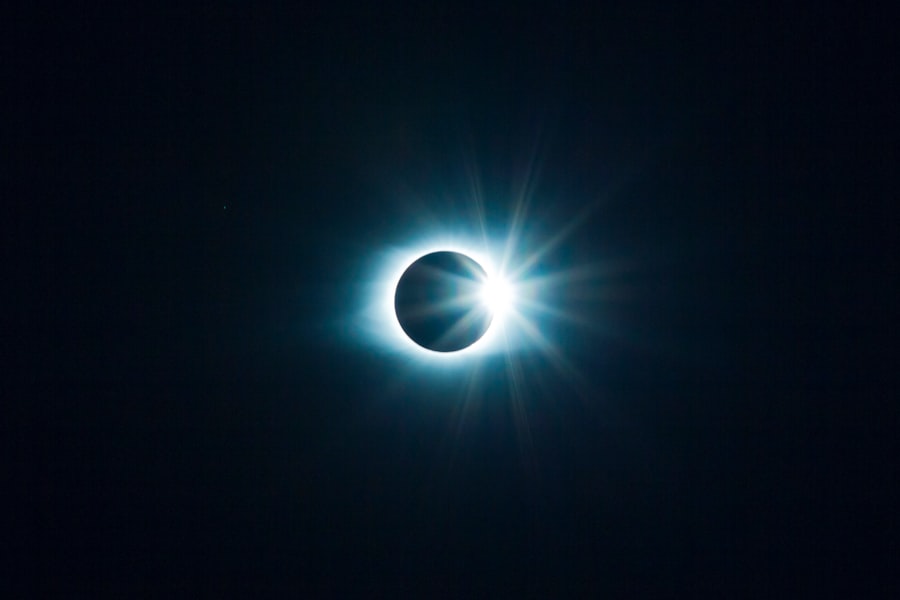
Galaxies, immense collections of stars, gas, dust, and dark matter bound together by gravity, are the fundamental building blocks of the universe’s large-scale structure. Their sheer diversity in shape, size, and color makes them endlessly fascinating subjects of study and visual appreciation. From the majestic spiral arms of our own Milky Way to the colossal elliptical giants, galaxies offer a glimpse into the grand architecture of the cosmos.
Spiral Galaxies: The Graceful Swirls
The Andromeda Galaxy, our closest large galactic neighbor, is a breathtaking example of a spiral galaxy. Its prominent spiral arms, studded with star-forming regions and glowing nebulae, are outlined against the darkness of space. The central bulge, a dense concentration of older stars, adds a luminous core to the galaxy’s form. The Hubble Space Telescope has captured incredibly detailed images of these arms, revealing the intricate dance of stars, gas, and dust. The distinct pattern of spiral galaxies is a visual cue to the ongoing processes of star formation and galactic evolution.
Elliptical Galaxies: The Cosmic Giants
Elliptical galaxies are typically older and more spherical or ellipsoidal in shape, containing a high proportion of older, redder stars. While they may lack the dramatic flair of spiral arms, their immense size and the sheer number of stars they contain can be awe-inspiring. The giant elliptical galaxy M87, located in the Virgo Cluster, is known for its bright central nucleus and the spectacular jet of plasma emanating from its supermassive black hole, a phenomenon captured in unprecedented detail by the Event Horizon Telescope. The homogeneous glow of these galaxies, punctuated by the occasional energetic outburst, offers a different, yet equally profound, visual experience.
Irregular Galaxies and Galactic Collisions: Cosmic Chaos and Transformation
Not all galaxies fit neatly into the spiral or elliptical categories. Irregular galaxies, as their name suggests, lack a defined shape and are often the result of gravitational interactions or collisions with other galaxies. These cosmic encounters can lead to spectacular displays of stellar nurseries igniting, gas clouds being compressed, and new star formation being triggered. Images of interacting galaxies, like the Antennae Galaxies, showcase the chaotic beauty of cosmic mergers, with long tidal tails of stars and gas stretching across vast distances, a testament to the dynamic and ever-changing nature of the universe.
Planetary Landscapes: Worlds Beyond Our Own
The exploration of our solar system has revealed a stunning diversity of planetary surfaces, each with its own unique geological history and visual character. From the swirling storms of Jupiter to the desolate beauty of Mars, these worlds offer a compelling counterpoint to the distant grandeur of nebulae and galaxies, bringing the cosmic spectacle closer to home.
The Red Planet: Mars’s Evolving Surface
Mars, with its rusty hue and enigmatic canyons, has captivated the human imagination for centuries. Modern missions, equipped with high-resolution cameras, have revealed a landscape shaped by wind and ancient water. The Valles Marineris, a colossal canyon system that dwarfs Earth’s Grand Canyon, is a testament to the planet’s geological past. Images of sand dunes, impact craters, and polar ice caps paint a picture of a dynamic, albeit currently cold and dry, world. The subtle variations in color, from ochre to deep red, are a result of mineral composition and atmospheric dust.
The Gas Giants and Their Moons: A Symphony of Storms and Icy Worlds
The gas giants – Jupiter, Saturn, Uranus, and Neptune – present a spectacle of atmospheric phenomena. Jupiter’s Great Red Spot, a storm larger than Earth that has raged for centuries, is a swirling vortex of crimson and orange. Saturn, with its iconic rings, is perhaps the most visually stunning planet in our solar system. These rings, composed of countless ice and rock particles, reflect sunlight, creating a luminous disc that encircles the planet. Beyond these giants lie their diverse moons, each a world in itself. Io, a moon of Jupiter, is volcanically active, its surface constantly reshaped by eruptions of sulfurous lava. Europa, another Jovian moon, is believed to harbor a subsurface ocean, its icy crust hinting at the potential for life.
The Frozen Worlds of the Outer Solar System
The distant realms of Uranus and Neptune, often depicted as serene blue spheres, are in fact dynamic worlds with active atmospheres and complex ring systems. Their icy moons, such as Triton with its cryovolcanism and Miranda with its chaotic, fractured surface, offer a glimpse into the extreme conditions of the outer solar system. These frozen landscapes, bathed in the faint light of the distant Sun, possess a stark, otherworldly beauty that challenges our terrestrial notions of what constitutes a world.
Imagine gazing into the vastness of space, where the colors of distant galaxies swirl in a mesmerizing dance and the stars twinkle like diamonds scattered across a velvet canvas. The experience would be unlike anything on Earth, filled with awe and wonder. For those curious about how our perception of space might differ from reality, a fascinating article on this topic can be found here. It explores the intricacies of human vision and how our eyes interpret the cosmic spectacle that surrounds us.
Earth from Space: A Shared Perspective
| Aspect | Description |
|---|---|
| Color | Space would appear mostly black, with some areas showing the colors of stars, planets, and other celestial bodies. |
| Depth | Space would appear vast and seemingly endless, with stars and galaxies appearing at varying distances. |
| Temperature | Space would be extremely cold, with temperatures close to absolute zero in many areas. |
| Light | Space would be filled with light from distant stars and galaxies, but also contain areas of darkness. |
| Void | Space would appear mostly empty, with vast distances between celestial bodies. |
While the universe offers endless vistas of cosmic grandeur, perhaps the most profound visual spectacle is that of our own planet as seen from above. The perspective afforded by space exploration has profoundly altered our understanding of Earth, fostering a sense of shared stewardship and a deeper appreciation for its delicate beauty.
The Blue Marble: A Fragile Oasis
The “Blue Marble” images, captured by Apollo astronauts and subsequent Earth-observing satellites, have become iconic representations of our planet. The swirling white clouds against the deep blue oceans, the brown and green landmasses, and the thin, fragile atmosphere are a stark reminder of Earth’s uniqueness in the cosmos. These images emphasize the interconnectedness of Earth’s systems and the profound impact of human activity on this singular home.
Observing Earth’s Dynamics: Weather, Climate, and Change
Modern Earth observation satellites provide a continuous stream of visual data, allowing us to monitor weather patterns, track deforestation, observe the melting of glaciers, and understand the complex dynamics of our planet’s climate. The visual evidence of climate change, from retreating ice sheets to more frequent extreme weather events, is a sobering spectacle that underscores the urgency of addressing these global challenges. Conversely, images of reforestation efforts and the recovery of ecosystems offer visual hope and inspiration.
The Human Footprint: A Visible Mark
From orbit, the lights of cities at night paint a glowing tapestry across the darkened continents, a visible testament to human civilization. The vast agricultural fields, the networks of roads, and the scars of industrial activity all contribute to a visual narrative of humanity’s presence on Earth. While these can sometimes appear as blemishes, they also represent our ingenuity and our capacity to shape our environment. The ongoing challenge is to ensure that this shaping is done sustainably and with respect for the planet’s natural beauty.
In conclusion, exploring space is more than just a scientific pursuit; it is a continuous unfolding of visual wonders that ignite our imaginations and expand our horizons. From the birth and death of stars to the intricate landscapes of distant worlds and the breathtaking view of our own planet, the universe presents a spectacle of unparalleled beauty and complexity. As our technological capabilities advance, so too will our ability to perceive and appreciate this cosmic panorama, forever reminding us of our place within its vast and awe-inspiring embrace.

The Space Photos Are Real—But Your Eyes Would See This
FAQs
1. What would space look like to your eyes?
In the vacuum of space, there is no atmosphere to scatter light, so the sky would appear pitch black to the human eye. However, stars, planets, and other celestial bodies would still be visible, as they emit their own light.
2. Would the colors of space be visible to the human eye?
In the absence of atmosphere, the colors of space would be more vibrant and clear. Stars would appear as they truly are, with their natural colors shining through. However, the lack of atmosphere would also mean that there would be no blue sky or colorful sunsets as we see on Earth.
3. How would the lack of atmosphere affect the visibility of space objects?
Without the distortion caused by Earth’s atmosphere, space objects would appear sharper and more defined. The lack of atmospheric interference would allow for clearer views of distant galaxies, nebulae, and other celestial phenomena.
4. Would the human eye be able to see distant galaxies and nebulae in space?
In the absence of light pollution and atmospheric interference, the human eye would be able to see distant galaxies and nebulae more clearly in space. However, the level of detail visible would still be limited by the capabilities of the human eye.
5. How would the experience of seeing space differ from viewing it on Earth?
The experience of seeing space without the filter of Earth’s atmosphere would be awe-inspiring and humbling. The clarity and depth of the night sky would be unparalleled, offering a breathtaking view of the cosmos in its true form.