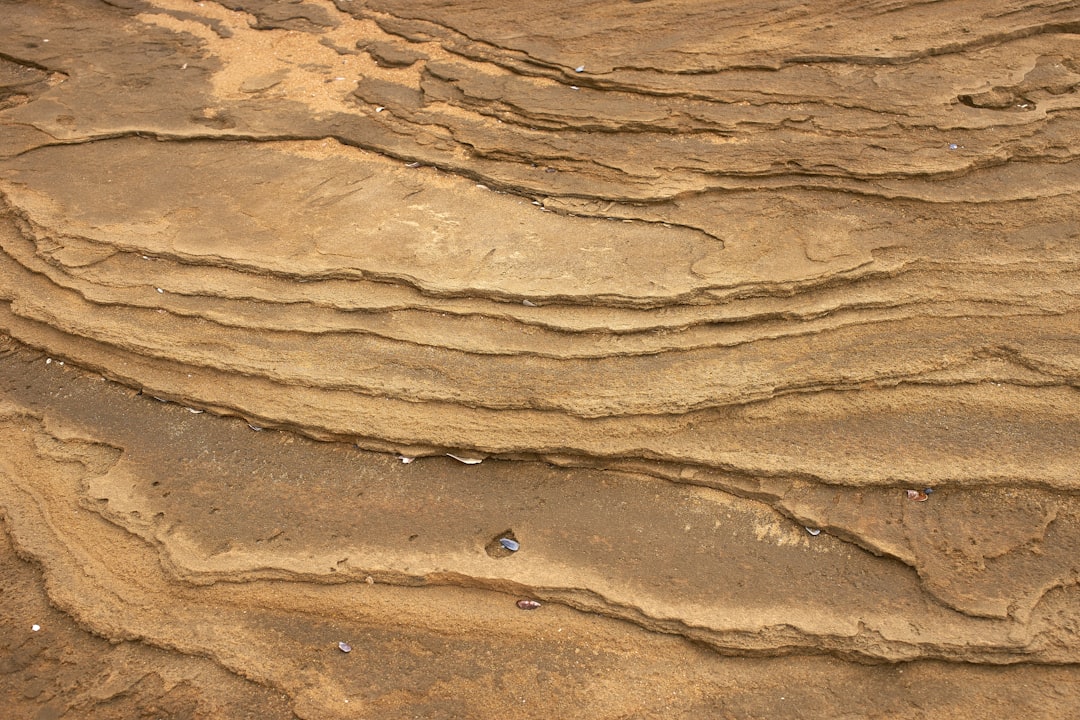
Exploring Sedimentology: Unraveling Earth’s Geological History
Sedimentology, the study of sediments and sedimentary rocks, serves as a fundamental pillar in understanding Earth’s vast geological history. These materials, meticulously laid down over eons, are not merely inert particles but rather a vibrant archive, a chronicle of the planet’s dynamic processes. By deciphering the language of sediments, geologists can reconstruct ancient environments, track the movement of continents, and even gain insights into the evolution of life itself. This article delves into the multifaceted world of sedimentology, exploring its core principles, methodologies, and the unparalleled wealth of information it provides about our planet’s past.
Sediments are the granular materials that originate from the breakdown of pre-existing rocks, minerals, or organic matter. They are transported by various agents – wind, water, ice, gravity – and eventually accumulate in depositional environments. The nature of these sediments, from their size and shape to their composition and stratification, offers profound clues about the conditions under which they formed.
Detrital Sediments: The Rocky Remnants
Detrital sediments, also known as clastic sediments, are composed of fragments of solid rock and mineral grains. These fragments are derived from the weathering and erosion of source rocks.
Grain Size: A Tale of Energy and Distance
The size of detrital sediment grains is a primary indicator of the energy of the transporting agent and the distance traveled from
FAQs
What is sedimentology?
Sedimentology is the scientific study of sediments, including their origin, transportation, deposition, and lithification. It focuses on understanding sedimentary processes and the formation of sedimentary rocks.
Why is sedimentology important?
Sedimentology is important because it helps geologists interpret Earth’s history, reconstruct past environments, and locate natural resources such as oil, gas, coal, and groundwater. It also aids in understanding natural hazards like landslides and sediment-related flooding.
What are the main types of sedimentary rocks studied in sedimentology?
The main types of sedimentary rocks studied in sedimentology are clastic (formed from fragments of other rocks), chemical (formed from precipitation of minerals), and organic (formed from accumulated biological material).
How do sedimentologists study sedimentary environments?
Sedimentologists study sedimentary environments by analyzing sediment characteristics, sedimentary structures, fossil content, and stratigraphic relationships. They use field observations, laboratory analyses, and sometimes remote sensing techniques.
What role do sedimentary structures play in sedimentology?
Sedimentary structures, such as ripple marks, cross-bedding, and mud cracks, provide valuable information about the depositional environment, flow conditions, and post-depositional processes. They help sedimentologists interpret past geological settings and sediment dynamics.