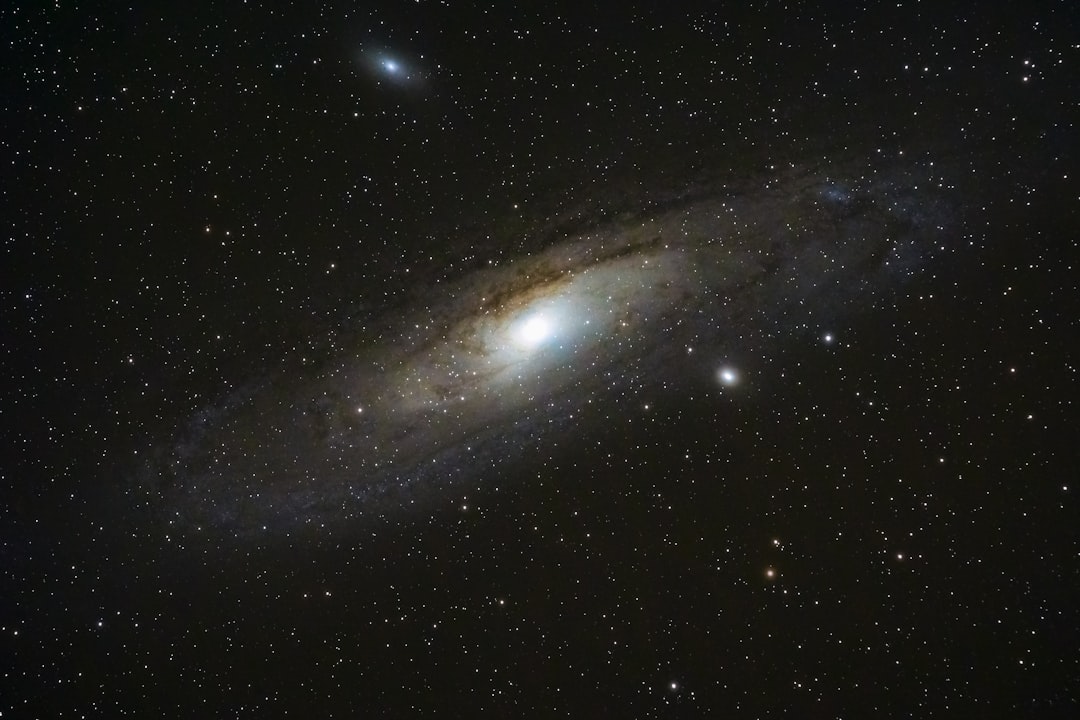
You stand on the precipice of discovery, looking not into the abyss, but into a reflection. Imagine a second Sun glinting in the sky, a mirror image of our own, casting familiar shadows in alien landscapes. This isn’t science fiction; it’s the tantalizing prospect of “Mirror Life” within our own solar system. You’ve always known the universe as a vast, single entity, but what if there are siblings, hidden just beyond the veil of our perception, living parallel lives? This exploration delves into the scientific theories and observational evidence that suggest the potential for such mirrored existences, and the profound implications they hold for our understanding of life itself.
The concept of “Mirror Life” isn’t about an exact replica; instead, it suggests the possibility of biological entities that share fundamental principles with terrestrial life but are built upon different biochemical foundations. Think of it as two distinct blueprints that, when executed with different materials, result in equally functional structures.
Chiral Asymmetry: The Left or Right Hand of Biology
Life on Earth exhibits a phenomenon known as chiral asymmetry. Most biological molecules, like amino acids and sugars, exist in two mirror-image forms, or enantiomers. For reasons still not fully understood, terrestrial life predominantly favors one form: “left-handed” amino acids and “right-handed” sugars. This uniformity is a cornerstone of our biochemistry.
The Chirality Problem in Abiogenesis
The origin of life, or abiogenesis, on Earth is a complex puzzle. The question arises: could this homochirality (preference for one handedness) have arisen by chance, or was there an external influence? Some hypotheses suggest that extraterrestrial influences, perhaps delivered by meteorites, might have provided a chiral bias that seeded early Earth.
Mirror-Chirality Scenarios
If life arose independently on another celestial body, it’s conceivable that the processes of abiogenesis could have favored the opposite enantiomers. This would lead to “mirror life,” where amino acids are predominantly “right-handed” and sugars “left-handed.” Such life would be fundamentally alien, potentially rendering us incompatible even at a molecular level.
Alternative Solvents: Beyond Water’s Dominance
Water is the universal solvent of life on Earth, a remarkable medium that facilitates countless chemical reactions. Its unique properties – polarity, high heat capacity, and expansive freezing – make it ideal for biological processes. However, the search for life beyond Earth prompts consideration of alternative solvents.
Methane and Ethane Lakes: Titan’s Unique Environment
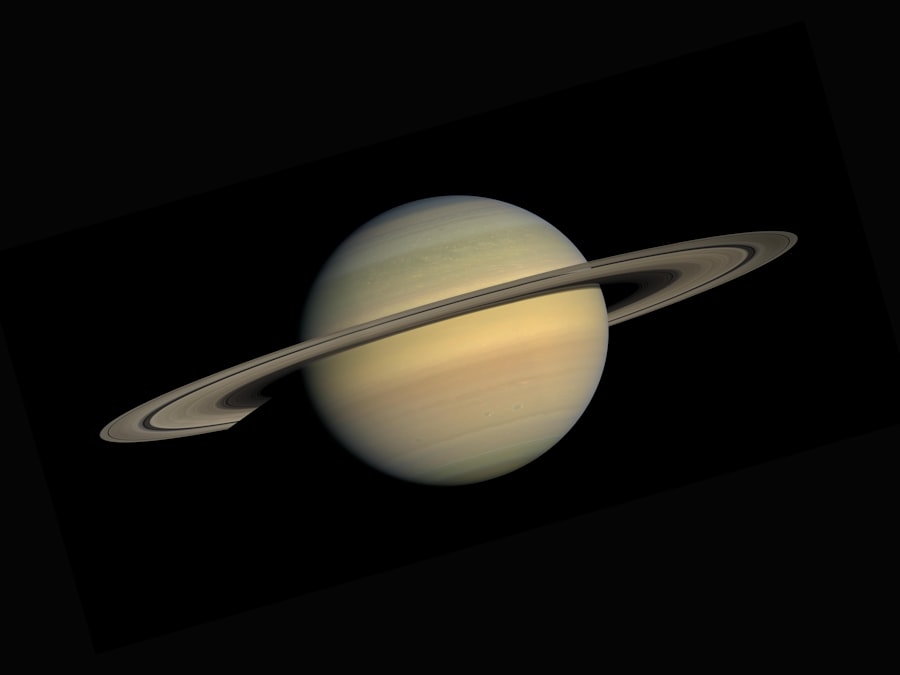
Saturn’s moon Titan presents a compelling example. Its frigid surface is dotted with vast lakes and rivers of liquid methane and ethane. These hydrocarbons possess different chemical properties than water, but their liquid state at Titan’s temperatures could, in theory, support a different form of biochemistry.
Energetic Constraints for Methane-Based Life
However, the lower energy states of molecules in a methane-based system pose a significant challenge. The energy required to drive biological processes might be considerably higher, or the metabolic pathways would need to be drastically different and incredibly efficient.
Supercritical Fluids: Extreme Environments
Another theoretical possibility involves supercritical fluids, substances at temperatures and pressures above their critical point, behaving as both a liquid and a gas. Some planetary scientists speculate about the potential for life in subsurface oceans where conditions might be conducive to such states.
Silicon-Based Life: A Sci-Fi Staple with Scientific Merit?
The idea of silicon-based life, often a staple of science fiction, is also a subject of scientific inquiry. Silicon sits below carbon on the periodic table, sharing some of its bonding capabilities.
The Strengths and Weaknesses of Silicon
Silicon can form complex chains and rings, similar to carbon. However, silicon-carbon bonds are not as stable as carbon-carbon bonds, and silicon tends to form brittle oxides, unlike the versatile carbon dioxide.
Silicon Dioxide vs. Carbon Dioxide
Silicon readily bonds with oxygen to form silicon dioxide (SiO2), a solid that is the primary component of sand and quartz. This is in stark contrast to carbon dioxide (CO2), a gas that plays a crucial role in Earth’s carbon cycle and is easily transported and processed by living organisms. This fundamental difference in waste product management presents a significant hurdle for silicon-based life.
Exploring the possibilities of life beyond Earth has always fascinated scientists and enthusiasts alike. A related article that delves into the intriguing prospects of extraterrestrial life within our solar system can be found at Freaky Science. This piece discusses various celestial bodies, such as Mars and the icy moons of Jupiter and Saturn, that may harbor conditions suitable for life, sparking curiosity about what forms that life might take and how it could impact our understanding of biology and the universe.
Candidates for Mirror Life in Our Solar System
While Earth remains the only confirmed abode of life, several celestial bodies within our solar system are considered prime candidates for harboring conditions that could foster, or have fostered, some form of extraterrestrial life, including potential mirror life.
Mars: The Red Planet’s Faded Potential
Mars, our closest planetary neighbor, has long been a focal point in the search for life. Evidence suggests that in its early history, Mars was warmer and wetter, with liquid water flowing on its surface.
Subsurface Water and Brines: Current Martian Havens
While surface water is now scarce, the possibility of subsurface liquid water, often in the form of briny solutions, persists. These environments, shielded from harsh surface radiation, could potentially harbor microbial life.
The Search for Biosignatures on Mars
The Perseverance rover and its predecessors are actively searching for biosignatures – evidence of past or present life. These include organic molecules, anomalies in isotopic ratios, and specific mineral formations.
Potential for Ancient Mirror Life
If life ever arose on Mars, and if its abiogenesis followed a different chiral path, we might be looking for evidence of truly “mirror” microbial life that existed when water was abundant. The challenge lies in distinguishing genuine biosignatures from abiotic geological processes.
Europa: Jupiter’s Icy Moon and its Subsurface Ocean
Jupiter’s moon Europa is a world of ice, hiding beneath its frozen crust a vast, salty ocean. This ocean is believed to be in contact with a rocky seafloor, providing the essential ingredients for life.
Hydrothermal Vents: Earth’s Analogs for Alien Life
On Earth, hydrothermal vents on the ocean floor are teeming with life, forming ecosystems independent of sunlight. It’s hypothesized that similar vents could exist on Europa, providing energy and chemicals for potential Europan life.
The Enigma of Europan Biochemistry
The biochemistry of any potential Europan life is a subject of intense speculation. Would it be water-based like ours, or could it have evolved a different solvent system capable of functioning in the unique conditions of Europa’s ocean?
Tidal Heating and Energy Sources
Europa is subjected to immense tidal forces from Jupiter, which generate internal heat. This geological activity is crucial for maintaining its subsurface ocean and potentially driving the processes necessary for abiogenesis.
Enceladus: Saturn’s Geyser Moon
Saturn’s moon Enceladus is another compelling candidate, famous for its spectacular geysers that erupt from its south polar region, spewing water ice and organic molecules into space.
Cassini’s Revelations: A Salty, Organic-Rich Ocean
The Cassini spacecraft sampled these plumes, revealing a salty, carbon-rich ocean beneath the moon’s icy shell, containing molecules like methane and ammonia – potential building blocks for life.
The Potential for Chemosynthetic Life
Like Europa, Enceladus is thought to have a rocky core. If hydrothermal activity is present, it could support chemosynthetic ecosystems, similar to those found in Earth’s deepest oceans, potentially based on different biochemical principles.
Implications for Mirror Life Formation
The presence of complex organic molecules in Enceladus’s plumes hints at ongoing chemical processes. If abiogenesis occurred here, the unique chemical environment could have led to mirror life, exhibiting chiral preferences opposite to those found on Earth.
The Biochemistry of Mirror Life: Hypothetical Frameworks

Exploring the biochemical possibilities of mirror life requires delving into theoretical frameworks that extend beyond our current understanding of terrestrial biology.
Amino Acid Inversion: The Left-Handed vs. Right-Handed Dilemma
As previously discussed, the preference for “left-handed” amino acids is a defining characteristic of Earth life. Mirror life would, by definition, favor “right-handed” amino acids.
The Role of Chirality in Protein Folding
The handedness of amino acids is crucial for the three-dimensional folding of proteins, which dictates their function. Mirror life would assemble proteins with a mirror-image structure, yet capable of performing analogous tasks.
Challenges in Detecting Mirror Amino Acids
Detecting these “right-handed” amino acids would require specialized instruments capable of differentiating enantiomers, and sample return missions would be essential for detailed analysis.
Sugar Stereochemistry: A Sweet Difference
Similarly, terrestrial life predominantly uses “right-handed” sugars like D-glucose. Mirror life would likely utilize “left-handed” sugars, such as L-glucose.
Impact on Energy Metabolism
The way sugars are metabolized to produce energy is directly linked to their stereochemistry. Mirror life would employ different enzymatic pathways to break down and utilize L-sugars.
Energy Currency: ATP Analogs?
The universal energy currency on Earth is Adenosine Triphosphate (ATP). Mirror life might utilize an analogous molecule, but with a chiral structure that reflects its overall mirroring.
Nucleic Acids: A Different Backbone
DNA and RNA, the genetic material of Earth life, are polymers of nucleotides. The sugar component in these nucleotides is usually ribose or deoxyribose, both “right-handed” sugars.
Mirror RNA and DNA Structures
Mirror life would likely possess nucleic acids with a “left-handed” sugar backbone. This would result in a different helical structure and potentially different mechanisms for replication and protein synthesis.
The Genetic Code: Universality or Variation?
A fundamental question is whether the genetic code itself would be universal. Could mirror life have evolved a different set of codons to translate its mirrored nucleic acids into proteins?
The Search for Mirror Life: Methodologies and Challenges
The quest for mirror life is fraught with challenges, requiring innovative approaches and a willingness to think outside our biological box.
Spectroscopic Analysis: Unraveling Molecular Handedness
Spectroscopy, particularly techniques like circular dichroism (CD) spectroscopy, can be used to distinguish between chiral molecules.
Detecting Enantiomeric Excess in Samples
By analyzing the interaction of polarized light with a sample, scientists can determine if there’s an excess of one enantiomer over another, a key indicator for potential mirror life.
Limitations in Remote Sensing
However, applying these techniques remotely can be difficult, and distinguishing subtle differences in complex extraterrestrial samples requires sophisticated instrumentation.
Isotopic Analysis: Fingerprints in Time
Variations in the abundance of different isotopes of elements can provide clues about biological processes.
Carbon Isotopes as Biosignatures
For example, the ratio of carbon-12 to carbon-13 can be altered by metabolic processes. Life on Earth preferentially utilizes the lighter carbon-12.
Mirror Biosignatures: A Shift in Ratios?
Mirror life might exhibit a different isotopic preference, providing a potential, albeit indirect, biosignature. However, abiotic processes can also influence isotopic ratios, making interpretation complex.
Future Mission Designs: Sample Return and In Situ Analysis
The most definitive way to study potential mirror life will be through sample return missions and advanced in situ analysis.
Dedicated Astrobiology Laboratories
Future missions will likely involve sending specialized laboratories to celestial bodies, equipped with instruments capable of performing detailed biochemical analysis, including chirality detection.
Human Exploration: A Risky but Rewarding Endeavor
While the thought of human explorers on other worlds is exciting, the risk of contamination and the logistical complexities are immense. However, human intuition and adaptability might prove invaluable in unexpected discoveries.
Exploring the possibility of life beyond Earth has captivated scientists and enthusiasts alike, leading to numerous studies and discoveries about our solar system. One intriguing article discusses the potential for microbial life on Mars, highlighting recent findings from rover missions that suggest the presence of liquid water in the past. This research not only fuels our curiosity about the Red Planet but also raises questions about the conditions necessary for life to thrive elsewhere. For more insights into this fascinating topic, you can read the article on Freaky Science.
The Profound Implications of Mirror Life
| Celestial Body | Potential for Mirror Life | Environmental Conditions | Key Metrics | Notes |
|---|---|---|---|---|
| Mars | Moderate | Thin CO2 atmosphere, cold temperatures (-125 to 20°C), presence of water ice | Surface pressure: ~0.6 kPa, Radiation: High UV and cosmic rays | Possible subsurface habitats; mirror life could adapt to oxidizing soil |
| Europa (Moon of Jupiter) | High | Ice-covered ocean, subsurface liquid water, tidal heating | Ocean depth: ~100 km, Temperature: ~ -160°C surface, ~0°C ocean | Potential for life in subsurface ocean; mirror life might exist in water |
| Enceladus (Moon of Saturn) | High | Subsurface ocean, geysers ejecting water vapor and organic compounds | Ocean depth: ~10 km, Temperature: ~ -198°C surface | Organic molecules detected; mirror life could utilize different biochemistry |
| Titan (Moon of Saturn) | Moderate | Thick nitrogen atmosphere, liquid methane and ethane lakes | Surface pressure: 146.7 kPa, Temperature: ~ -179°C | Non-water solvents; mirror life might use methane-based biochemistry |
| Venus | Low | Dense CO2 atmosphere, surface temperature ~465°C, high pressure | Surface pressure: 9.2 MPa, Acidic clouds with sulfuric acid | Harsh surface conditions; possible microbial life in upper clouds |
The discovery of mirror life would be one of the most paradigm-shifting events in human history, forcing a re-evaluation of our place in the cosmos.
Redefining “Life”: A Broader Perspective
Our current definition of life is inherently anthropocentric, based on the only example we know. Mirror life would broaden this definition, demonstrating that life can arise and thrive through fundamentally different biochemical pathways.
Universal Principles vs. Contingent Evolution
This would spark debate about which aspects of life are universal principles and which are merely contingent outcomes of Earth’s specific history and chemistry.
The Anthropic Principle Revisited
The discovery of mirror life might also offer new perspectives on the anthropic principle, the idea that the universe’s fundamental constants are finely tuned for the existence of life, and thus potentially for intelligent observation.
The Search for Intelligence: A Double-Edged Sword
If life can arise in such diverse forms, the probability of intelligent life elsewhere in the universe might increase. However, the very alienness of mirror life could pose an additional hurdle to communication and understanding.
Bridging the Chiral Divide
Establishing communication with an intelligent species built on mirror biochemistry would be an extraordinary challenge, requiring us to think beyond our own sensory and cognitive frameworks.
The Nature of Consciousness in Alien Forms
The very nature of consciousness, if it arises in a mirror life form, could be profoundly different, forcing us to reconsider what it means to be sentient.
Our Place in the Universe: Less Alone, More Complex
The potential discovery of mirror life would definitively answer the question of whether we are alone. However, it would also reveal a universe far more complex and diverse than we previously imagined.
A Cosmic Tapestry of Biochemical Possibilities
Instead of a lonely speck, Earth would become one thread in a vast, intricate tapestry of biochemical possibilities, each planet a potential loom for unique life forms.
The Future of Astrobiology: A New Era of Exploration
The exploration of mirror life would usher in a new era of astrobiology, driving innovation in instrumentation, theoretical modeling, and interplanetary exploration, pushing the boundaries of what we can discover and understand.
FAQs
What does “mirror life” mean in the context of the solar system?
Mirror life refers to hypothetical life forms that are based on mirror-image biochemistry compared to life on Earth. This means their molecular structures, such as amino acids and sugars, would be the opposite “handedness” or chirality of those found in terrestrial organisms.
Is there any evidence of mirror life existing beyond Earth?
As of now, there is no direct evidence of mirror life existing anywhere in the solar system. Scientists have not yet discovered any extraterrestrial life, mirror or otherwise, but research continues through planetary exploration and astrobiology studies.
Why is the concept of mirror life important for astrobiology?
The concept of mirror life expands the possibilities for what forms life might take beyond Earth. It challenges the assumption that all life must share the same molecular chirality and encourages scientists to consider alternative biochemistries when searching for extraterrestrial organisms.
Could mirror life survive in environments found on other planets or moons?
In theory, mirror life could survive in a variety of environments if it has adapted to local conditions. Since mirror life would have a different biochemistry, it might utilize different metabolic pathways or solvents, potentially allowing it to thrive in environments that are hostile to Earth-based life.
How do scientists search for mirror life during space missions?
Scientists use instruments designed to detect organic molecules and signs of life, including chirality-sensitive techniques that can distinguish between left-handed and right-handed molecules. These methods help identify whether any detected life forms or organic compounds have mirror-image biochemistry.