
Simulation Theory proposes that human-perceived reality may not be fundamental but rather a complex simulation created by an advanced civilization. According to this concept, all human experiences—including the physical environment, thoughts, and emotions—could constitute part of an intricate digital system. The theory raises significant questions regarding existence, consciousness, and the fundamental nature of reality, challenging conventional understanding and prompting examination of what constitutes genuine experience versus illusion.
The theory centers on questions about consciousness and suggests that humans may not control their own experiences but instead participate in a structured system designed by entities beyond human understanding. This concept has become increasingly prominent in philosophical discourse and mainstream culture, generating substantial interest in the potential consequences of existing within a simulated environment. As technological capabilities expand and virtual experiences grow more sophisticated, the distinction between authentic reality and simulation becomes less clear, enhancing the contemporary relevance of this theoretical framework.
One fascinating concept to explore is simulation theory, which suggests our reality might be an artificial simulation.
Key Takeaways
- Simulation Theory proposes that reality might be an artificial simulation created by advanced beings or technology.
- The theory has historical roots and has evolved through philosophical and scientific discussions over time.
- Experts and scientists debate the validity and implications of Simulation Theory, exploring its scientific basis and ethical concerns.
- Technology plays a crucial role in both the conceptualization and potential realization of simulated realities.
- The theory impacts society by challenging perceptions of existence and raising questions about the future of human experience and ethics.
The History of Simulation Theory
The roots of Simulation Theory can be traced back to ancient philosophical inquiries about the nature of reality. Philosophers like Plato pondered the distinction between the world of forms and the material world, suggesting that what humans perceive may be mere shadows of a deeper truth. However, it was not until the advent of modern technology and computer science that the concept began to take on a more concrete form.
In the late 20th century, thinkers such as Nick Bostrom brought the idea into contemporary discourse, proposing that if it is possible to create a convincing simulation, it is likely that many beings are living in one. Bostrom’s seminal paper, “Are You Living in a Computer Simulation?
He argued that if civilizations could reach a level of technological advancement capable of creating highly detailed simulations, then it stands to reason that many beings might exist within such simulations.
This idea resonated with advancements in virtual reality and artificial intelligence, leading to a surge in discussions about the implications of living in a simulated universe.
The Debate Surrounding Simulation Theory
The discourse surrounding Simulation Theory is marked by a blend of intrigue and skepticism. Proponents argue that the rapid advancement of technology makes it increasingly plausible that humanity could create simulations indistinguishable from reality. They point to developments in virtual reality, artificial intelligence, and computational power as evidence that the creation of such simulations is not only possible but perhaps inevitable.
This perspective invites a reexamination of philosophical questions about existence and consciousness. Conversely, critics of Simulation Theory raise concerns about its empirical validity. They argue that the theory lacks testable hypotheses and relies heavily on speculative reasoning.
Detractors contend that while it is an interesting philosophical exercise, it does not provide concrete answers to fundamental questions about existence. This ongoing debate highlights the tension between scientific inquiry and philosophical speculation, as both sides grapple with the implications of a potentially simulated reality.
The Science Behind Simulation Theory
The scientific underpinnings of Simulation Theory draw from various fields, including physics, computer science, and cognitive psychology. Some scientists suggest that certain aspects of quantum mechanics may lend credence to the idea that reality operates on principles akin to those found in computer simulations. For instance, phenomena such as wave-particle duality and entanglement challenge traditional notions of causality and locality, leading some to speculate that these behaviors could be indicative of a simulated framework.
Moreover, advancements in computational power have led to discussions about the feasibility of creating simulations that replicate complex systems. As researchers develop increasingly sophisticated algorithms and models, they explore the potential for simulating entire universes or ecosystems. This scientific exploration raises questions about the limits of human understanding and whether it is possible to create a simulation so intricate that its inhabitants would be unaware of their artificial existence.
How Simulation Theory is Explored in the Documentary
| Metric | Value | Description |
|---|---|---|
| Documentary Title | Freaky Science: Simulation Theory | Name of the documentary exploring simulation theory concepts |
| Release Year | 2023 | Year the documentary was released |
| Duration | 90 minutes | Total runtime of the documentary |
| IMDB Rating | 7.8/10 | Average viewer rating on IMDB |
| Number of Interviews | 12 | Experts and scientists interviewed in the documentary |
| Simulation Theory Coverage | 85% | Percentage of documentary focused on simulation theory topics |
| Visual Effects Usage | High | Level of visual effects used to illustrate concepts |
| Audience Reach | 1.2 million viewers | Number of viewers within the first 6 months |
| Scientific Accuracy | Moderate | Assessment of scientific rigor and accuracy |
Documentaries exploring Simulation Theory often delve into its philosophical implications while presenting scientific perspectives on the subject.
By weaving together personal narratives and expert commentary, these documentaries create a compelling narrative that invites viewers to question their own perceptions of existence.
One notable documentary examines the intersection of technology and philosophy, showcasing how advancements in virtual reality have blurred the lines between real and simulated experiences. Through immersive visuals and thought-provoking interviews, viewers are encouraged to consider how their understanding of reality may be shaped by technological advancements. The documentary serves as a catalyst for discussion, prompting audiences to reflect on their own experiences and beliefs regarding the nature of existence.
Interviews with Experts in Simulation Theory
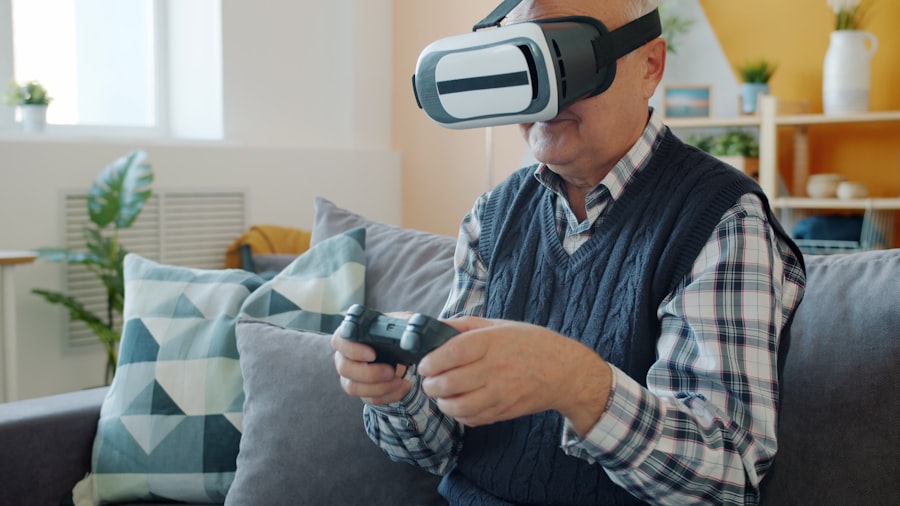
Interviews with experts in Simulation Theory provide valuable insights into the complexities surrounding this intriguing concept. Philosophers often emphasize the ethical implications of creating simulations and question whether simulated beings possess consciousness or rights. They explore whether it is morally acceptable to create entities capable of experiencing suffering within a simulated environment.
Scientists contribute to the conversation by discussing the technological advancements that make simulations increasingly plausible. They highlight ongoing research in artificial intelligence and virtual reality, emphasizing how these fields intersect with philosophical inquiries about existence. By presenting diverse perspectives from experts across disciplines, these interviews enrich the dialogue surrounding Simulation Theory and encourage audiences to engage with its multifaceted nature.
The Impact of Simulation Theory on Society
The implications of Simulation Theory extend beyond philosophical musings; they have tangible effects on society as well. As individuals grapple with the possibility that their reality may be simulated, questions arise about identity, purpose, and morality. The theory challenges conventional beliefs about free will and agency, prompting individuals to reconsider their roles within a potentially constructed universe.
Moreover, Simulation Theory has permeated popular culture, influencing literature, film, and art. Works such as “The Matrix” have popularized the concept, sparking widespread interest in exploring themes related to reality and illusion. This cultural fascination reflects a collective curiosity about existence and encourages discussions about technology’s role in shaping human experiences.
The Role of Technology in Simulation Theory
Technology plays a pivotal role in shaping discussions around Simulation Theory. As advancements in virtual reality and artificial intelligence continue to evolve, they provide tangible examples of how simulations can mimic real-world experiences. The development of immersive environments allows individuals to engage with simulated realities in ways previously thought impossible.
Furthermore, technology raises ethical questions about the creation and manipulation of simulated beings. As virtual environments become more sophisticated, society must grapple with the moral implications of creating entities capable of experiencing emotions or suffering within these simulations. The intersection of technology and ethics becomes increasingly relevant as humanity navigates its relationship with simulated realities.
The Ethics of Simulation Theory
The ethical considerations surrounding Simulation Theory are profound and multifaceted. One major concern revolves around the treatment of simulated beings—if they possess consciousness or self-awareness, do they deserve rights similar to those granted to sentient beings? This question challenges traditional ethical frameworks and prompts discussions about responsibility in creating simulations.
Additionally, there are concerns about the potential consequences of living in a simulated reality. If individuals come to believe that their experiences are merely part of a simulation, it may lead to existential crises or nihilism. The ethical implications extend beyond individual experiences; they encompass societal values and norms as well.
As humanity grapples with these questions, it becomes essential to establish ethical guidelines for engaging with simulated realities.
Criticisms of Simulation Theory
Despite its intriguing premise, Simulation Theory faces significant criticisms from various quarters. Skeptics argue that it lacks empirical support and relies heavily on speculative reasoning rather than scientific evidence. They contend that while it may be an engaging philosophical exercise, it does not provide concrete answers to fundamental questions about existence.
Moreover, critics highlight potential pitfalls associated with embracing Simulation Theory too readily. They caution against nihilism or fatalism that may arise from believing one’s experiences are merely simulated constructs. This perspective emphasizes the importance of grounding discussions about reality in empirical evidence while acknowledging the limitations of human understanding.
The Future of Simulation Theory and its Implications
As technology continues to advance at an unprecedented pace, the future of Simulation Theory remains uncertain yet fascinating. Ongoing developments in artificial intelligence and virtual reality may lead to new insights into the nature of existence and consciousness. As researchers explore the boundaries between real and simulated experiences, society must grapple with the implications of these discoveries.
The potential for creating increasingly sophisticated simulations raises questions about identity, morality, and agency in a world where reality may be malleable. As humanity navigates this uncharted territory, it becomes essential to engage in thoughtful discussions about the ethical considerations surrounding simulation creation and its impact on society at large. Ultimately, Simulation Theory serves as both a philosophical inquiry and a reflection on humanity’s relationship with technology—a relationship that will undoubtedly shape future generations’ understanding of existence itself.
In exploring the intriguing concepts of simulation theory, one can find a wealth of information in the article available on Freaky Science. This article delves into the philosophical implications and scientific perspectives surrounding the idea that our reality might be a sophisticated simulation. For more insights, you can read the full article [here](https://www.freakyscience.com/sample-page/).
WATCH THIS! EXPOSED: This Quantum Physics Secret Proves Reality Is Not Real 🤯
FAQs
What is the simulation theory?
Simulation theory is the hypothesis that reality, including the Earth and the universe, could be an artificial simulation, such as a computer simulation, rather than actual physical reality.
Who popularized the simulation theory?
Philosopher Nick Bostrom is credited with popularizing the simulation theory through his 2003 paper “Are You Living in a Computer Simulation?” which argues that one of several propositions about the future of humanity must be true, including the possibility that we live in a simulation.
What kind of evidence is presented in freaky science documentaries about simulation theory?
Such documentaries often explore scientific, philosophical, and technological arguments, including quantum mechanics anomalies, computational limits, and philosophical questions about consciousness and reality, but no definitive empirical evidence currently proves the theory.
Is simulation theory widely accepted in the scientific community?
Simulation theory is a speculative hypothesis and remains controversial. While it is taken seriously by some philosophers and scientists as a thought experiment, it is not broadly accepted as a proven scientific fact.
How do documentaries explain the implications of living in a simulation?
Documentaries typically discuss the philosophical and existential implications, such as the nature of free will, the meaning of life, and the possibility that our perceived reality is controlled or designed by an advanced intelligence.
Can simulation theory be tested or proven?
Currently, there is no conclusive method to test or prove simulation theory. Some researchers have proposed experiments to detect potential “glitches” or limits in physical laws that might indicate a simulation, but these remain theoretical.
What role does technology play in simulation theory?
Advances in computing power and virtual reality technology are often cited as reasons why future civilizations might create highly realistic simulations, making the idea of living in a simulation more plausible.
Are there any notable figures who support simulation theory?
Besides Nick Bostrom, notable supporters or discussants include Elon Musk and philosopher David Chalmers, who have publicly entertained the possibility that we might be living in a simulation.
What is the connection between simulation theory and quantum physics?
Some proponents argue that peculiarities in quantum mechanics, such as wave-particle duality and observer effects, could be explained if reality is a simulated environment governed by computational rules.
Where can I watch documentaries about simulation theory?
Simulation theory documentaries can be found on popular streaming platforms like Netflix, YouTube, and science-focused channels such as National Geographic, Discovery Channel, and PBS.